Preston Lau: A Journey Through Memories, Tech, and Humanity
Welcome to my personal blog that delves into the intricate tapestry of personal albums and the fascinating intersection of ever-evolving technology and humanity. Come along on a journey with me as we delve into the seamless fusion of creativity, state-of-the-art AI and robotics, intricately interwoven within the tapestry of our shared awareness. Have fun!
Zhouzhuang China No. 1 Water Town Water in Jiangsu China
AI Summary
Zhouzhuang Water Town is a famous water township in Jiangsu, China, known for its cultural background, preserved ancient houses, and traditional architecture. Built on half a square kilometer of land, 60% of structures date back to the Ming and Qing Dynasties. It's a popular destination with unique snacks like Wansan pig shank and various local dishes, recognized as a UNESCO World Cultural Heritage Site and Grade AAAAA Tourist Destination.
Nestled in Kunshan City, southeast of Suzhou in Jiangsu, China, lies Zhouzhuang (周庄), one of the most famous and arguably the most charming of China's water townships. Visiting Zhouzhuang is like stepping directly into a classical Chinese painting, a place renowned for its profound cultural background, the well preserved ancient residential houses, the elegant watery views, and the strong local colored traditions and customs.
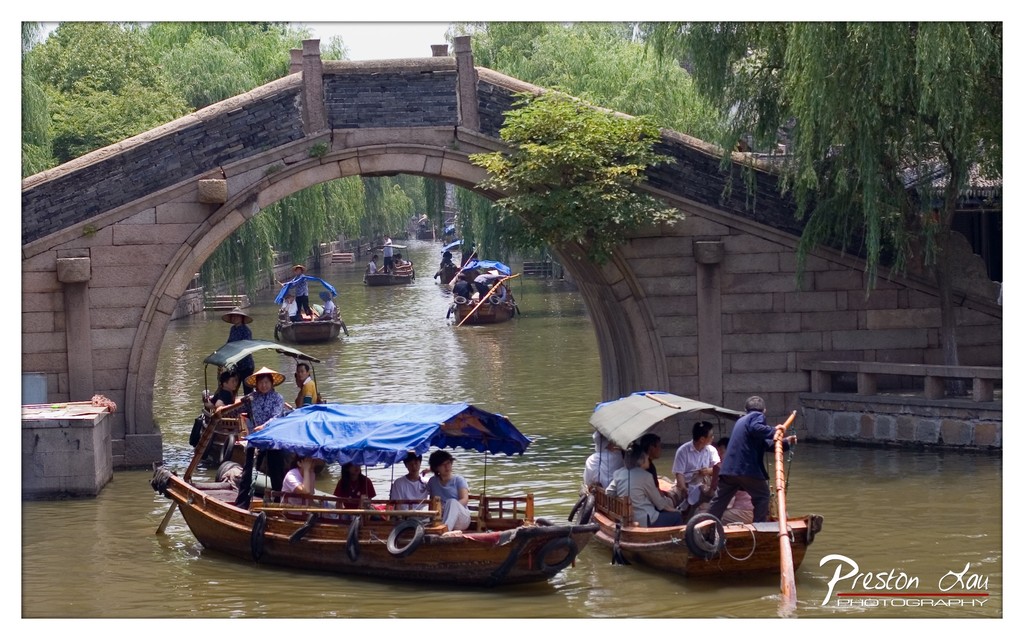
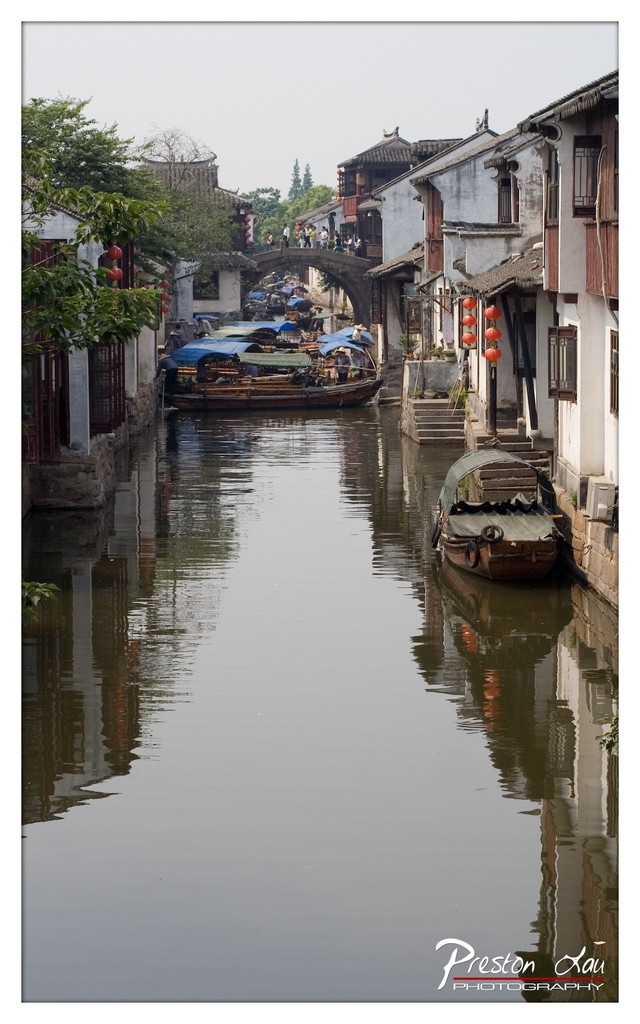
1. Overall Rating (0–10) — 8.0 This photograph captures the serene rhythm of life in a traditional water town, where history and daily activity converge beneath an ancient stone arch. The composition draws the eye through the bridge’s arch into a gently flowing canal, alive with small boats and passengers, evoking a sense of timeless tranquility. While the scene is rich in cultural texture, the slight overexposure in the sky and the cluttered foreground slightly dilute the image’s poetic clarity.
2. Composition (0–10) — 8.5 The arched bridge forms a natural frame, guiding the viewer’s gaze into the depth of the canal. The arrangement of boats creates a dynamic diagonal flow, enhancing movement and narrative. The foreground boat, with its blue canopy, anchors the image, while the weeping willows on either side add balance and softness.
3. Lighting (0–10) — 7.0 Bright daylight illuminates the scene evenly, though the sky is slightly overexposed, losing detail in the highlights. The light reflects gently off the water, enhancing the sense of calm, while the shadows beneath the bridge add depth and contrast.
4. Color & Tone (0–10) — 7.5 The palette is rich with earthy browns of the stone and wood, contrasted by the cool green of the willows and the vivid blue of the canopy. The water’s murky green adds a natural tone that enhances the authenticity of the setting, though the overall saturation feels slightly muted.
5. Creativity (0–10) — 8.0 The photographer captures a moment that feels both authentic and cinematic, using the arch as a compositional device to create a layered, story-rich scene. The choice to include multiple boats and people adds life and context, transforming the image from a simple landscape into a narrative of place and tradition.
6. Technical Quality (0–10) — 8.0 Sharp focus across the frame ensures clarity in the boats, bridge, and foliage. The depth of field is well-managed, and the image is free of significant noise or blur, with clean details visible even in the distant boats.
7. Emotional Impact (0–10) — 8.5 There is a strong sense of peace and continuity in the image—of people moving through a landscape shaped by centuries. The warmth of the scene, combined with the quiet activity of the boats, evokes nostalgia and a deep connection to cultural heritage, inviting the viewer to imagine a life lived at the water’s edge.
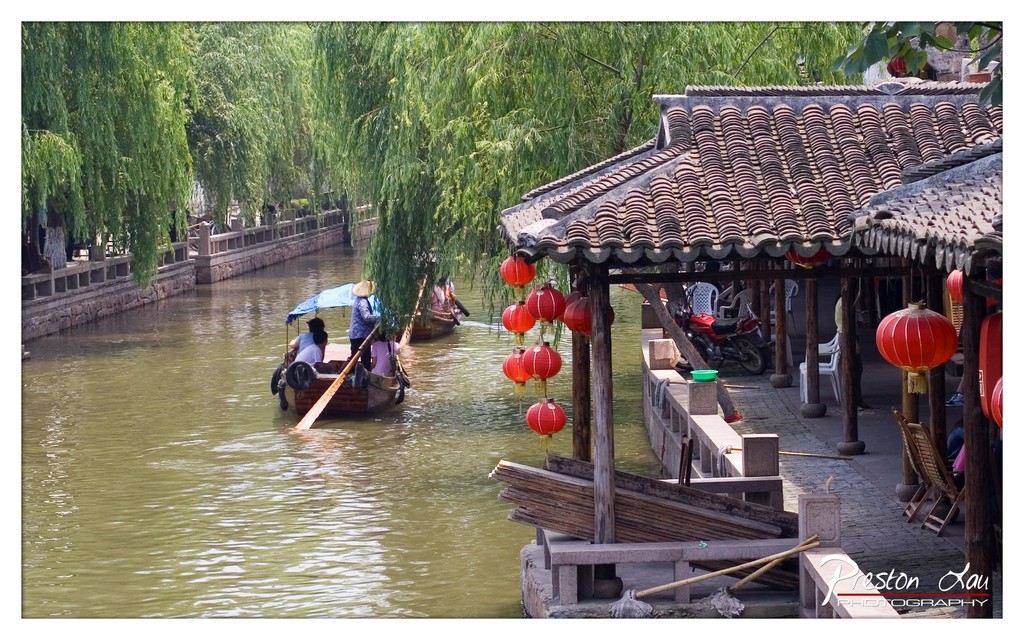
1. Overall Rating (0–10) — 7.0 This photograph captures the tranquil rhythm of a traditional water town, where life unfolds slowly along a narrow canal. The interplay of lush greenery, hanging red lanterns, and the gentle movement of boats evokes a sense of timeless serenity. While the image is rich in cultural detail and atmosphere, its slightly cluttered foreground and uneven lighting prevent it from achieving a more refined visual harmony.
2. Composition (0–10) — 6.5 The framing is off-center, with the boat on the left drawing the eye into the scene, while the right side features a strong architectural anchor. However, the foreground elements—particularly the stacked wood and chairs—create visual noise that distracts from the main subject.
3. Lighting (0–10) — 6.0 The light is soft and diffused, likely from an overcast sky, which prevents harsh shadows and creates a gentle mood. Yet, the overall exposure is slightly flat, muting the vibrancy of the red lanterns and the green foliage.
4. Color & Tone (0–10) — 6.5 The palette is dominated by earthy greens and browns, punctuated by the bright red lanterns. While the contrast between the lanterns and the muted surroundings is effective, the overall tone feels slightly desaturated, reducing the image’s visual pop.
5. Creativity (0–10) — 7.0 The photograph succeeds in capturing a slice of authentic cultural life, using the canal and lanterns as strong narrative elements. The juxtaposition of traditional architecture with modern motorbikes subtly hints at the blend of old and new, offering a layered story.
6. Technical Quality (0–10) — 7.5 The image is sharp and well-focused, particularly on the boats and the lanterns. The resolution is high, and the details in the roof tiles and water ripples are clear, though minor noise is present in the shadows.
7. Emotional Impact (0–10) — 7.0 The scene evokes a peaceful, contemplative mood, inviting the viewer to imagine the quiet sounds of oars and distant conversation. The human presence, though minimal, adds warmth and connection, making the image feel lived-in and relatable.
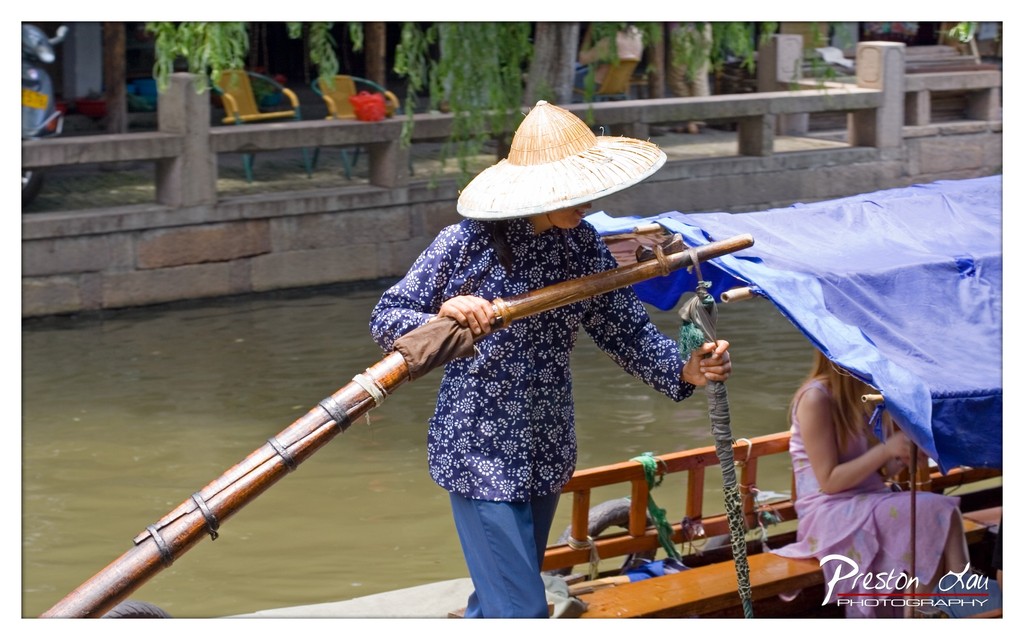
1. Overall Rating (0–10) — 7.0 This photograph captures a quiet, authentic moment of traditional canal life, where the gondolier’s focused effort contrasts with the relaxed passenger, evoking a sense of cultural continuity. The composition draws the viewer into the scene with a strong sense of place, though the framing feels slightly rushed, as if capturing a fleeting instant rather than a composed moment. The muted colors and natural lighting lend a documentary quality, balancing realism with a quiet poeticism.
2. Composition (0–10) — 6.5 The diagonal line of the pole creates dynamic tension, guiding the eye through the frame, while the subject is well-placed but slightly cropped at the edges. The background elements—benches, railings, and foliage—add context but clutter the scene slightly, reducing focus on the central figures.
3. Lighting (0–10) — 6.0 Natural daylight illuminates the scene evenly, with soft shadows suggesting an overcast or midday sky. While the light is functional and clear, it lacks dramatic contrast or warmth, resulting in a somewhat flat visual tone.
4. Color & Tone (0–10) — 6.5 The blue of the canopy and the gondolier’s shirt create a pleasing complementary contrast, while the greenish water and earthy tones ground the image in a natural palette. The colors are balanced but not vivid, lending a subdued, almost nostalgic mood.
5. Creativity (0–10) — 7.0 The image captures a culturally rich moment with authenticity and narrative depth. The juxtaposition of traditional labor and modern leisure offers a subtle commentary on time and change, elevating it beyond a simple travel snapshot.
6. Technical Quality (0–10) — 7.5 The image is sharp and well-focused, with clear detail in the textures of the bamboo pole, fabric, and water. The exposure is balanced, and the depth of field appropriately isolates the subject from the background.
7. Emotional Impact (0–10) — 6.5 The photograph conveys a sense of quiet dignity and routine, inviting the viewer to reflect on the unseen labor behind tourist experiences. While emotionally resonant, it remains somewhat observational, leaving the viewer as a witness rather than a participant.
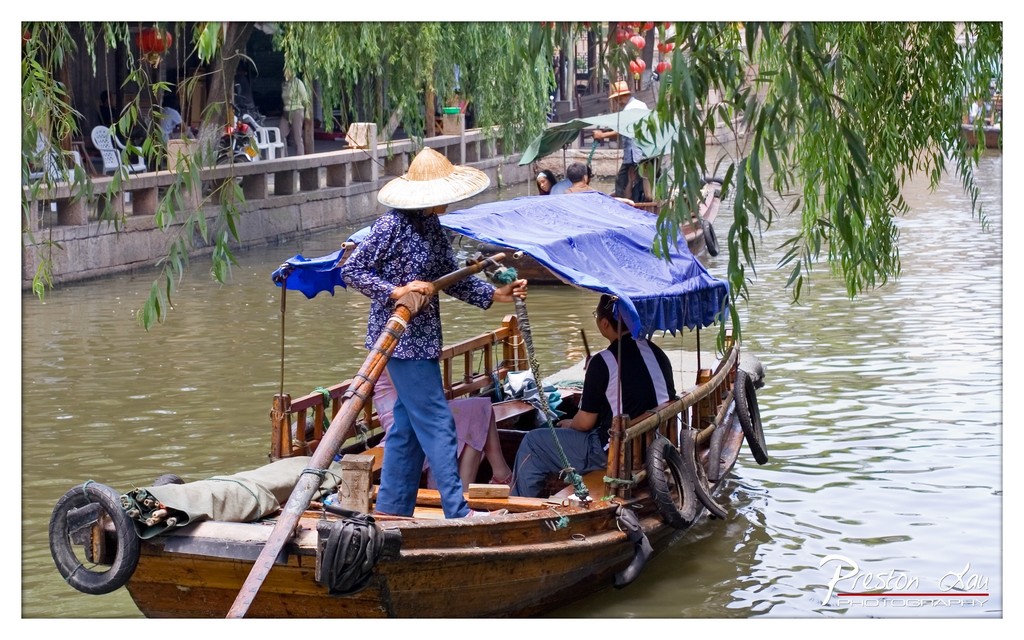
1. Overall Rating (0–10) — 7.0 This photograph captures a vivid slice of life along a traditional waterway, where the rhythm of daily activity unfolds under a canopy of weeping willow branches. The composition draws the viewer into the scene with a sense of immediacy, anchored by the boatman’s poised stance and the gentle motion of the water. While the image is rich in cultural texture and narrative potential, the slightly cluttered background and overhanging foliage compete for attention, slightly diluting the focus on the central figures.
2. Composition (0–10) — 6.5 The framing is dynamic, with the willow branches creating a natural frame that draws the eye toward the boat. The boatman is well-placed, but the inclusion of multiple boats and people in the background creates visual noise, disrupting the scene’s clarity.
3. Lighting (0–10) — 6.0 Natural daylight illuminates the scene evenly, but the overcast quality softens the contrast and diminishes the vibrancy of colors. The shadows are minimal, giving the image a somewhat flat appearance despite the rich textures.
4. Color & Tone (0–10) — 6.5 The palette is grounded in earthy tones—browns of the wood, the muted blue of the canopy, and the green of the foliage—creating a harmonious yet subdued atmosphere. The blue canopy stands out, offering a focal point, but the overall tonal range lacks depth.
5. Creativity (0–10) — 7.0 The image successfully captures a candid moment of everyday life with cultural authenticity. The interplay between the human element and the natural surroundings gives it a storytelling quality, though it remains more observational than conceptually bold.
6. Technical Quality (0–10) — 7.5 The image is sharp and well-focused, particularly on the boatman and the wooden boat. The watermark is subtle, and the exposure is balanced, with no significant technical flaws.
7. Emotional Impact (0–10) — 6.5 There is a quiet dignity in the boatman’s posture and the calm of the waterway, evoking a sense of timelessness. While the emotional resonance is present, the lack of strong lighting and a more focused composition keeps the viewer from fully immersing in the moment.
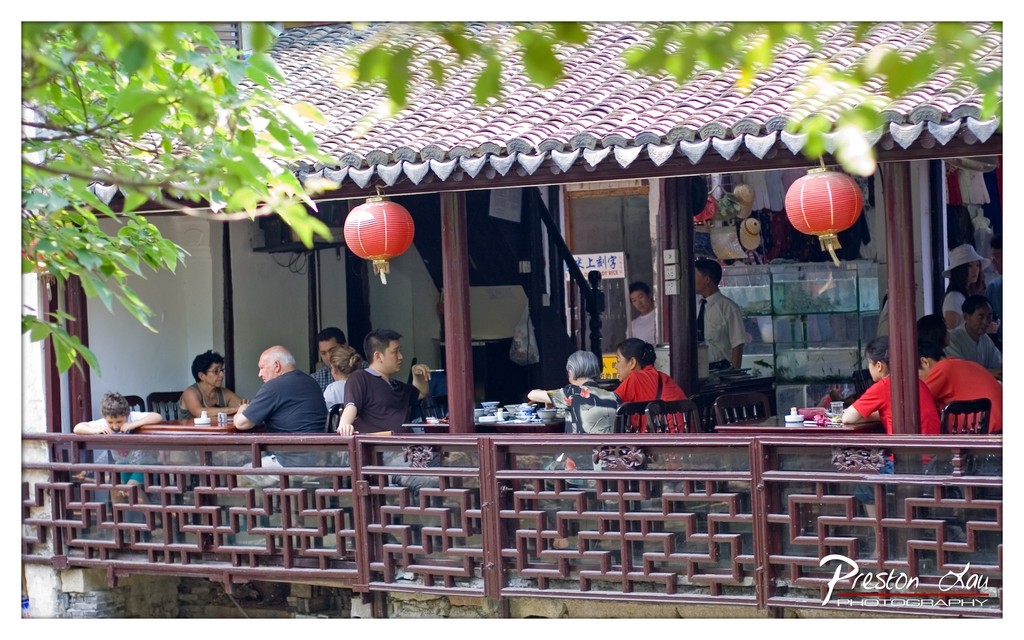
1. Overall Rating (0–10) — 7.0 This photograph captures a lively, authentic moment in a traditional Chinese teahouse, where daily life unfolds beneath a tiled roof and red lanterns. The composition draws the viewer into a bustling yet intimate scene, blending cultural detail with candid human interaction. While the image is rich in atmosphere and narrative potential, its slightly cluttered framing and flat lighting prevent it from achieving greater visual cohesion.
2. Composition (0–10) — 6.5 The frame is balanced by the ornate wooden railing and overhanging foliage, which add depth and framing. However, the scattered placement of people and objects creates visual busyness, with the left side slightly more crowded than the right, leading to an uneven distribution of visual weight.
3. Lighting (0–10) — 6.0 Natural daylight illuminates the scene evenly, but the overhead canopy and tree cover result in soft, diffused light with minimal contrast. While this avoids harsh shadows, it also flattens the image’s dimensionality and reduces the warmth of the red lanterns.
4. Color & Tone (0–10) — 7.0 The dominant red of the lanterns creates a strong focal point and cultural resonance, complemented by the earthy tones of the wood and the green of the leaves. The color palette is harmonious and evocative, though the overall saturation is slightly muted, softening the visual impact.
5. Creativity (0–10) — 7.5 The image succeeds in capturing a slice of everyday life with authenticity and cultural specificity. The juxtaposition of traditional architecture with modern patrons offers a subtle commentary on continuity and change, giving the photograph a narrative depth beyond mere documentation.
6. Technical Quality (0–10) — 7.5 The photograph is sharp and clear, with fine detail visible in the railing and background. The focus is consistent across the midground, and the exposure is well-managed, though minor noise in the shadow areas slightly reduces image clarity.
7. Emotional Impact (0–10) — 7.0 The scene evokes a sense of warmth and community, inviting the viewer to imagine the sounds and conversations within the teahouse. The candid expressions and relaxed postures convey a feeling of contentment and shared experience, making the image emotionally engaging despite its modest technical polish.
The history of Zhouzhuang stretches back through centuries; in the Spring and Autumn Period (770 - 476 BC), it was a part of the fief Yaocheng and known as Zhenfengli. Its current name, Zhouzhuang, came into being in 1086 during the Northern Song Dynasty (960 - 1127), named as a memorial to Zhou Digong, a very devout Buddhist, who donated the area to the Full Fortune (Quanfu) Temple. This deep history is visibly preserved in its architecture; within an area of just half a square kilometer (124 acres), a remarkable 60 percent of Zhouzhuang's structures were built during the Ming and Qing Dynasties, which spans from 1368 to 1911. This means you are walking among buildings that are centuries old, showcasing the traditional architecture of a bygone era.
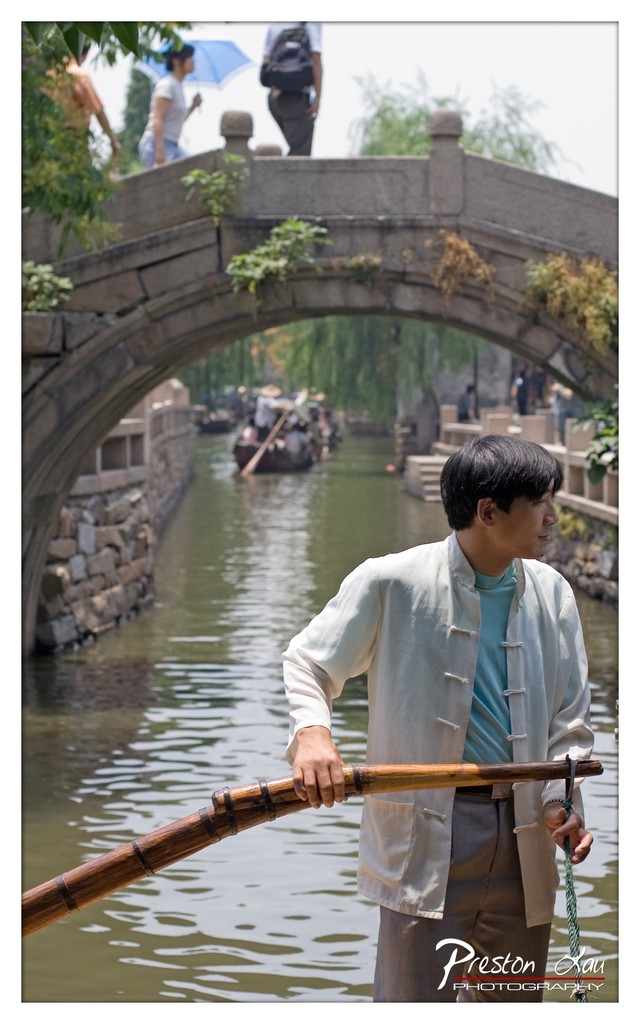
1. Overall Rating (0–10) — 7.0 This photograph captures the tranquil essence of a traditional waterway, where history and daily life intersect under a soft, diffused sky. The man in the foreground, poised with his pole, anchors the image with quiet dignity, while the arched stone bridge and distant boat add layers of depth and narrative. The composition balances cultural authenticity with a sense of stillness, though the slightly overexposed sky and cluttered background slightly detract from its visual harmony.
2. Composition (0–10) — 7.5 The arched bridge creates a natural frame, drawing the eye toward the canal and the figures beyond. The man in the foreground is well-placed, offering a strong focal point, while the diagonal of the pole adds dynamic tension. The background is slightly busy, but the layered elements maintain a sense of depth.
3. Lighting (0–10) — 6.5 The light is soft and even, suggesting an overcast day, which minimizes harsh shadows and enhances the calm mood. However, the sky is slightly overexposed, losing detail in the upper portion of the frame, which weakens the overall tonal balance.
4. Color & Tone (0–10) — 7.0 The palette is muted yet harmonious, with earthy tones in the stone and water complementing the soft white and teal of the man’s clothing. The green of the foliage provides a gentle contrast, and the overall tonal range feels natural, though it lacks vibrancy.
5. Creativity (0–10) — 7.5 The image successfully blends documentary realism with artistic framing, capturing a moment that feels both candid and composed. The use of the bridge as a natural frame and the inclusion of layered activity in the background suggest a narrative beyond the immediate scene.
6. Technical Quality (0–10) — 7.5 The focus is sharp on the man and the foreground, with sufficient detail in the textures of the clothing and wood. The image is well-exposed overall, though the overexposed sky and slight softness in the background suggest room for improvement in dynamic range.
7. Emotional Impact (0–10) — 7.0 There’s a quiet contemplative quality to the scene, evoking a sense of timelessness and cultural continuity. The man’s calm demeanor and the peaceful setting invite reflection, though the emotional resonance is slightly tempered by the visual distractions in the background.
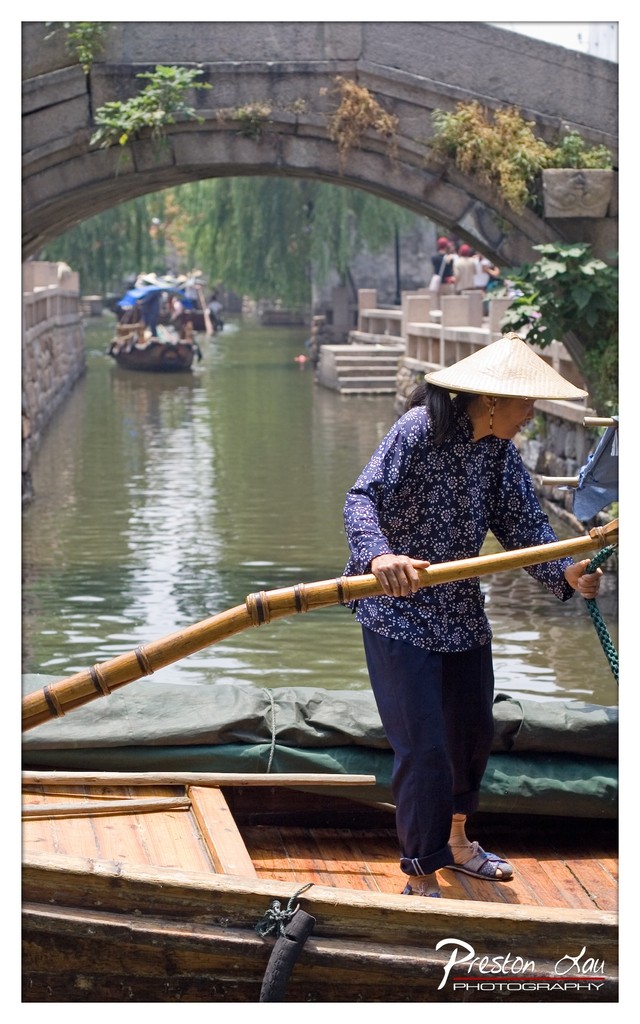
1. Overall Rating (0–10) — 7.5 This photograph captures the timeless rhythm of life along a traditional Chinese waterway, where the gondolier’s quiet labor is framed by the enduring stone arch of a bridge. The composition draws the viewer into a living tableau of culture and movement, with the bamboo pole and conical hat serving as powerful symbols of heritage. While the image’s authenticity and atmosphere are compelling, a more dynamic angle or tighter framing could elevate its visual impact beyond that of a well-executed snapshot.
2. Composition (0–10) — 7.0 The stone arch creates a natural frame, guiding the eye through the canal toward the distant boat and weeping willows. The gondolier is placed off-center, lending a sense of movement and narrative, though the wide perspective slightly dilutes the focus on the subject.
3. Lighting (0–10) — 7.0 Soft, diffused daylight enhances the scene’s serenity, casting gentle reflections on the water and avoiding harsh shadows. The light supports the tranquil mood, though a touch more contrast could deepen the sense of depth.
4. Color & Tone (0–10) — 7.5 The palette is rich yet restrained—deep blues of the woman’s clothing contrast beautifully with the earthy greens and browns of the canal and bridge. The overall tone is natural and harmonious, with subtle warmth that complements the historical atmosphere.
5. Creativity (0–10) — 7.0 The image successfully blends documentary realism with artistic framing, capturing a moment that feels both authentic and composed. The use of the arch as a natural vignette adds a layer of visual storytelling, though the concept remains familiar within the genre of cultural landscape photography.
6. Technical Quality (0–10) — 8.0 Sharp focus on the gondolier and clear detail in the textures of wood, water, and stone demonstrate strong technical execution. The exposure is well-balanced, with no obvious flaws in focus or noise.
7. Emotional Impact (0–10) — 7.5 The photograph evokes a sense of quiet dignity and continuity, inviting the viewer to reflect on the enduring traditions of canal life. The subject’s focused expression and the calm water create a meditative stillness that resonates emotionally.
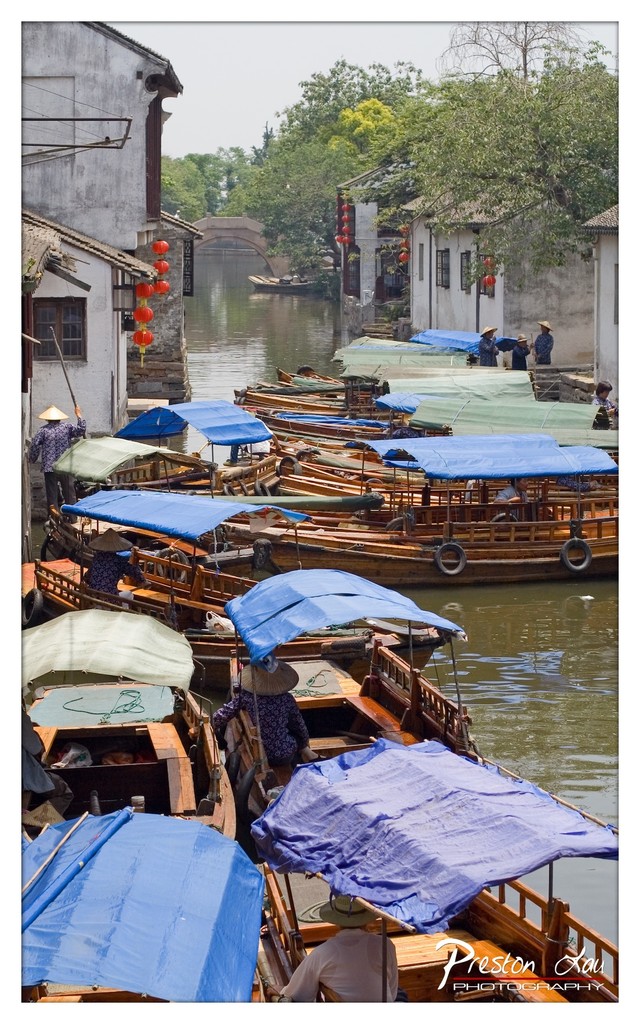
1. Overall Rating (0–10) — 7.5 This photograph captures the serene rhythm of a traditional water town, where time seems to move at the pace of the canal’s gentle flow. The convergence of weathered architecture, colorful boats, and human activity creates a vivid narrative of daily life, grounded in cultural authenticity. While the image is rich in detail and atmosphere, the slightly overcast lighting and cluttered foreground temper its visual elegance, keeping it from achieving a fully polished aesthetic.
2. Composition (0–10) — 7.0 The scene is framed with a strong sense of depth, drawing the eye from the foreground boats toward the arched bridge in the distance. The diagonal lines of the boats and the canal create dynamic movement, while the placement of the figures adds narrative weight. However, the tight packing of boats in the foreground slightly disrupts visual flow, creating a sense of congestion.
3. Lighting (0–10) — 6.0 The soft, diffused light of an overcast day evenly illuminates the scene, minimizing harsh shadows and allowing for rich detail in the textures of the boats and buildings. While this contributes to a calm mood, it also flattens the image slightly, reducing the contrast and atmospheric drama that might otherwise elevate the composition.
4. Color & Tone (0–10) — 7.0 The palette is dominated by the earthy browns of the wooden boats, punctuated by vibrant blue tarps and the occasional red lanterns, which serve as strong visual accents. The muted tones of the buildings and water create a cohesive, harmonious backdrop, while the subtle variation in blue hues adds visual interest without overwhelming the scene.
5. Creativity (0–10) — 7.5 The photographer captures a moment of quiet authenticity, transforming a seemingly mundane scene into a compelling cultural portrait. The inclusion of people in traditional attire and the layered arrangement of boats suggest a living, breathing environment, offering a narrative beyond mere documentation.
6. Technical Quality (0–10) — 8.0 The image is sharp and clear, with fine detail visible in the boats, clothing, and architectural elements. The focus is consistent across the frame, and the resolution is high, allowing the viewer to appreciate the textures and craftsmanship of the scene.
7. Emotional Impact (0–10) — 7.0 There is a quiet sense of nostalgia and tranquility in the image, evoking a longing for slower, more connected ways of life. The presence of people, though small, grounds the scene in human experience, inviting viewers to imagine the sounds and rhythms of this water town. While the emotional resonance is strong, it remains restrained, leaving room for deeper interpretation.
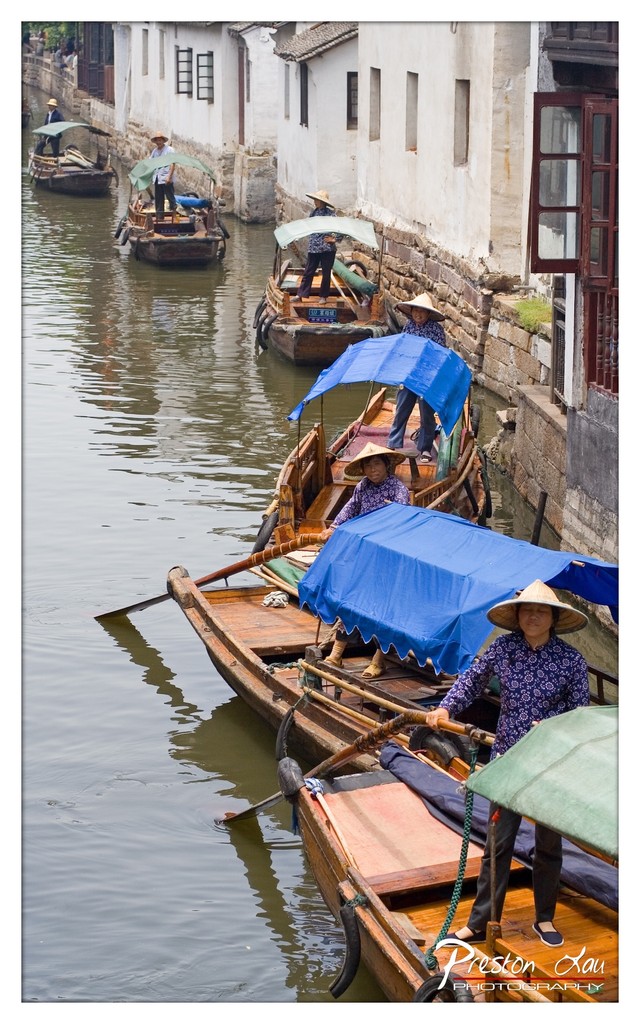
1. Overall Rating (0–10) — 7.5 This photograph captures the timeless rhythm of life along a traditional waterway, where wooden boats and conical-hatted boatmen weave through a narrow canal flanked by weathered white walls. The scene exudes a quiet authenticity, blending cultural heritage with daily function, and the layered composition draws the eye through a cascade of boats toward the distant village. While the lighting is somewhat flat and the colors are restrained, the image succeeds in conveying a sense of place and continuity—less a polished portrait and more a vivid glimpse into a living tradition.
2. Composition (0–10) — 8.0 The diagonal progression of boats creates a strong leading line, guiding the viewer’s gaze from foreground to background and adding depth. The framing captures both the intimate scale of the boats and the architectural context of the canal, though the right edge feels slightly crowded with the overhanging window.
3. Lighting (0–10) — 6.0 Diffuse daylight provides even illumination, avoiding harsh shadows and preserving detail in both the boats and the buildings. However, the lack of strong directional light or golden-hour warmth results in a somewhat muted and neutral mood.
4. Color & Tone (0–10) — 7.0 The dominant cool tones of the water and white walls are balanced by the vibrant blue and green awnings, which serve as visual anchors. The purples of the boatmen’s clothing add subtle warmth, creating a harmonious palette that enhances the image’s cultural authenticity.
5. Creativity (0–10) — 7.5 The photographer captures a scene rich in narrative potential, presenting a slice of daily life with minimal interference. The use of natural elements—boats, water, and architecture—combined with the human presence, creates a compelling story without staged artifice.
6. Technical Quality (0–10) — 8.0 Sharp focus across the frame ensures clarity in both the foreground and background. The exposure is well-balanced, with no significant loss of detail in highlights or shadows, and the watermark is discreetly placed.
7. Emotional Impact (0–10) — 7.0 The image evokes a sense of calm and continuity, inviting the viewer to reflect on the enduring traditions of waterborne transport. The direct gaze of the woman in the foreground creates a subtle connection, grounding the scene in human presence and dignity.
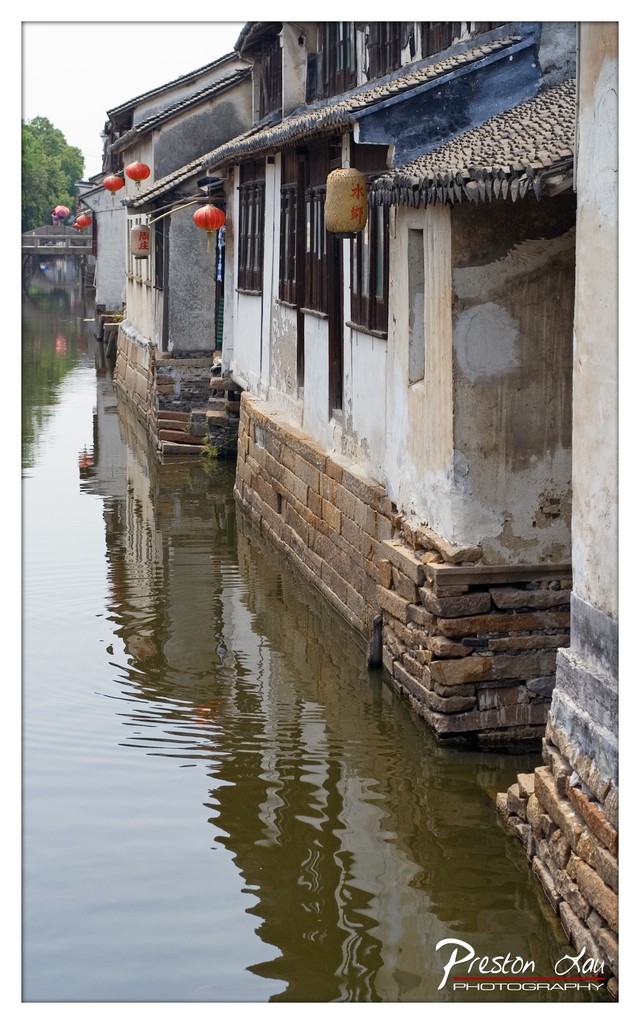
1. Overall Rating (0–10) — 7.5 This photograph captures the serene essence of a traditional Chinese water town, where time seems to slow along the canal’s edge. The weathered textures of the stonework and aged facades, paired with the soft reflections in the water, create a meditative atmosphere. While the composition is strong and the mood evocative, the slightly overcast lighting and muted tones hold back the image’s full visual potential, keeping it from achieving a truly luminous quality.
2. Composition (0–10) — 8.0 The strong leading line of the canal draws the eye into the frame, with the buildings forming a natural, rhythmic structure along the right. The placement of the red lanterns adds vertical accents and cultural context, while the reflections enhance depth and symmetry.
3. Lighting (0–10) — 6.5 The soft, diffused light from an overcast sky minimizes harsh shadows and allows for even exposure across the scene. However, the lack of directional light limits contrast and depth, giving the image a slightly flat appearance.
4. Color & Tone (0–10) — 6.0 The palette is dominated by muted grays and earthy tones, with the red lanterns providing a subtle but effective pop of color. While the tones are harmonious, they lack vibrancy and richness, dampening the visual energy.
5. Creativity (0–10) — 7.0 The photographer captures a familiar subject with a thoughtful eye, using composition and reflection to elevate the scene beyond simple documentation. The inclusion of cultural elements like the lanterns adds narrative depth and authenticity.
6. Technical Quality (0–10) — 8.0 The image is sharp and well-focused, with clean detail visible in the stonework and architectural textures. The exposure is balanced, and the image is free of technical flaws.
7. Emotional Impact (0–10) — 7.5 There is a quiet melancholy and nostalgia in the scene, evoked by the weathered buildings and still water. The viewer is invited to imagine the lives once lived along this canal, creating a sense of timelessness and contemplation.
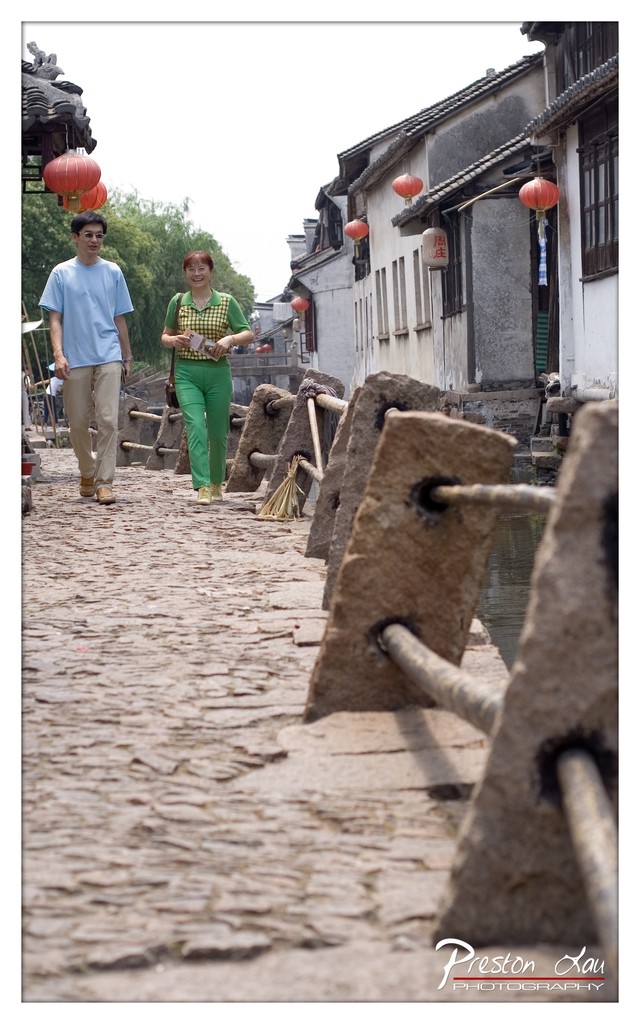
1. Overall Rating (0–10) — 7.0 This photograph captures the serene charm of a traditional Chinese water town, where time seems to move at a slower pace. The cobblestone path and stone railings lead the eye toward a couple strolling through the scene, their presence adding a human element to the historic setting. While the image successfully conveys a sense of place, the overcast lighting and slightly cluttered foreground reduce its visual impact, preventing it from achieving greater elegance.
2. Composition (0–10) — 7.5 The low-angle perspective and leading lines of the cobblestones and railings guide the viewer’s gaze effectively into the frame. The couple is well-placed, providing a natural focal point, though the foreground elements slightly interrupt the flow.
3. Lighting (0–10) — 5.5 The diffuse, overcast light softens shadows and flattens the scene, lending a muted quality to the image. While it avoids harsh contrasts, it also diminishes the richness of textures and colors.
4. Color & Tone (0–10) — 6.0 The palette is dominated by earthy tones—gray stone, beige cobblestones, and the soft blue and green of the couple’s clothing. The red lanterns provide a subtle pop of color, but the overall tone remains subdued and slightly washed out.
5. Creativity (0–10) — 6.5 The image offers a strong narrative of cultural heritage and daily life, using the couple’s interaction and the setting to tell a quiet story. However, the execution lacks bold stylistic choices, leaning more toward documentation than artistic interpretation.
6. Technical Quality (0–10) — 7.0 The focus is sharp across the scene, and the details of the cobblestones and railings are well-defined. The depth of field is appropriately managed, though the slightly cluttered foreground detracts from the overall clarity.
7. Emotional Impact (0–10) — 6.5 The photograph evokes a sense of calm and nostalgia, inviting the viewer to imagine life in a traditional water town. The human element adds warmth, but the muted atmosphere keeps the emotional resonance from fully resonating.
The defining feature of Zhouzhuang is its intimate relationship with water. The town is completely surrounded by water, with a network of canals serving as the main arteries, replacing bustling streets with tranquil waterways. This provides elegant watery views at every turn. The town is interconnected by classical bridges, each with its own design and history, gracefully arching over the canals. Exploring Zhouzhuang involves walking along the narrow lanes that border these waterways, or, for a truly authentic experience, taking a boat ride through the canals, allowing you to appreciate the town's architecture and daily life from the water perspective. This waterway transport system remains an integral part of the town's character.
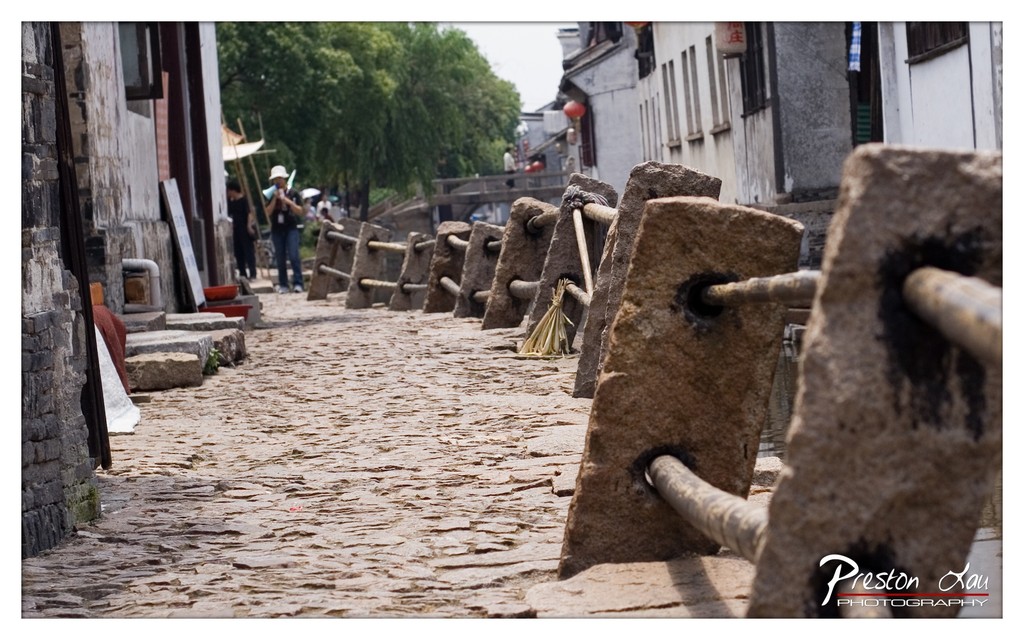
1. Overall Rating (0–10) — 7.0 This photograph captures the quiet charm of a traditional Chinese water town, where time seems to slow along the weathered cobblestones and ancient stone barriers. The low-angle perspective draws the viewer into the scene, emphasizing texture and history, while the soft natural light enhances the authenticity of the moment. Though slightly overexposed in the background, the image successfully conveys a sense of place and lived-in tranquility.
2. Composition (0–10) — 7.5 The diagonal line of stone barriers leads the eye into the frame, creating strong leading lines that guide the viewer through the scene. The foreground elements are well-balanced, with the large stone block in the right foreground providing visual weight and depth.
3. Lighting (0–10) — 6.5 Natural daylight illuminates the scene evenly, though the sky appears slightly blown out, reducing detail in the background. The soft, diffused light enhances texture without creating harsh shadows, contributing to the calm mood.
4. Color & Tone (0–10) — 6.0 The palette is dominated by earthy browns and grays, reinforcing the aged, rustic character of the setting. While the colors are natural and harmonious, they lack vibrancy, giving the image a muted, almost documentary feel.
5. Creativity (0–10) — 7.0 The photographer uses a low-angle perspective and strong leading lines to transform a simple street scene into a visually engaging narrative. The inclusion of subtle human activity adds life without disrupting the contemplative atmosphere.
6. Technical Quality (0–10) — 7.5 Sharp focus is maintained across the foreground and midground, with clear detail in the cobblestones and stone blocks. The image is well-exposed overall, though slight overexposure in the sky reduces tonal range.
7. Emotional Impact (0–10) — 7.0 The image evokes a sense of nostalgia and quiet contemplation, inviting the viewer to imagine the stories behind the weathered stones and narrow alley. The human presence in the background adds a touch of warmth and connection to the past.
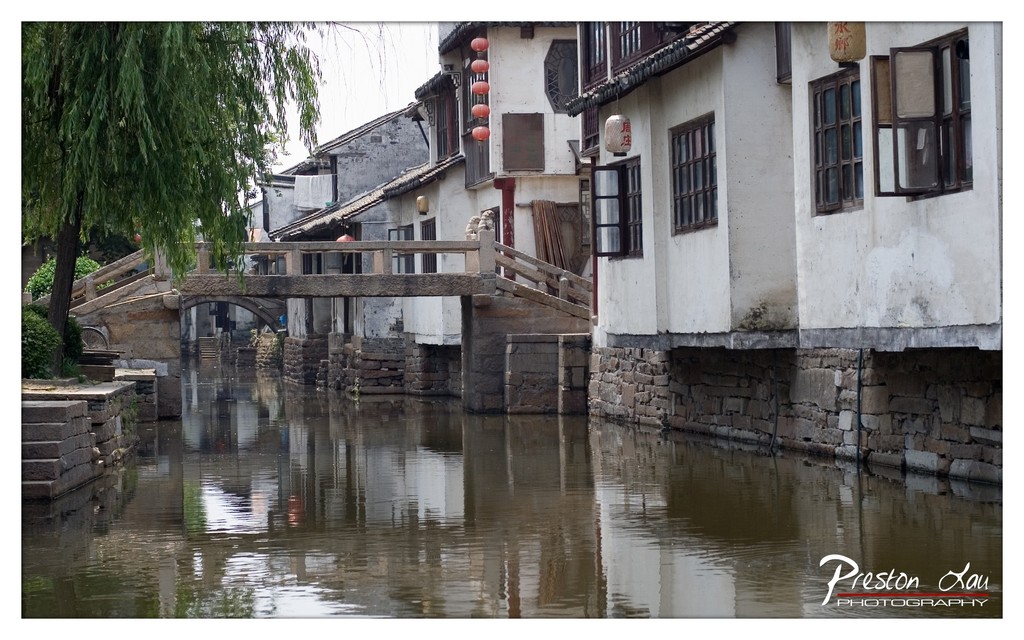
1. Overall Rating (0–10) — 7.0 This photograph captures the tranquil essence of a traditional Chinese water town, where time seems to move slowly beneath the arch of a weathered stone bridge. The muted palette and soft light lend a contemplative mood, while the reflections in the water deepen the sense of stillness. Though the image is visually rich, it is slightly hindered by a lack of dynamic contrast and a composition that feels somewhat passive, holding back its full potential to captivate.
2. Composition (0–10) — 6.5 The framing balances the bridge and buildings well, with the stone arch creating a natural leading line into the scene. However, the overhanging tree on the left slightly disrupts the symmetry and draws attention away from the central subject.
3. Lighting (0–10) — 6.0 The diffused, overcast light creates even illumination, minimizing harsh shadows and enhancing the calm atmosphere. While effective for mood, it also reduces tonal depth and diminishes the texture of the stone and wood.
4. Color & Tone (0–10) — 6.5 The colors are restrained and natural—whites, grays, and earthy browns dominate, with subtle pops of red from the lanterns adding visual interest. The overall tonal range is soft, lending a muted, almost monochromatic quality that fits the scene but lacks vibrancy.
5. Creativity (0–10) — 7.0 The photographer captures a timeless, authentic moment, emphasizing the harmony between architecture and water. The use of reflections and traditional elements like lanterns and stone bridges adds cultural depth, making the image feel both documentary and poetic.
6. Technical Quality (0–10) — 7.5 The image is sharp and well-focused, with clear details in the stonework and textures of the buildings. The exposure is balanced, and the slight haze of the overcast sky does not detract from clarity.
7. Emotional Impact (0–10) — 7.0 The photograph evokes a quiet nostalgia and serenity, inviting the viewer to pause and reflect on the beauty of everyday, unassuming places. The stillness of the water and the aged structures create a meditative, almost melancholic mood that lingers.
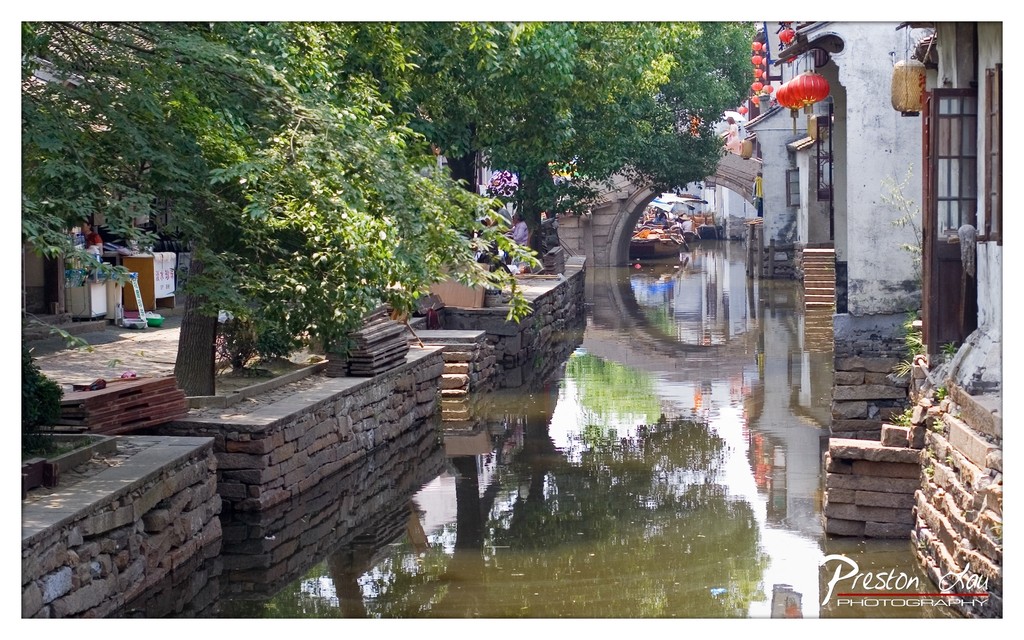
1. Overall Rating (0–10) — 7.5 This photograph captures the tranquil charm of a traditional water town, where history and daily life unfold along a narrow canal. The interplay of natural light, reflective water, and architectural detail creates a harmonious and evocative scene. While the composition is strong and the mood is serene, the slightly cluttered foreground and overexposed highlights prevent it from achieving a more refined aesthetic.
2. Composition (0–10) — 7.0 The canal draws the eye into the frame, leading toward the arched bridge and creating a natural sense of depth. The placement of the tree on the left balances the composition, though the stacked wooden planks and scattered objects in the lower-left corner introduce visual distraction.
3. Lighting (0–10) — 7.5 Bright, natural sunlight enhances the scene’s clarity and vibrancy, casting soft shadows and illuminating the lush greenery. The reflections on the water add dimension, though some areas, particularly the sky and roofline, show signs of overexposure.
4. Color & Tone (0–10) — 7.0 The palette is rich and varied, with the deep greens of the trees, the warm terracotta of the lanterns, and the cool grays of the stone creating a balanced contrast. The overall tone is bright and lively, though the high-key exposure slightly flattens the color depth in the highlights.
5. Creativity (0–10) — 7.5 The image successfully captures the cultural essence of a historic canal town, blending tradition with subtle signs of modern life. The inclusion of the boat and lanterns adds narrative depth, offering a glimpse into the rhythm of daily life in this setting.
6. Technical Quality (0–10) — 7.5 The photograph is sharp and well-focused, with clean detail in the textures of the stone walls and water surface. The exposure is generally well-handled, though the highlights could have been slightly more controlled to preserve detail in the brightest areas.
7. Emotional Impact (0–10) — 7.0 The scene evokes a sense of peace and nostalgia, inviting the viewer to imagine strolling along the canal or watching a boat pass under the bridge. The quiet beauty of the setting resonates with a timeless, contemplative mood.
Beyond the scenery, Zhouzhuang is celebrated for its strong local colored traditions and customs. As you wander through the town, you can get a glimpse of local life unfolding – seeing residents going about their daily routines, perhaps witnessing traditional crafts being practiced, or encountering small markets selling local goods. This strong sense of local culture adds depth to the visit, making it more than just a visual experience.
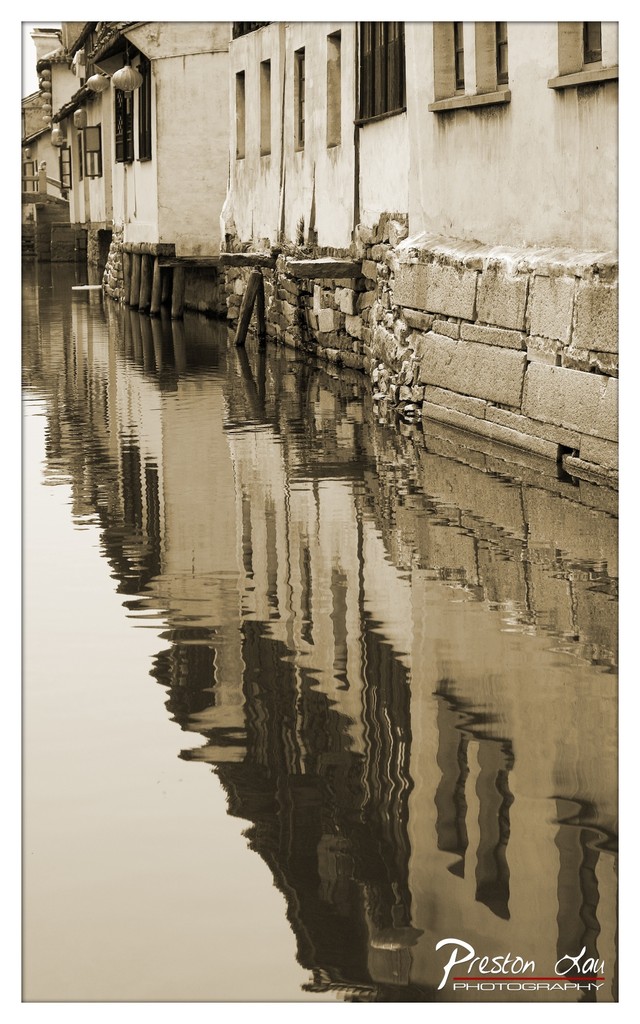
1. Overall Rating (0–10) — 7.5 This photograph evokes a timeless, contemplative mood through its sepia-toned palette and the quiet symmetry of a water-bound village. The reflections in the canal create a dreamlike duality, doubling the architectural forms and enhancing the sense of stillness. While the image’s emotional resonance is strong, the slightly soft focus and lack of dynamic contrast keep it from reaching its full artistic potential.
2. Composition (0–10) — 8.0 The strong leading lines of the canal and the vertical alignment of the buildings create a balanced, harmonious composition. The reflection acts as a natural mirror, reinforcing symmetry and drawing the eye into the depth of the scene. The framing effectively captures the essence of a traditional water town.
3. Lighting (0–10) — 7.0 The soft, diffused light enhances the sepia tones and contributes to the calm, nostalgic atmosphere. The even lighting minimizes harsh shadows, allowing the textures of the stone and water to emerge subtly. While the light is gentle, it lacks dramatic contrast, slightly diminishing the image’s visual impact.
4. Color & Tone (0–10) — 8.0 The sepia treatment gives the image a unified, vintage quality, with a rich gradient from light cream to deep brown. The tonal range is smooth and cohesive, enhancing the sense of age and tranquility. The absence of color is intentional and effective, allowing the textures and shapes to take center stage.
5. Creativity (0–10) — 7.5 The use of reflection as a compositional and thematic device is a thoughtful and poetic choice. The monochromatic approach, while common, is executed with purpose, transforming a simple street scene into a meditative visual poem. The photographer’s intent to evoke nostalgia is clearly realized.
6. Technical Quality (0–10) — 7.5 The image is sharp in the mid-ground, with clear details in the stonework and reflections. The water’s surface shows subtle ripples that add texture without disrupting the clarity. There is no visible noise or distortion, indicating solid technical execution.
7. Emotional Impact (0–10) — 8.0 The photograph resonates with a quiet melancholy and a sense of timelessness, inviting the viewer to pause and reflect. The interplay of light, water, and architecture evokes a deep emotional connection to place and memory, making the image both visually and emotionally compelling.
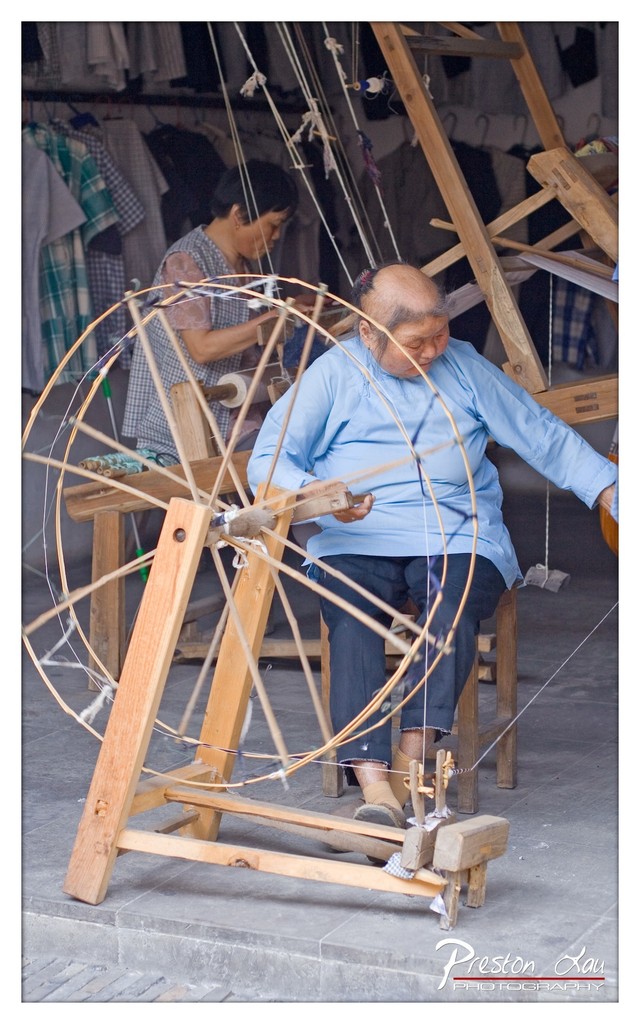
1. Overall Rating (0–10) — 7.5 This photograph captures a quiet moment of traditional craftsmanship, where the rhythm of handwork becomes a visual meditation. The foreground spinner, focused and immersed in her task, anchors the image with a sense of timelessness, while the second figure in the background adds depth and context without distracting. The natural lighting and candid composition lend authenticity, though the slight clutter in the background and soft focus on the secondary subject slightly diminish the image’s compositional clarity.
2. Composition (0–10) — 7.0 The foreground spinner is well-placed, with the wooden wheel creating a natural frame that draws the eye inward. The diagonal lines of the loom and the second weaver add visual interest, though the overlapping elements create a slightly busy feel. A tighter crop could improve balance and emphasize the central figure.
3. Lighting (0–10) — 7.5 Natural, diffused light softly illuminates the scene, highlighting the textures of the wood, thread, and fabric. The subtle shadows enhance depth without creating harsh contrasts, supporting the calm, contemplative mood.
4. Color & Tone (0–10) — 7.0 The palette is warm and cohesive, dominated by earthy wood tones and soft blues, with a touch of green in the background clothing. The muted tones enhance the traditional atmosphere, though a slightly richer saturation could elevate the visual warmth.
5. Creativity (0–10) — 8.0 The image succeeds in capturing a living tradition with authenticity and respect. The interplay of motion, texture, and cultural context reflects thoughtful storytelling, offering a glimpse into a fading craft with quiet dignity.
6. Technical Quality (0–10) — 8.0 The focus is sharp on the foreground spinner, with clean detail in the hands and loom. The exposure is balanced, and the image remains free of distracting noise, indicating strong technical execution.
7. Emotional Impact (0–10) — 8.5 There’s a deep sense of dedication and quiet resilience in the spinner’s expression and posture. The viewer is invited into a world of patience and skill, evoking reverence for tradition and the dignity of labor.
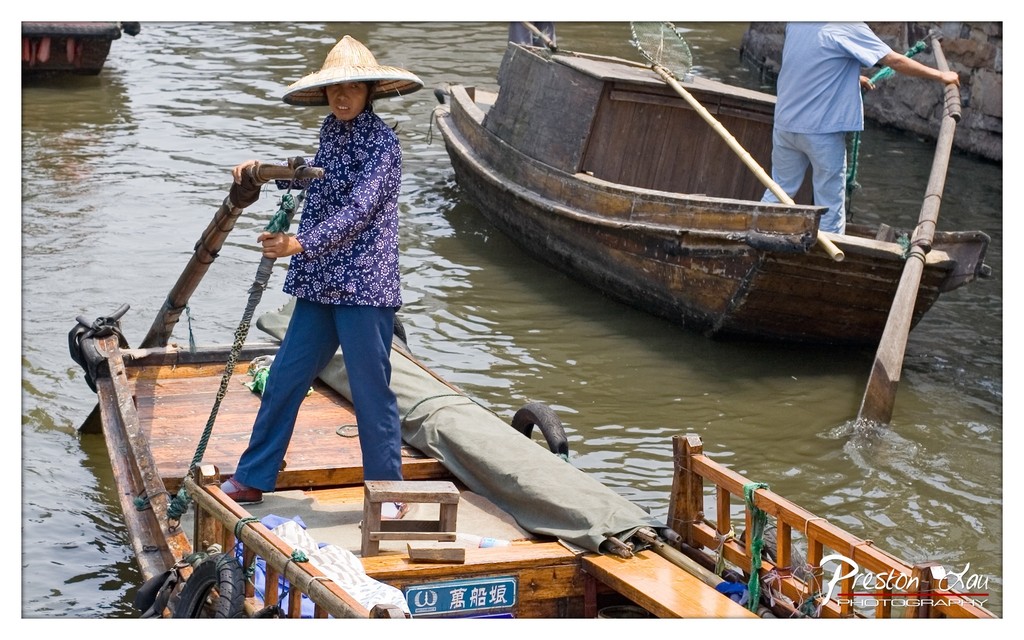
1. Overall Rating (0–10) — 7.0 This photograph captures a vivid moment of daily life on a waterway, where tradition and labor intertwine in a quiet, unposed scene. The woman’s focused expression and the weathered textures of the boats lend authenticity and narrative depth. While the composition is strong, the slightly cluttered foreground and flat lighting prevent it from achieving a more refined visual harmony.
2. Composition (0–10) — 6.5 The central figure is well-framed, drawing the eye with her poised stance, though the overlapping boats and railings create visual clutter. A tighter crop would emphasize the subject and reduce distractions.
3. Lighting (0–10) — 6.0 Natural daylight illuminates the scene evenly but without dramatic contrast, resulting in a somewhat flat appearance. The light highlights textures but lacks directionality to create depth.
4. Color & Tone (0–10) — 6.5 The earthy tones of the boats and water contrast with the woman’s blue patterned shirt, creating visual interest. The color palette feels authentic, though slightly muted, with a subtle warmth that enhances the scene’s rustic mood.
5. Creativity (0–10) — 7.0 The image succeeds in capturing a candid cultural moment, offering a glimpse into a way of life. Its strength lies in its observational honesty, though it stops short of artistic interpretation.
6. Technical Quality (0–10) — 7.5 Sharp focus and clear detail on the subject and boats demonstrate solid technical execution. The watermark is visible but does not detract significantly from the image.
7. Emotional Impact (0–10) — 6.5 The photograph conveys a sense of resilience and routine, inviting reflection on the quiet dignity of labor. The viewer is drawn into the scene, though the emotional resonance remains restrained by the image’s straightforward presentation.
1. Overall Rating (0–10) — 7.5 This photograph captures the quiet elegance of traditional Chinese garden design, where architecture and nature harmonize through layered framing and intricate detail. The interplay of the weathered stone wall, the geometric lattice, and the vibrant greenery beyond creates a sense of depth and timelessness. While the image is visually rich and compositionally thoughtful, it slightly lacks dynamic contrast, which keeps it from feeling fully immersive.
2. Composition (0–10) — 8.0 The lattice window serves as a strong focal point, framing the lush foliage and distant building with deliberate symmetry. The foreground foliage adds depth, while the balanced placement of the window within the frame creates a harmonious, centered composition.
3. Lighting (0–10) — 7.0 Natural daylight illuminates the scene evenly, highlighting the texture of the aged wall and the vibrant green leaves. The soft, diffused light enhances the serene mood without creating harsh shadows or overexposure.
4. Color & Tone (0–10) — 7.5 The contrast between the cool gray of the stone and the lively green of the plants creates a balanced and pleasing palette. The tonal range is well-managed, with subtle variations in the green hues adding visual interest.
5. Creativity (0–10) — 8.0 The use of the lattice as a framing device is both traditional and inventive, transforming a simple garden view into a layered, narrative image. The photographer captures the essence of a quiet courtyard, evoking cultural and historical resonance.
6. Technical Quality (0–10) — 8.5 The image is sharp and clear, with excellent focus on the lattice and surrounding textures. The exposure is well-balanced, and the details in both the foreground and background are preserved.
7. Emotional Impact (0–10) — 7.0 The photograph evokes a sense of peace and contemplation, inviting the viewer to pause and appreciate the quiet beauty of an old garden. The combination of structure and nature creates a meditative atmosphere that resonates with calm introspection.
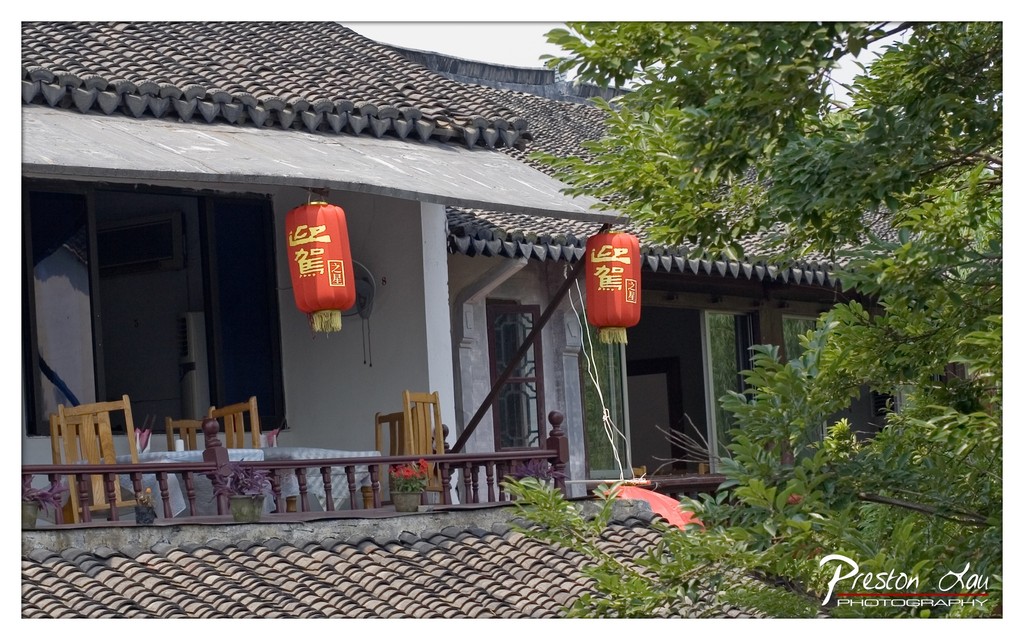
1. Overall Rating (0–10) — 7.0 This photograph captures the serene charm of a traditional Chinese courtyard, where architecture and nature coexist in quiet harmony. The red lanterns provide a striking contrast against the muted tones of the tiled roofs and green foliage, evoking a sense of cultural authenticity. While the image feels slightly overexposed and compositionally unbalanced, it successfully conveys the peaceful atmosphere of a lived-in space, inviting the viewer into a moment of quiet contemplation.
2. Composition (0–10) — 6.0 The framing is slightly off-center, with the right side dominated by foliage, creating an uneven visual weight. The foreground roofline and railing provide depth, but the composition could benefit from tighter cropping to focus on the lanterns and the structure behind them.
3. Lighting (0–10) — 5.5 The bright daylight creates strong highlights on the white walls and roof, leading to some loss of detail in the shadows. The light is flat and diffuse, lacking the warmth or directionality that would enhance texture and mood.
4. Color & Tone (0–10) — 6.5 The dominant red of the lanterns draws the eye, creating a bold focal point against the neutral grays and greens. The color palette is harmonious, though the overall image leans slightly toward washed-out tones, reducing vibrancy.
5. Creativity (0–10) — 7.0 The juxtaposition of traditional elements with modern air conditioning units adds a subtle layer of narrative, suggesting the blend of old and new in everyday life. The choice to include the natural framing of leaves adds a poetic, organic touch.
6. Technical Quality (0–10) — 7.0 The image is sharp and clear, with fine detail visible in the tiles and lanterns. The focus is well-managed, though the exposure and white balance could be refined for greater tonal depth.
7. Emotional Impact (0–10) — 6.5 The photograph evokes a sense of calm and nostalgia, inviting the viewer to imagine the quiet life within. While the emotional resonance is present, it is held back by the lack of dynamic lighting and compositional tension.
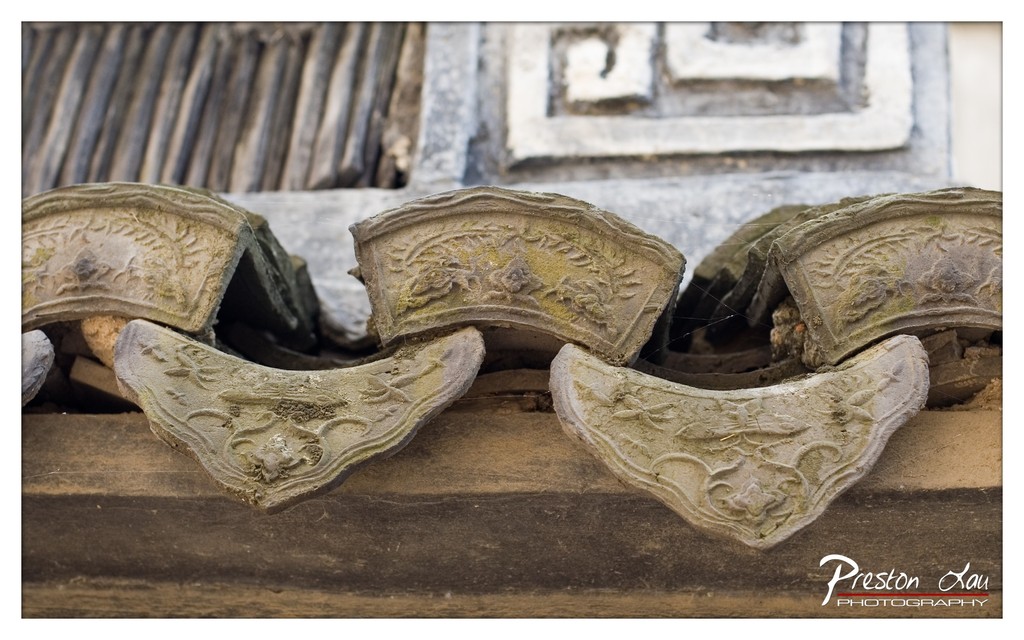
1. Overall Rating (0–10) — 7.5 This photograph captures the quiet dignity of weathered traditional roof tiles, where time and architecture converge in a tactile narrative. The intricate carvings and signs of decay lend a poetic weight to the image, evoking a sense of history preserved in stone and clay. While the composition is intimate and detailed, a more dynamic lighting direction or tighter framing could elevate its visual impact to the level of a true artistic statement.
2. Composition (0–10) — 7.0 The diagonal arrangement of the tiles creates a subtle leading line, guiding the eye across the frame. The shallow depth of field isolates the subject, but the background elements—though slightly distracting—add context and texture, balancing composition with storytelling.
3. Lighting (0–10) — 6.0 Soft, diffused light enhances the texture of the tiles without harsh shadows, allowing the carvings to emerge gently. However, the flat quality of the light slightly diminishes the sense of depth, leaving the scene feeling more documentary than atmospheric.
4. Color & Tone (0–10) — 7.0 The muted earth tones—ochre, gray, and soft brown—create a harmonious palette that reinforces the image’s historical and aged character. A touch more saturation could deepen the contrast between the carved tiles and the background.
5. Creativity (0–10) — 8.0 The focus on architectural detail transforms a mundane element into a meditation on time and craftsmanship. The choice to highlight decay and ornamentation together is both original and evocative, offering a quiet celebration of cultural heritage.
6. Technical Quality (0–10) — 8.0 Sharp focus on the foreground tiles ensures clarity in texture and detail, while the smooth bokeh in the background enhances subject separation. The image is well-executed in terms of focus and exposure.
7. Emotional Impact (0–10) — 7.5 The image stirs a contemplative mood, inviting the viewer to reflect on the passage of time and the beauty of impermanence. The quiet stillness of the scene fosters a deep sense of nostalgia and reverence.
Zhouzhuang is also a destination for food lovers, boasting many special snacks. The most famous among these is undoubtedly Wansan's pig shank, often locally called "Wansan's elbows" or "Wansan's hoof." This signature dish originated in the family of Wansan Shen during the Ming Dynasty and is still commonly eaten today, especially when entertaining guests, symbolizing hospitality and prosperity. Trying Wansan's pig shank is a must – the meat is typically slow-cooked to be incredibly tender and flavorful. Other local snacks to look out for include a variety of traditional cakes such as Wansan cake, Sesame cakes, peanut cakes, walnut cakes, salt and pepper cake, and green cake. You can also find fresh local produce like tiny cucumber and shrimp, and a unique water vegetable called "Chuncai," commonly used in a light and refreshing soup.
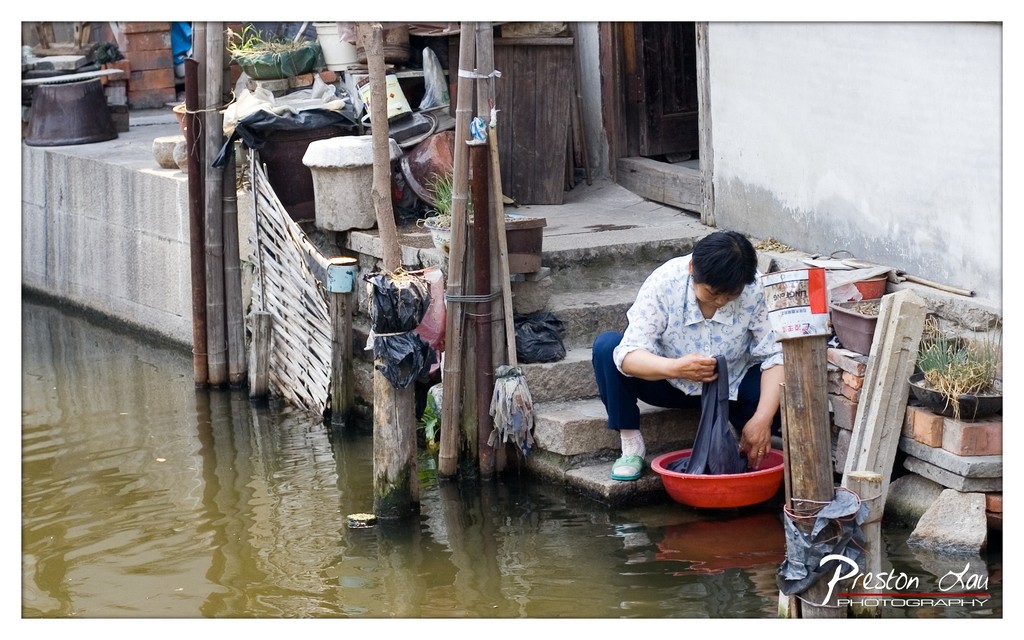
1. Overall Rating (0–10) — 7.0 This photograph captures a quiet, everyday moment of domestic labor along a canal, evoking a sense of resilience and continuity in a traditional setting. The subject’s focused posture and the surrounding clutter of daily life lend authenticity to the scene, while the muted palette and natural lighting enhance its documentary quality. Though the composition feels slightly crowded, the image succeeds in conveying both the physical and emotional weight of routine work in a community where waterways still serve as vital lifelines.
2. Composition (0–10) — 6.5 The subject is placed off-center, drawing attention to her activity, but the surrounding clutter and uneven steps create visual distraction. A tighter crop could improve focus and balance.
3. Lighting (0–10) — 6.0 Soft, diffused daylight illuminates the scene evenly, preserving detail without harsh shadows. The light enhances the calm mood but lacks the warmth or contrast to elevate the emotional tone.
4. Color & Tone (0–10) — 6.5 The palette is dominated by earthy tones—muddy greens, grays, and browns—with the red basin providing a subtle focal point. The colors are natural and cohesive, though the overall tone feels slightly flat and underexposed.
5. Creativity (0–10) — 7.0 The image captures a slice of life with quiet dignity, blending narrative and visual texture. The juxtaposition of labor and environment offers a poignant glimpse into a way of life that is both functional and deeply rooted.
6. Technical Quality (0–10) — 7.5 Sharp focus and clear detail are evident, particularly in the subject’s hands and the texture of the water. The exposure is well-managed, and the watermark is unobtrusive.
7. Emotional Impact (0–10) — 7.0 The photograph evokes a sense of quiet endurance and connection to place, inviting viewers to reflect on the dignity of everyday labor. The emotional resonance lies in its authenticity and the unspoken story behind the scene.
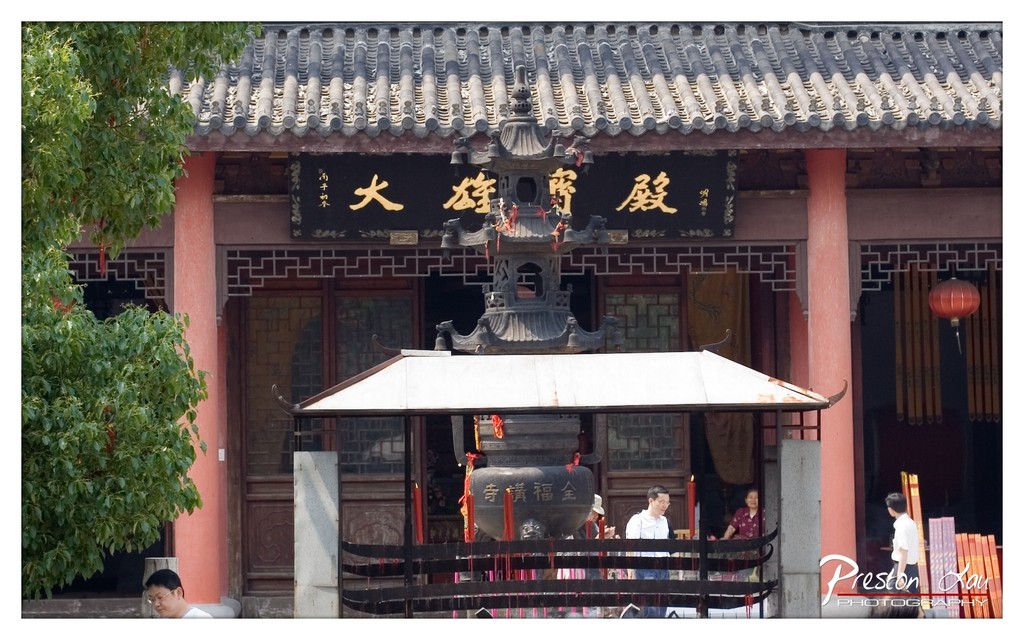
1. Overall Rating (0–10) — 7.0 This photograph captures the serene yet active atmosphere of a traditional Chinese temple, where spiritual practice and daily life intersect. The composition draws the eye to the central incense burner and the ornate temple facade, with natural light enhancing the textures and cultural details. While the image conveys a strong sense of place and authenticity, a more deliberate framing and tighter focus could elevate its artistic impact.
2. Composition (0–10) — 6.5 The subject is centered and balanced, with the temple’s architecture framing the scene effectively. However, the inclusion of multiple figures and the overhanging tree on the left create visual clutter, slightly distracting from the main focal point.
3. Lighting (0–10) — 7.0 Natural daylight provides even illumination, highlighting the textures of the tiled roof and wooden structure. The soft shadows add depth without overpowering the scene, and the red lantern introduces a warm focal accent.
4. Color & Tone (0–10) — 7.5 The palette is rich with earthy reds, deep blacks, and natural greens, creating a harmonious and culturally resonant atmosphere. The contrast between the dark signboard and golden lettering enhances legibility and visual interest.
5. Creativity (0–10) — 6.5 The image offers a documentary-style approach with strong cultural context. While not highly experimental, it effectively tells a story of tradition and devotion through its layered details and candid moments.
6. Technical Quality (0–10) — 8.0 The image is sharp and clear, with precise focus on the central incense burner and temple sign. The exposure is well-managed, preserving detail in both highlights and shadows.
7. Emotional Impact (0–10) — 6.5 The photograph evokes a sense of reverence and quiet contemplation, inviting the viewer into a moment of spiritual practice. The presence of people engaging in ritual adds a human element, though the distance of the shot keeps the emotional connection subtle.
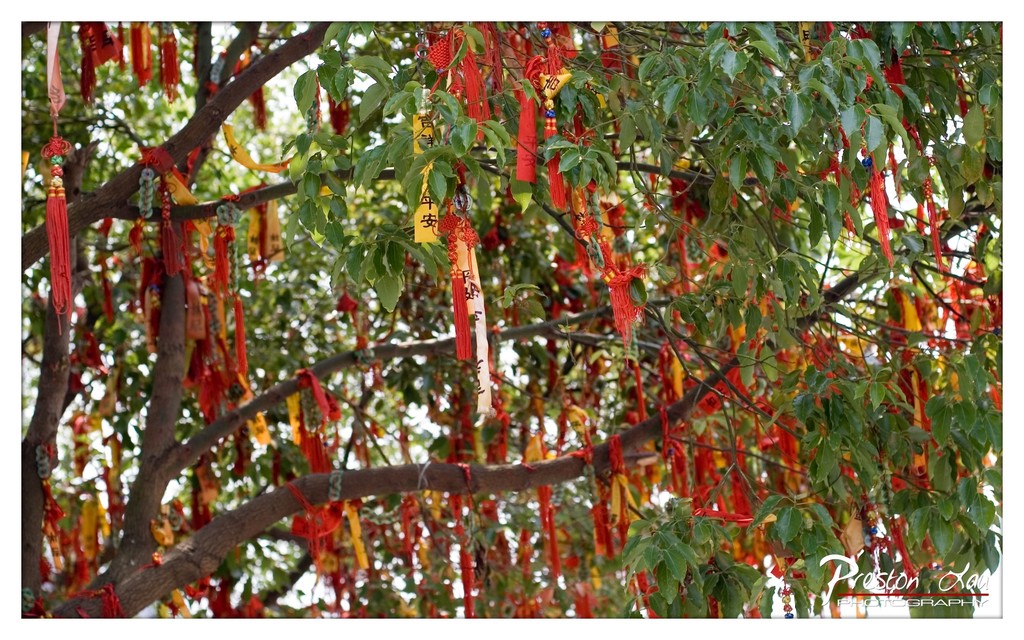
1. Overall Rating (0–10) — 7.0 This photograph captures the vibrant energy of a cultural tradition, where a tree becomes a living tapestry of wishes and blessings. The dense clustering of red and yellow ribbons, interwoven with green foliage, creates a rich, layered texture that speaks to communal devotion and hope. While the visual abundance is compelling, the slight overexposure in highlights and cluttered arrangement slightly diminish the image’s elegance, keeping it from achieving a more refined aesthetic.
2. Composition (0–10) — 6.5 The framing captures the full scope of the tree’s branches, emphasizing the density of the offerings. However, the lack of a clear focal point and the chaotic distribution of ribbons create visual noise, making it difficult to guide the viewer’s eye through the scene.
3. Lighting (0–10) — 6.0 Natural daylight illuminates the scene evenly, but the bright exposure causes some loss of detail in the highlights, particularly on the white and yellow ribbons. The light enhances the vividness of the reds but fails to create strong contrast or depth.
4. Color & Tone (0–10) — 7.5 The palette is striking, with bold reds and yellows standing out against the lush green leaves, evoking a sense of celebration and cultural richness. The color harmony is strong, though the saturation feels slightly oversaturated, giving the image a slightly artificial quality.
5. Creativity (0–10) — 7.0 The image successfully conveys the cultural significance of the wish tree, transforming a simple scene into a narrative of hope and tradition. The abundance of details invites closer inspection, suggesting a story behind each ribbon.
6. Technical Quality (0–10) — 7.0 The image is sharp and clear, with good detail in the leaves and ribbons. However, the exposure is uneven, and the watermark in the lower right corner slightly detracts from the visual flow.
7. Emotional Impact (0–10) — 7.5 The photograph evokes a sense of wonder and reverence, capturing the human desire to connect with something larger than oneself. The sheer number of wishes hanging from the tree creates a powerful emotional resonance, suggesting shared hopes and dreams.
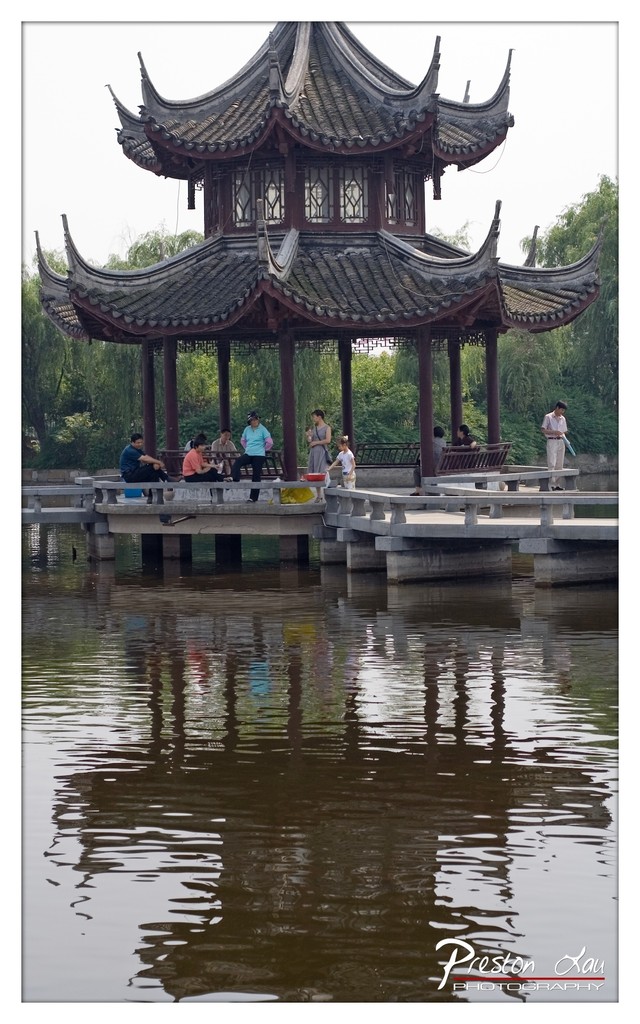
1. Overall Rating (0–10) — 7.0 This photograph captures the serene elegance of a traditional Chinese pavilion, where architecture and nature harmonize in quiet contemplation. The reflection in the water adds depth and symmetry, enhancing the image’s meditative quality, though the overcast sky tempers its emotional resonance. While the composition is strong, the muted lighting and slightly cluttered foreground detract from its visual impact.
2. Composition (0–10) — 7.5 The pavilion is centered with balanced symmetry, and the bridge leads the eye toward the structure. The reflection creates a natural vertical symmetry, though the foreground elements slightly disrupt the visual flow.
3. Lighting (0–10) — 5.5 The overcast sky casts flat, diffused light, which softens details and reduces contrast. While this preserves texture in the pavilion’s wood and tiles, it also drains the scene of dramatic atmosphere.
4. Color & Tone (0–10) — 6.0 The palette is dominated by earthy browns and muted greens, with the gray sky creating a subdued tone. The lack of vibrant color limits visual energy, though the tonal harmony supports the image’s tranquil mood.
5. Creativity (0–10) — 6.5 The photographer captures a culturally rich scene with a clear eye for symmetry and reflection. While the concept is traditional and familiar, the deliberate framing and use of water as a mirror introduce a contemplative, almost painterly quality.
6. Technical Quality (0–10) — 7.0 The image is sharp and well-focused, particularly on the pavilion. The water’s texture is rendered with clarity, and the post-processing is clean, preserving natural detail without over-enhancement.
7. Emotional Impact (0–10) — 6.5 The scene evokes a sense of peace and timelessness, inviting quiet reflection. The presence of people grounds the image in daily life, adding a subtle layer of human connection to the tranquil setting.
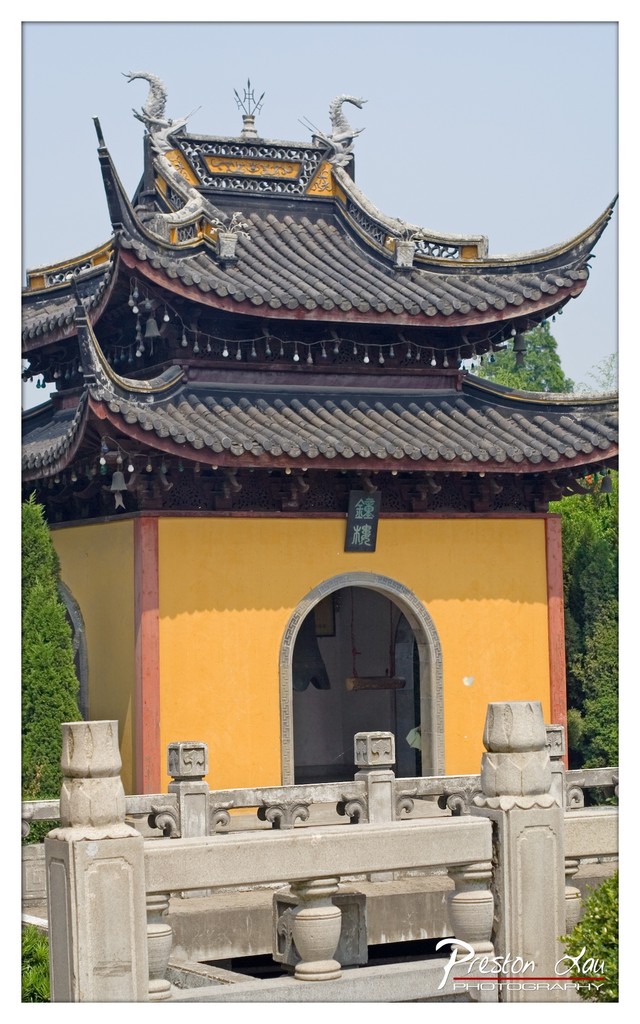
1. Overall Rating (0–10) — 7.5 This photograph captures the serene grandeur of a traditional Chinese temple, where architectural elegance meets spiritual stillness. The rich yellow façade and sweeping curved roofs create a striking visual harmony, while the stone railing in the foreground grounds the image in a sense of place. Though the composition is strong, a more dynamic angle or tighter framing could elevate its artistic impact beyond mere documentation.
2. Composition (0–10) — 7.0 The temple is centered with a balanced arrangement, and the stone railing provides a natural leading line into the frame. However, the wide shot includes too much sky and surrounding greenery, slightly diluting the focus on the main subject.
3. Lighting (0–10) — 7.5 Natural daylight illuminates the structure evenly, enhancing the texture of the tiles and the warm hue of the walls. The soft shadows add depth without overpowering the scene, creating a calm and inviting atmosphere.
4. Color & Tone (0–10) — 8.0 The golden-yellow walls contrast beautifully with the dark grey tiles and muted green foliage, resulting in a rich, harmonious palette. The color balance is natural and enhances the cultural authenticity of the scene.
5. Creativity (0–10) — 7.0 The image is a respectful and visually appealing portrayal of traditional architecture. While not radically inventive, it successfully captures the quiet dignity of the temple, emphasizing its cultural significance through thoughtful framing and color.
6. Technical Quality (0–10) — 8.5 Sharp focus across the image, excellent detail in the roofline and stonework, and well-managed exposure contribute to a technically polished result. The watermark is unobtrusive and professionally placed.
7. Emotional Impact (0–10) — 7.5 The photograph evokes a sense of reverence and tranquility, inviting the viewer to pause and reflect on the enduring beauty of spiritual spaces. Its quiet strength lies in its authenticity and visual clarity.
With its profound historical inheritance and unique cultural heritage, Zhouzhuang has gained significant recognition. It has been shortlisted as a possible UNESCO World Cultural Heritage Site, acknowledging its international historical importance, and was officially recognized as a "Town of Rich Historical and Cultural Heritage in China." Furthermore, it is among the first towns in China to be rated a Grade AAAAA Tourist Destination, signifying its high quality for tourism in terms of management, facilities, and visitor experience. Its widespread fame has also earned it the nickname "No. 1 Water Town in China."
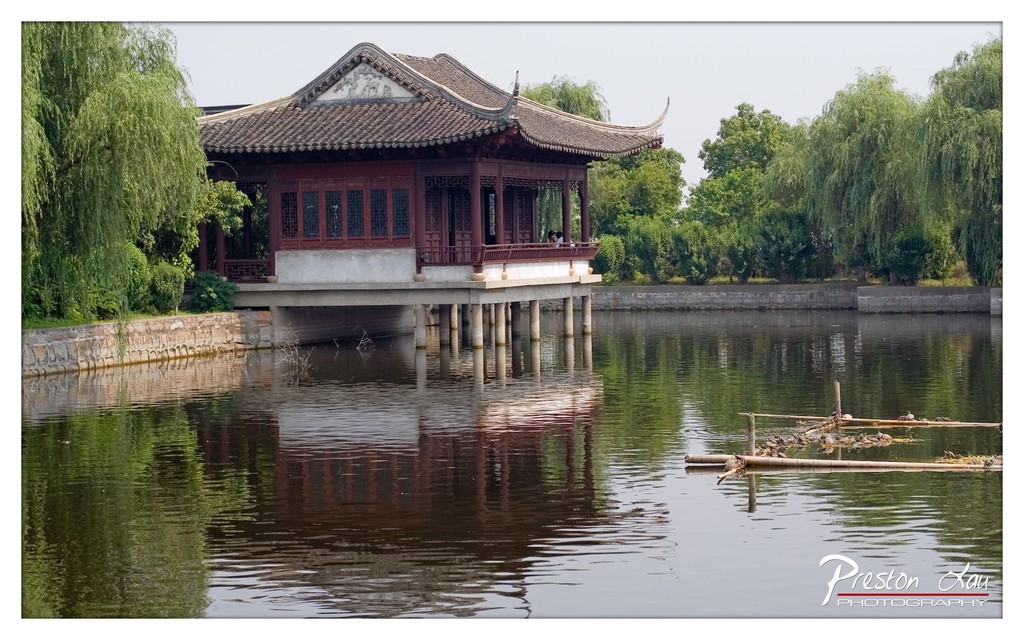
1. Overall Rating (0–10) — 7.5 This photograph captures the serene elegance of a traditional Chinese pavilion, where architecture and nature harmonize in quiet reflection. The composition balances the structure’s symmetry with the organic flow of water and weeping willows, creating a contemplative mood. While the image is visually rich and culturally evocative, the overcast lighting slightly dampens the vibrancy of the scene, holding back its full emotional potential.
2. Composition (0–10) — 8.0 The pavilion is centered with balanced symmetry, framed by the willow trees on either side. The reflection in the water enhances depth and symmetry, while the bamboo raft in the foreground adds a subtle point of interest without disrupting the harmony.
3. Lighting (0–10) — 6.0 Diffused, overcast light creates soft shadows and even exposure, but it lacks the warmth and contrast needed to accentuate textures and colors. The flat lighting reduces the visual drama, though it suits the tranquil atmosphere.
4. Color & Tone (0–10) — 7.0 The palette is dominated by earthy browns, deep greens, and muted grays, creating a cohesive and naturalistic tone. The reflections add depth, and the subtle contrast between the redwood structure and green foliage provides visual interest without overwhelming the scene.
5. Creativity (0–10) — 7.5 The image succeeds in capturing a traditional aesthetic with a strong sense of place. The inclusion of the bamboo raft introduces a narrative element—perhaps a nod to fishing or seasonal activity—adding a layer of cultural context and quiet storytelling.
6. Technical Quality (0–10) — 8.5 Sharp focus across the frame, clean detail in the pavilion’s architectural elements, and a well-managed exposure contribute to a technically strong image. The watermark is discreet and unobtrusive.
7. Emotional Impact (0–10) — 7.0 The photograph evokes a sense of peace and timelessness, inviting quiet contemplation. The stillness of the water and the aged architecture resonate with a calm melancholy, drawing the viewer into a moment of serene reflection.
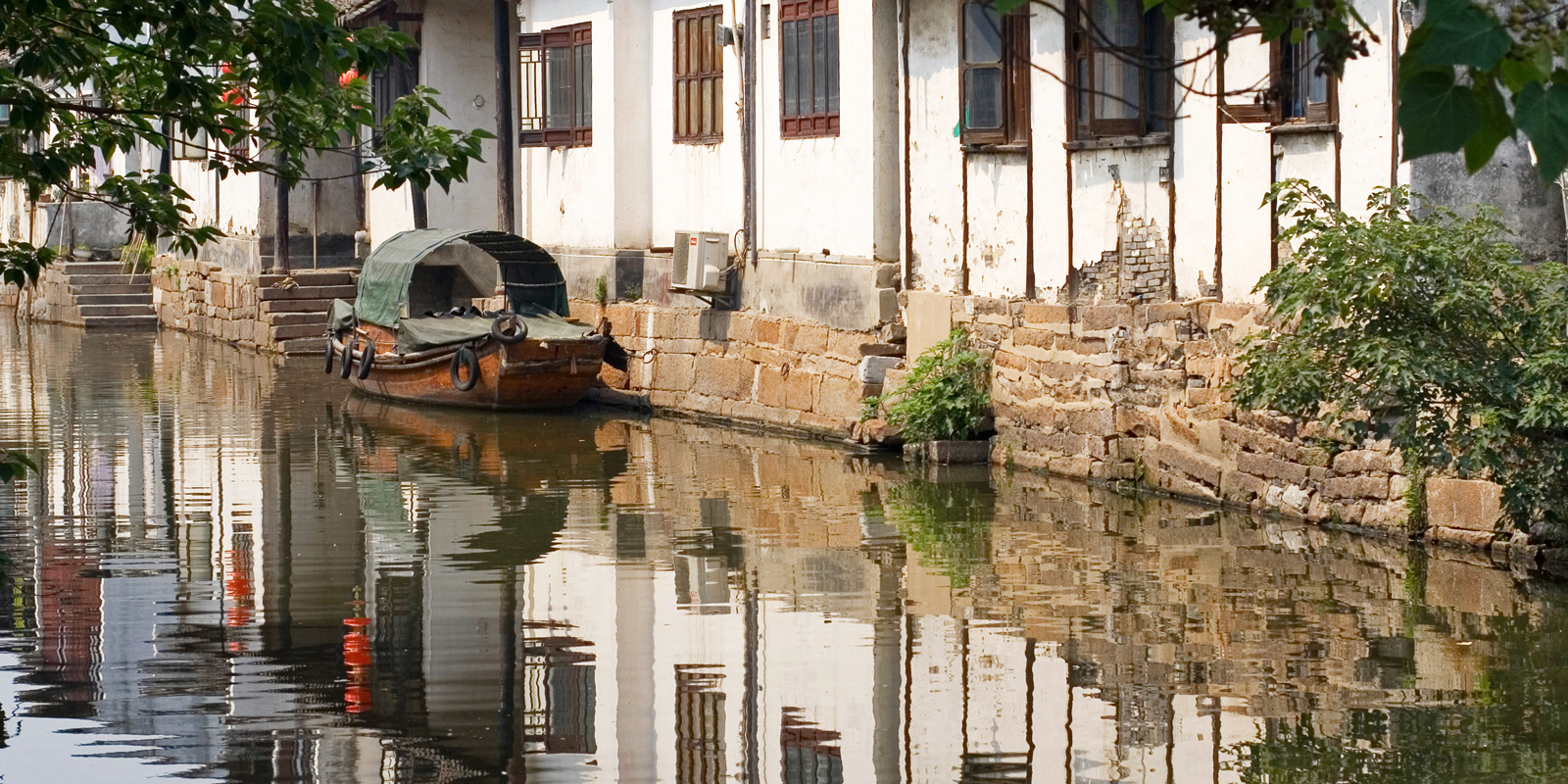
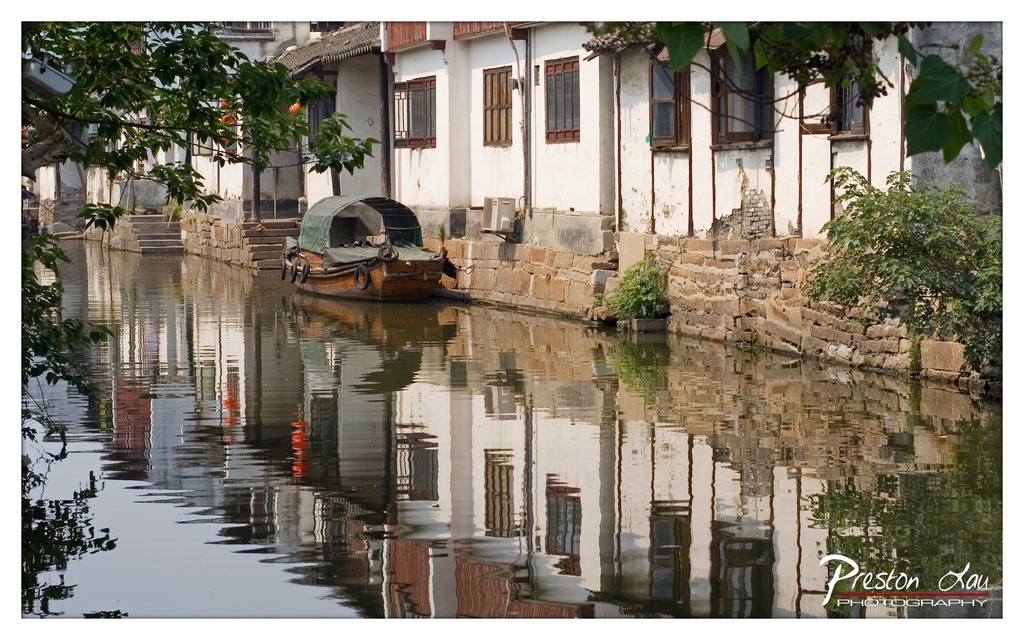
1. Overall Rating (0–10) — 7.5 This photograph captures the tranquil essence of a traditional water town, where time seems to slow along the narrow canal. The reflections in the water create a dreamlike symmetry, enhancing the quiet beauty of the weathered architecture and moored boat. While the scene is visually rich and evocative, a slightly stronger focal point and more dynamic lighting would elevate its emotional resonance.
2. Composition (0–10) — 7.0 The framing is balanced with the canal leading the eye into the scene, and the reflections add depth and symmetry. The overhanging foliage in the foreground frames the image well, though the boat’s placement slightly disrupts the central axis, creating a subtle imbalance.
3. Lighting (0–10) — 6.5 The soft, diffused daylight enhances the calm mood, but the light is somewhat flat, reducing the contrast and depth in the shadows. The reflections are clear, but the lack of directional sunlight tempers the overall atmospheric quality.
4. Color & Tone (0–10) — 7.0 The muted palette of whites, browns, and greens feels authentic and harmonious, with the subtle green of the boat and foliage adding a touch of warmth. The tonal range is well-managed, though the overall image lacks vibrancy, leaning toward a muted, almost monochromatic feel.
5. Creativity (0–10) — 7.5 The image leverages symmetry and reflection to create a poetic, almost meditative quality. The choice to capture the unembellished, everyday scene with such attention to detail demonstrates a thoughtful, observational approach, offering a quiet narrative of enduring tradition.
6. Technical Quality (0–10) — 8.0 The focus is sharp throughout, with excellent clarity in both the architecture and the water’s surface. The exposure is well-balanced, and the image is free from noticeable noise or artifacts, showcasing strong technical execution.
7. Emotional Impact (0–10) — 7.0 The photograph evokes a sense of peace and nostalgia, inviting the viewer to imagine a life lived slowly along the water. While the emotional pull is gentle, it lingers, especially through the interplay of reflection and stillness, suggesting a deeper, quiet beauty in everyday moments.
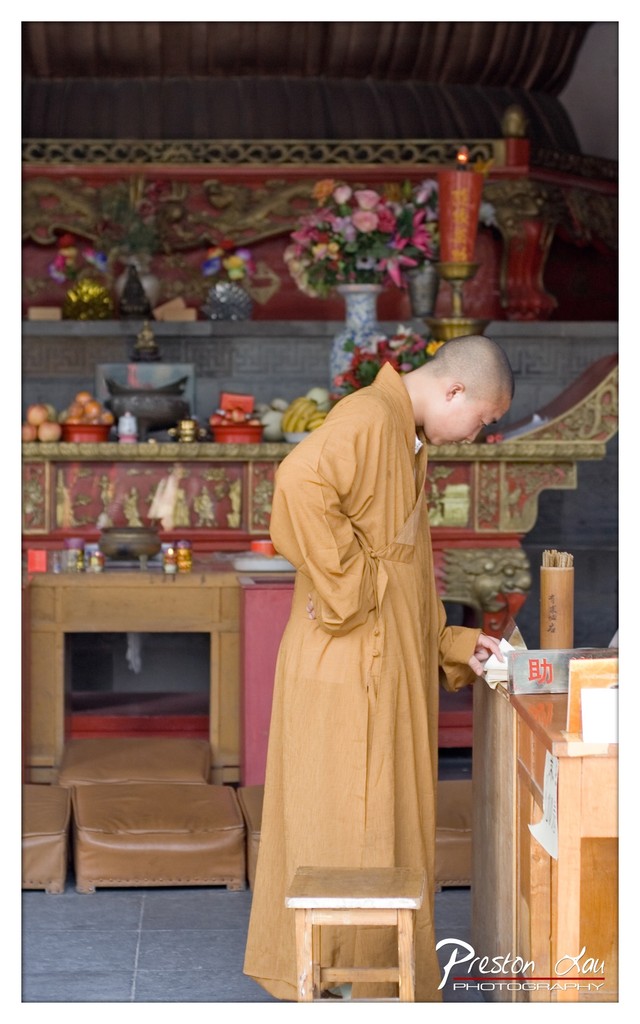
1. Overall Rating (0–10) — 7.0 This photograph captures a moment of quiet devotion within a traditional temple, where the monk’s contemplative posture and the rich cultural details converge to evoke a sense of reverence. The composition balances the human subject with the ornate surroundings, creating a narrative of spiritual practice. While the image is visually compelling, the slightly cluttered background and muted lighting prevent it from achieving a more profound emotional resonance.
2. Composition (0–10) — 7.0 The monk is positioned slightly off-center, drawing the eye naturally toward the altar and its symbolic elements. The vertical lines of the robe and the horizontal layers of the altar create a structured, harmonious frame. However, the left side of the image feels slightly unbalanced due to the empty space and cluttered foreground elements.
3. Lighting (0–10) — 6.0 The lighting is soft and diffused, likely from an overcast sky or shaded interior, which gently illuminates the monk without harsh shadows. While this creates a calm atmosphere, it also flattens some of the texture and detail in the background, diminishing the visual richness of the temple’s decor.
4. Color & Tone (0–10) — 7.0 The warm ochre of the monk’s robe contrasts beautifully with the reds and golds of the altar, creating a visually cohesive palette. The colors are rich but not oversaturated, lending a natural and authentic feel. The overall tone is subdued, enhancing the contemplative mood.
5. Creativity (0–10) — 7.0 The image successfully blends cultural authenticity with a human-centric narrative, capturing a candid moment of ritual. The framing emphasizes the interplay between the individual and the sacred environment, suggesting a deeper story beyond the surface.
6. Technical Quality (0–10) — 8.0 The focus is sharp on the monk, and the depth of field effectively isolates the subject from the background. The image is well-exposed, with no visible noise or artifacts, indicating strong technical execution.
7. Emotional Impact (0–10) — 7.5 The photograph conveys a quiet dignity and spiritual focus, inviting the viewer to reflect on the ritual’s significance. The monk’s bowed head and the sacred surroundings evoke a sense of peace and reverence, making the image emotionally engaging.
1. Overall Rating (0–10) — 7.5 This photograph captures the tranquil essence of a traditional Chinese water town, where time seems to move at the pace of the canal’s gentle ripples. The composition draws the eye through the narrow waterway toward the arched bridge, creating a sense of depth and narrative, while the red lanterns and weathered architecture lend cultural richness. Though the overcast sky mutes the vibrancy, the image succeeds in conveying a quiet, lived-in beauty that feels both authentic and poetic.
2. Composition (0–10) — 8.0 The strong leading lines of the canal guide the viewer’s gaze toward the bridge, creating a balanced and immersive perspective. The placement of the boats and buildings on either side enhances symmetry and depth.
3. Lighting (0–10) — 6.0 Soft, diffused light from the overcast sky creates even illumination and minimizes harsh shadows, but it also flattens the scene’s contrast and reduces the visual drama of the moment.
4. Color & Tone (0–10) — 7.0 The muted palette of grays and earth tones evokes a subdued, contemplative mood, while the red lanterns provide a striking focal point and cultural accent.
5. Creativity (0–10) — 7.0 The image captures a timeless scene with a sense of narrative and place, using composition and cultural detail to tell a story of daily life and tradition.
6. Technical Quality (0–10) — 8.0 The photograph is sharp and well-focused, with clear detail in the reflections, textures, and architectural elements, demonstrating strong technical control.
7. Emotional Impact (0–10) — 7.5 The stillness of the water and the quiet presence of the boats and people evoke a sense of peace and nostalgia, inviting contemplation of a slower, more connected way of life.
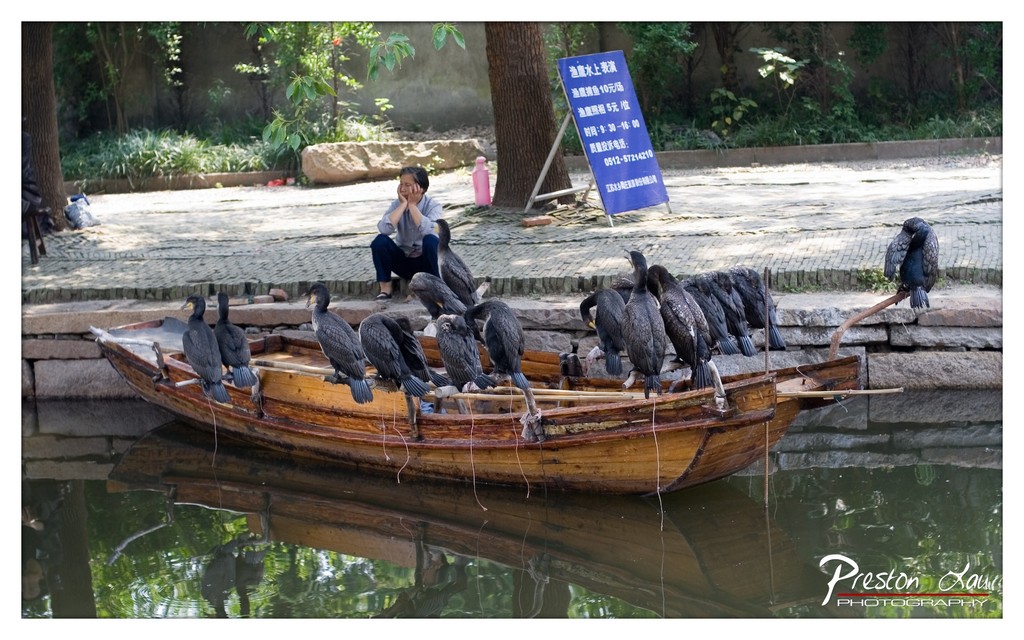
1. Overall Rating (0–10) — 7.0 This photograph captures a serene and culturally rich moment along a canal, where tradition and daily life intersect through the presence of cormorant fishermen. The composition balances the natural elegance of the birds and the wooden boat with the quiet contemplation of the fisherman, creating a narrative of enduring practice. While the scene is compelling and rich in context, the overexposed background and slightly cluttered signage detract from the overall visual harmony, preventing it from achieving greater aesthetic refinement.
2. Composition (0–10) — 7.5 The boat and birds form a strong diagonal line that guides the eye across the frame, while the fisherman’s seated posture adds a focal point of human presence. The use of negative space on the left enhances the sense of depth, though the sign and background elements slightly disrupt the visual flow.
3. Lighting (0–10) — 6.5 The scene is illuminated by bright, natural daylight, which highlights the textures of the wood and feathers. However, the harsh sunlight creates blown-out highlights in the background and casts strong shadows, reducing tonal subtlety and slightly flattening the image’s mood.
4. Color & Tone (0–10) — 7.0 The palette is grounded in earthy browns and deep greens, with the blue sign introducing a contrasting pop of color that draws attention. The overall tone is natural and slightly warm, though the lack of dynamic range in the highlights limits the richness of the color expression.
5. Creativity (0–10) — 7.5 The image successfully captures a unique cultural practice, transforming a documentary moment into a visually poetic narrative. The juxtaposition of the birds, the boat, and the contemplative fisherman suggests a deeper story of tradition and coexistence, elevating the photograph beyond mere documentation.
6. Technical Quality (0–10) — 7.0 The focus is sharp on the boat and birds, with clear detail in the textures of the wood and feathers. The reflection in the water adds depth, though the slight overexposure in the background and minor noise in the highlights reduce overall technical precision.
7. Emotional Impact (0–10) — 7.0 There is a quiet dignity in the scene, evoking a sense of timelessness and connection to tradition. The fisherman’s relaxed posture and the calm demeanor of the birds invite the viewer into a moment of stillness, creating a contemplative and emotionally resonant experience.
Zhouzhuang is a truly captivating destination that successfully preserves the beauty and atmosphere of a bygone era. Its well-preserved Ming and Qing Dynasty architecture, picturesque canals and bridges, visible local traditions, and delicious regional snacks combine to offer a unique and memorable travel experience, making it a top choice for anyone wanting to explore China's famous water townships.
1. Overall Rating (0–10) — 7.0 This photograph masterfully blends reality and representation, juxtaposing a woman walking through a quiet waterside scene with a painted backdrop of a traditional Chinese temple. The reflection in the water adds a layer of symmetry and depth, enhancing the contemplative mood. While the image's concept is strong and visually cohesive, the slightly muted tones and lack of dynamic contrast hold it back from true artistic brilliance.
2. Composition (0–10) — 7.5 The subject is placed off-center, following the rule of thirds, and her movement creates a sense of narrative flow. The vertical split between the real and the painted world, along with the reflection in the water, adds visual interest and balance.
3. Lighting (0–10) — 6.0 The lighting is soft and diffused, likely from an overcast day, which creates even illumination but lacks the warmth or drama that could elevate the mood. The reflection in the water is clear, but the flat light reduces the sense of depth.
4. Color & Tone (0–10) — 6.5 The palette is restrained, dominated by earthy tones and muted blues, with the red clutch providing a subtle focal point. The color harmony works well, but the overall tone feels slightly desaturated, limiting emotional impact.
5. Creativity (0–10) — 8.0 The conceptual juxtaposition of a real woman against a painted landscape is original and thought-provoking. The use of reflection further deepens the narrative, blurring the lines between reality and art.
6. Technical Quality (0–10) — 7.5 The image is sharp and well-focused, with clean detail in both the subject and the background. The reflection is clear, indicating good control over exposure and composition.
7. Emotional Impact (0–10) — 6.5 The photograph evokes a quiet, introspective mood, inviting viewers to reflect on the relationship between past and present, reality and illusion. While emotionally resonant, it remains somewhat detached due to the neutral lighting and restrained color.
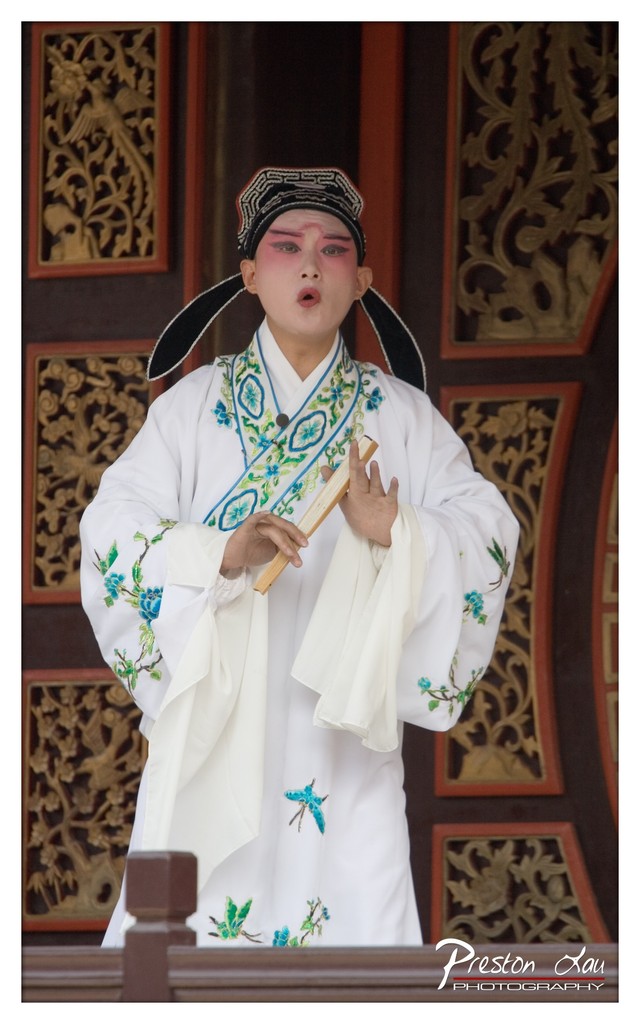
1. Overall Rating (0–10) — 8.0 This photograph captures the vibrant intensity of a traditional Chinese opera performer mid-performance, exuding both theatrical grandeur and cultural authenticity. The subject’s expressive face and dynamic pose are powerfully framed against the ornate, carved backdrop, creating a striking contrast between the performer’s white costume and the rich, dark wood. While the image succeeds in conveying the drama and artistry of the moment, a slightly tighter crop and more intentional lighting could further elevate its visual impact.
2. Composition (0–10) — 7.5 The subject is well-centered, drawing immediate attention, though the lower portion of the frame includes excess foreground that slightly dilutes focus. The symmetry of the background enhances balance, but a tighter crop would sharpen the emphasis on the performer’s gesture and expression.
3. Lighting (0–10) — 7.0 Natural, diffused light illuminates the subject evenly, preserving the fine details of the makeup and embroidery. The light is soft and flattering, though it lacks the dramatic contrast needed to heighten the theatrical mood, resulting in a somewhat flat presentation.
4. Color & Tone (0–10) — 8.0 The crisp white of the costume contrasts beautifully with the deep browns and golds of the carved panels, while the blue and green embroidery adds subtle vibrancy. The color palette is harmonious and culturally resonant, with a balanced tone that enhances the image’s elegance.
5. Creativity (0–10) — 8.5 The photograph captures a rare, authentic moment of traditional performance, merging cultural documentation with artistic storytelling. The performer’s expressive posture and the rich architectural context combine to create a narrative that feels both immediate and timeless.
6. Technical Quality (0–10) — 8.5 Sharp focus and clean detail are evident in the facial features, costume textures, and background carvings. The exposure is well-balanced, and the image is free of distracting artifacts, showcasing strong technical execution.
7. Emotional Impact (0–10) — 8.0 The intensity of the performer’s expression—eyes wide, mouth open in song or dialogue—conveys a palpable sense of drama and emotional commitment. The viewer is drawn into the performance, feeling the weight of tradition and the passion of the art form.
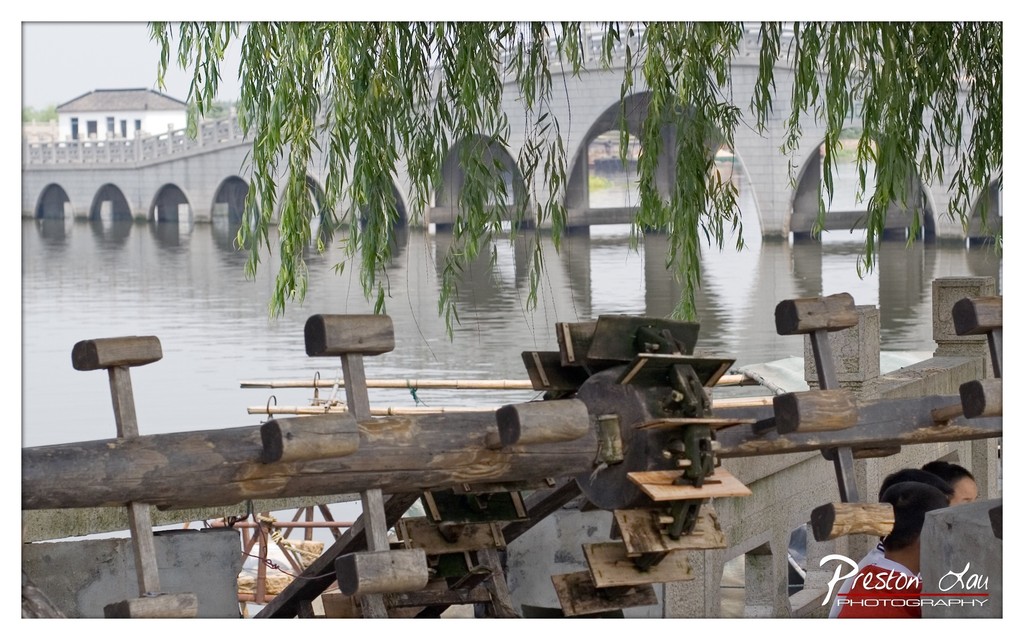
1. Overall Rating (0–10) — 7.0 This photograph captures a serene, almost timeless moment where traditional craftsmanship meets tranquil waterscape. The weeping willow branches frame the scene with graceful weight, drawing the eye toward the arching stone bridge and the rustic wooden mechanism in the foreground. While the image succeeds in conveying a quiet cultural narrative, its emotional resonance is slightly tempered by a lack of dynamic lighting and a somewhat flat tonal range that keeps it from fully captivating.
2. Composition (0–10) — 7.5 The layered composition—foreground wooden tool, midground water and bridge, and background structure—creates a strong sense of depth. The hanging willow branches act as a natural frame, guiding the viewer’s gaze, though the placement of the people in the lower right slightly disrupts the visual flow.
3. Lighting (0–10) — 6.0 The lighting is soft and diffused, likely from an overcast sky, which evenly illuminates the scene but diminishes contrast and shadow definition. While it prevents harsh highlights, it also gives the image a muted, somewhat lifeless quality.
4. Color & Tone (0–10) — 6.5 The palette is largely composed of earthy browns, soft grays, and pale greens, creating a cohesive and tranquil atmosphere. However, the colors lack vibrancy, and the overall tone leans toward flatness, reducing the visual richness of the scene.
5. Creativity (0–10) — 7.0 The photograph effectively blends natural elements with cultural artifacts, suggesting a story of tradition and continuity. The choice to include the old waterwheel-like mechanism adds narrative depth, and the framing with the willow enhances the poetic mood.
6. Technical Quality (0–10) — 7.5 The image is sharp and well-focused, particularly on the wooden structure in the foreground. The depth of field is appropriately managed, keeping both the foreground and background elements in view, though some fine details in the water and distant bridge are slightly softened.
7. Emotional Impact (0–10) — 6.5 The scene evokes a sense of peace and nostalgia, inviting contemplation of rural life and historical continuity. While it touches on emotional themes of heritage and quiet labor, the subdued lighting and lack of dynamic contrast prevent a deeper emotional pull.
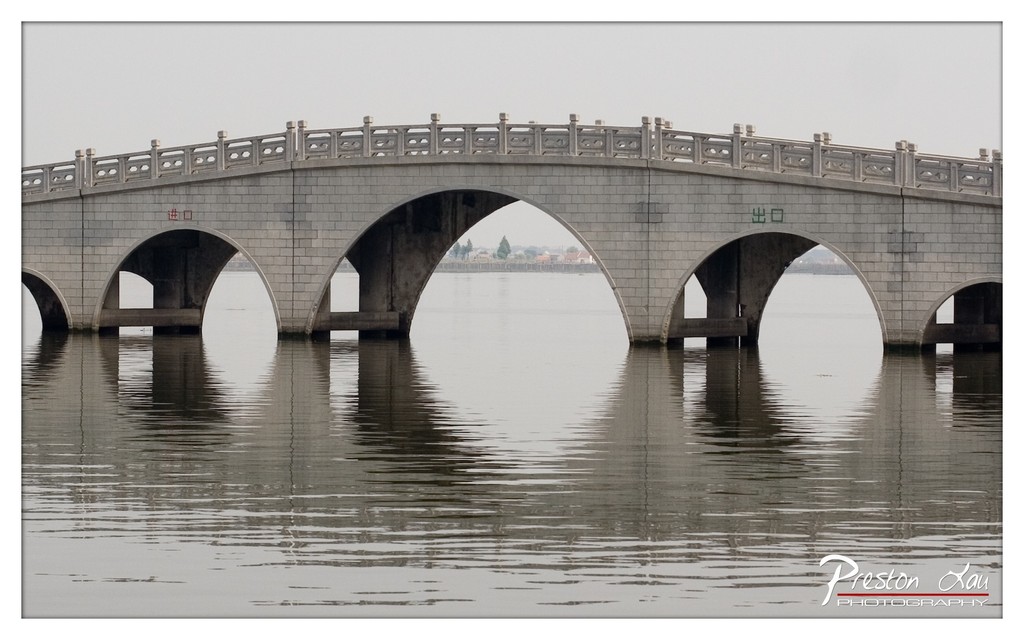
1. Overall Rating (0–10) — 7.0 This photograph captures the serene symmetry of a traditional arched bridge, its reflection mirroring the quiet stillness of the water beneath. The muted tones and balanced composition evoke a sense of calm and timelessness, though the overcast sky tempers the image’s emotional resonance. While the scene is visually harmonious, it lacks the dynamic contrast or narrative depth to feel truly compelling.
2. Composition (0–10) — 8.0 The bridge is centered and framed by its own arches, creating strong leading lines and a sense of rhythm. The reflection doubles the visual structure, enhancing symmetry and balance.
3. Lighting (0–10) — 6.0 Soft, diffused light from an overcast sky results in even illumination with minimal shadows. While this preserves detail, it also flattens the image’s depth and mood.
4. Color & Tone (0–10) — 6.5 The monochromatic palette of grays and muted tones contributes to a contemplative atmosphere. However, the lack of color variation reduces visual interest and emotional engagement.
5. Creativity (0–10) — 7.0 The image leverages traditional architectural elements and natural symmetry to create a visually pleasing, almost meditative scene. While not groundbreaking, it demonstrates thoughtful composition and intention.
6. Technical Quality (0–10) — 8.0 Sharp focus across the bridge and clear reflection indicate strong technical execution. The image is well-exposed and free of noticeable flaws.
7. Emotional Impact (0–10) — 6.5 The stillness of the water and the quiet architecture evoke a sense of peace, but the subdued lighting and lack of human presence keep the viewer at a distance.
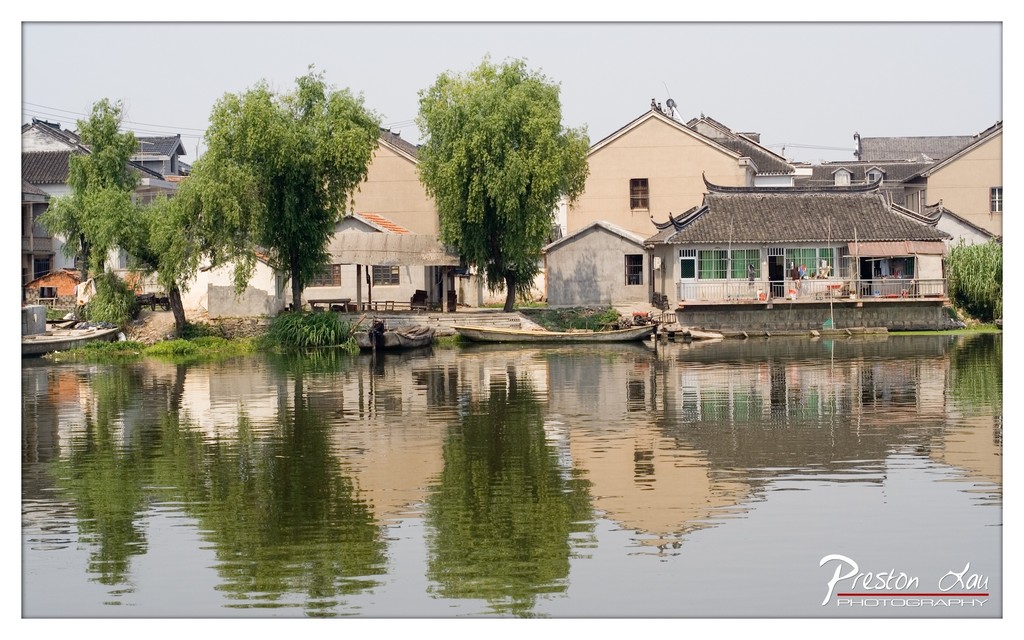
1. Overall Rating (0–10) — 7.0 This photograph captures the tranquil essence of a traditional water village, where still waters mirror the quiet rhythm of daily life. The composition balances natural and architectural elements with a sense of calm, while the muted tones evoke a nostalgic atmosphere. Though the image is visually harmonious, it lacks a compelling focal point, leaving the viewer with a sense of observation rather than emotional engagement.
2. Composition (0–10) — 7.5 The image is well-balanced, with the river acting as a natural dividing line between the foreground reflection and the village backdrop. The placement of trees and buildings creates depth, though the central structure slightly disrupts symmetry, lending a subtle asymmetry that feels organic.
3. Lighting (0–10) — 6.0 Soft, diffused daylight provides even illumination, minimizing harsh shadows and enhancing the reflective quality of the water. However, the overcast sky lends a flatness to the scene, dampening the potential for dramatic contrast or mood.
4. Color & Tone (0–10) — 6.5 The palette is subdued, dominated by earthy beiges, soft greens, and muted grays, which reinforce the serene, timeless quality. While harmonious, the colors lack vibrancy, giving the image a slightly washed-out appearance.
5. Creativity (0–10) — 6.0 The photograph presents a familiar scene with a traditional aesthetic, but its strength lies in documentation rather than conceptual innovation. The choice to emphasize reflection adds a layer of visual interest, yet the overall narrative remains conventional.
6. Technical Quality (0–10) — 8.0 The image is sharp and detailed, with clear reflections and a well-focused midground. The exposure is balanced, and there are no noticeable technical flaws, indicating strong execution.
7. Emotional Impact (0–10) — 6.5 The scene evokes a sense of peace and quietude, inviting contemplation of a slower, more connected way of life. While the emotional resonance is present, it remains gentle and understated, lacking a moment of powerful connection.