Preston Lau: A Journey Through Memories, Tech, and Humanity
Welcome to my personal blog that delves into the intricate tapestry of personal albums and the fascinating intersection of ever-evolving technology and humanity. Come along on a journey with me as we delve into the seamless fusion of creativity, state-of-the-art AI and robotics, intricately interwoven within the tapestry of our shared awareness. Have fun!
From the Channel Tunnel to Tulip Flower Parade: The Ultimate Europe Road Trip
AI Summary
This European road trip began with the seamless convenience of Le Shuttle from Folkestone to Calais, transitioning into a "slow travel" exploration of Belgium and the Netherlands. The journey highlighted the fairytale medieval charm of Bruges, the gritty creative energy of Ghent, and the fashionable swagger of Antwerp, before heading north to witness the vibrant chaos of Amsterdam and the breathtaking floral displays at Keukenhof.
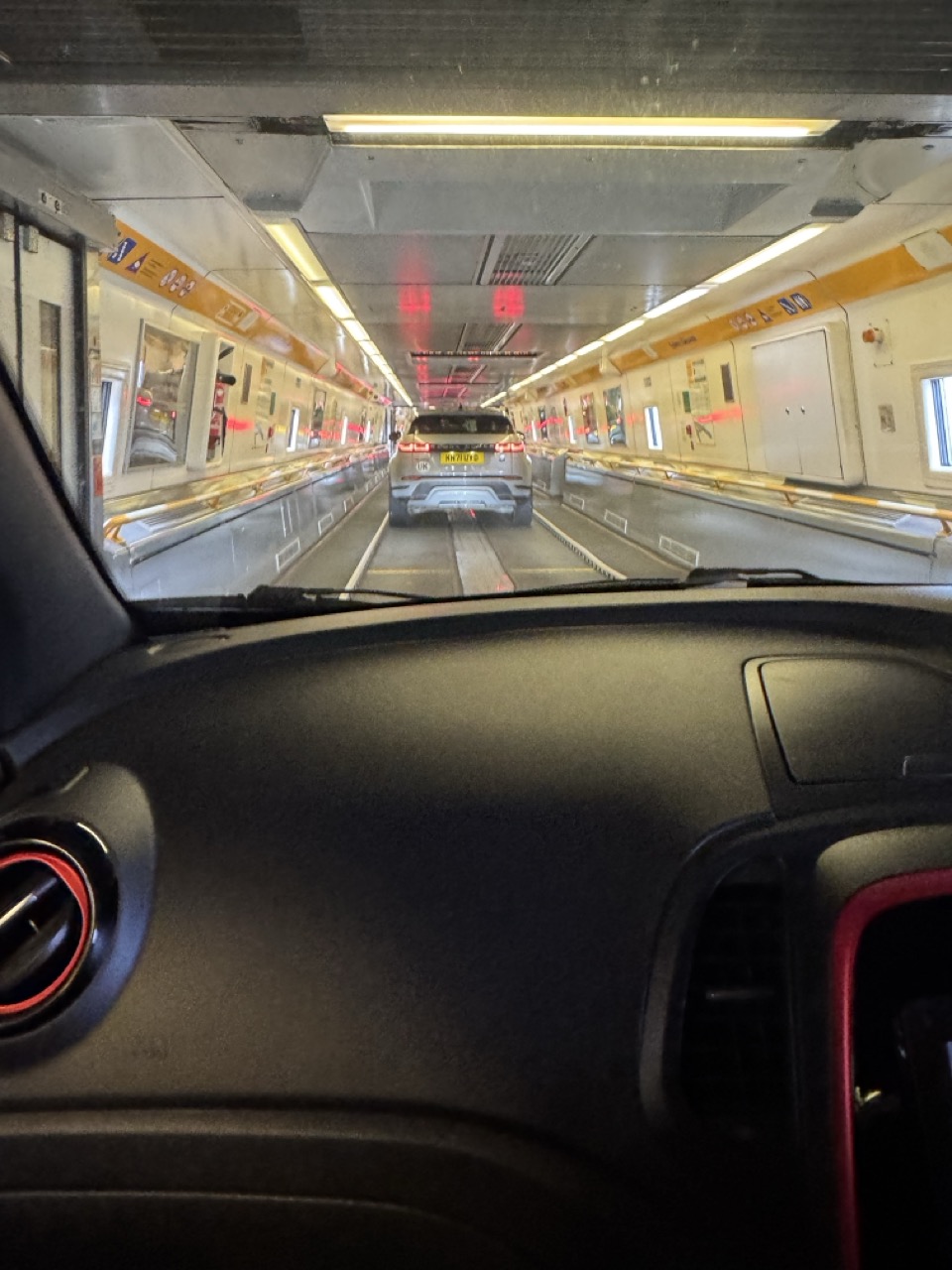
There is something deeply satisfying about a road trip that begins not with a boarding pass but with a steering wheel and the open road ahead. Ours kicked off in the UK, and within no time we were lined up at the terminal in Folkestone, edging our car onto the Le Shuttle. The whole experience is uniquely convenient. You drive straight onto the train, the Channel Tunnel swallows you up, and just 35 minutes later you emerge blinking on the other side in Calais, ready to continue your adventure by road. Eurotunnel LeShuttle has no luggage restrictions, no dragging suitcases through a terminal. Just drive on, sit back, and before you can finish your flask of tea, you are in France.
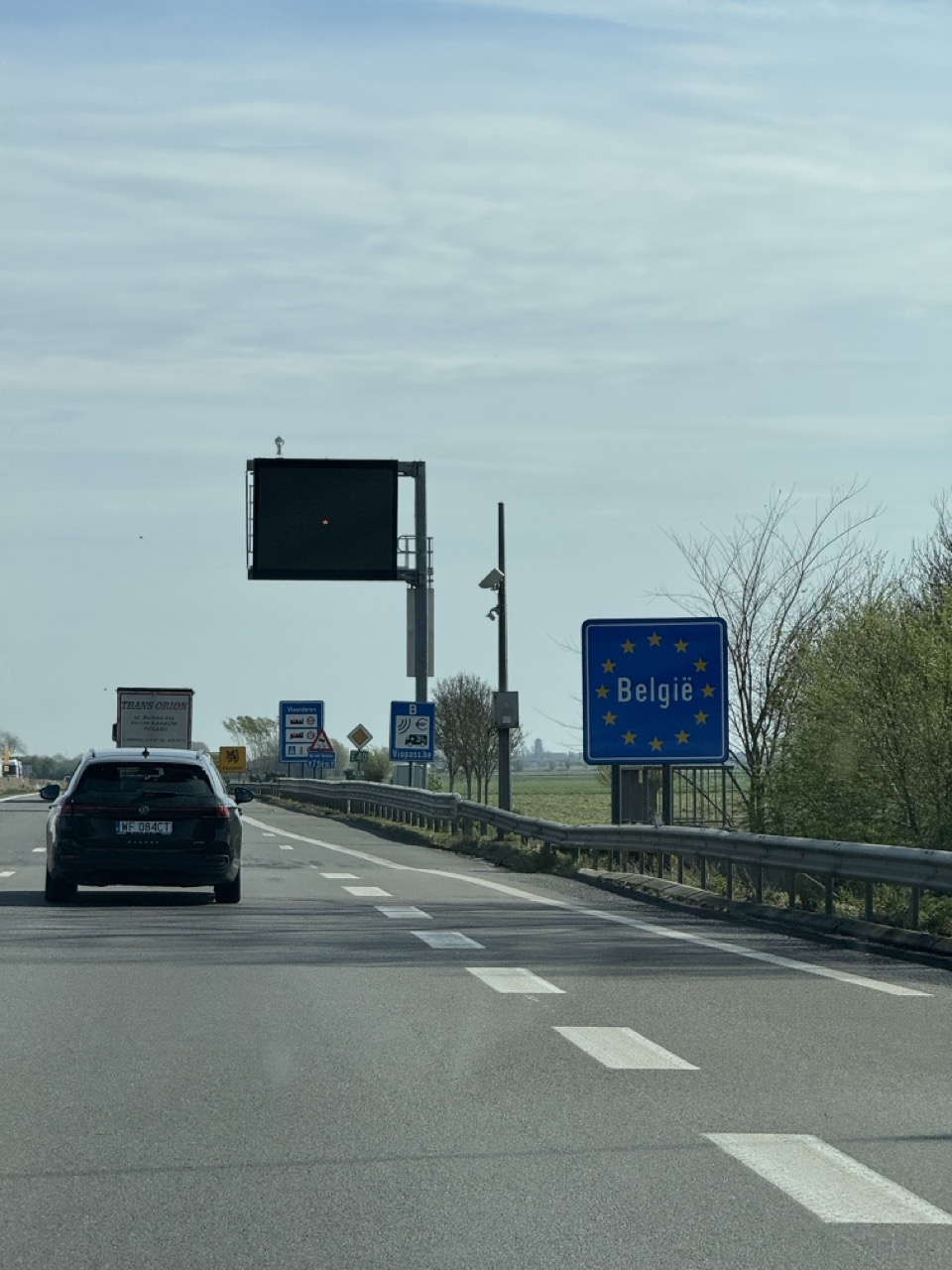
From Calais we pointed the car northeast, and from that first moment of pressing through the French countryside, we made a collective decision: we were going to take it slow. Every stop was going to earn its time.
First Stop: Bruges, the City That Looks Like a Dream
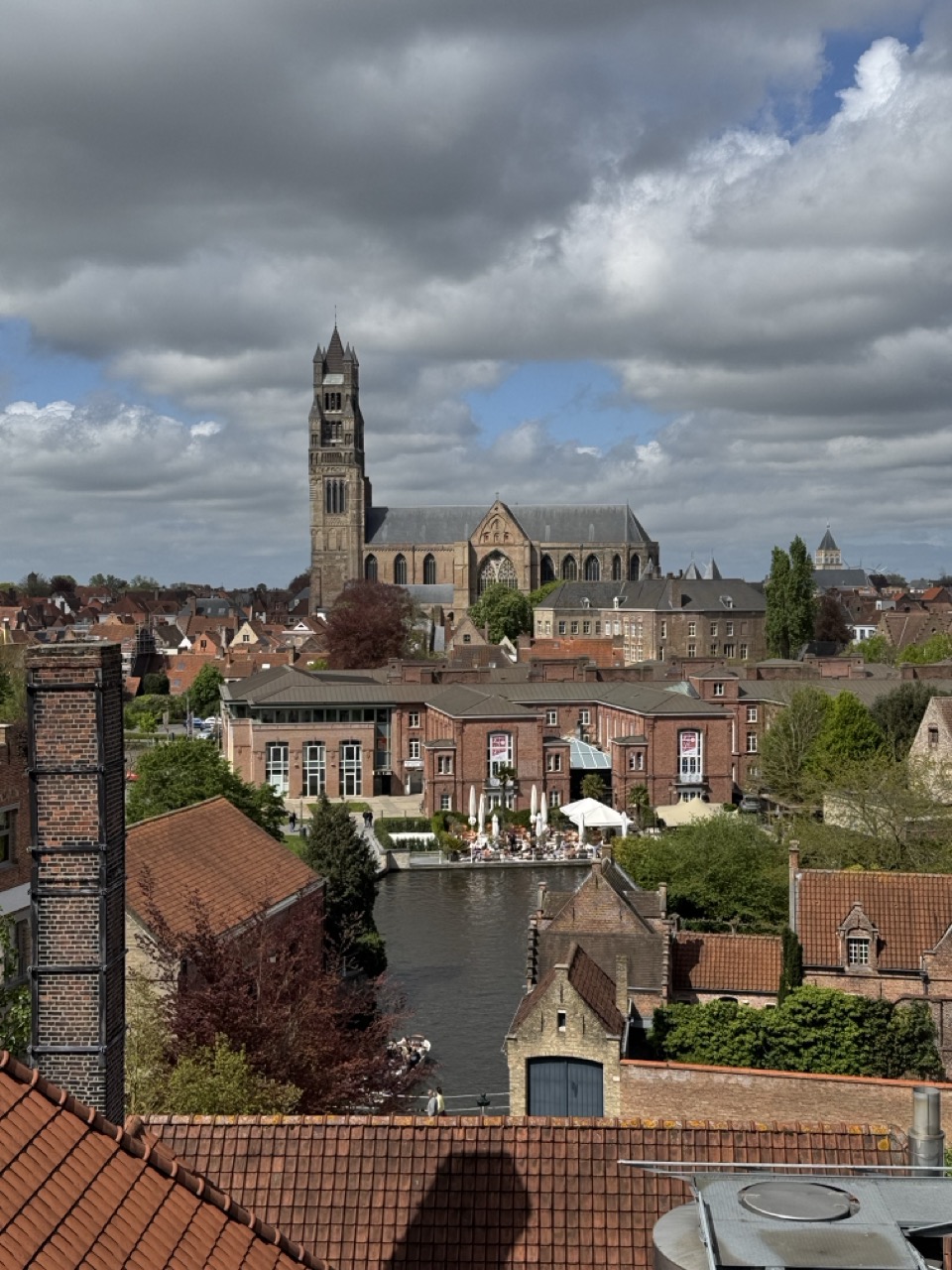
If ever a city deserved to be described as a living postcard, it is Bruges. The moment you step out of the car and into the old town, you half expect someone to hand you a script, because the whole place feels like a carefully constructed film set. Walking through it feels like stepping into a living museum, only one filled with chocolate shops, cozy cafes, and horse-drawn carriages clip-clopping over cobblestones.
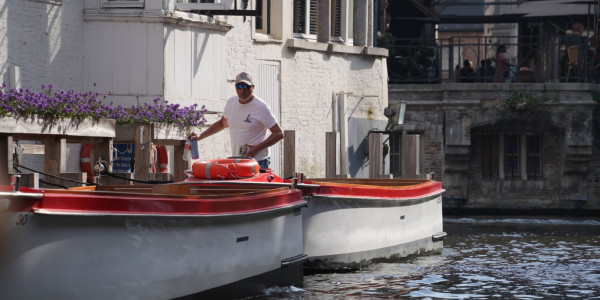
Bruges was spared from major damage in both World Wars, leaving its architectural heritage almost entirely intact. That extraordinary stroke of luck is precisely why, centuries later, visitors from all over the world can still float down canals that were once the arteries of medieval European trade, watching swans drift past Gothic facades that have stood for the better part of a millennium.
The canals really are the soul of this city. From the 12th through the 15th centuries, these waterways connected inland Bruges to the North Sea port of Damme, allowing wool from English sheep to arrive by ship and depart as Flemish cloth valued across Europe. Merchants built their warehouses with water gates opening directly onto the canals, and if you look closely today, you can still see the old loading cellars beneath the gabled houses. History is not displayed here behind velvet ropes. It is all around you, underfoot and overhead.
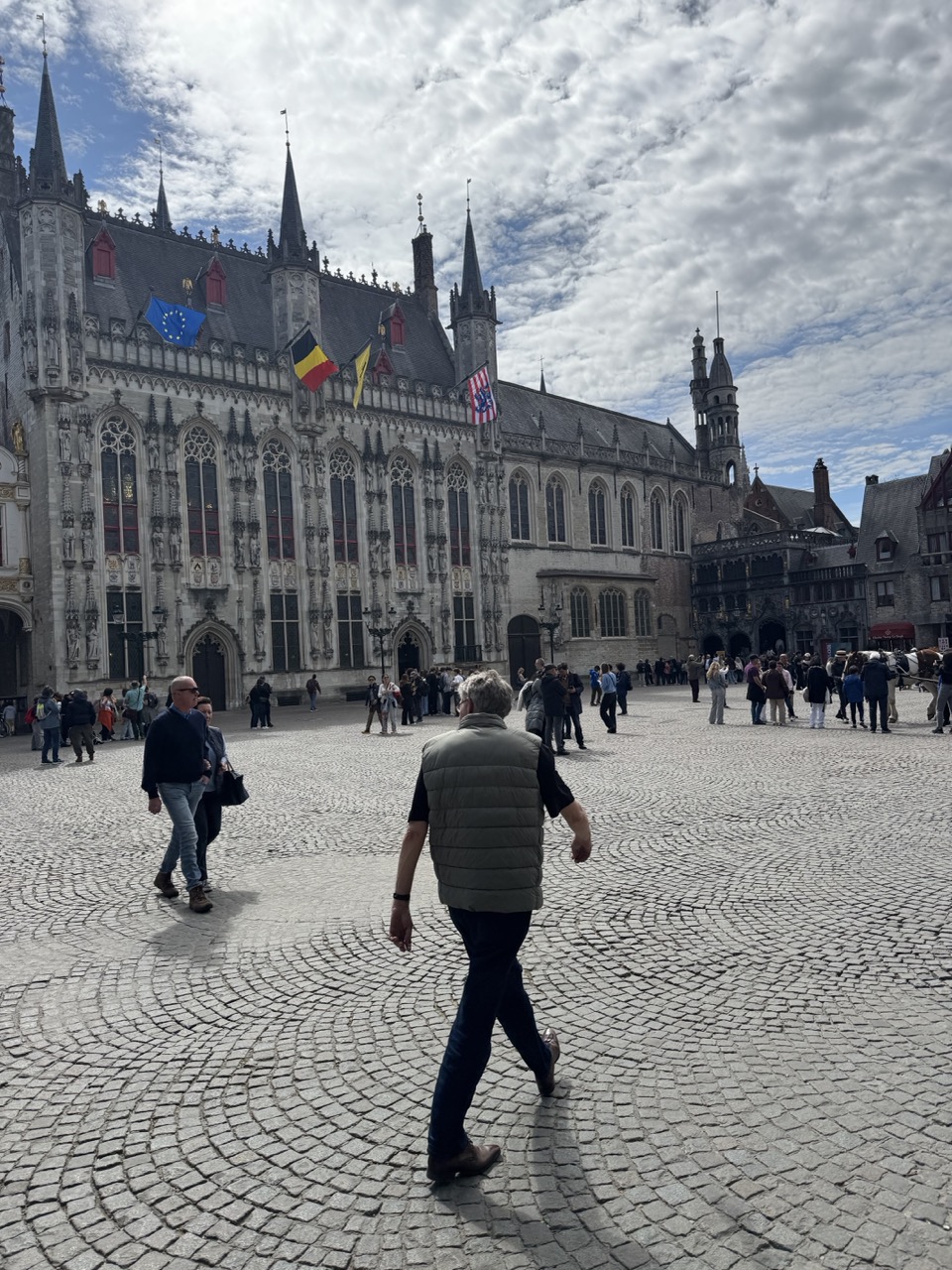
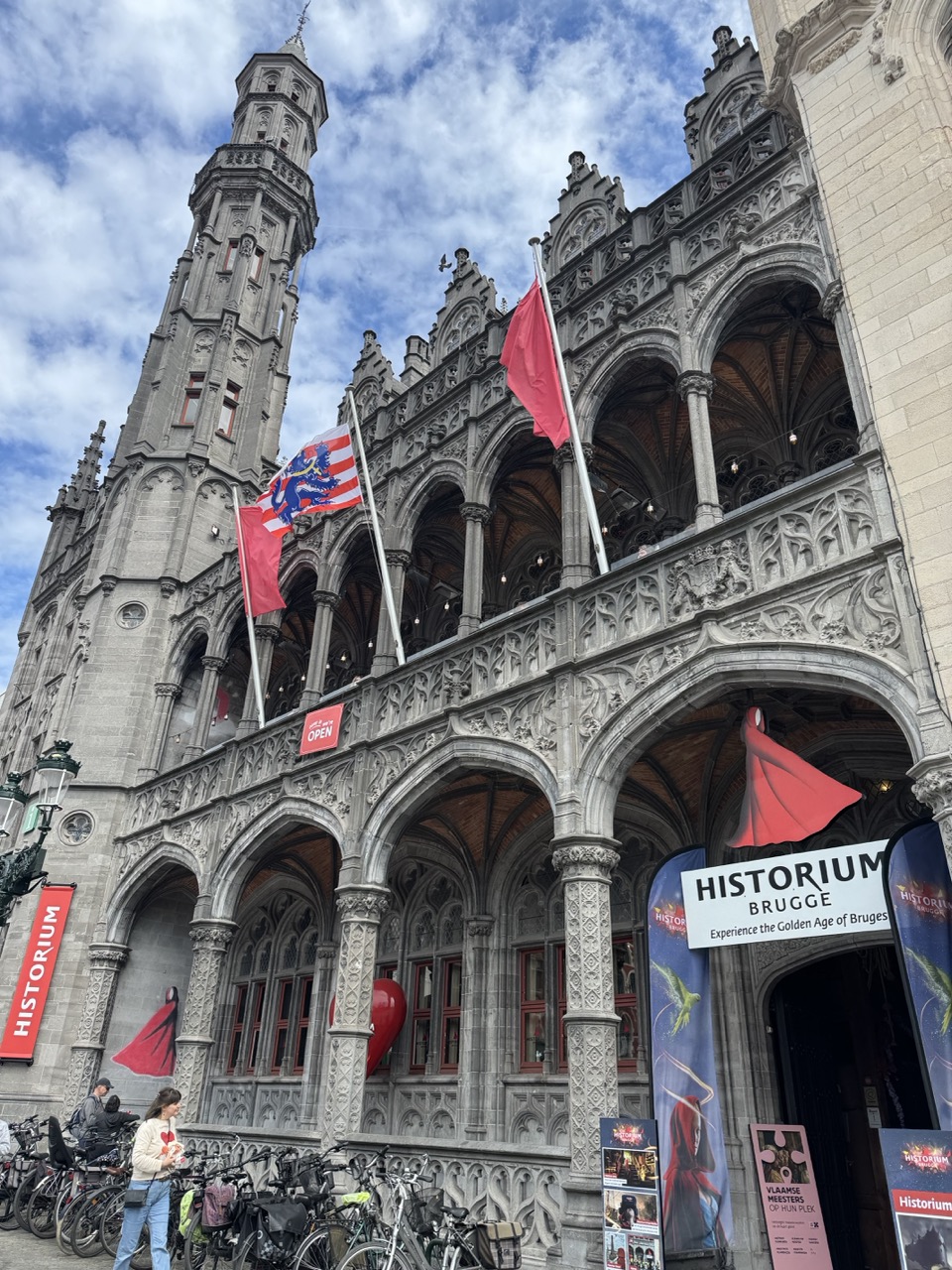
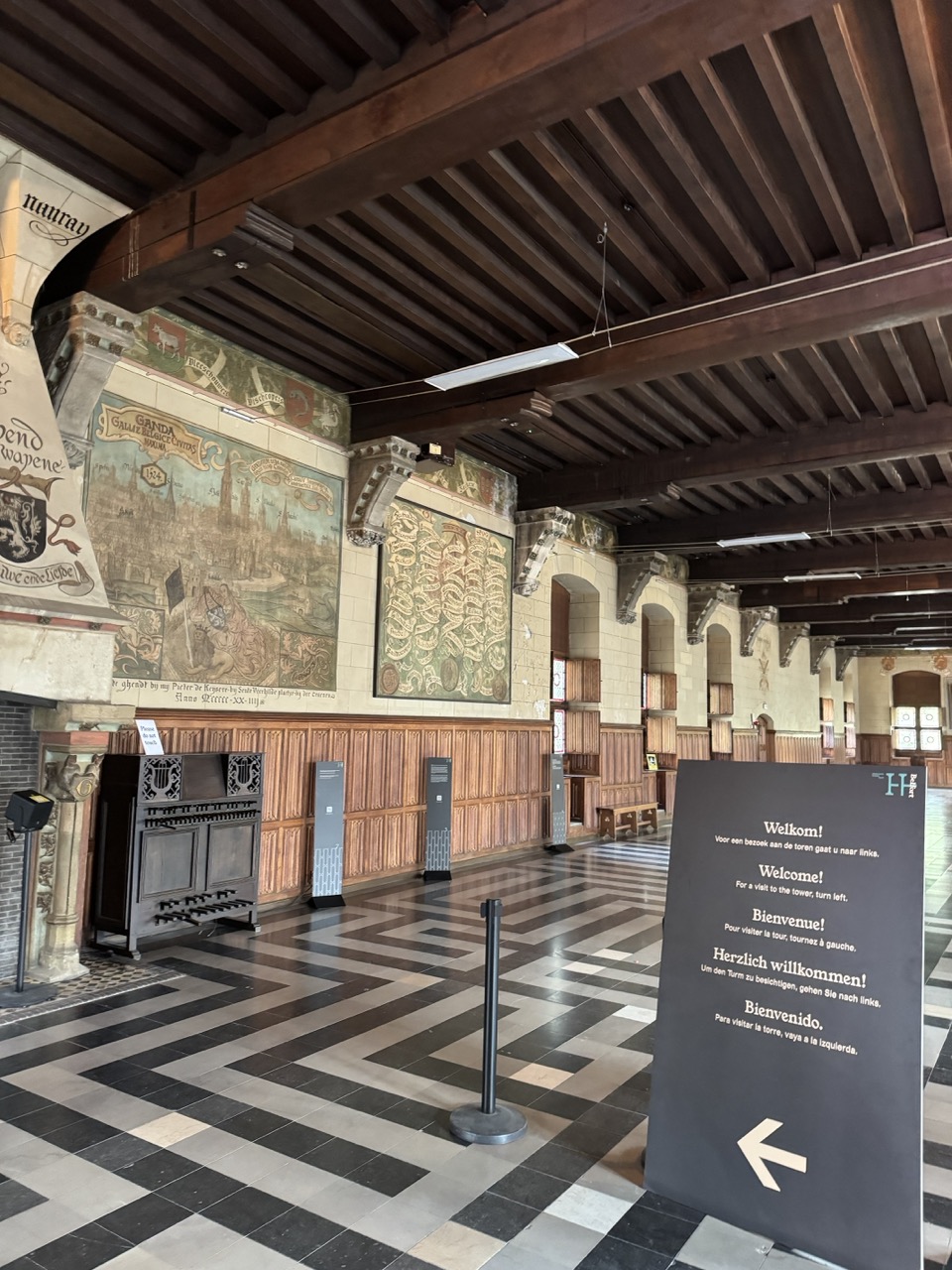
At the heart of the old town you will find two main squares: the famous Markt Square and the smaller Burg Square. The Markt is easy to locate thanks to its most famous landmark, the impressive 13th-century Belfry of Bruges. Just a short walk from the Markt sits the square in front of Historium, the immersive medieval experience museum that occupies one of the most striking buildings on the entire waterfront. Even if you do not go inside, the square itself is worth pausing at. It opens up onto the canal at Rozenhoedkaai, widely considered the most photographed spot in all of Bruges, where the Belfry rises dramatically in the background and the water below reflects the stepped gable rooftops in that quiet, mirror-like way that makes you reach for your camera before you have even consciously decided to.
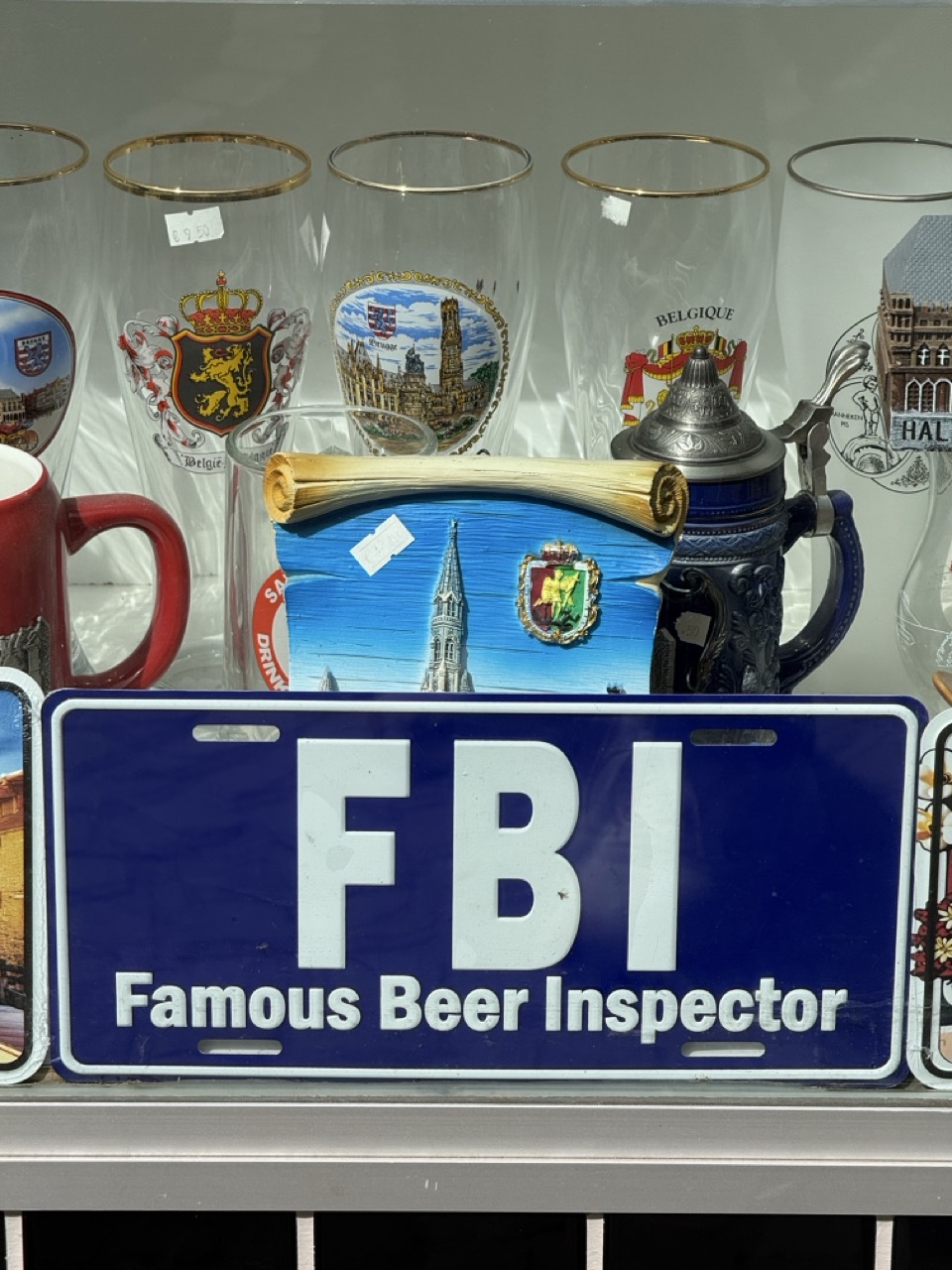
From there we simply let ourselves get lost, which in Bruges is less a navigation failure and more a deliberate strategy. The streets radiating out from the main squares are lined with independent shops selling everything from handmade lace to artisan ceramics to local gin, and the browsing itself becomes part of the experience. There is a warmth to wandering here that you do not always find in heavily visited cities. It never feels like a theme park. It feels like a real place that happens to be extraordinarily beautiful.
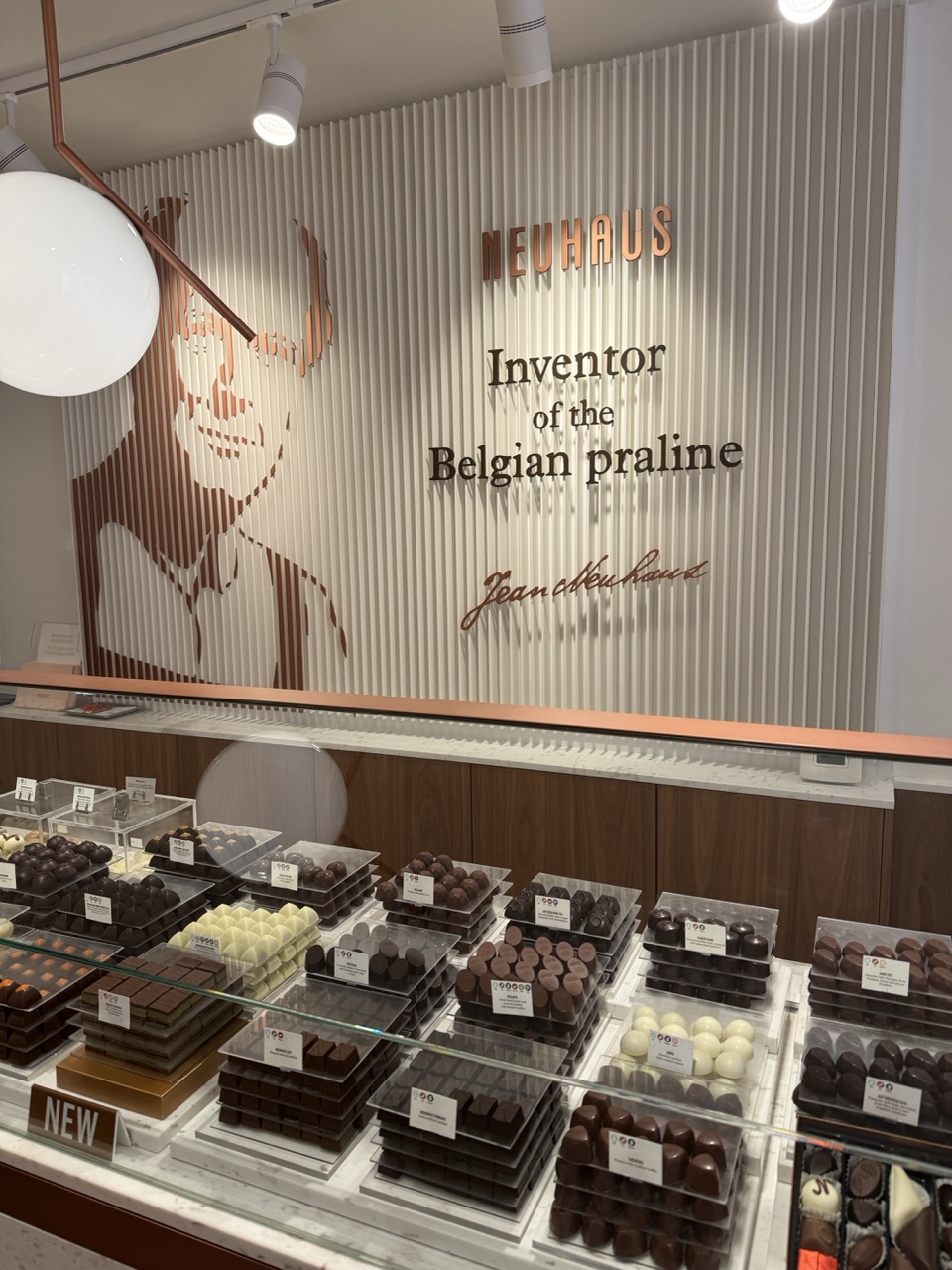
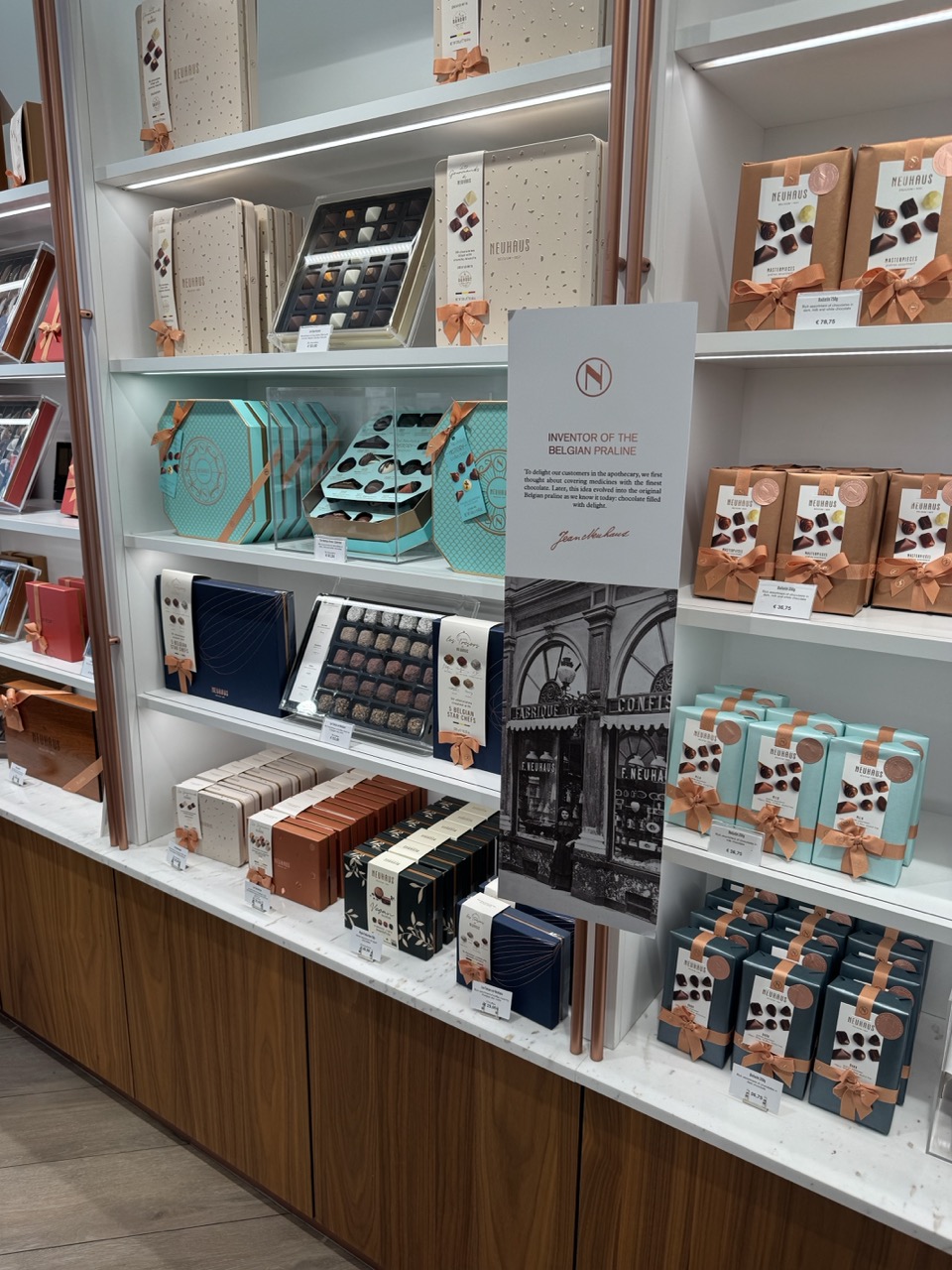
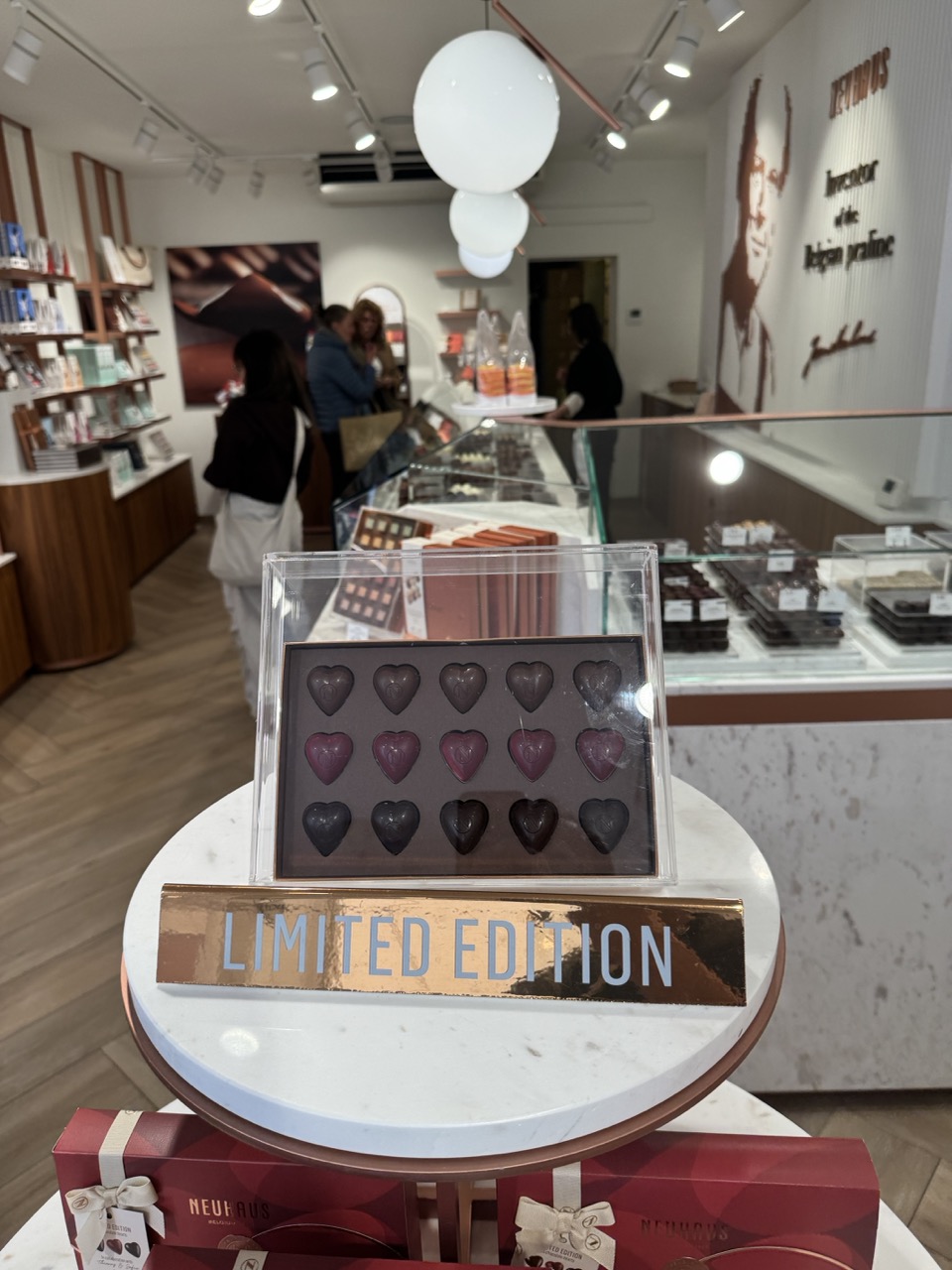
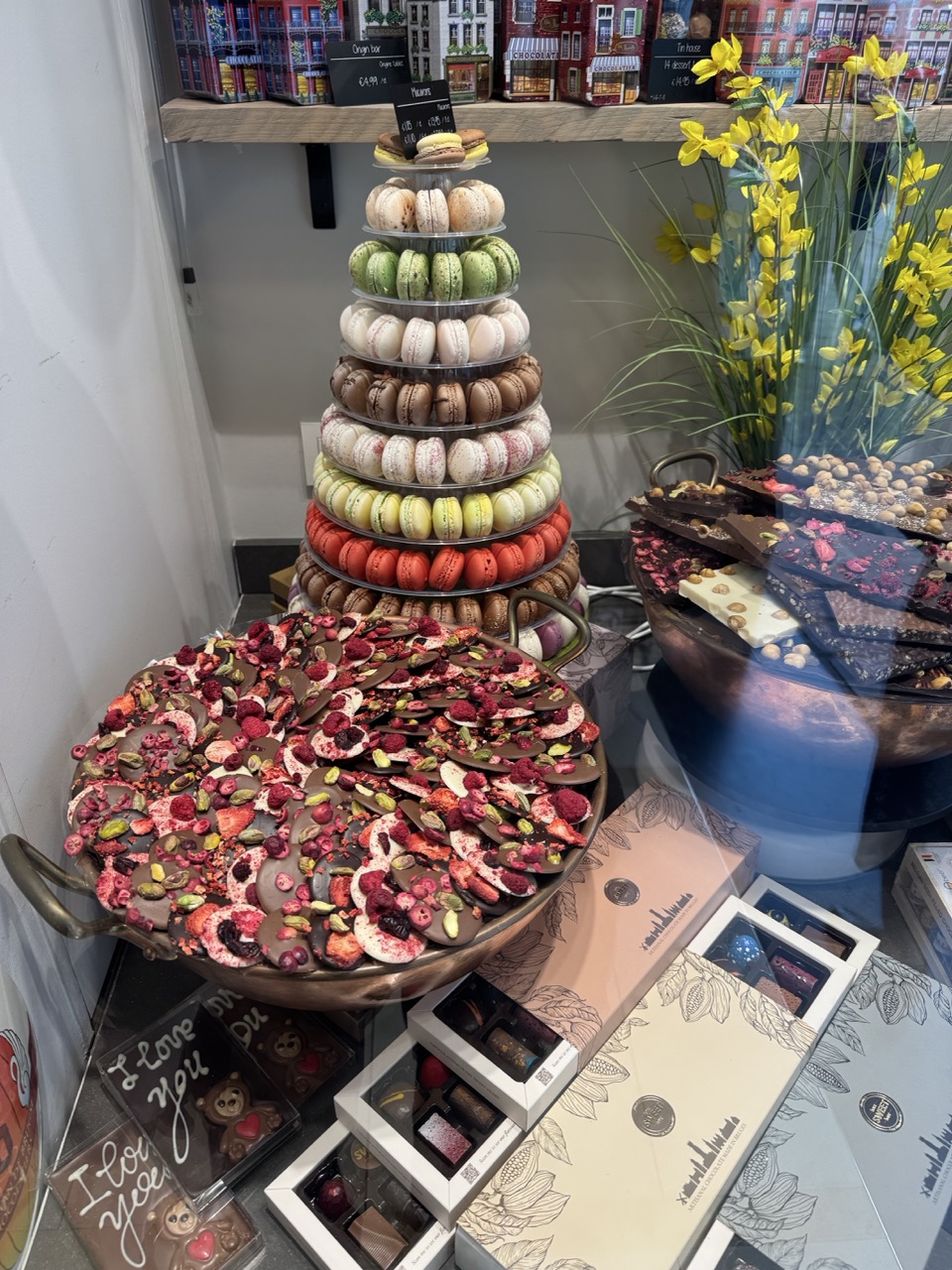
One stop that we would make compulsory for anyone visiting is the Neuhaus chocolate shop. Belgium takes its chocolate with the same seriousness that France takes its wine, and Neuhaus, which was founded in Brussels in 1857 and actually invented the praline, is one of the great institutions of that tradition. Picking up a box here is not an optional souvenir. It is a responsibility. The pralines are layered and complex in a way that makes you slow down and actually pay attention to what you are eating, which is exactly what good chocolate should do.
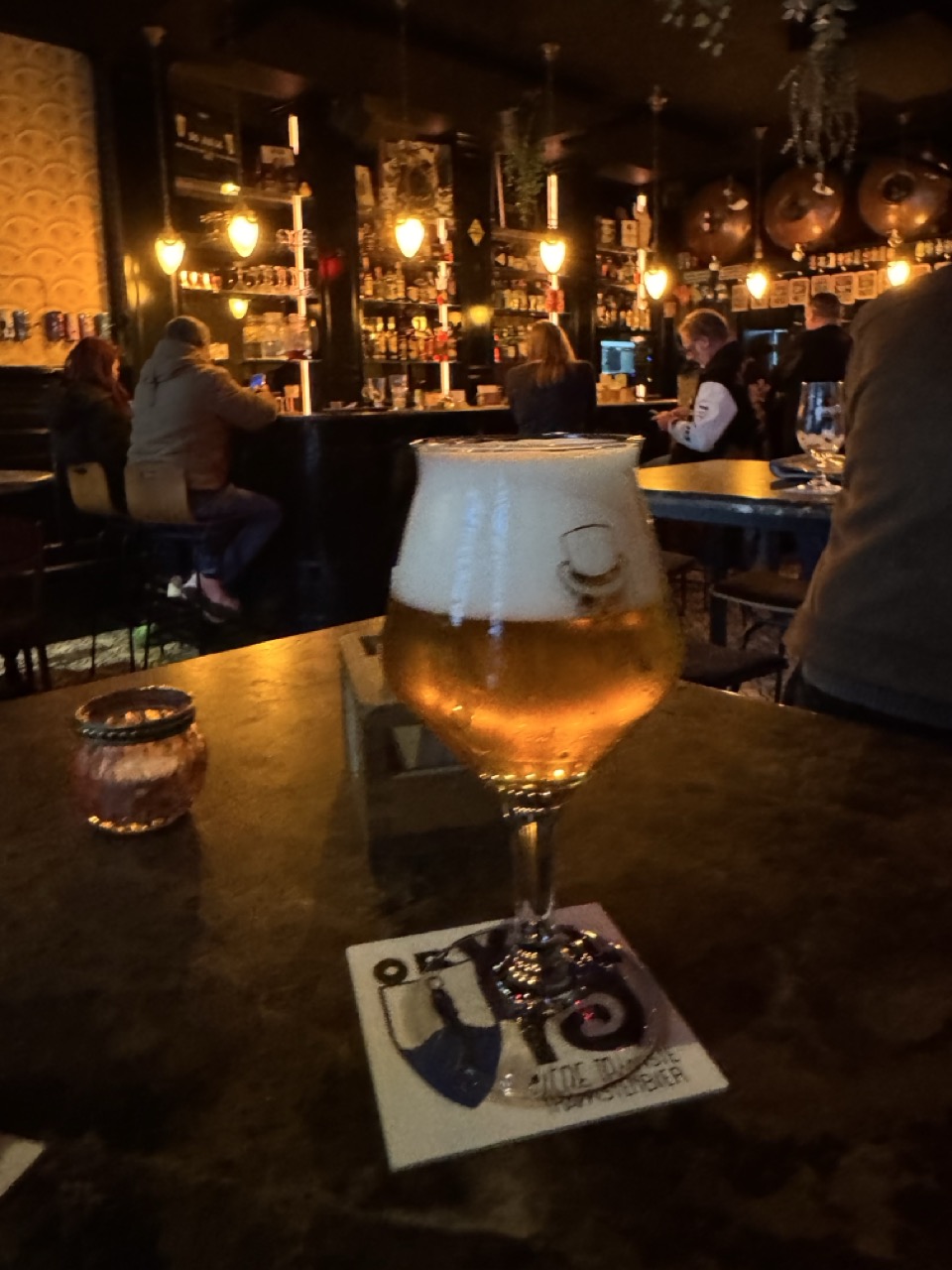
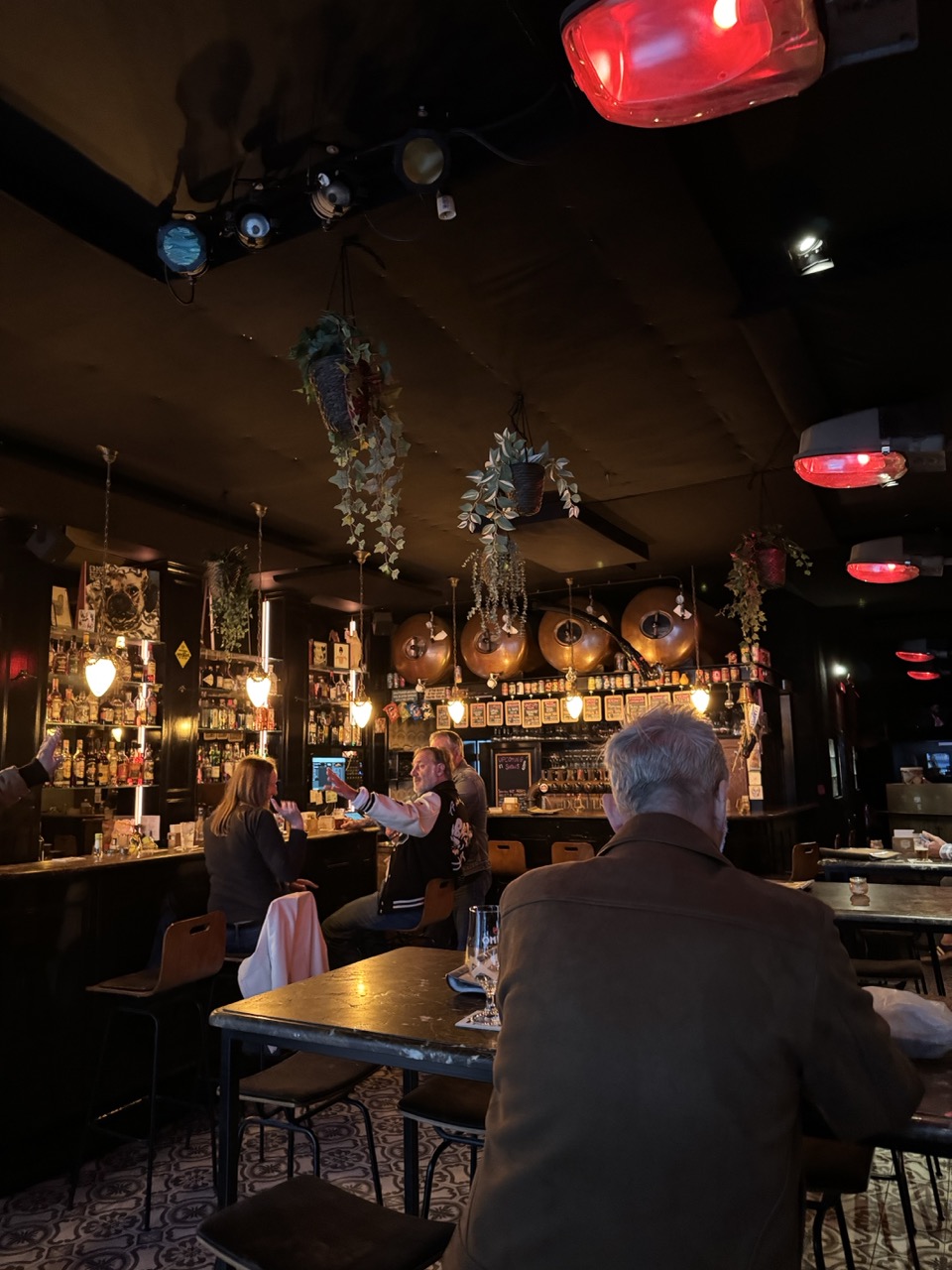
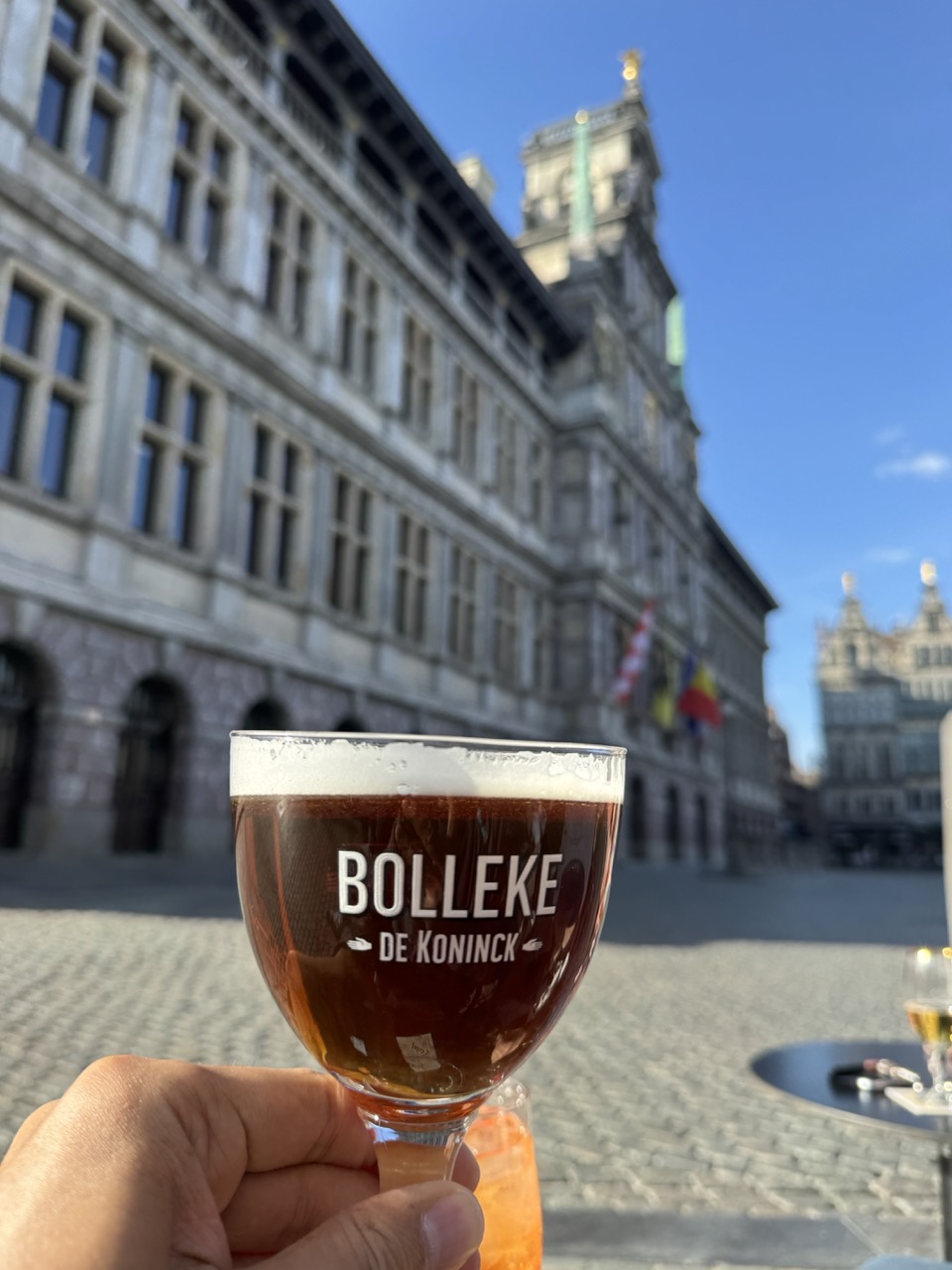
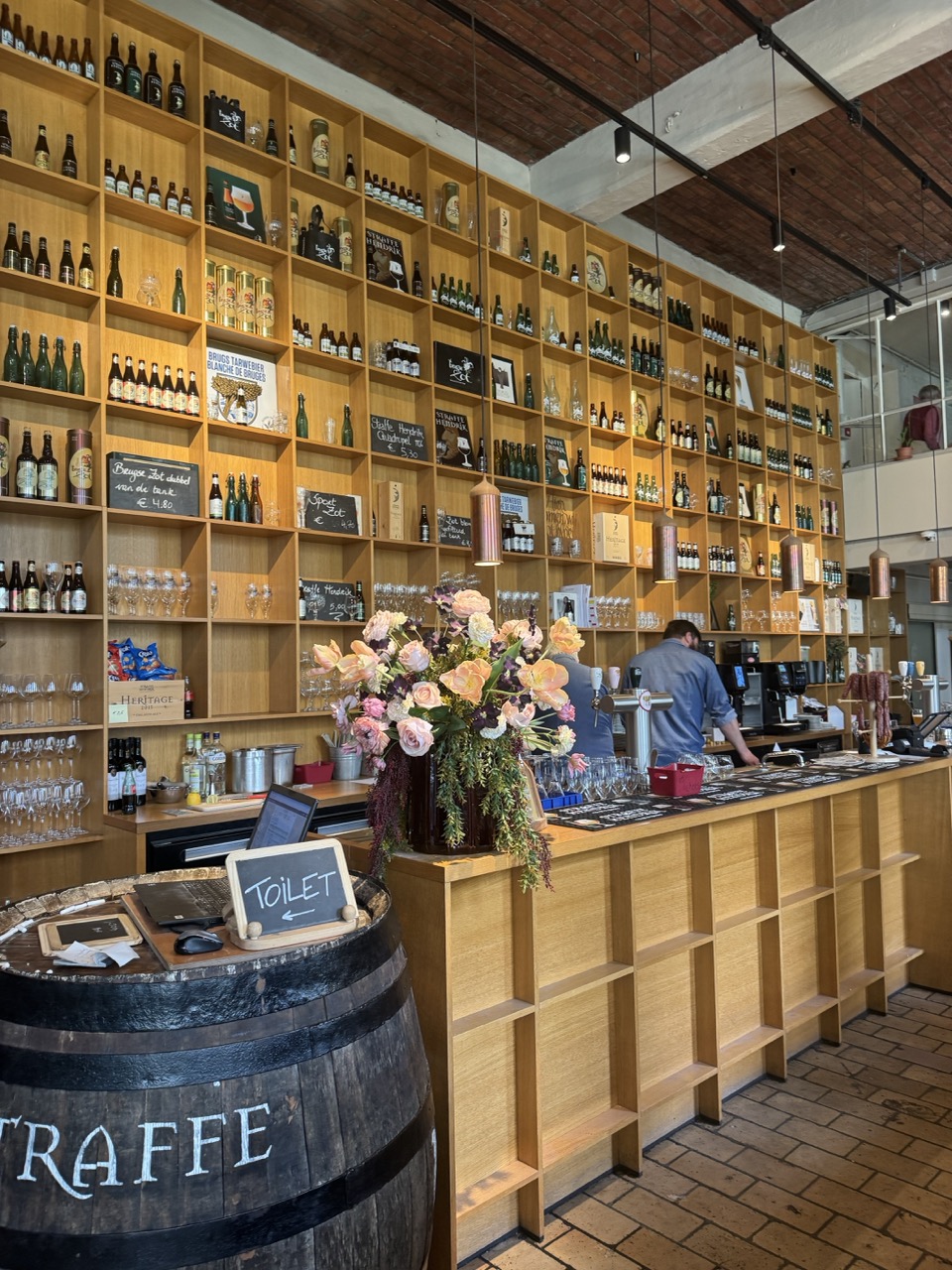
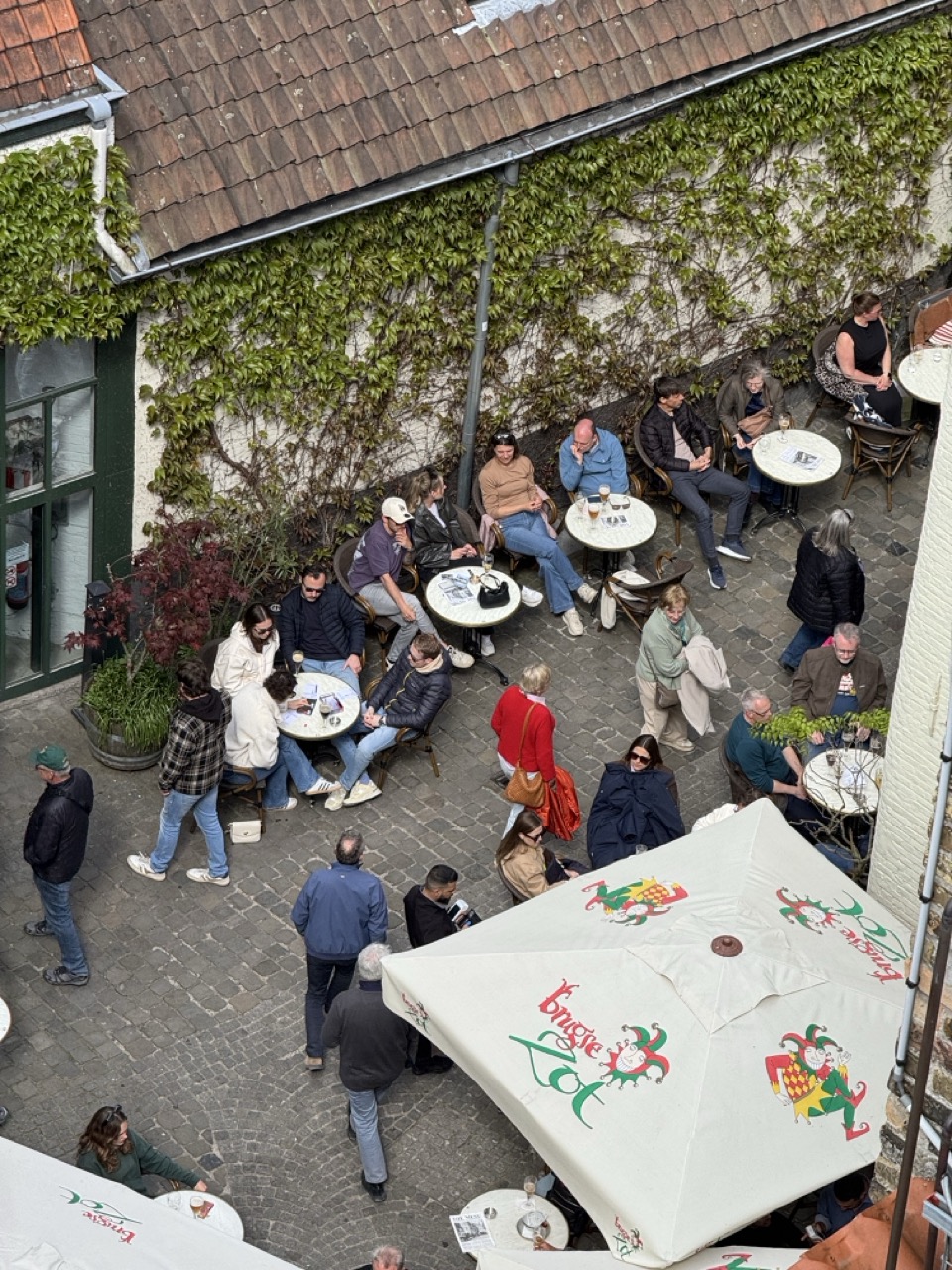
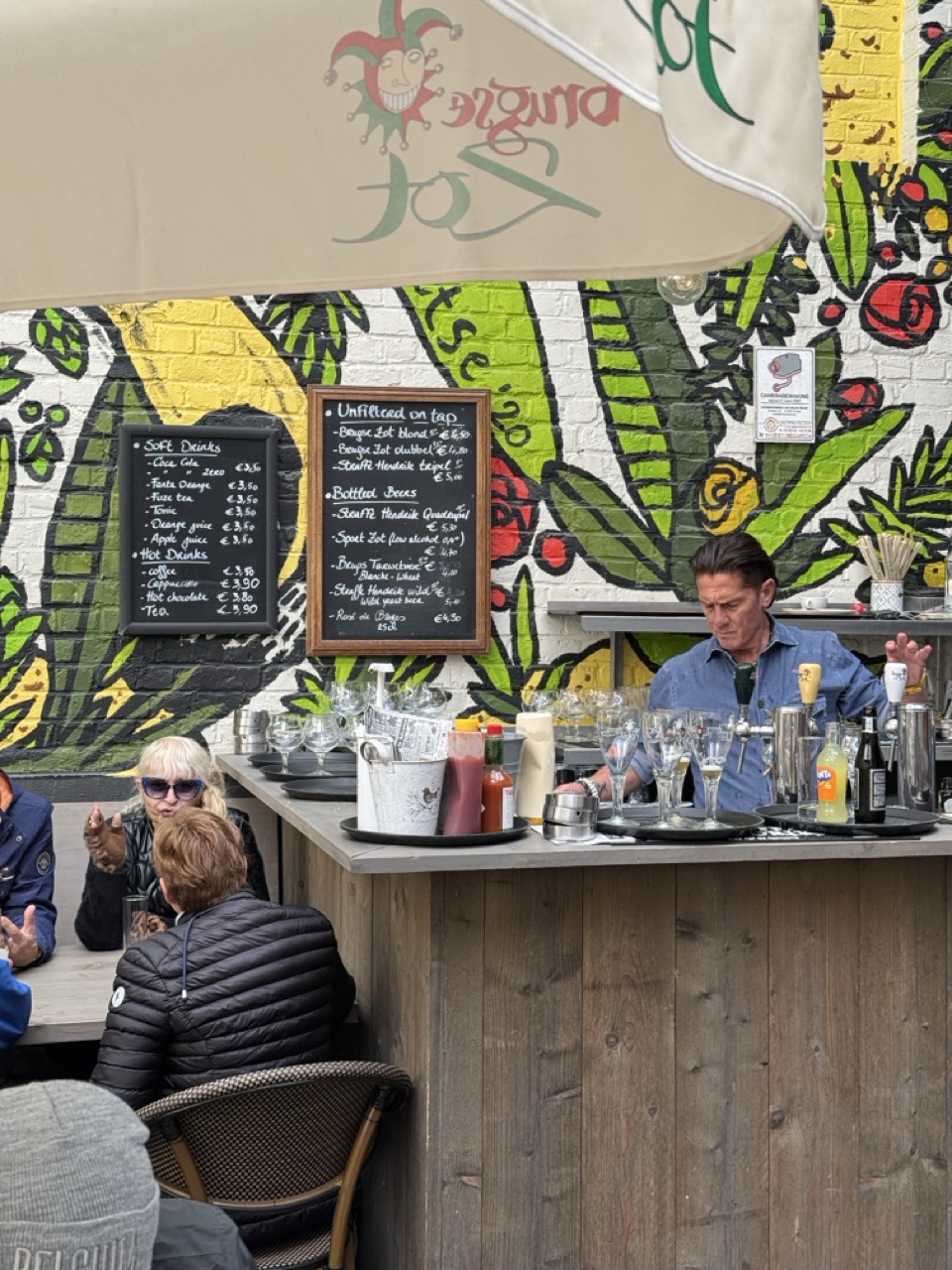
After the chocolate, we ducked into one of the local pubs for a proper sit-down with Belgian beer, and this is where the country really comes into its own. Belgium has over 400 breweries producing nearly 1,500 different beers, and a good Bruges pub will give you access to a selection that would take weeks to properly work through. We ordered a round of local beer, settled into a corner with dark wooden walls and the kind of low lighting that makes every conversation feel slightly more important, and just enjoyed the pace of the evening.
Ghent: Belgium's Best Kept Secret
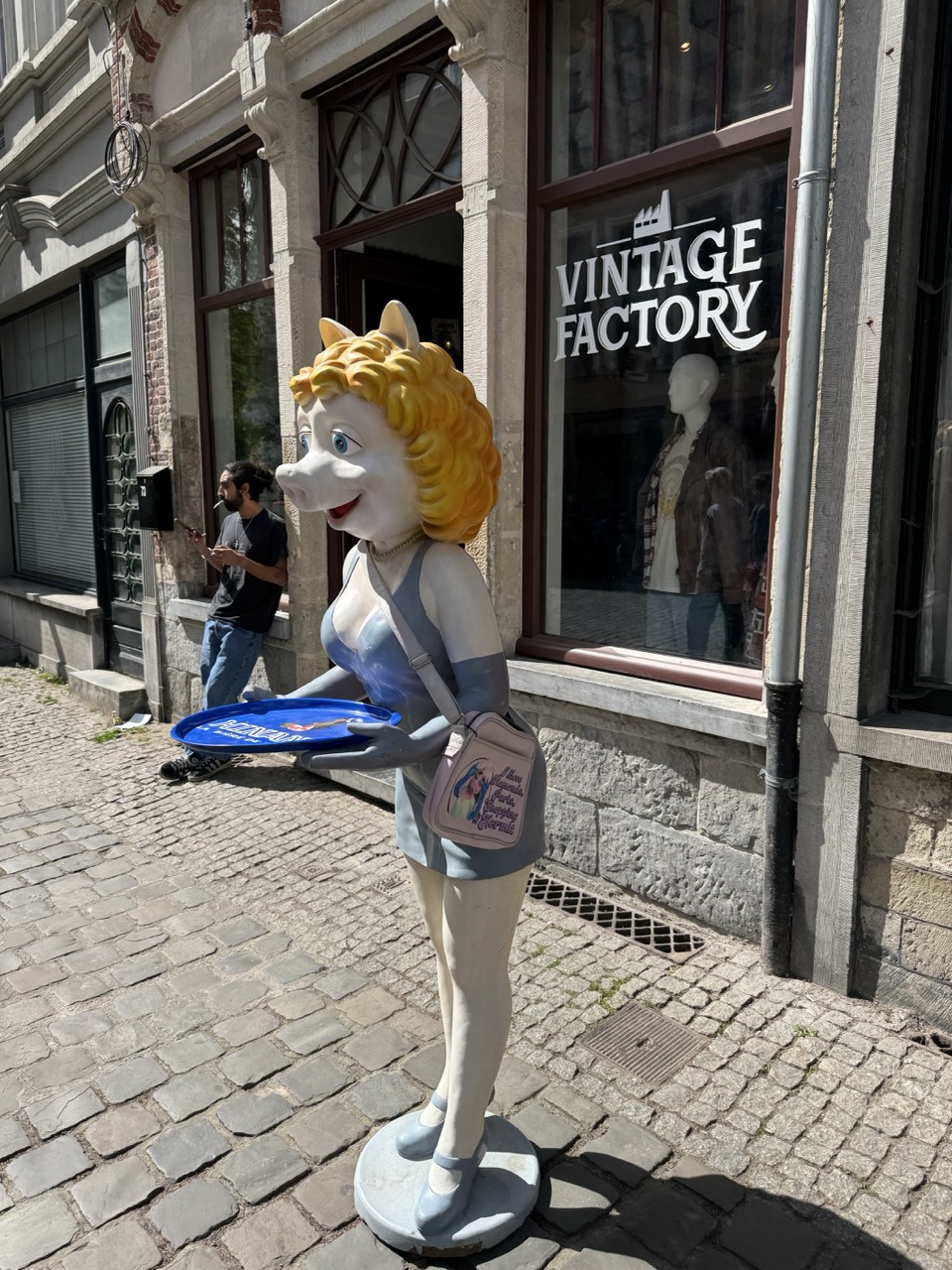
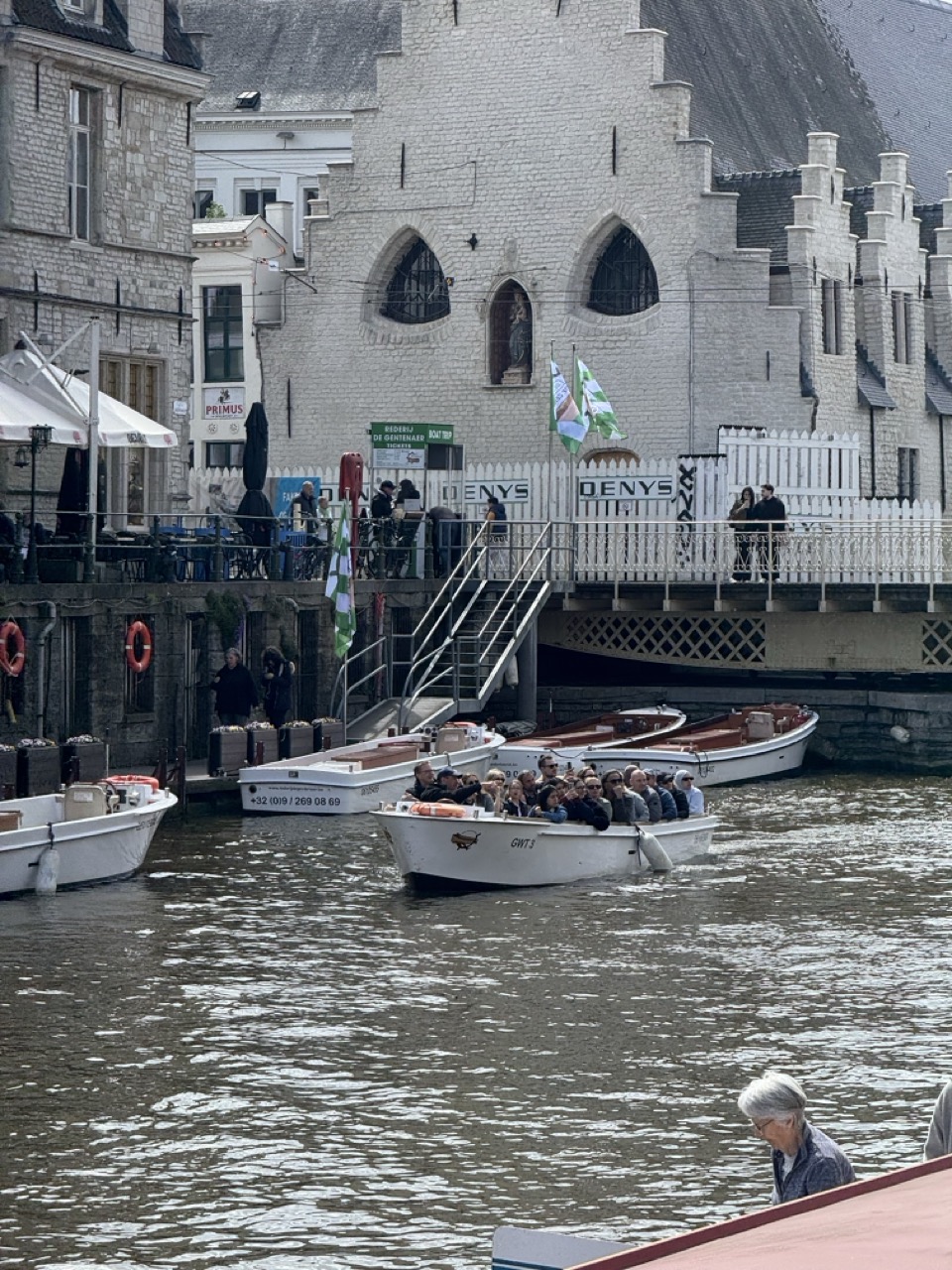
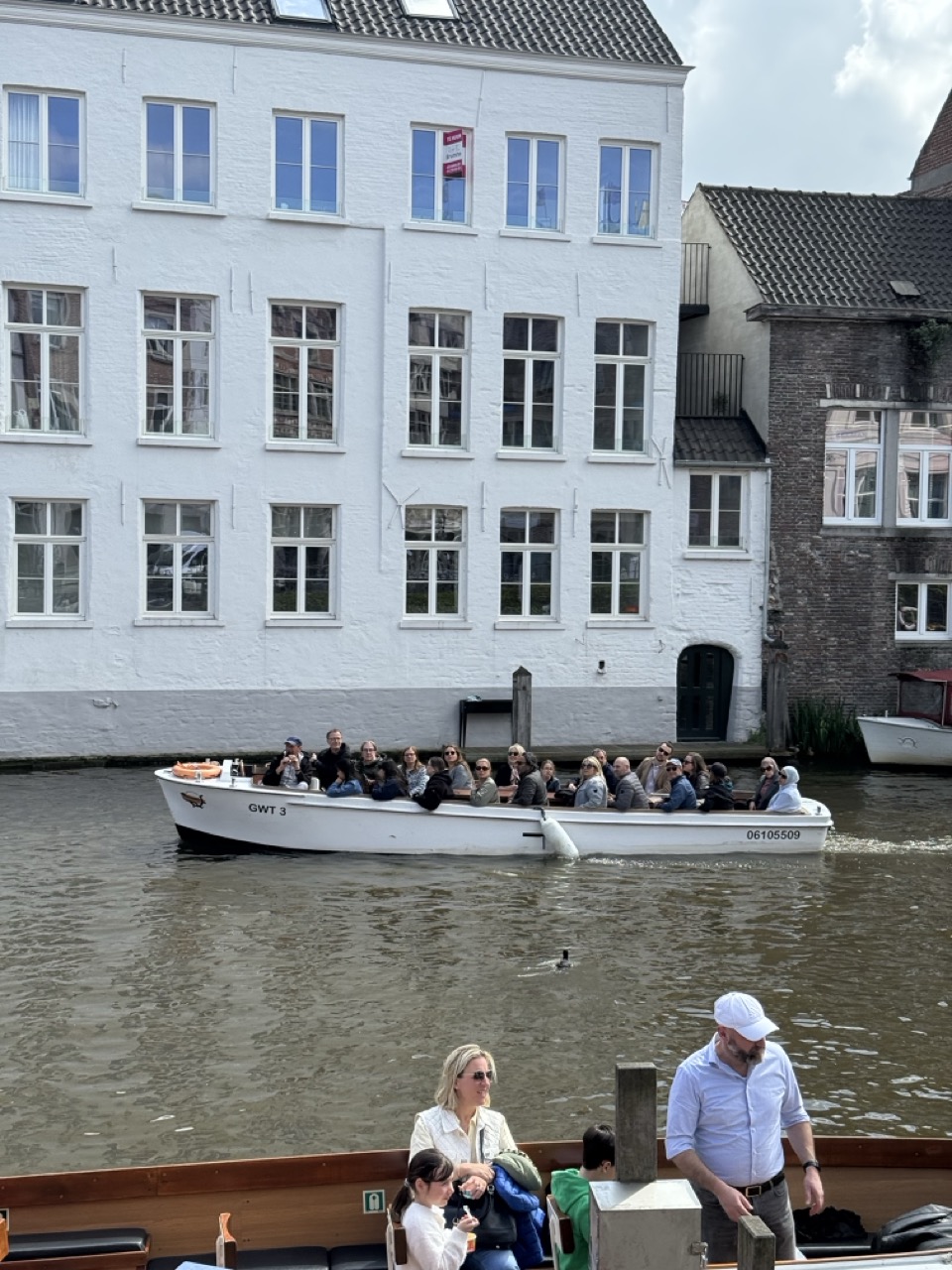
After Bruges, we rolled into Ghent, and the contrast was immediately striking in the best possible way. Where Bruges is polished and picture-perfect, Ghent is something altogether different. It has cobbled streets, centuries-old architecture, and picturesque canals, but it is also a living place, with just the right amount of urban grittiness and a welcome splash of creative, hipster funkiness.
Ghent is a city where people enjoy life, a chilled-out place where anything goes and a city that feels genuinely human. And you feel that the moment you sit down at a pavement cafe and watch the locals go about their day. There is none of the slightly performance-art quality that can creep into very tourist-heavy places. People here are just living, and you happen to be visiting.
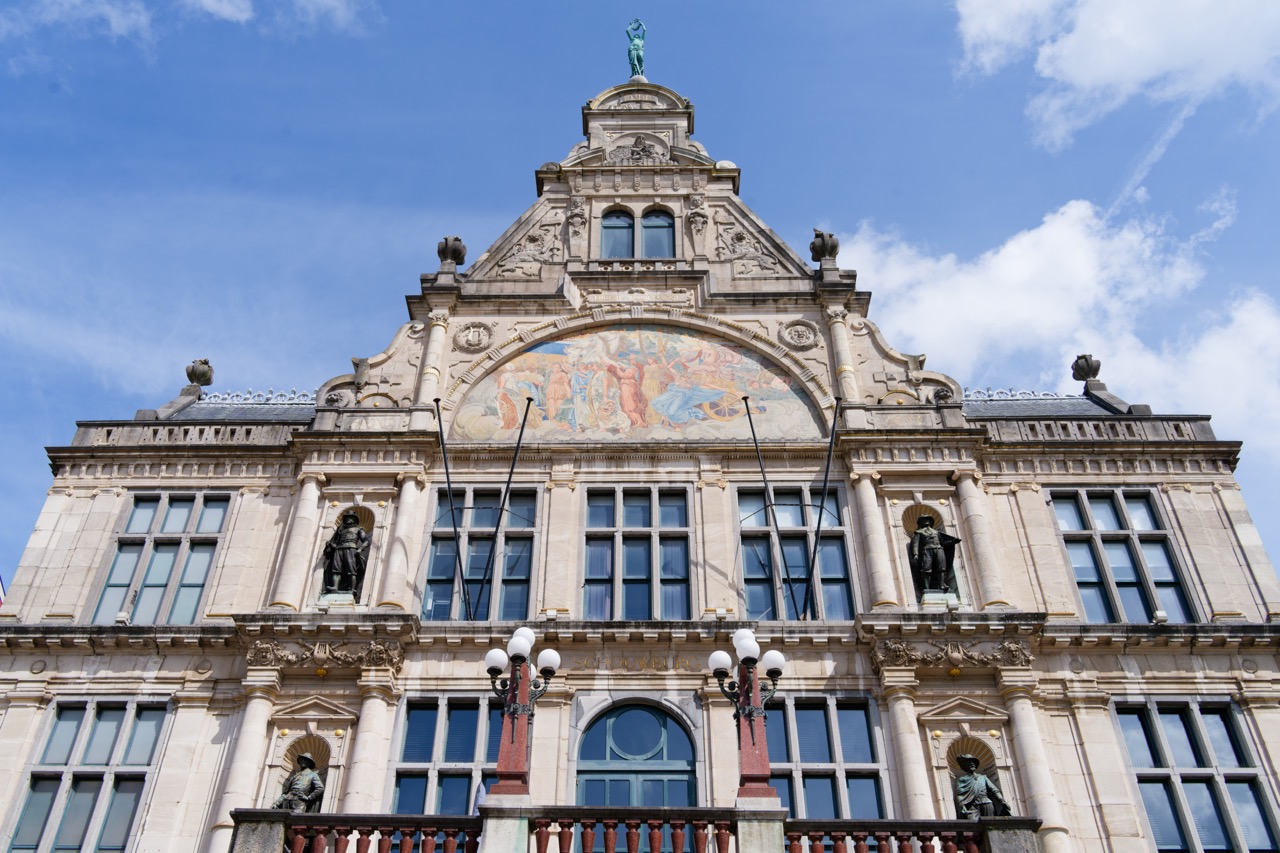
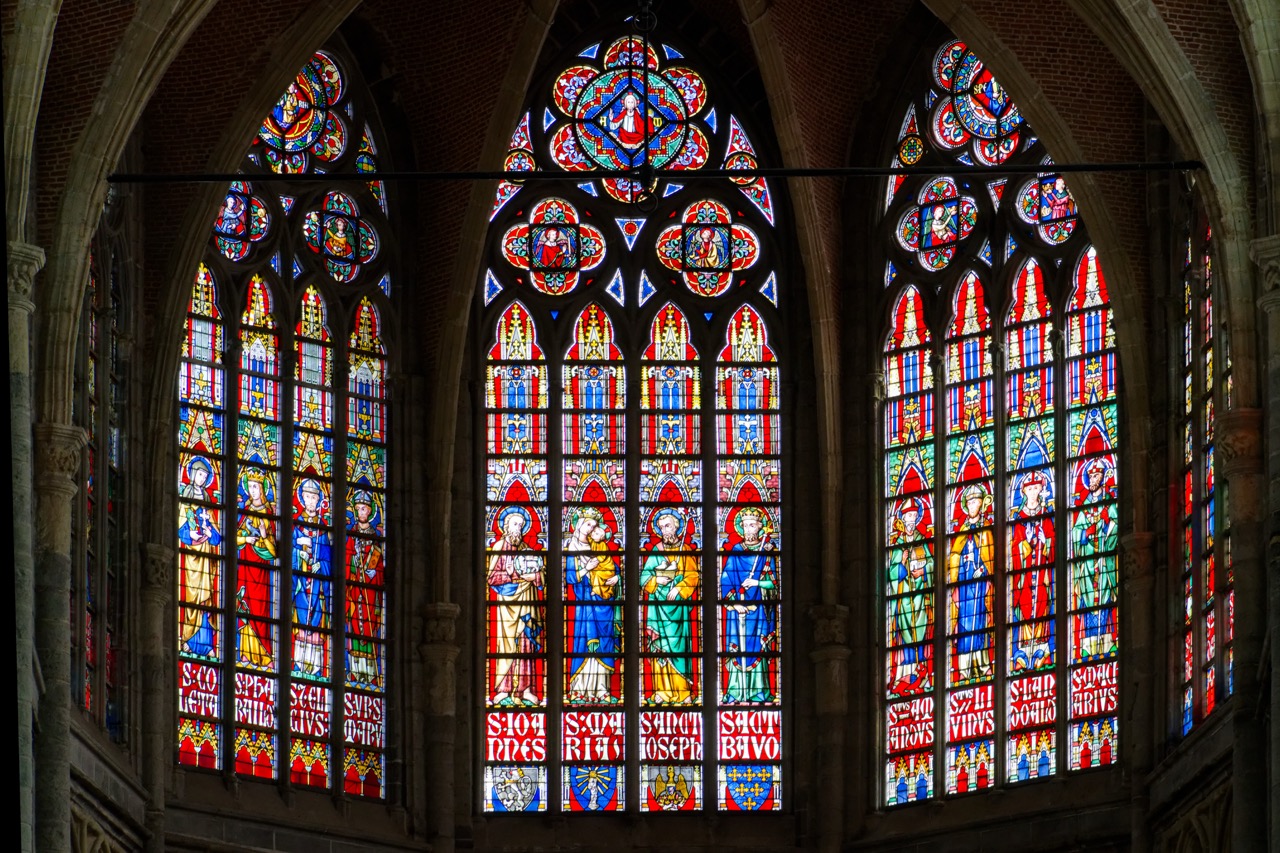
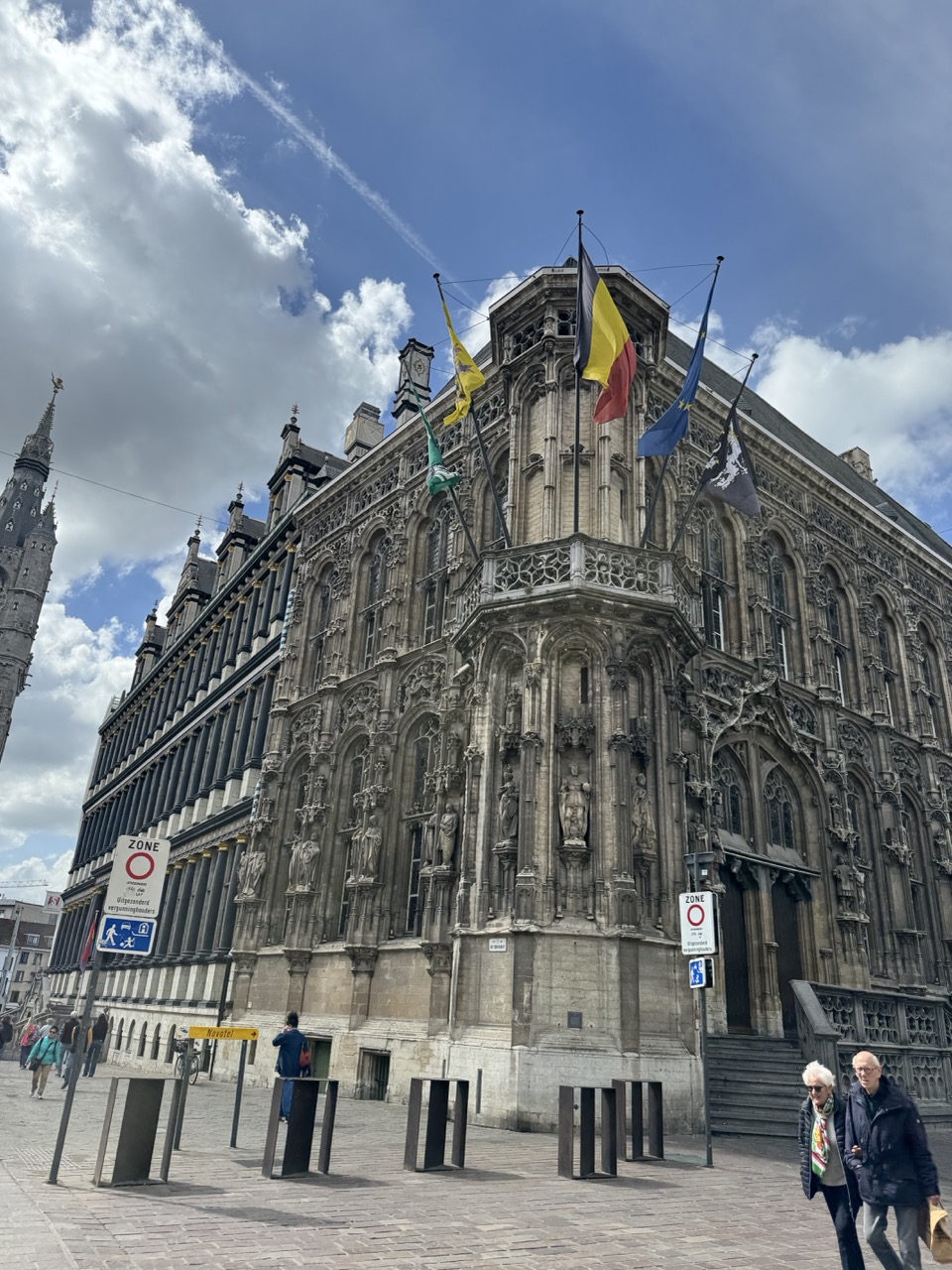
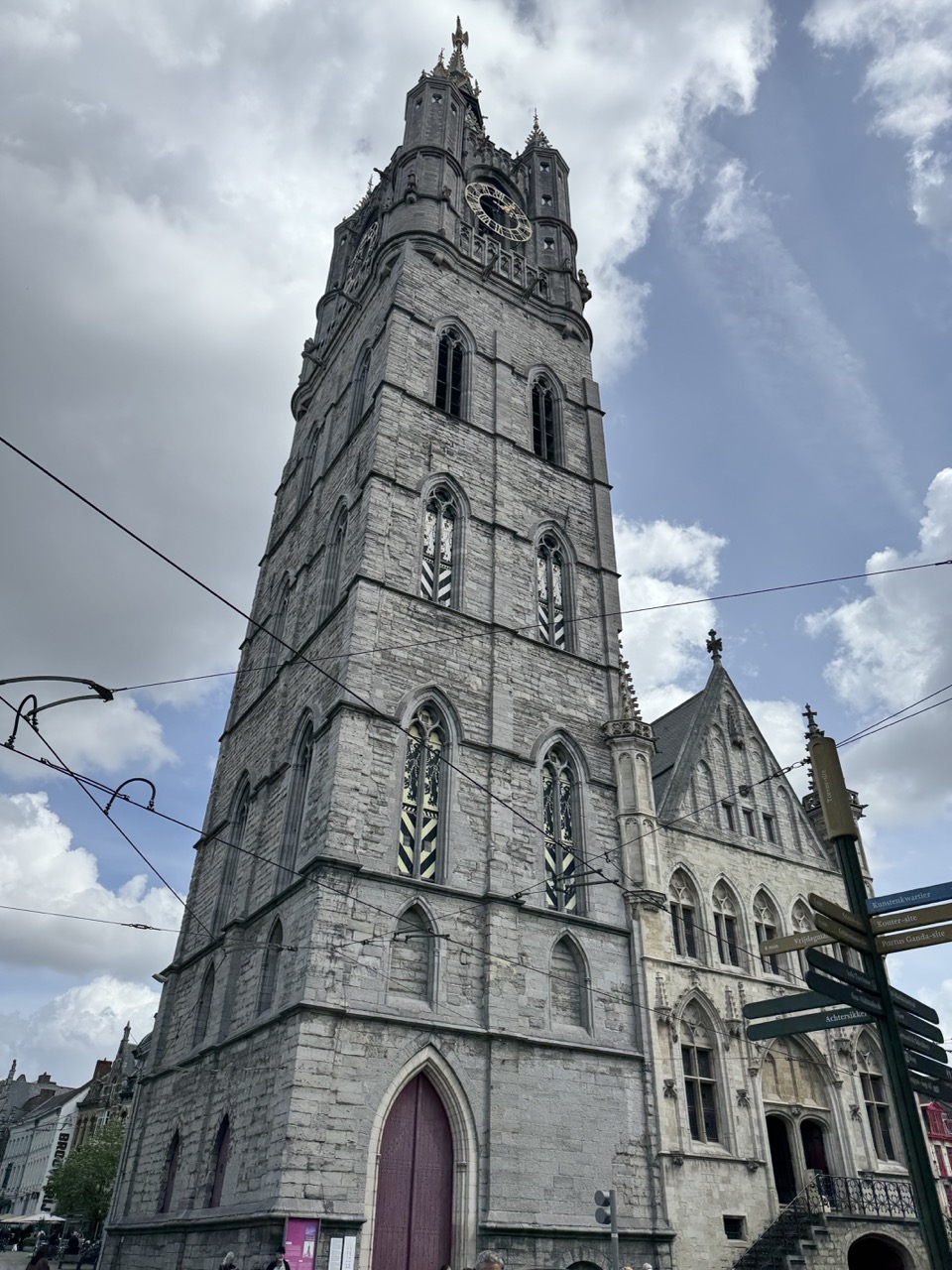
The medieval towers of Ghent are a genuine jaw-dropper, especially when you come across them unexpectedly at the end of a narrow street. The Belfry of Ghent stands 91 metres tall and is a UNESCO World Heritage site, a key symbol of the city's medieval autonomy. Completed in the 14th century, it once held the city's charters and housed watchmen who rang the alarm bell in times of danger. Just around the corner, the Cathedral of St Bavo holds the famous Ghent Altarpiece, considered one of the most important paintings in the entire history of Western art.
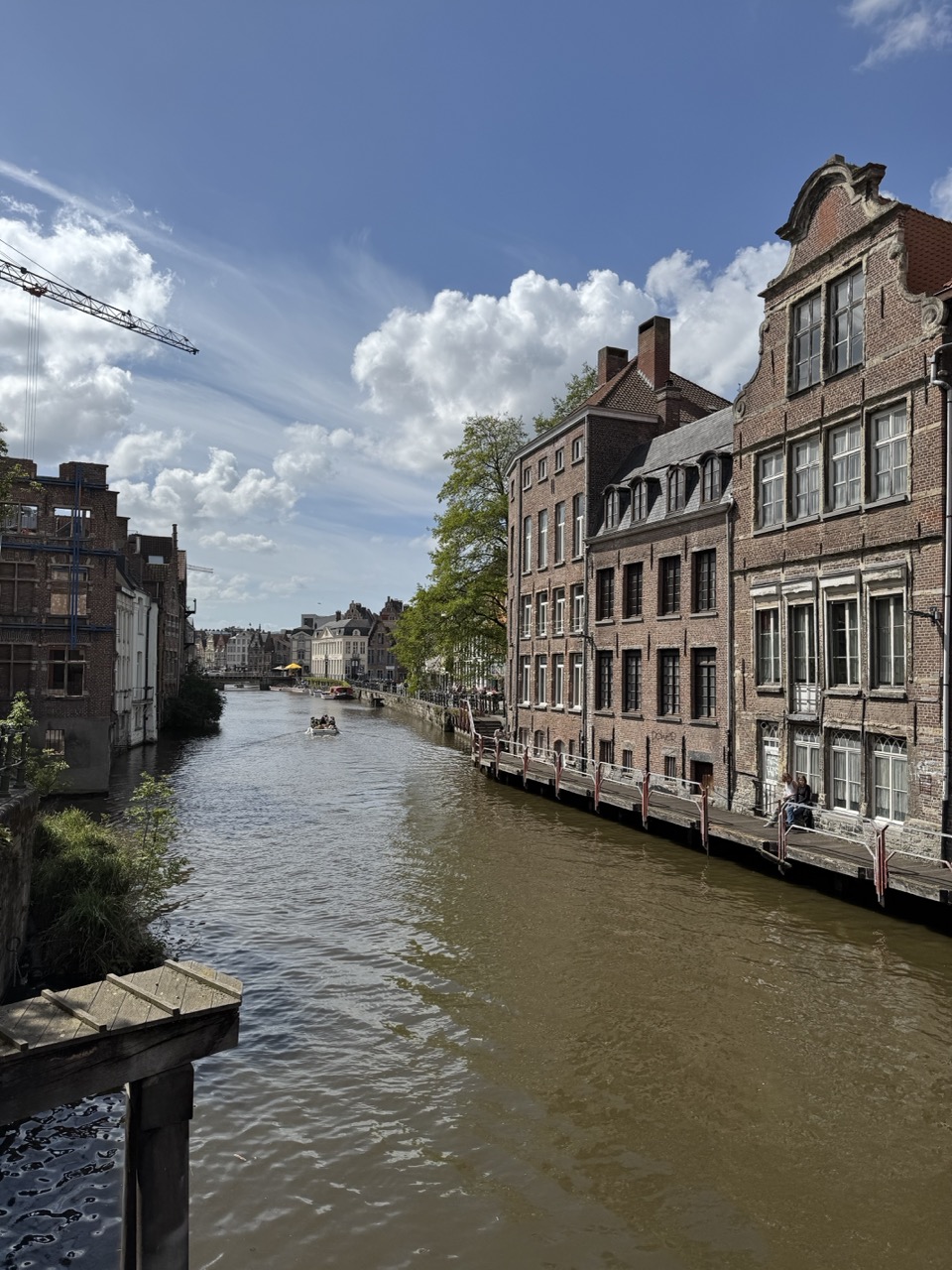
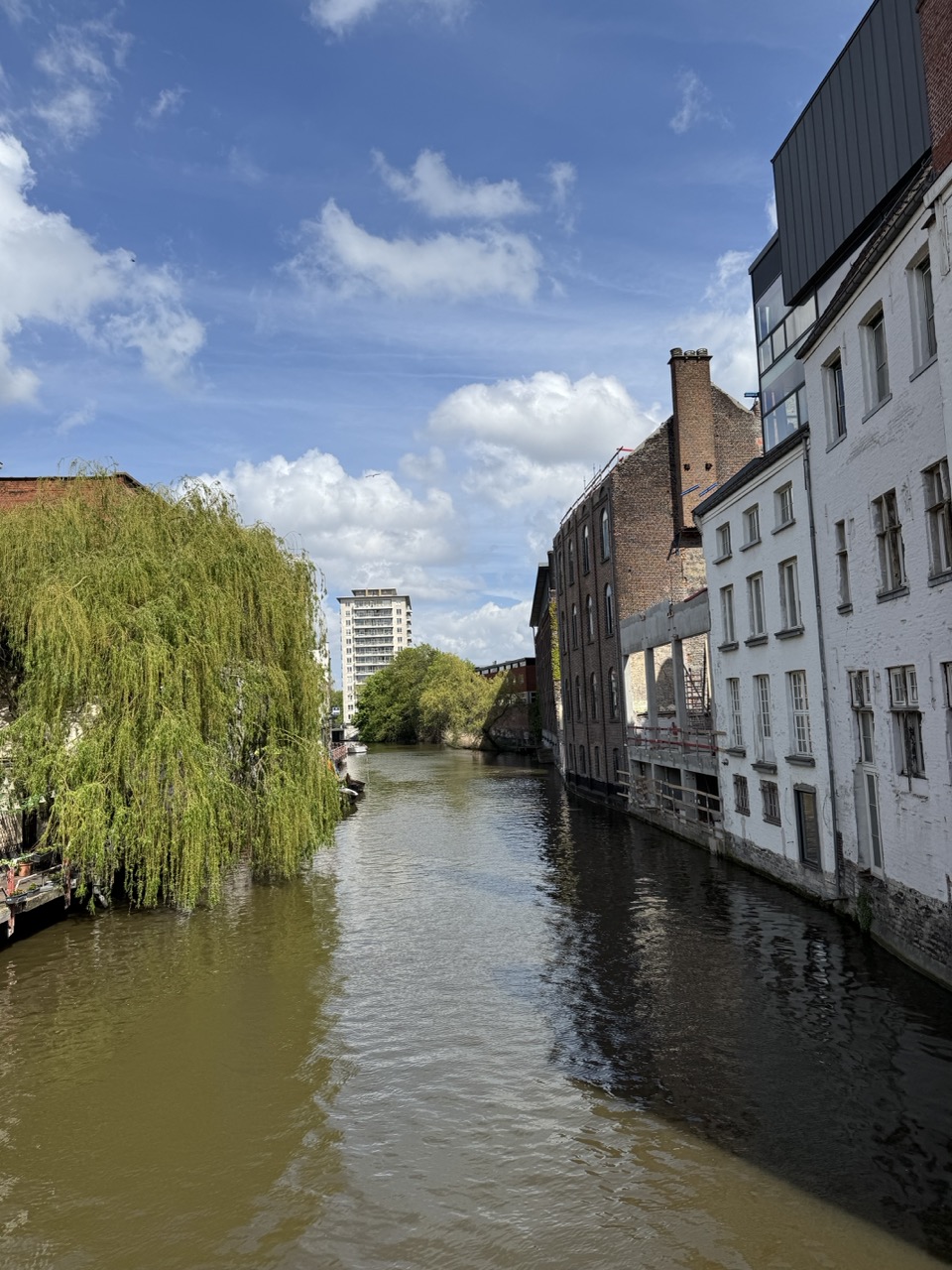
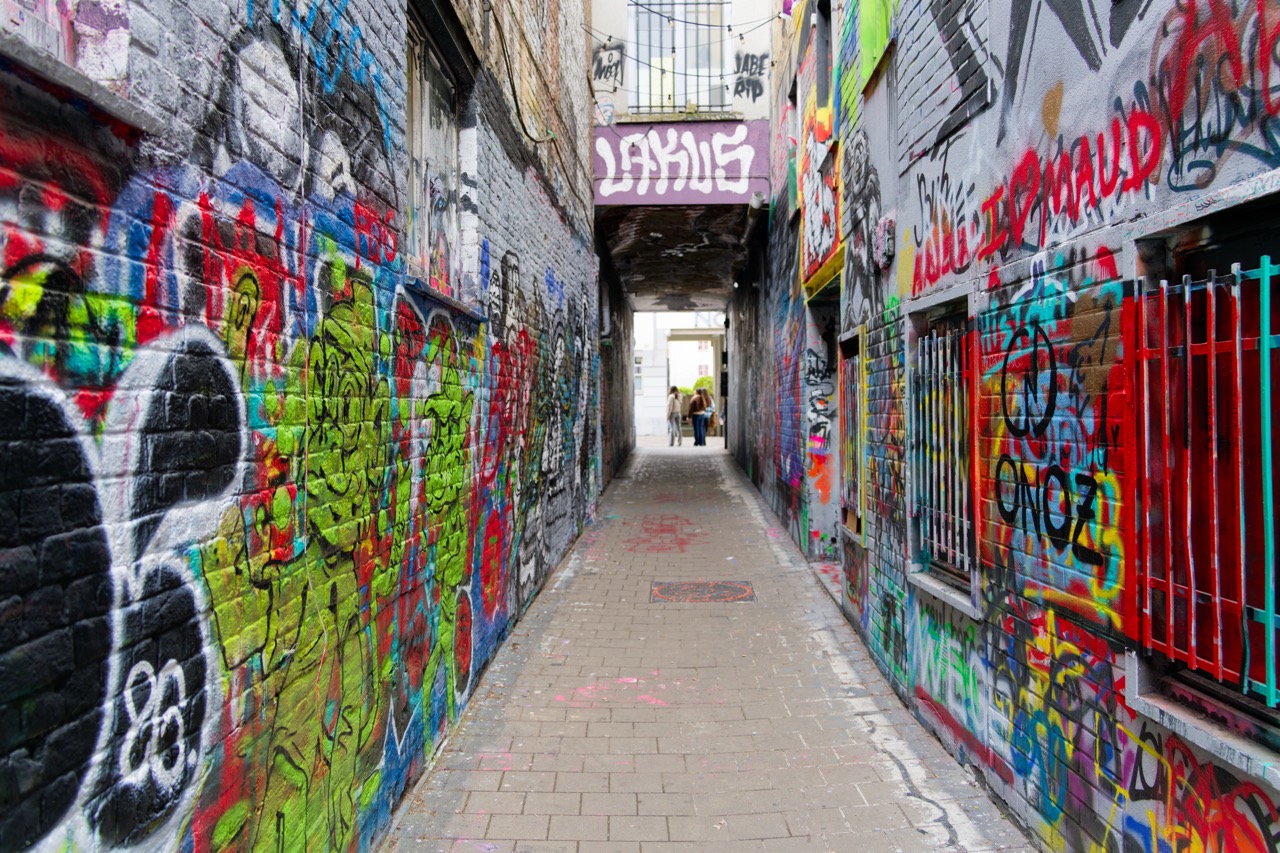
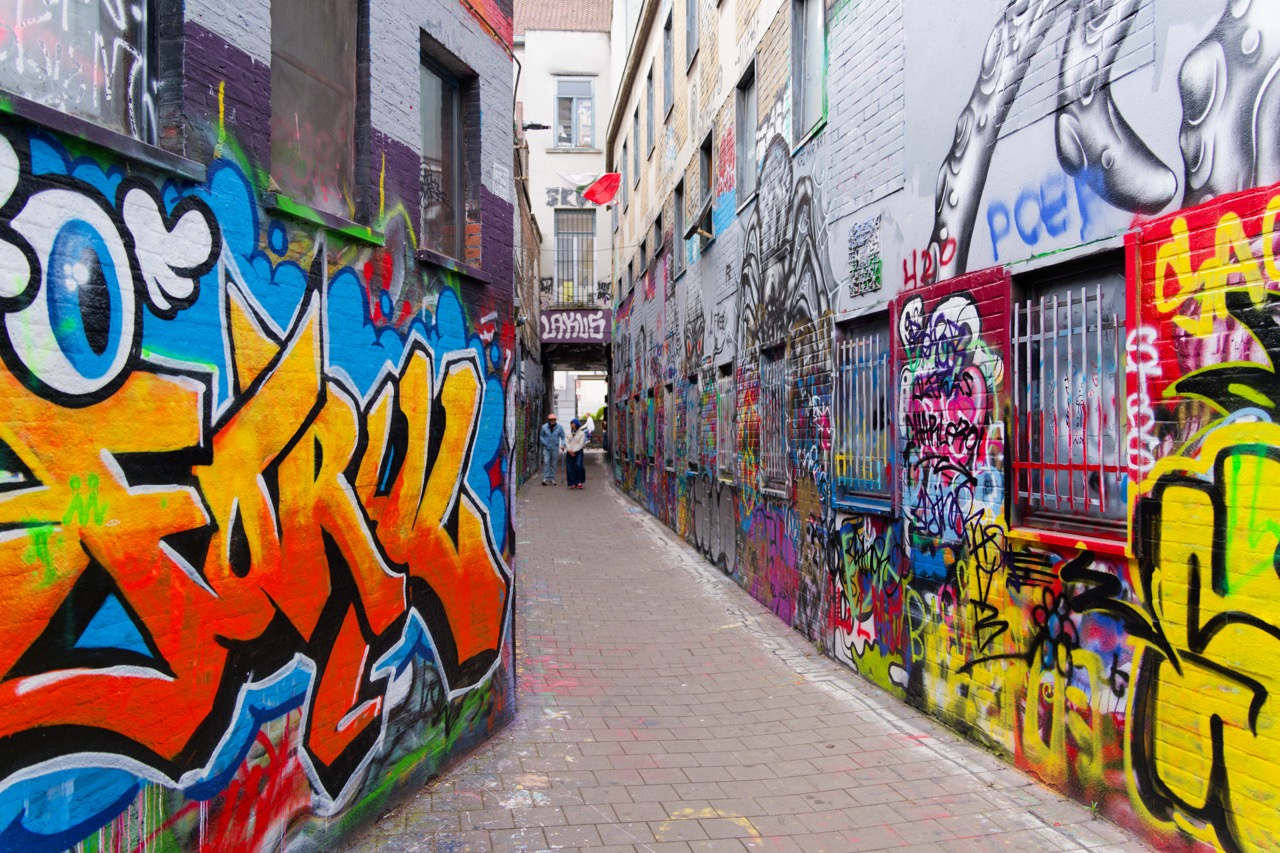
But the real pleasure of Ghent is simply wandering. Duck into Werregarenstraat, better known to locals as Graffiti Street, where every surface has been turned over to street artists for decades. Stumble into the Patershol neighbourhood, a tangle of cobbled lanes lined with restaurants and bars that feel like they belong to the residents rather than to visitors. The tall and charming canal houses, quaint streets, and picturesque views are everywhere, and in the early morning, locals head off to work and shops leisurely start to open, reminding you that life has not stopped in this storybook-esque town.
Personally, Ghent was the surprise of the whole trip. I had expected to prefer Bruges, and instead found myself lingering far longer in Ghent, reluctant to leave.
Antwerp: Where History Meets Edge
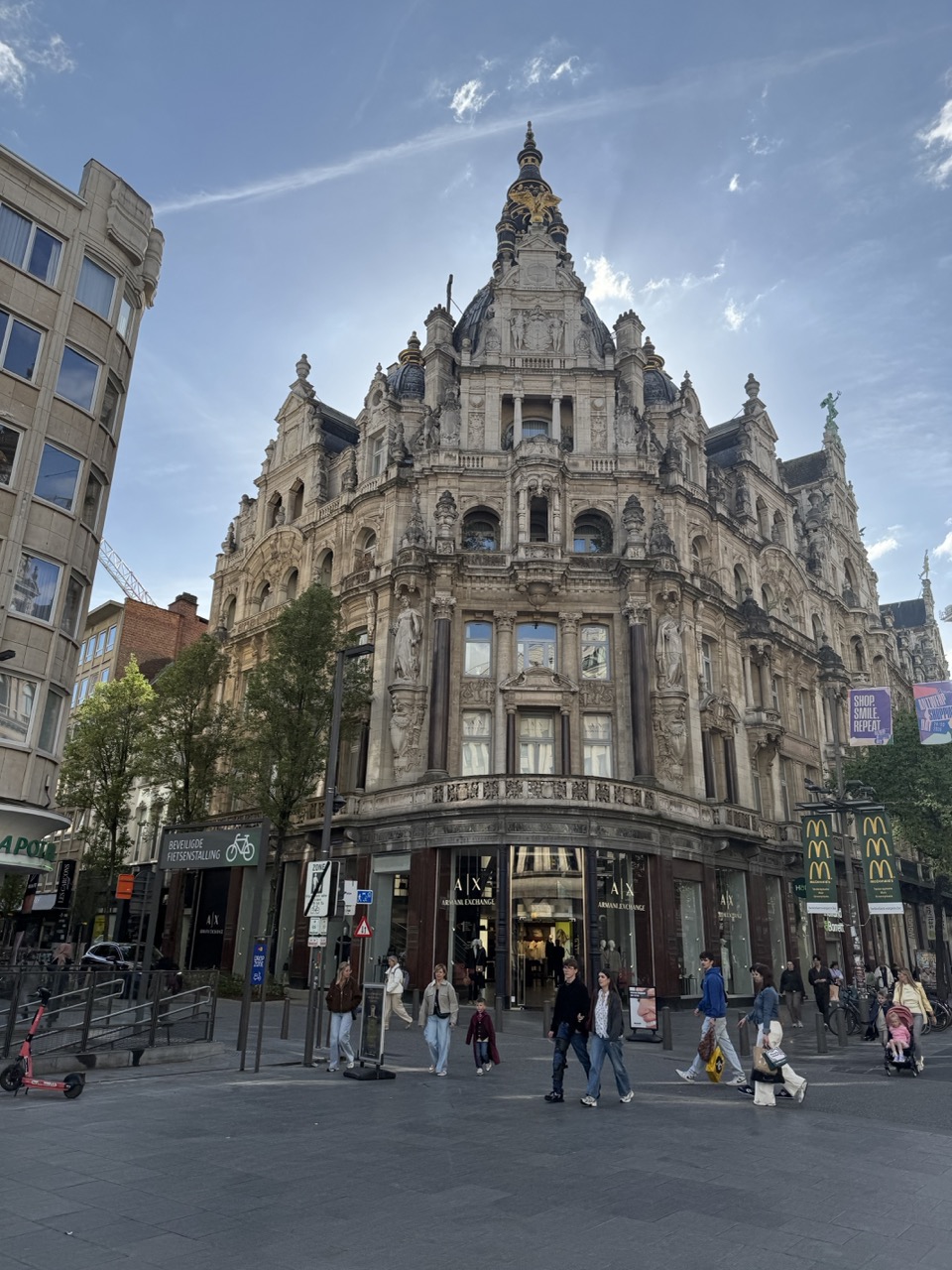
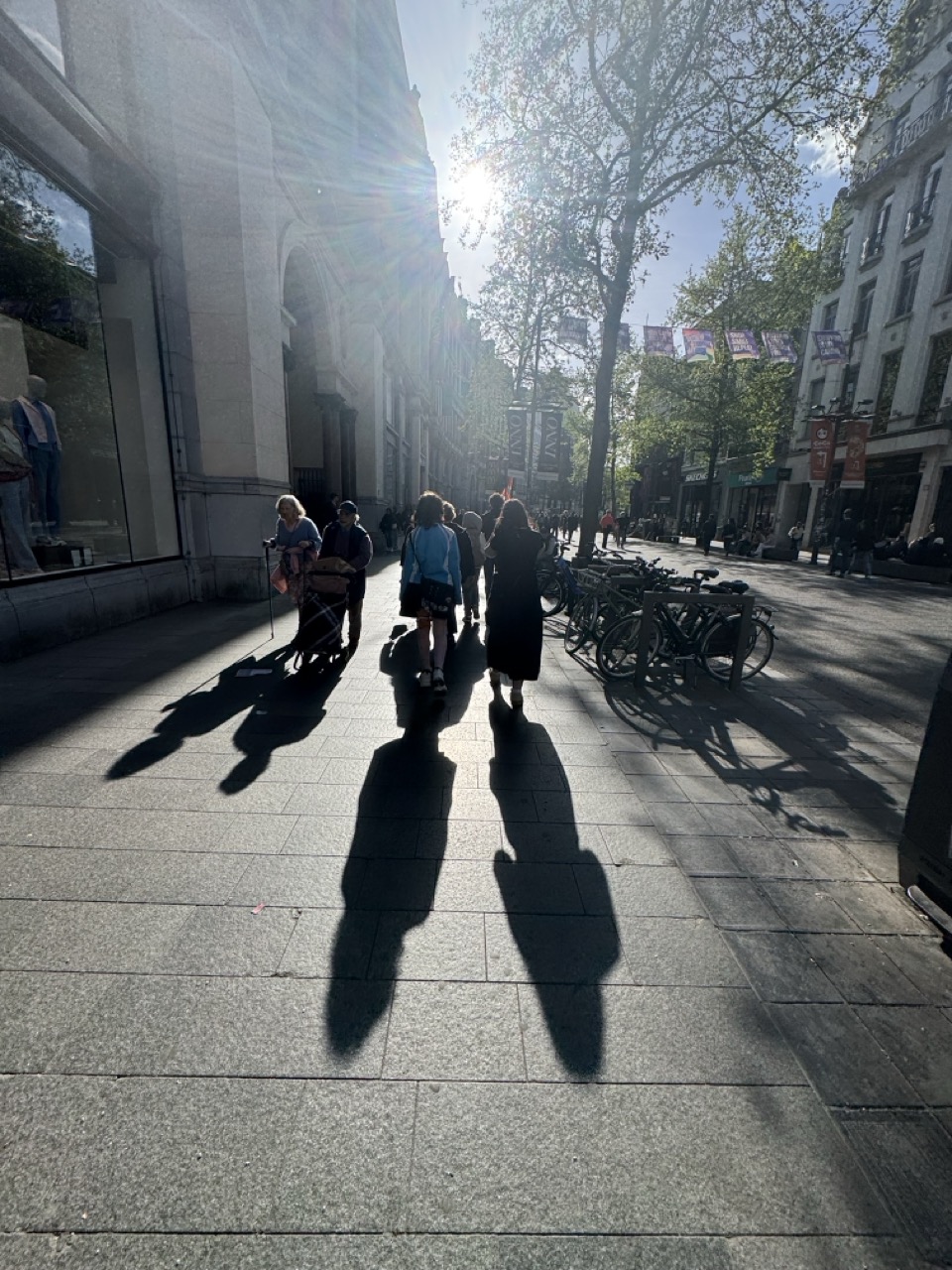
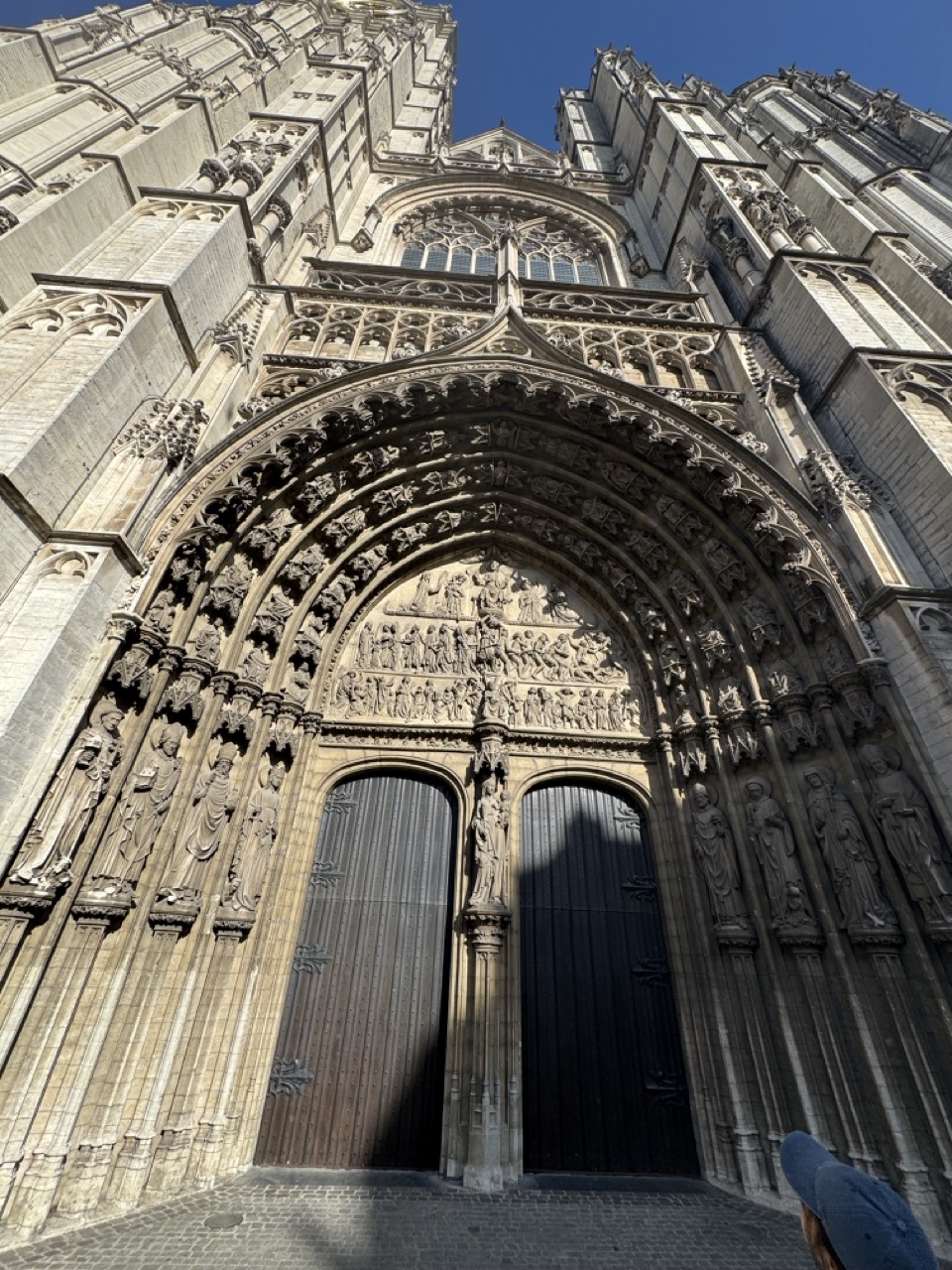
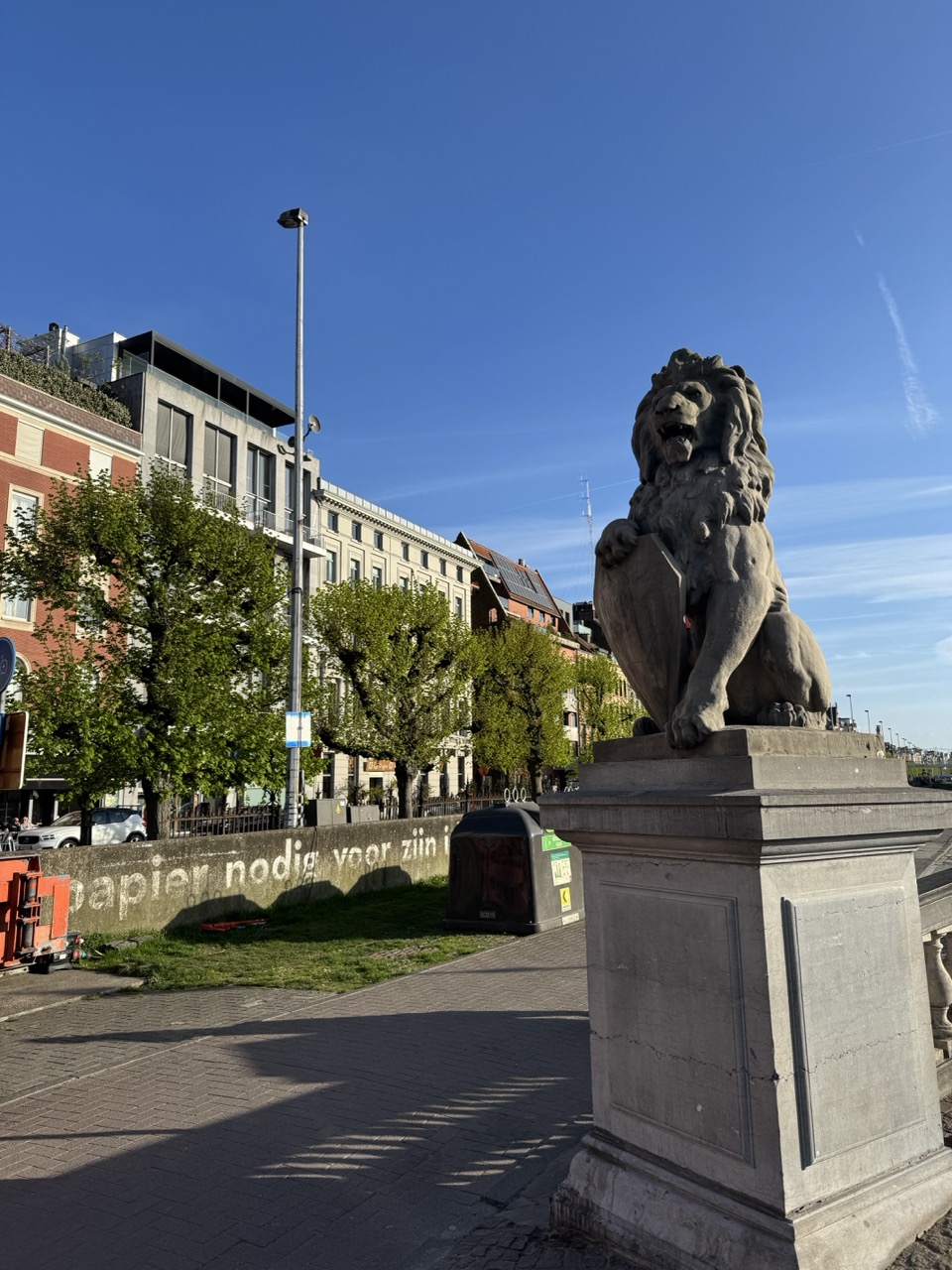
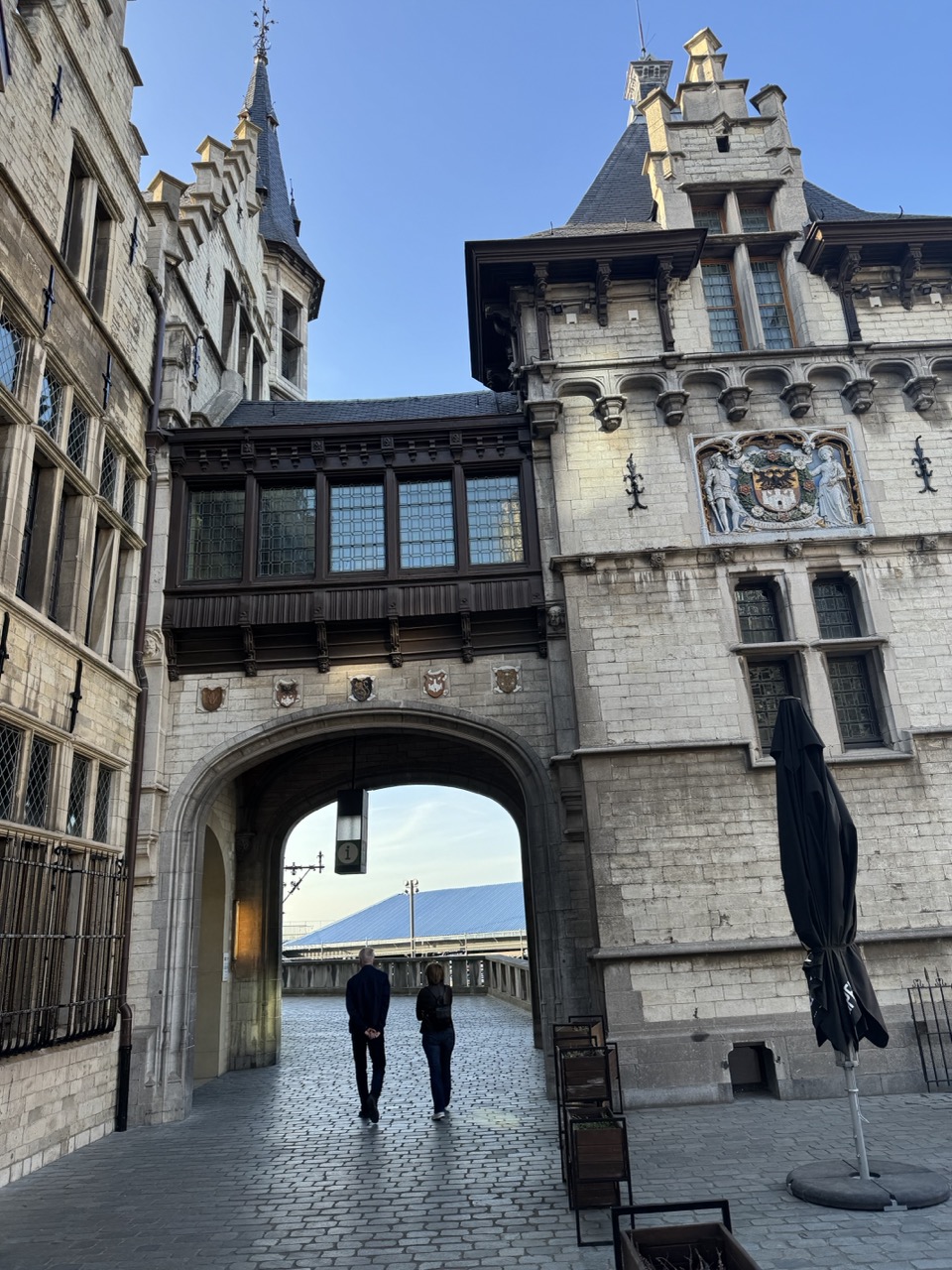
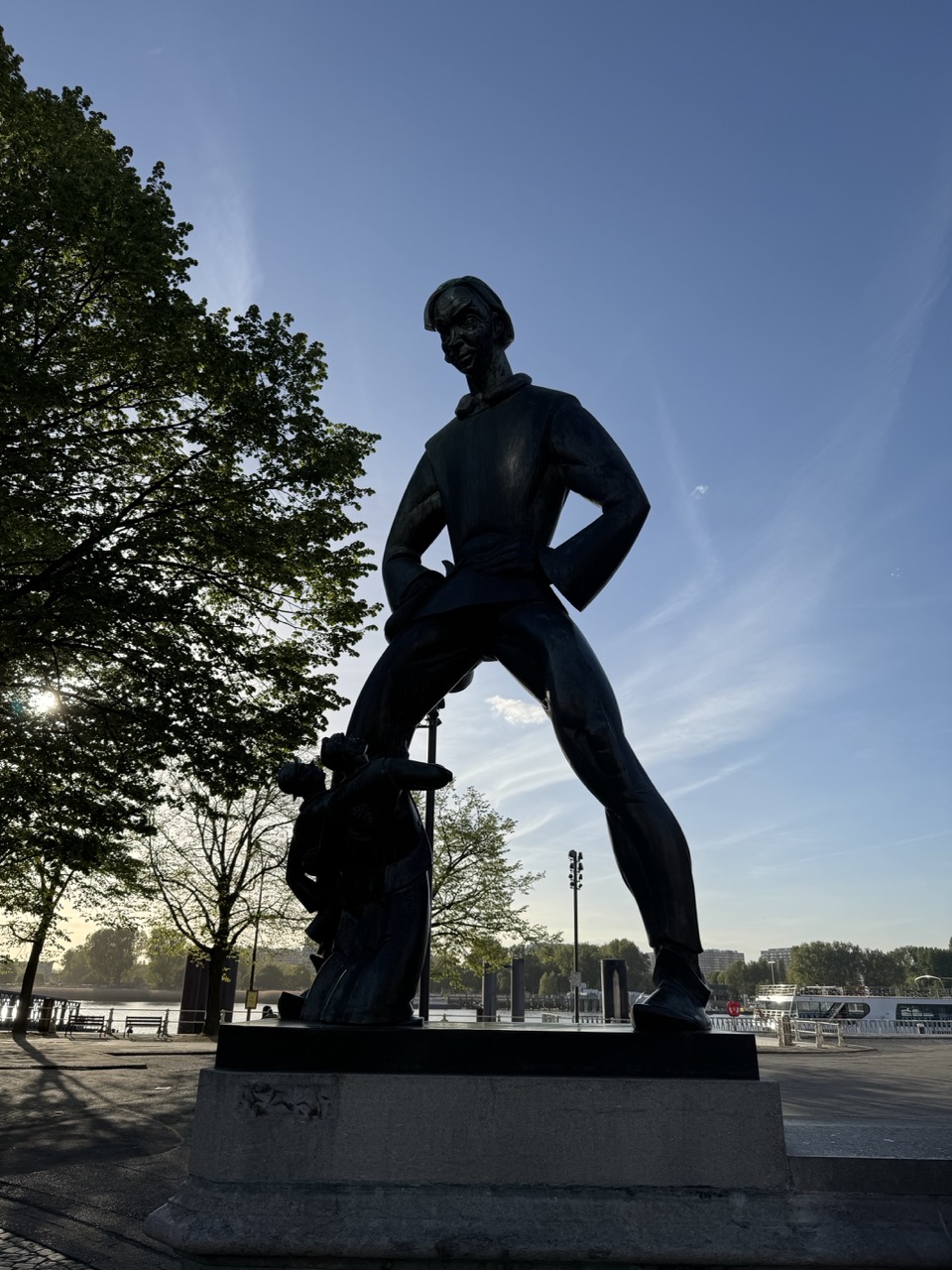
Antwerp was next on the list, and the city brought a completely different energy to the mix. This is a place with genuine style and swagger. It is, after all, the diamond capital of the world and the home of some of the most innovative fashion designers in Europe. The fashion district around the Meir and the surrounding streets has a buzz to it that feels entirely contemporary, even as it sits within a city whose skyline is dominated by a Gothic cathedral that has been standing since the 15th century.
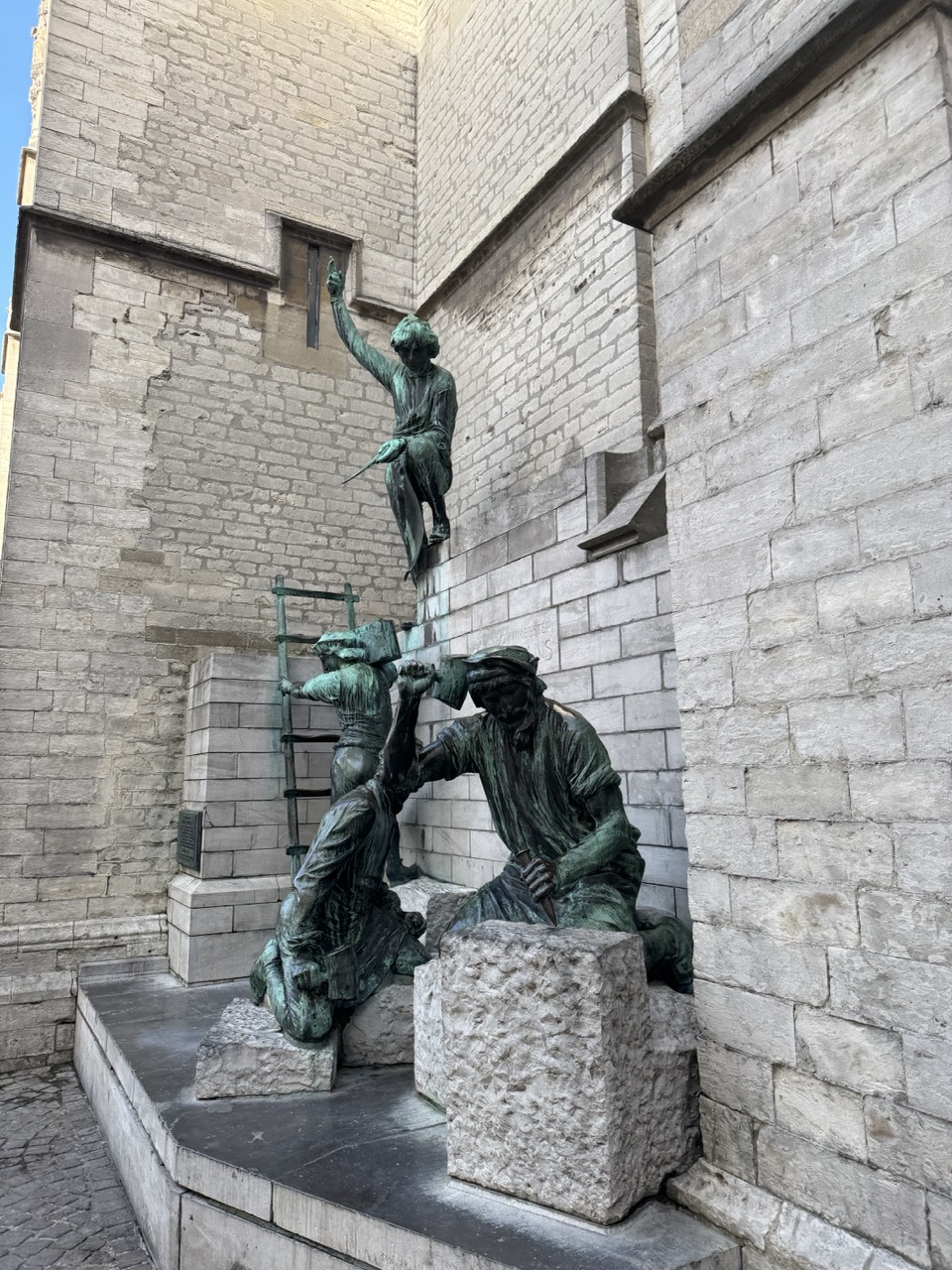
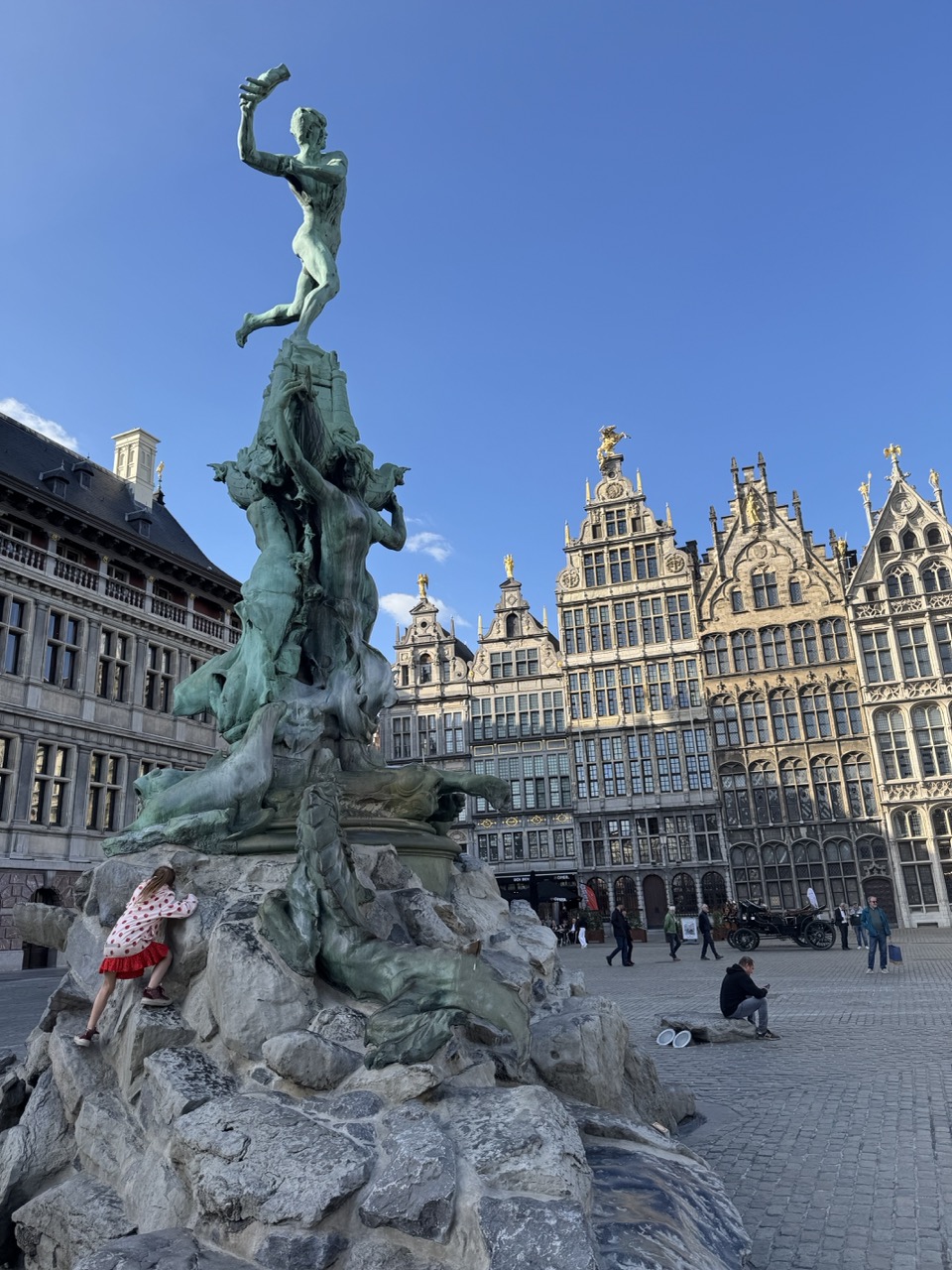
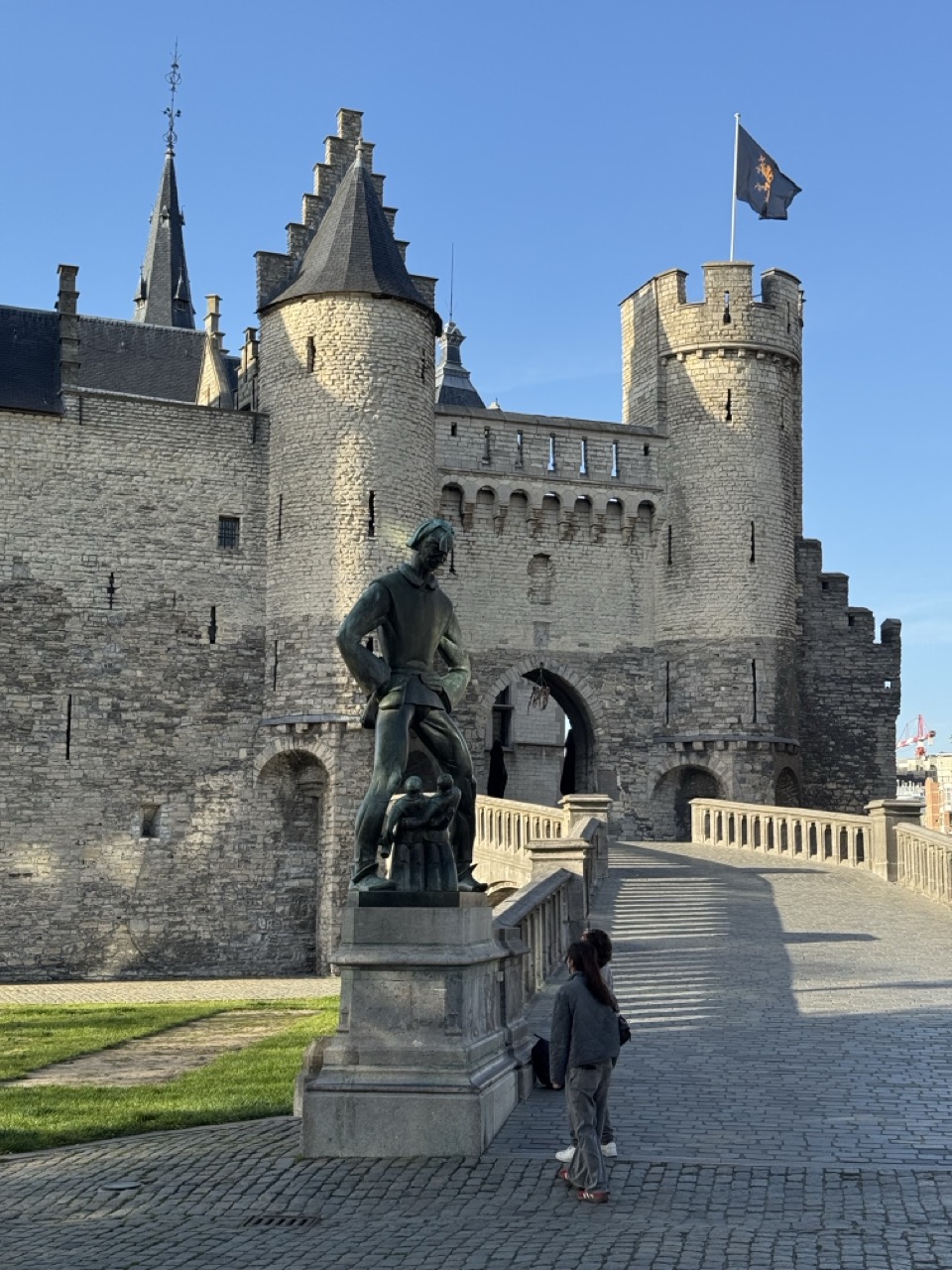
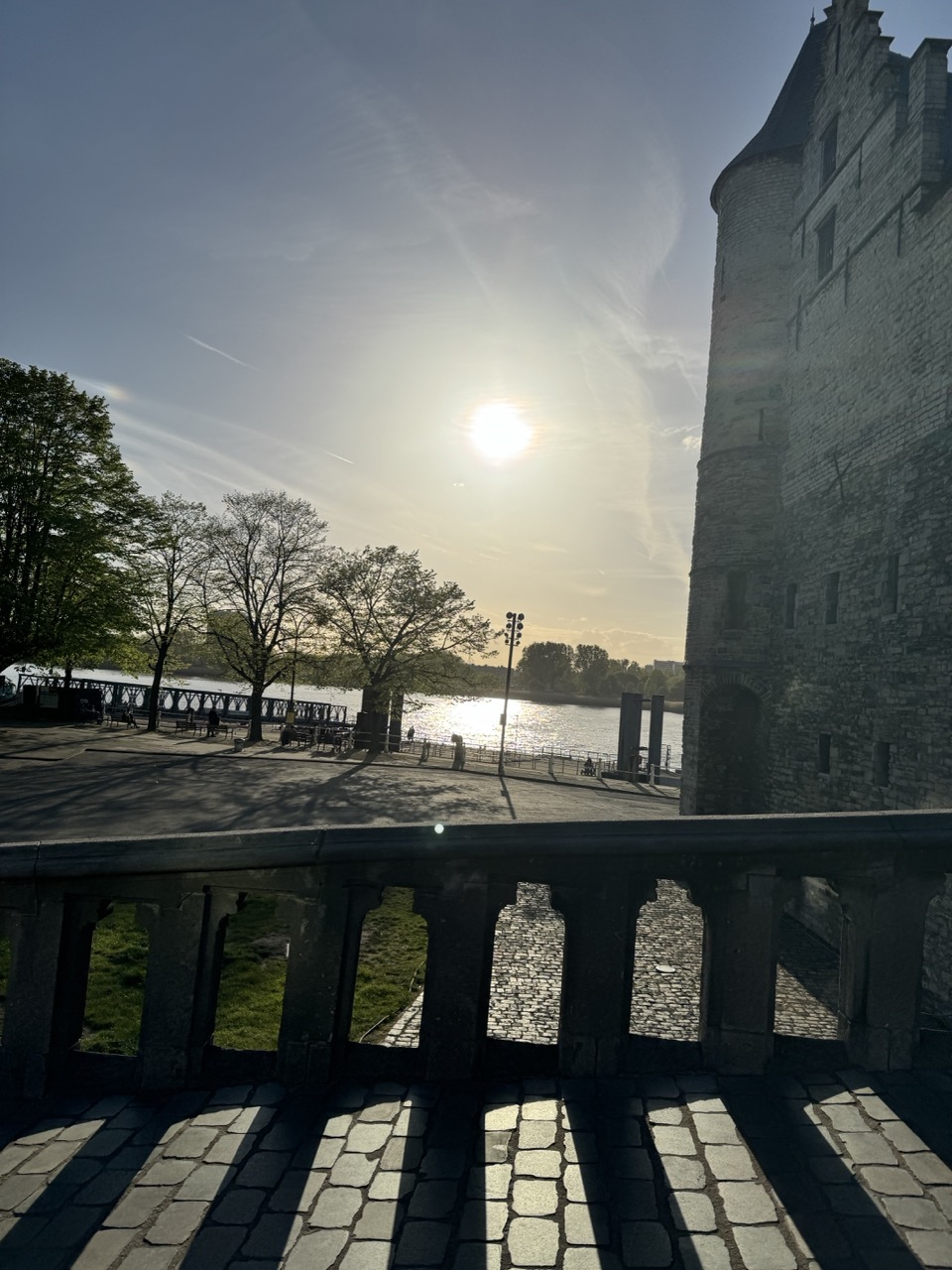
The Cathedral of Our Lady is genuinely extraordinary, housing several paintings by Peter Paul Rubens, Antwerp's most famous son. The Grote Markt, flanked by ornate guild houses, rivals anything in Belgium for sheer architectural theatre. But Antwerp also has an edge that the other Belgian cities lack. The Eilandje district, once a declining port area, has been reinvented into one of the coolest neighbourhoods in the country, with the Museum aan de Stroom rising dramatically above the old docklands. There is a sense here that the city is always in the process of becoming something new, which keeps it feeling alive rather than preserved.
Windmills of Kinderdijk: UNESCO World Heritage Site
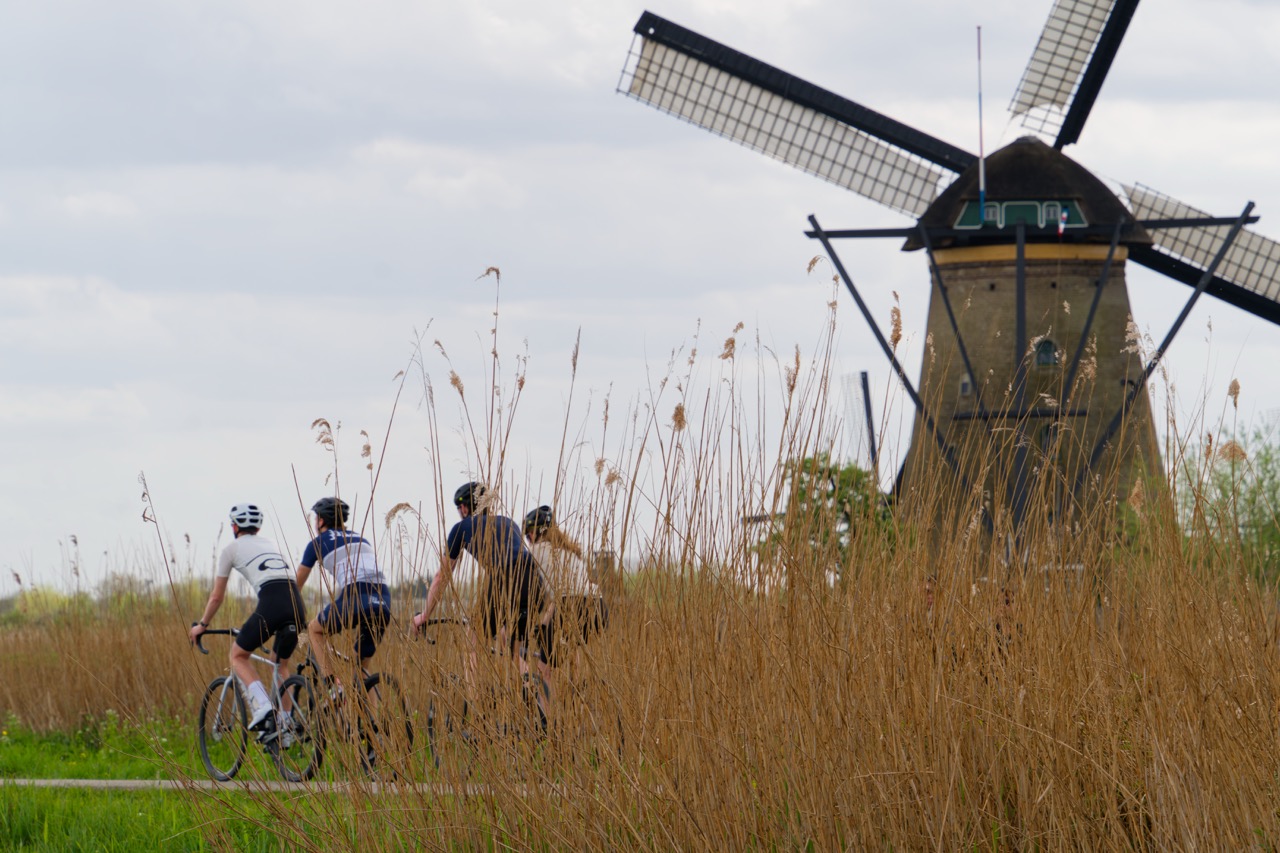
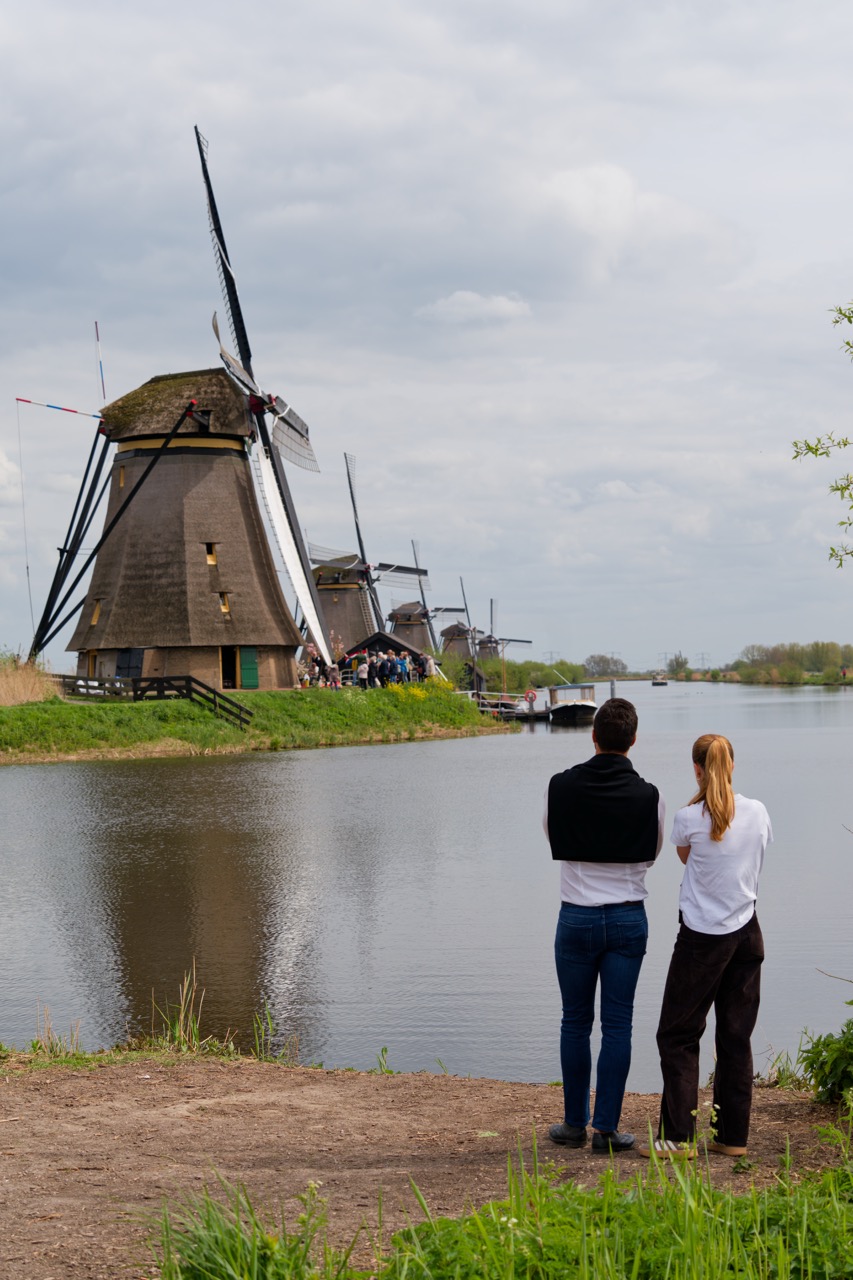
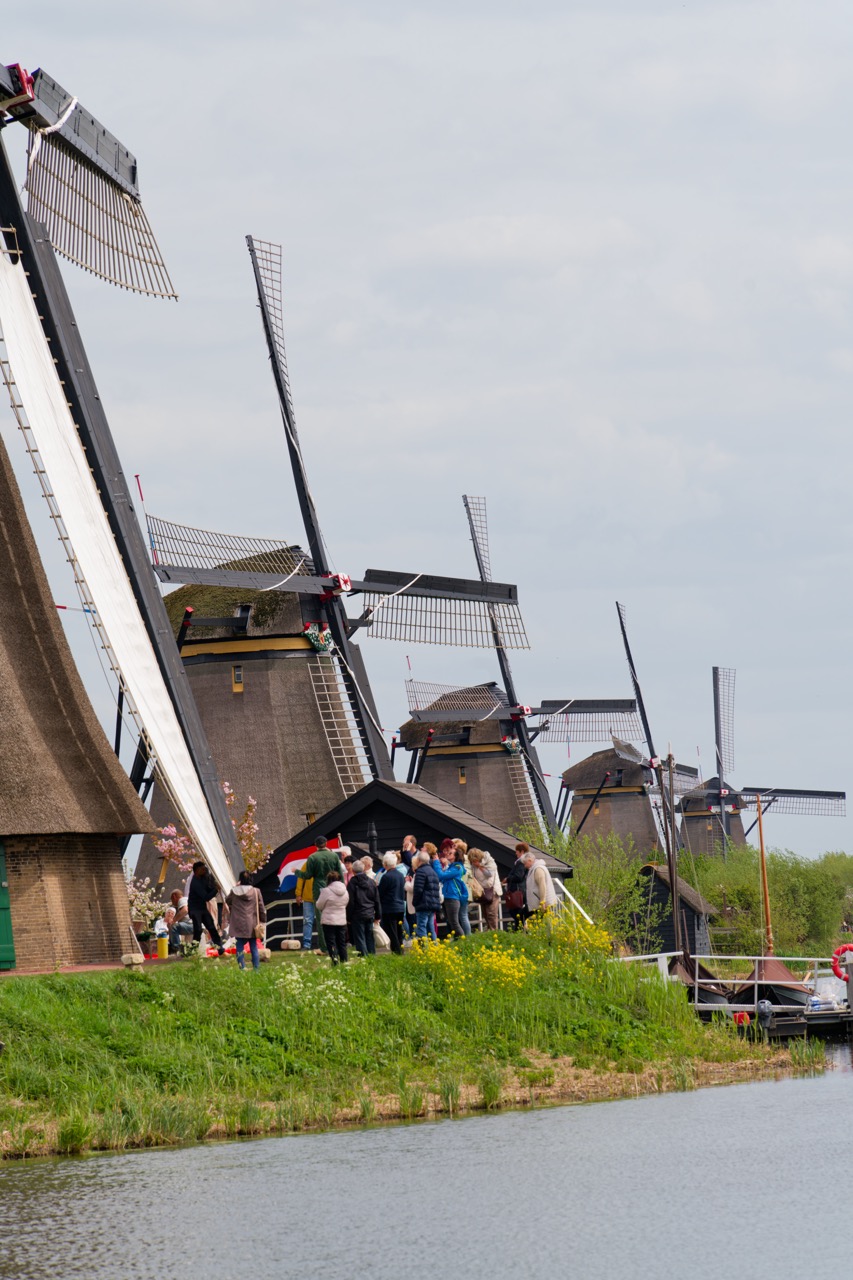
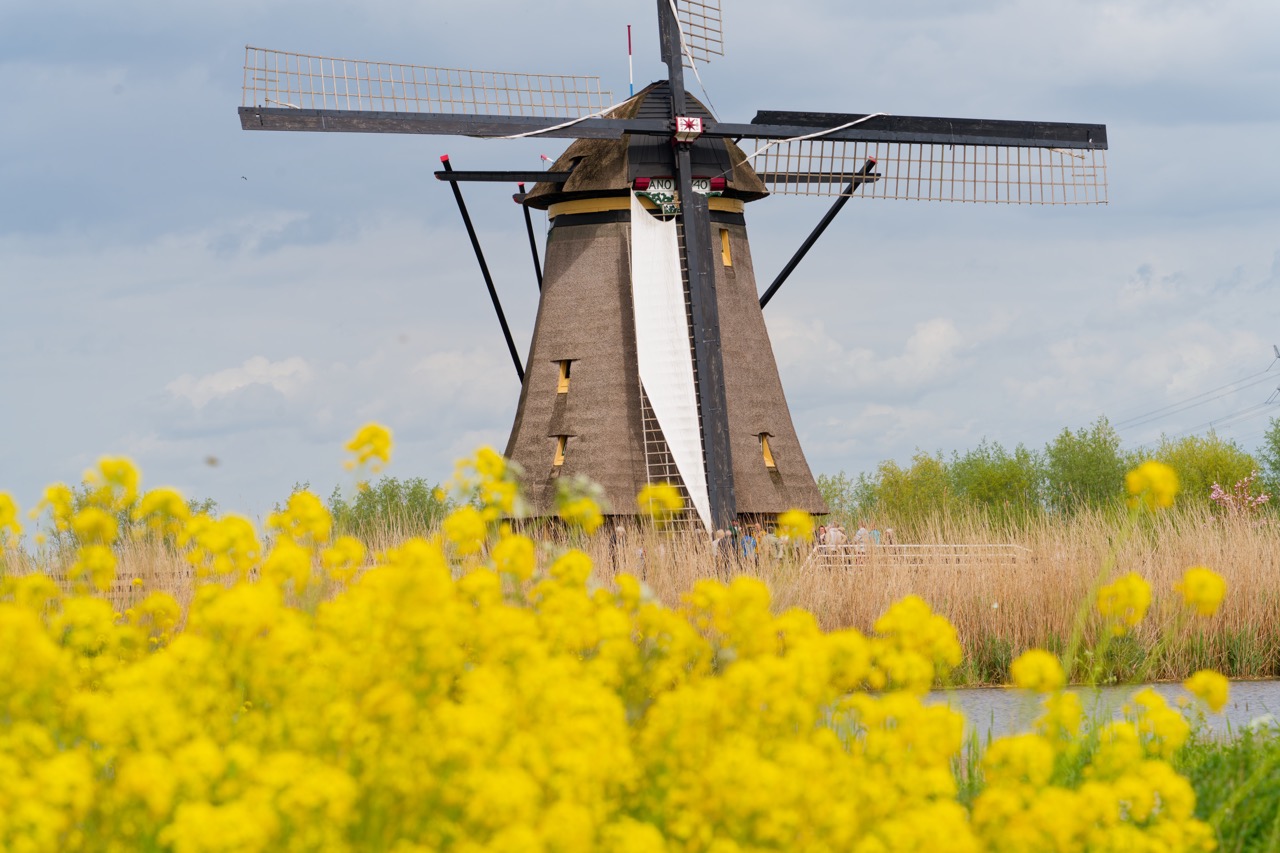
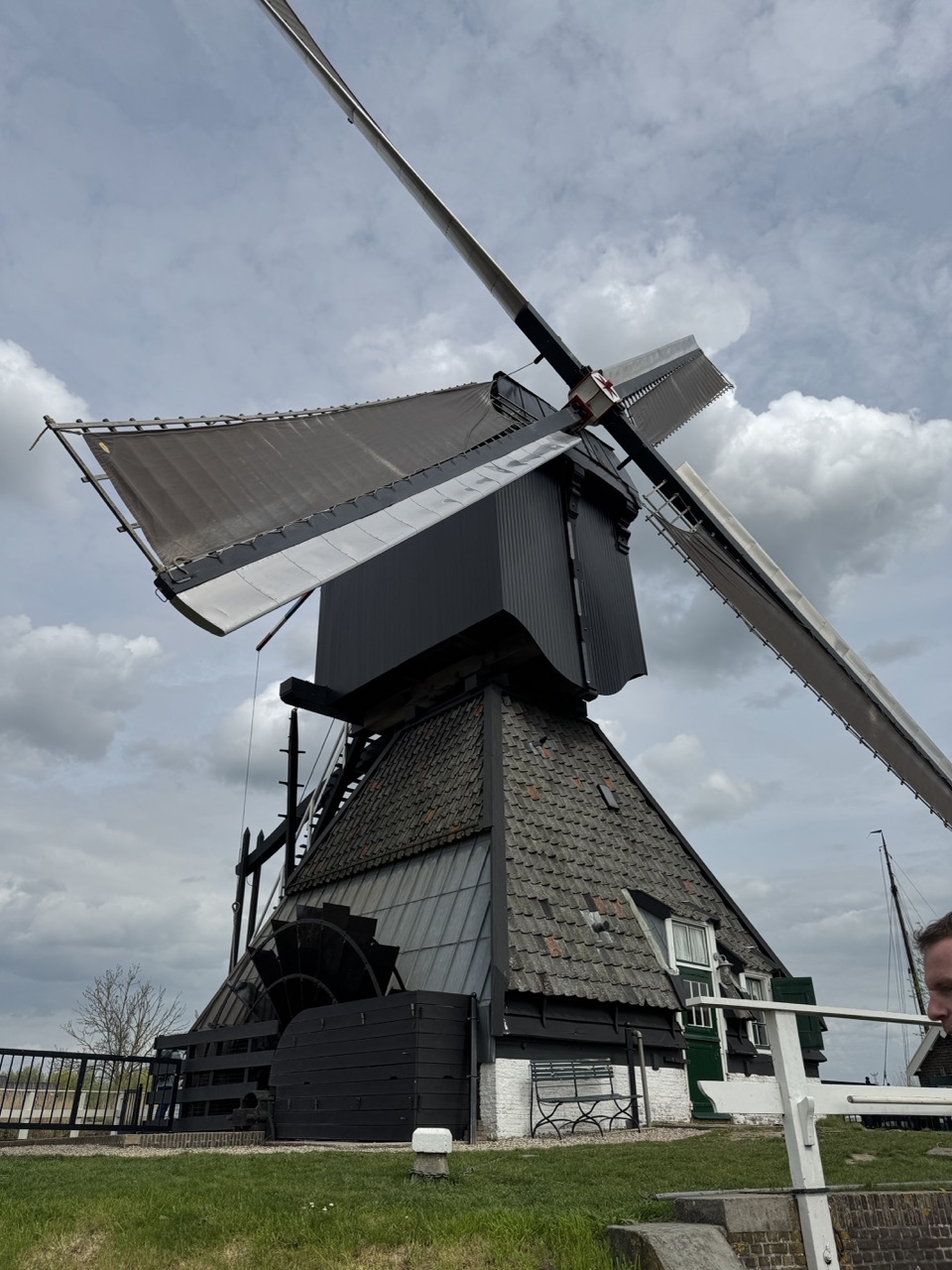
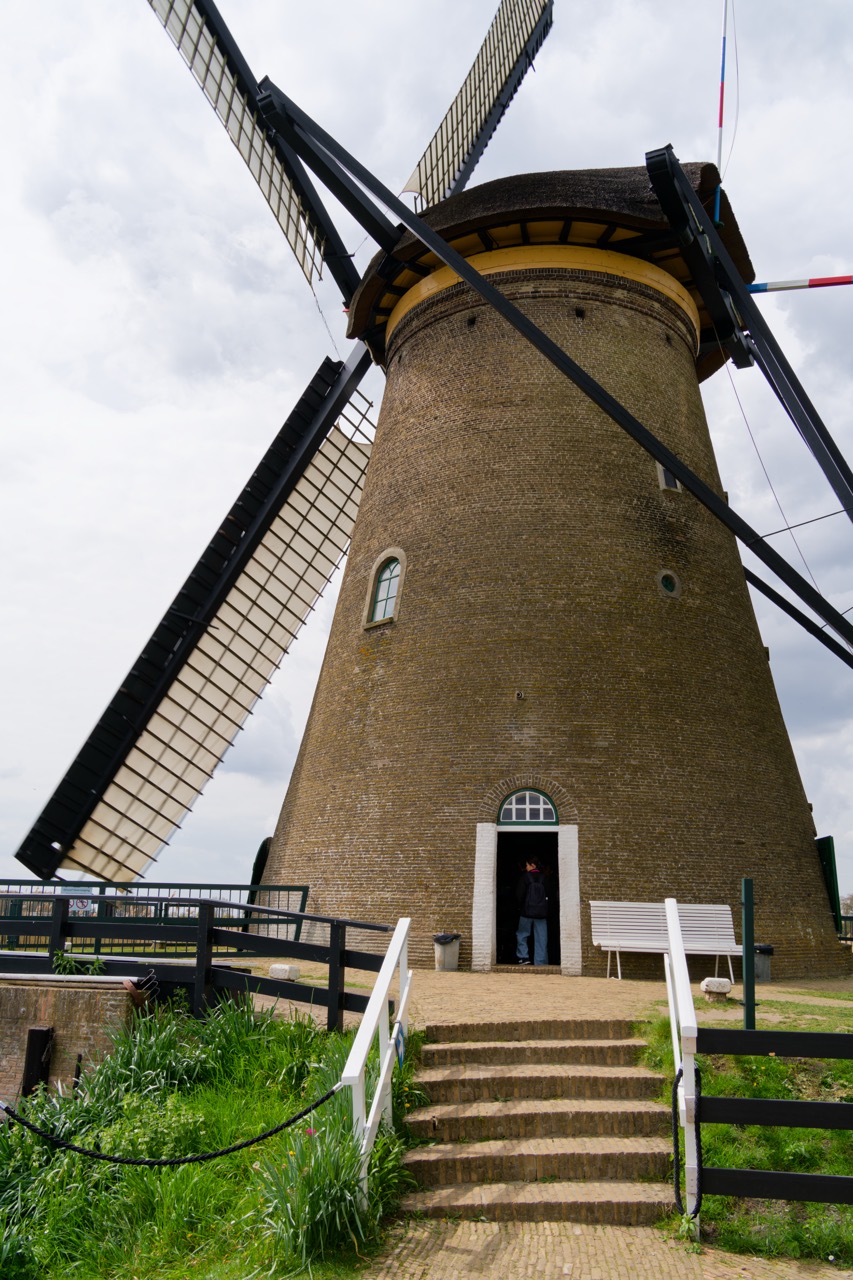
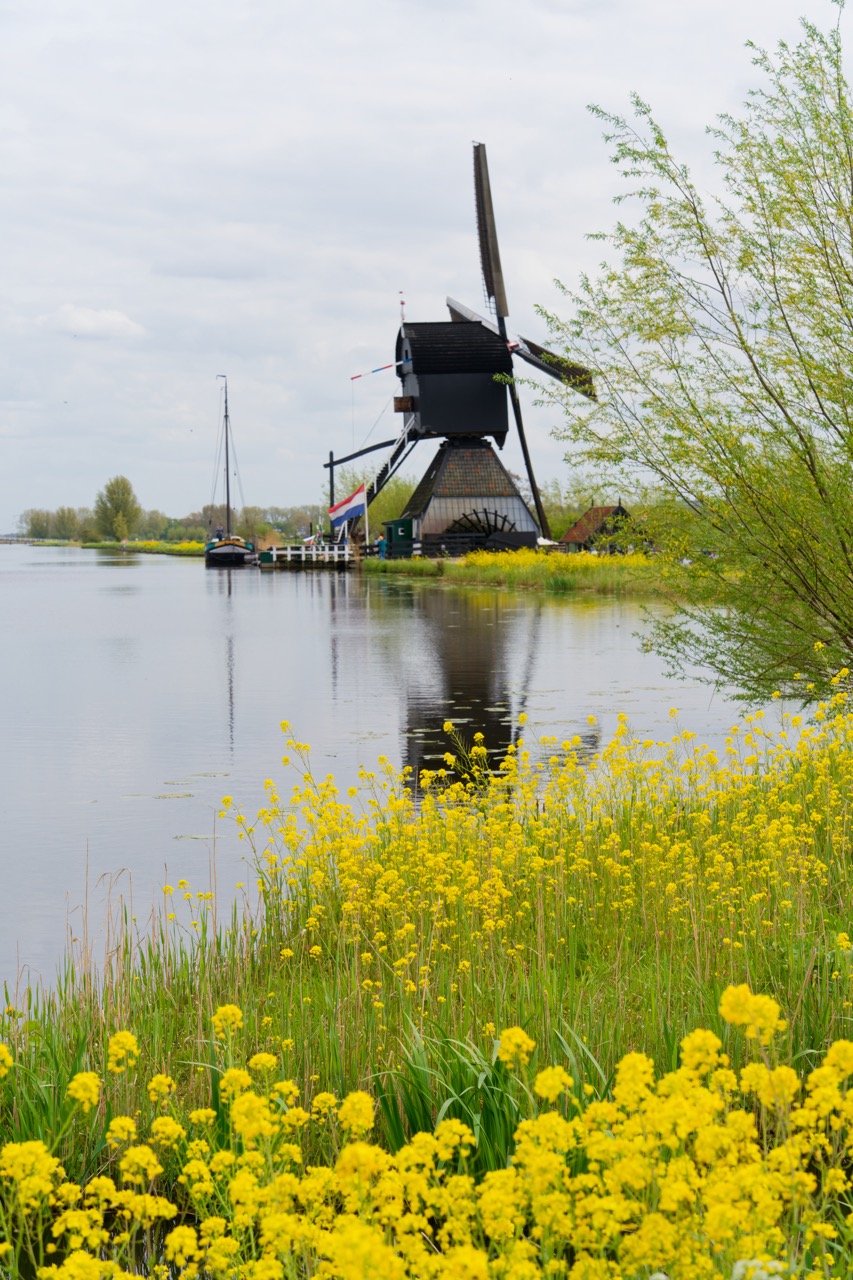
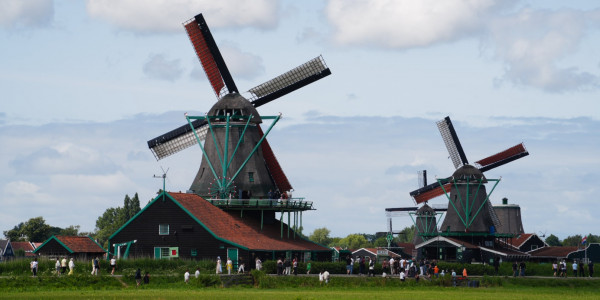
Before heading to Amsterdam, we made a detour that turned out to be one of the most memorable moments of the entire trip. In the beautiful, water-rich area near Dordrecht you find the windmills of Kinderdijk. Built around 1740, these 19 magnificent windmills stand as part of a larger water management system to prevent flooding. Today they symbolise Dutch water management and in 1997 they were declared a UNESCO World Heritage Site.
The photographs do not do it justice. Seeing all nineteen of those massive, historic mills lined up along the water in the flesh is something entirely different to any image of them. A visit to Kinderdijk makes you realise the true meaning behind these windmills and that they are not just beautiful but powerful symbols of human resilience and ingenuity. These were not built for tourism or as decorative monuments. They were built for survival, to pump water out of land that sat below sea level, to keep entire communities from being swallowed by the rivers and the sea.
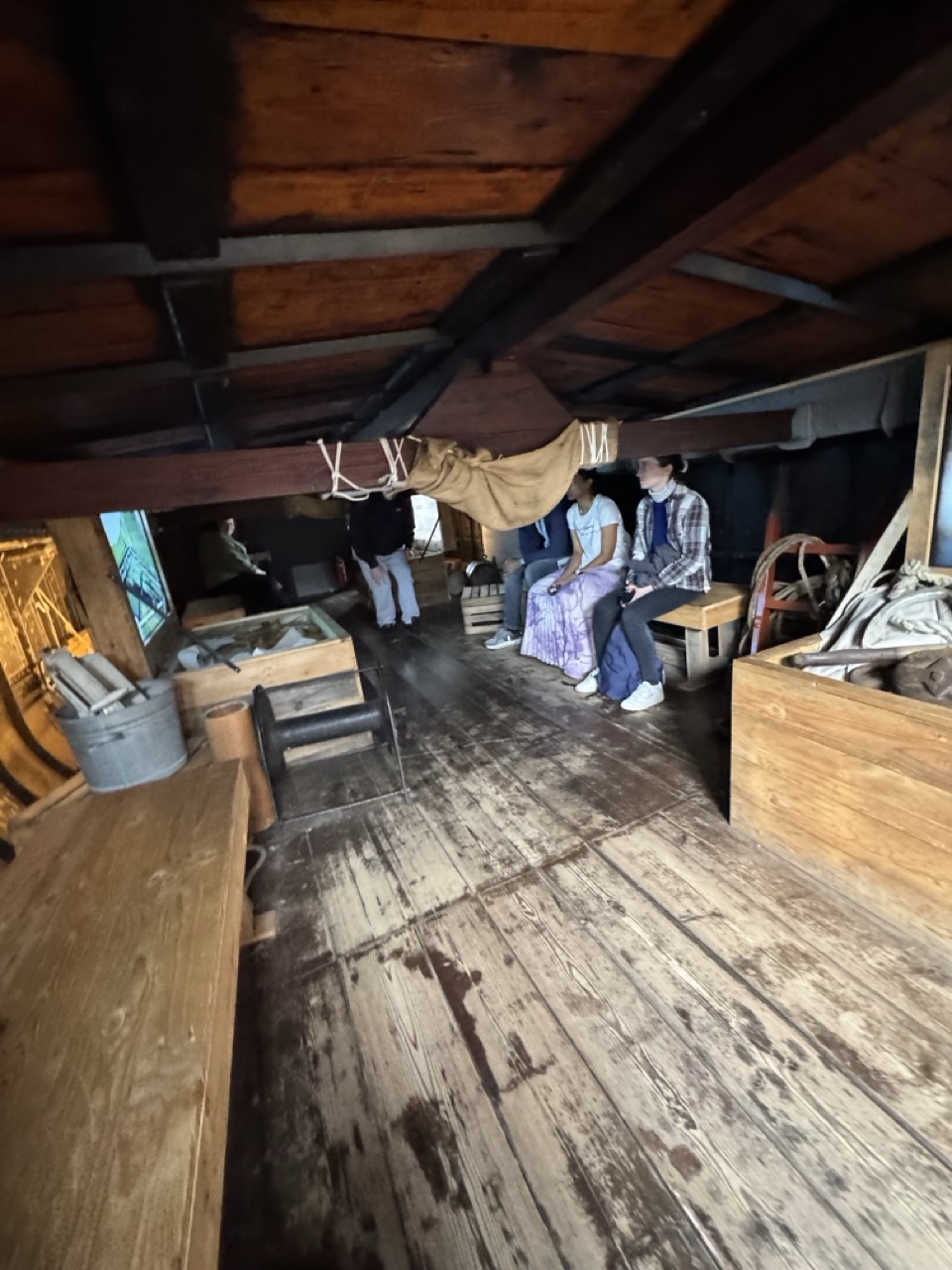
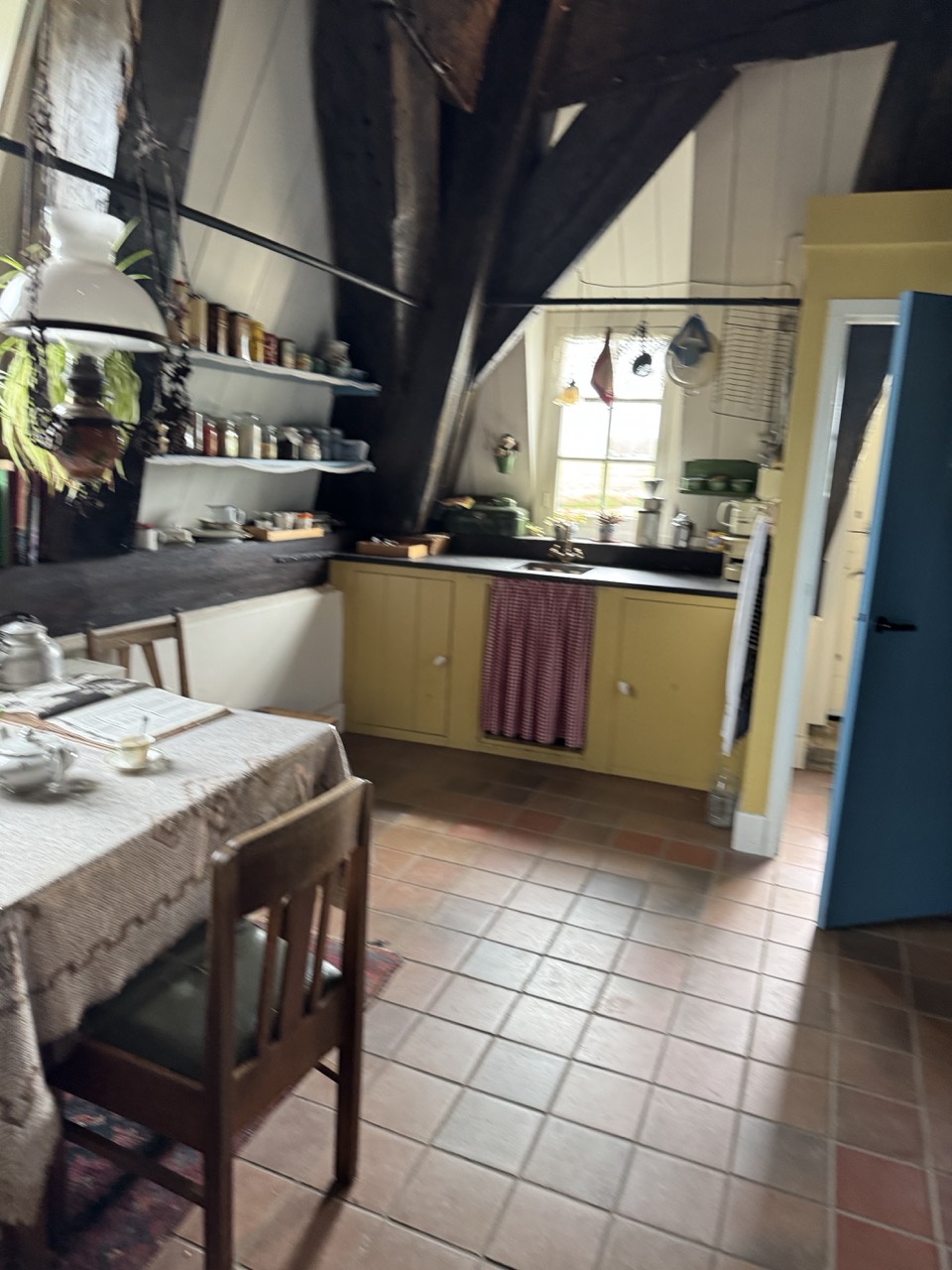
Most of the windmills at the site are actually still lived in, serving as people's homes. That detail stopped us both in our tracks. These ancient structures, each one a feat of engineering that has survived centuries, are not empty relics. They are someone's front door. Kinderdijk is one of those places that genuinely feels like a step back in time, not because it has been dressed up to look historical, but because the history never actually left.
Keukenhof: The Garden That Stops You in Your Tracks
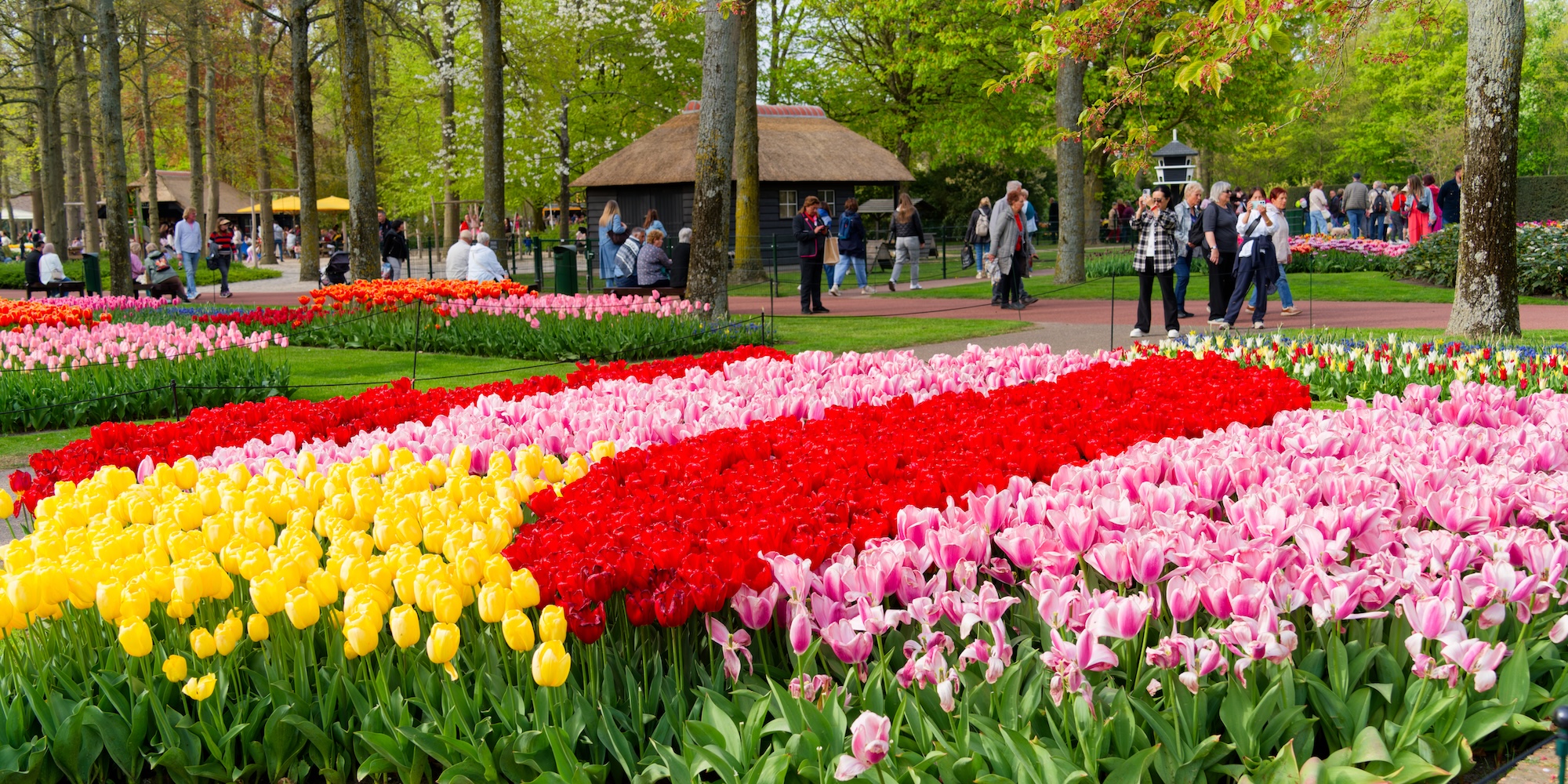
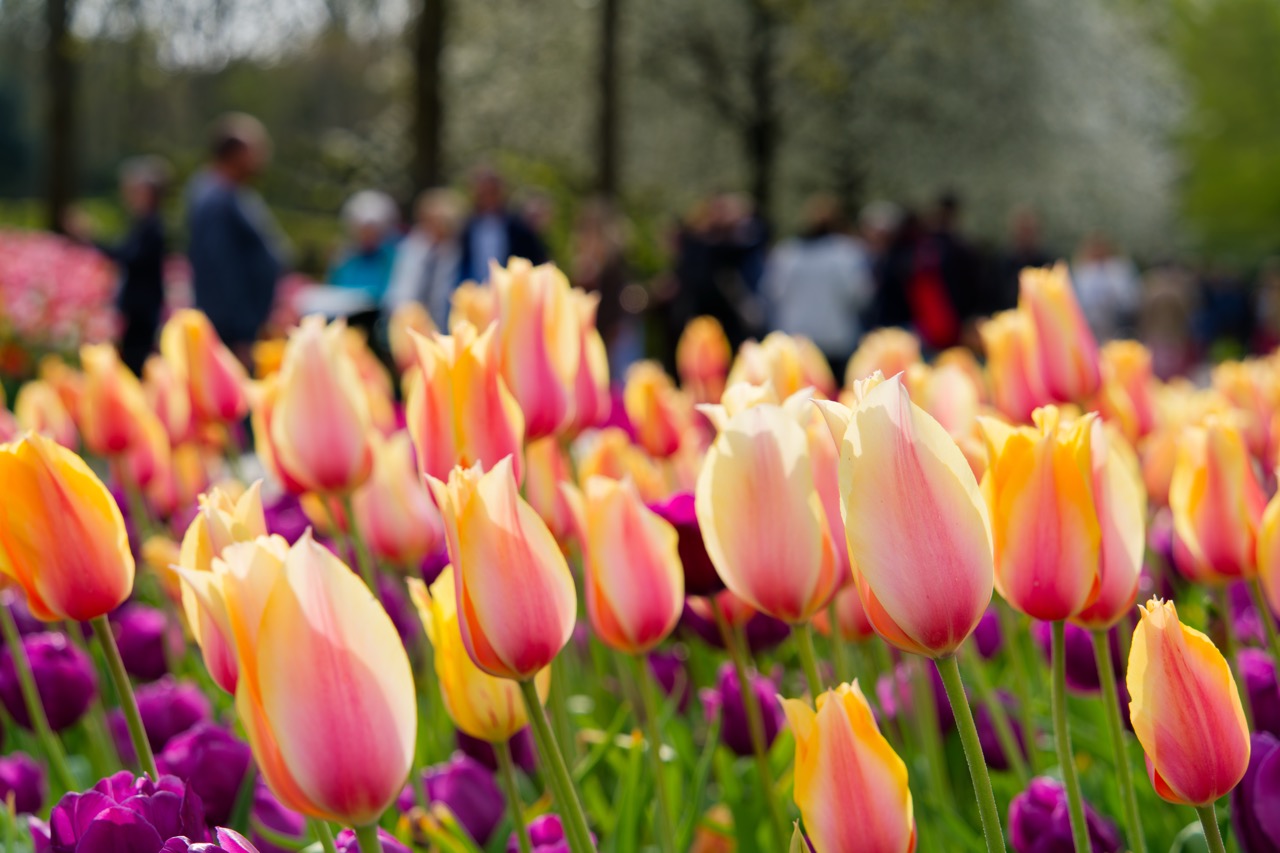
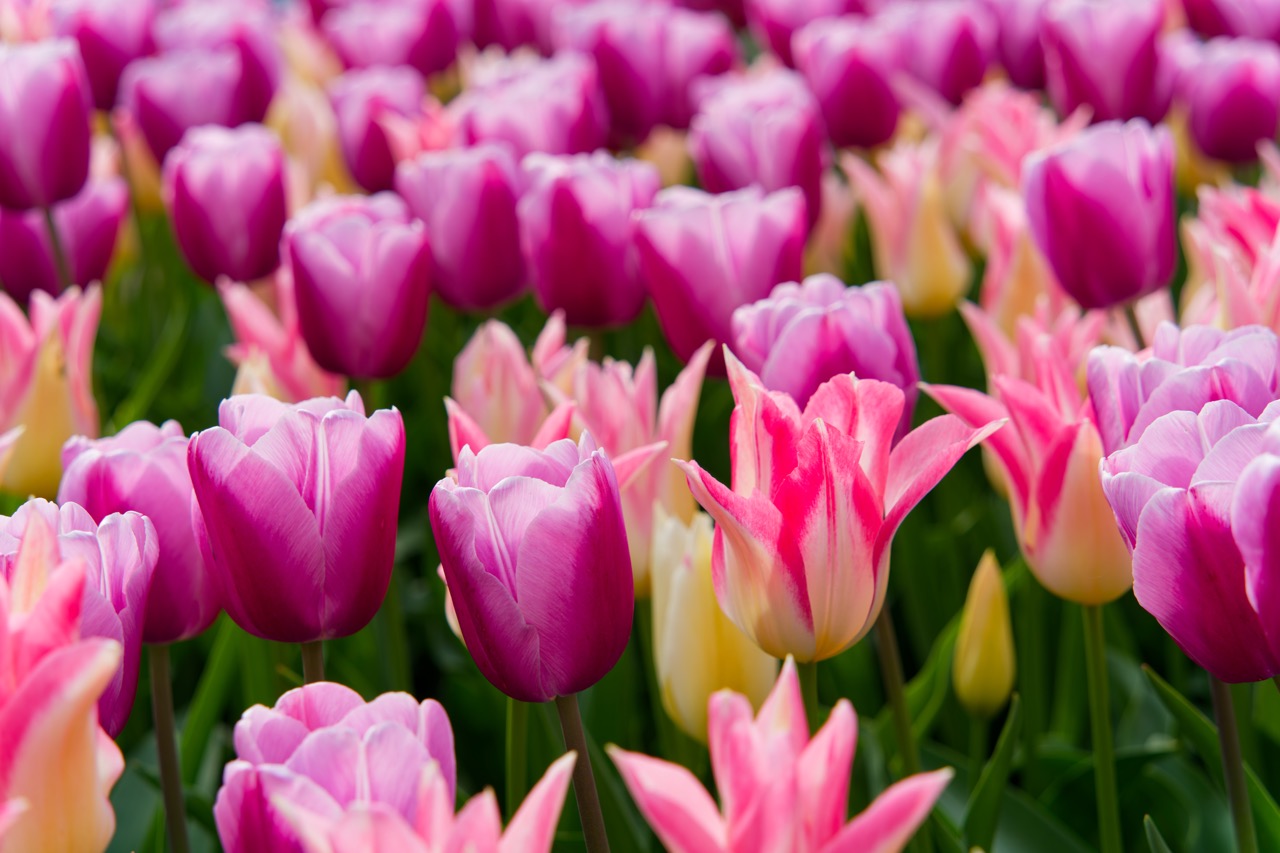
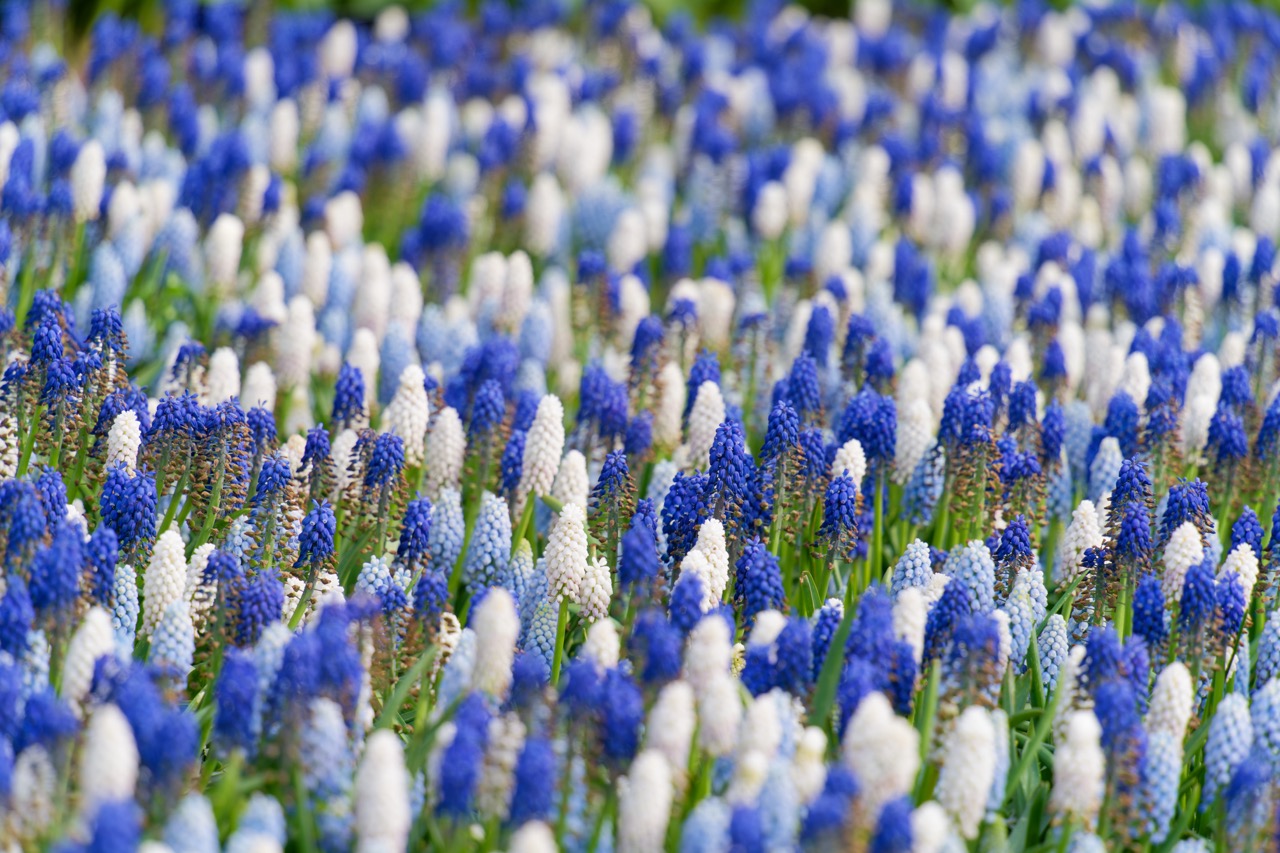
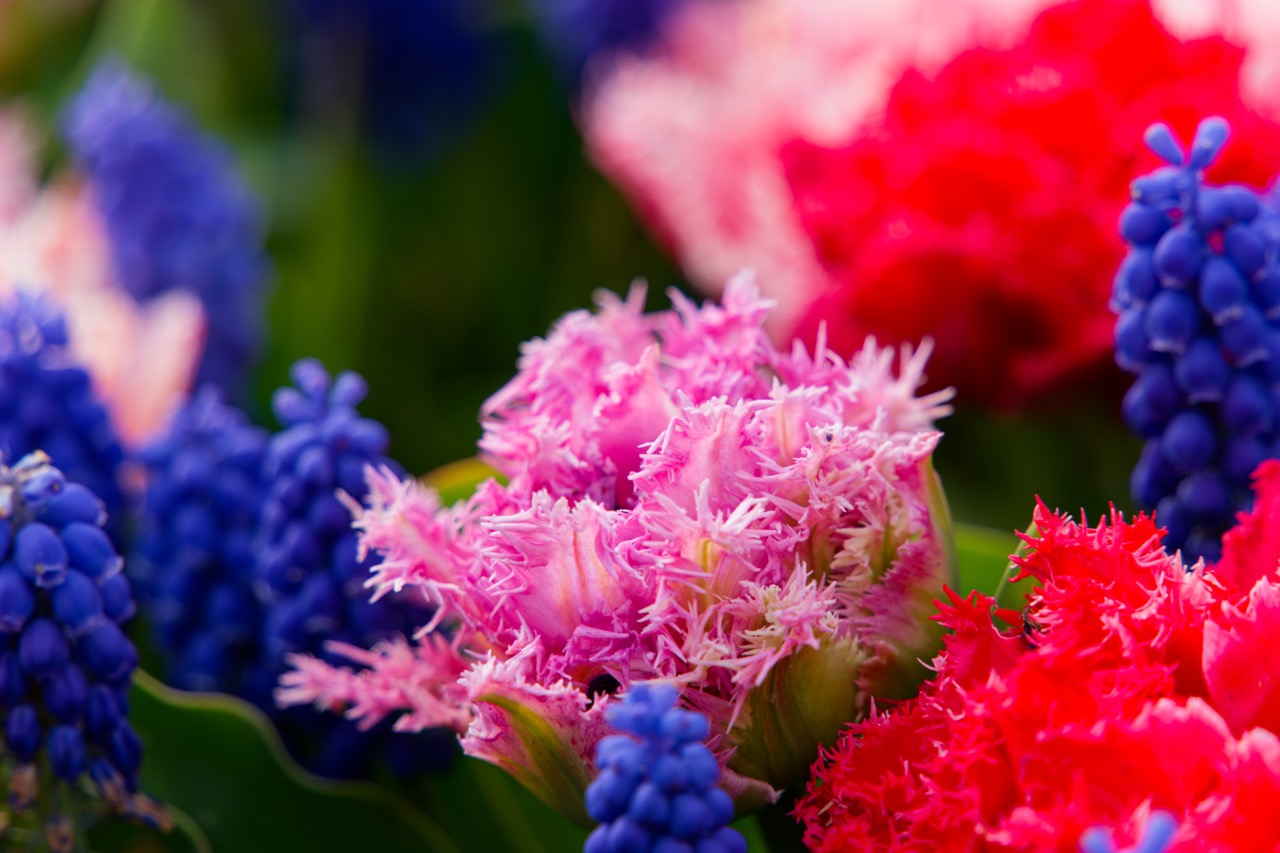
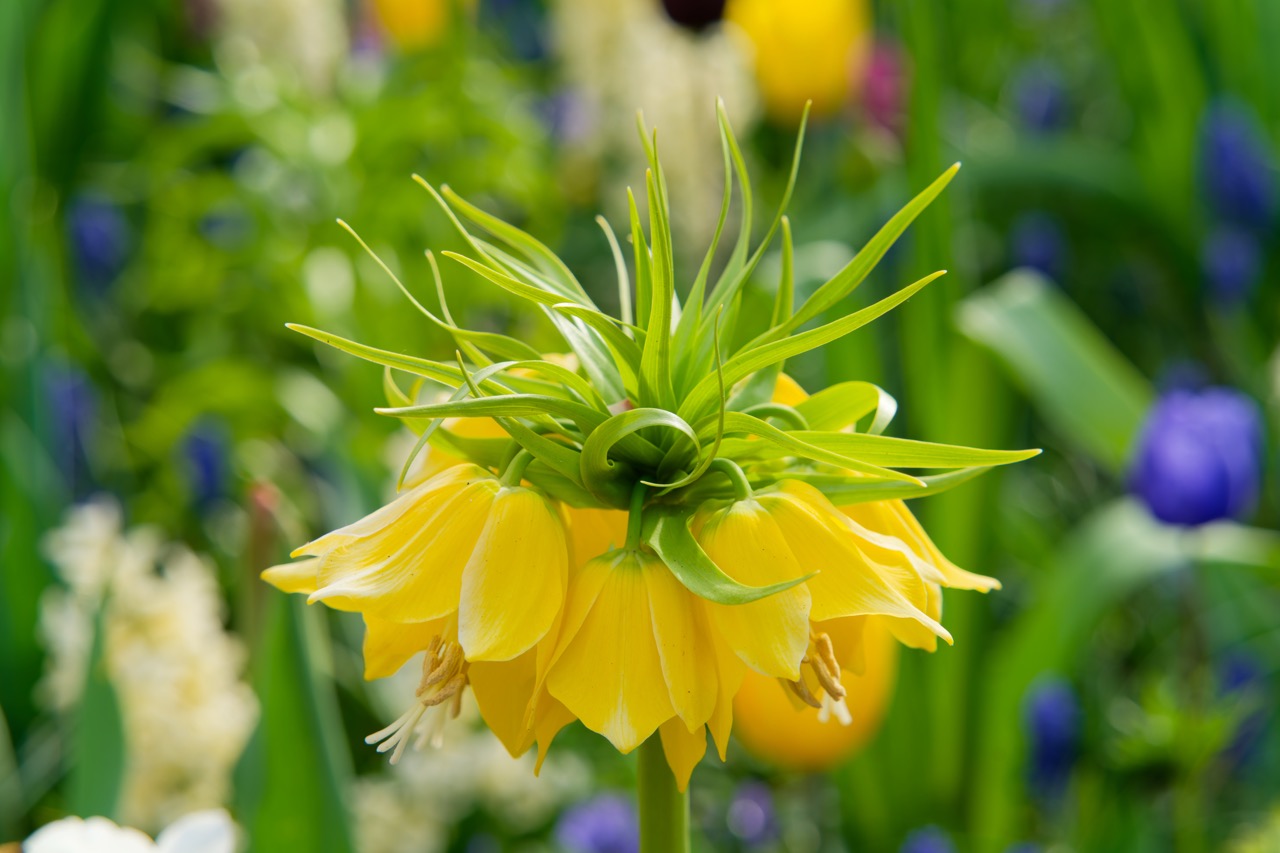
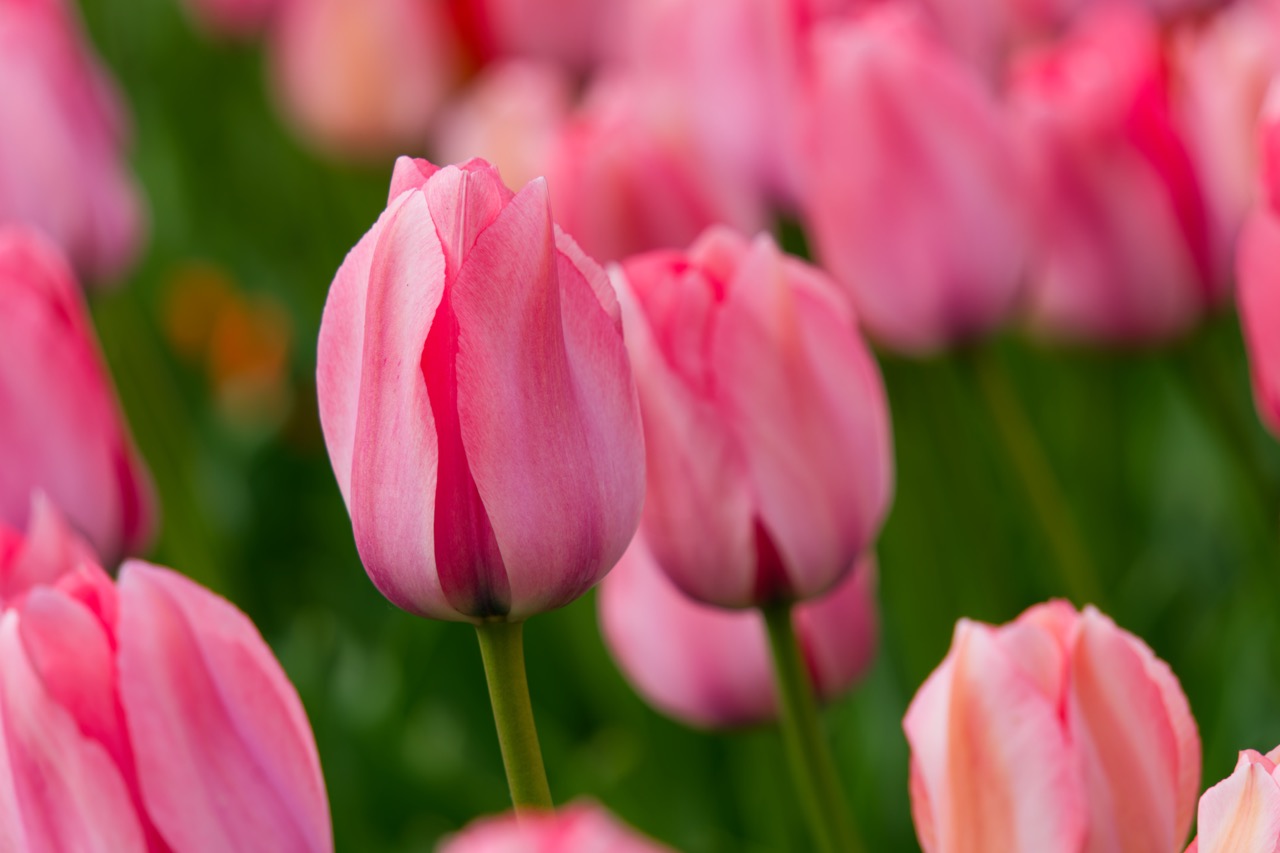
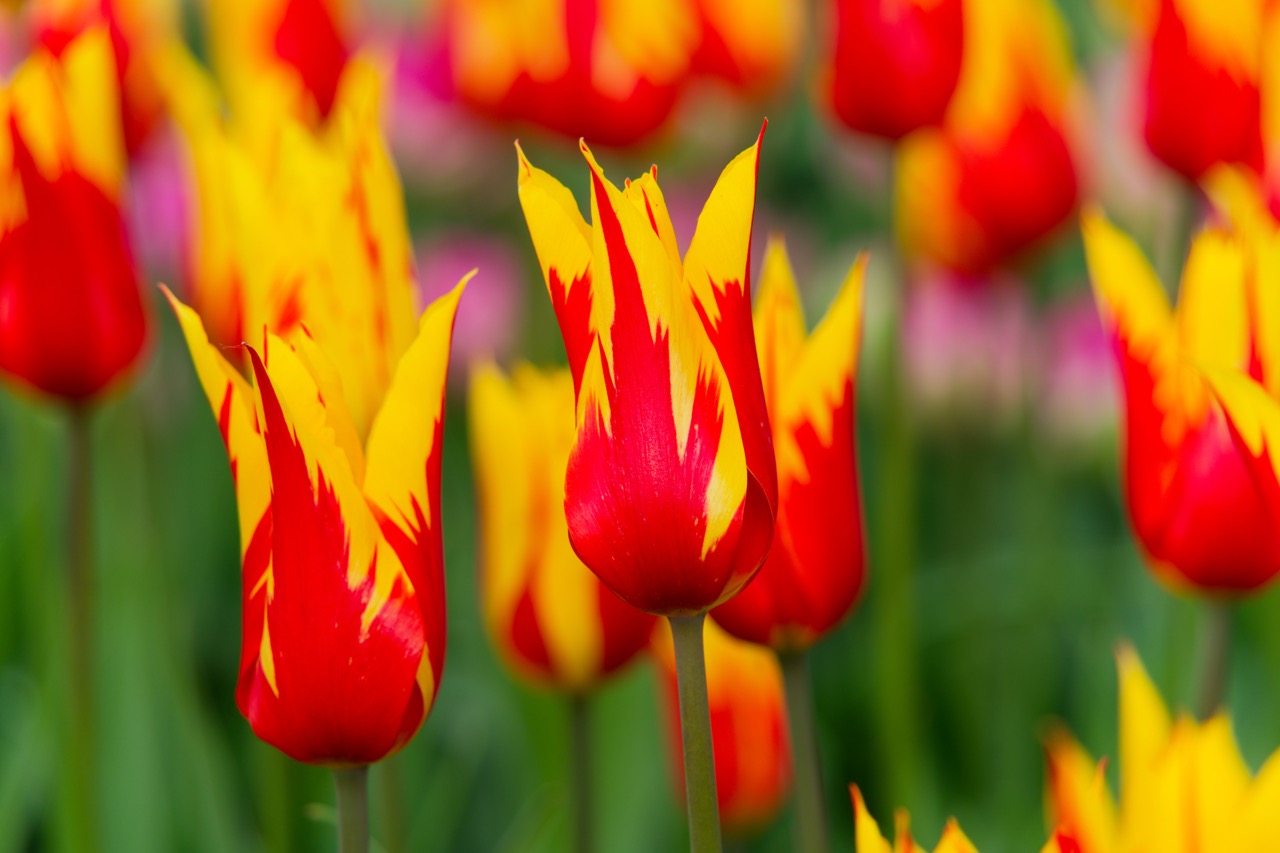
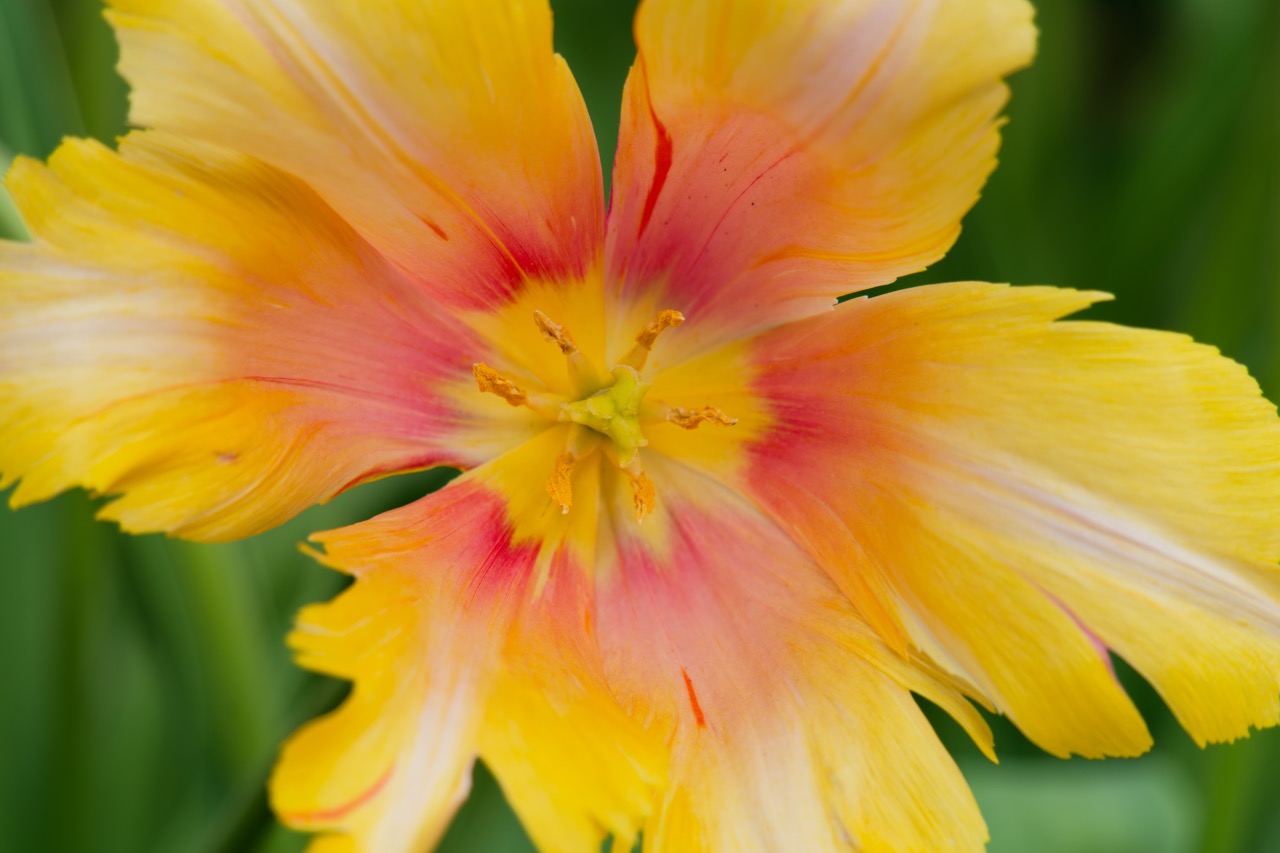
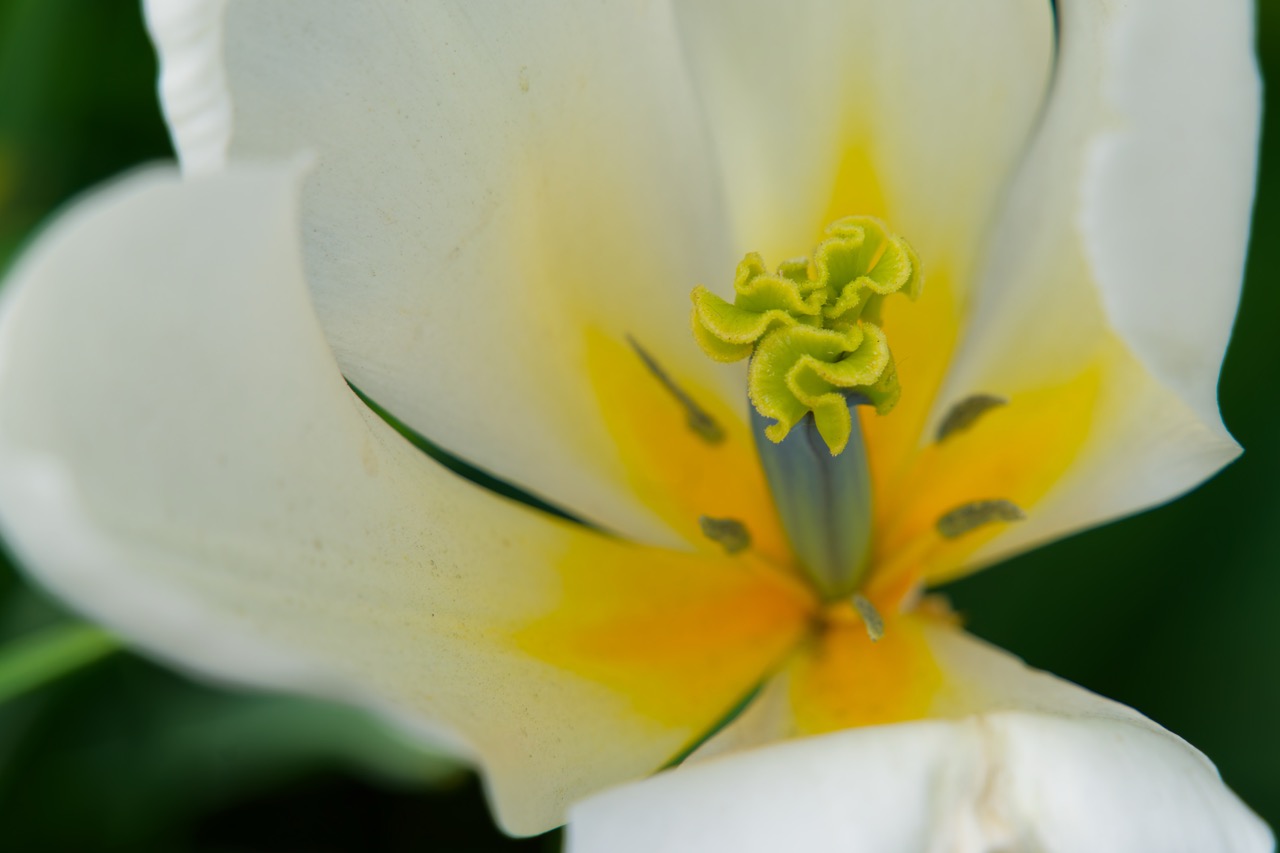
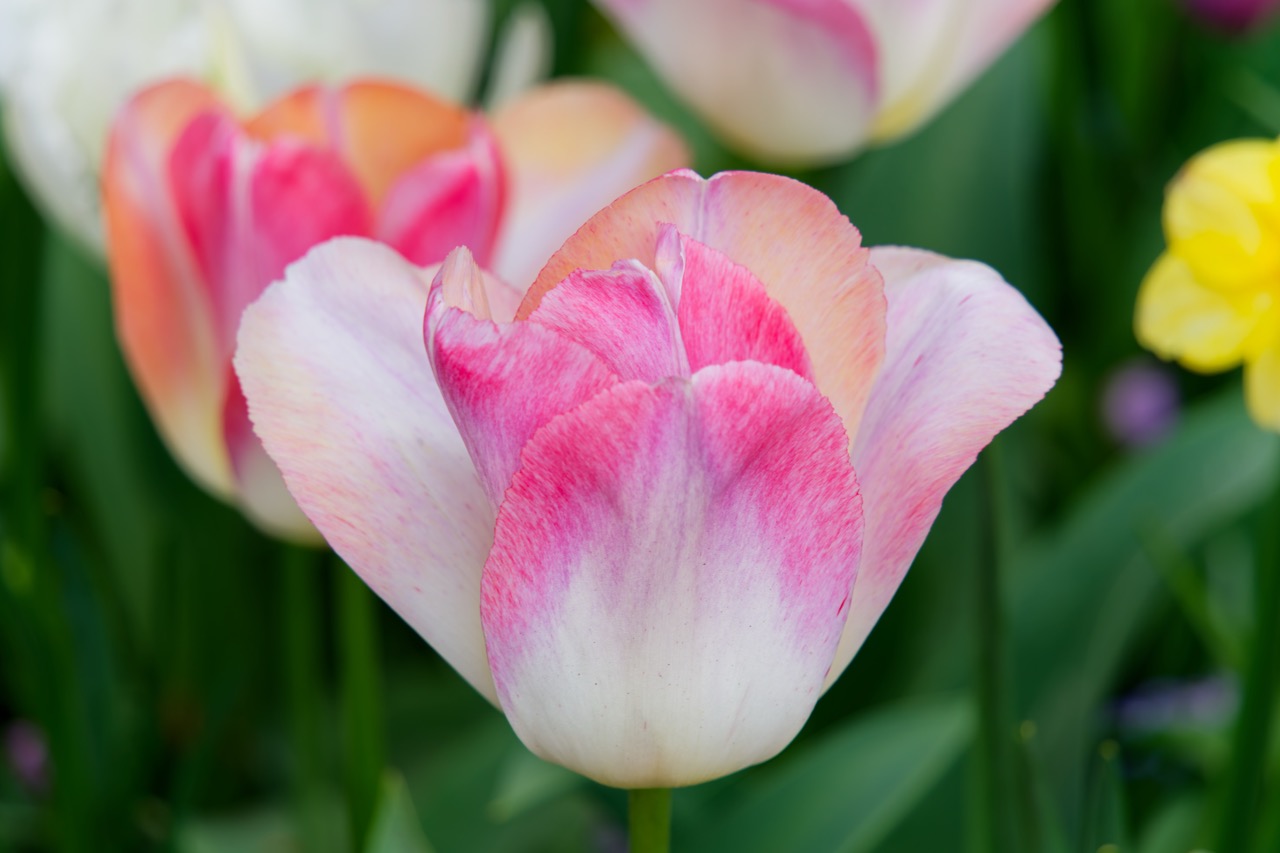
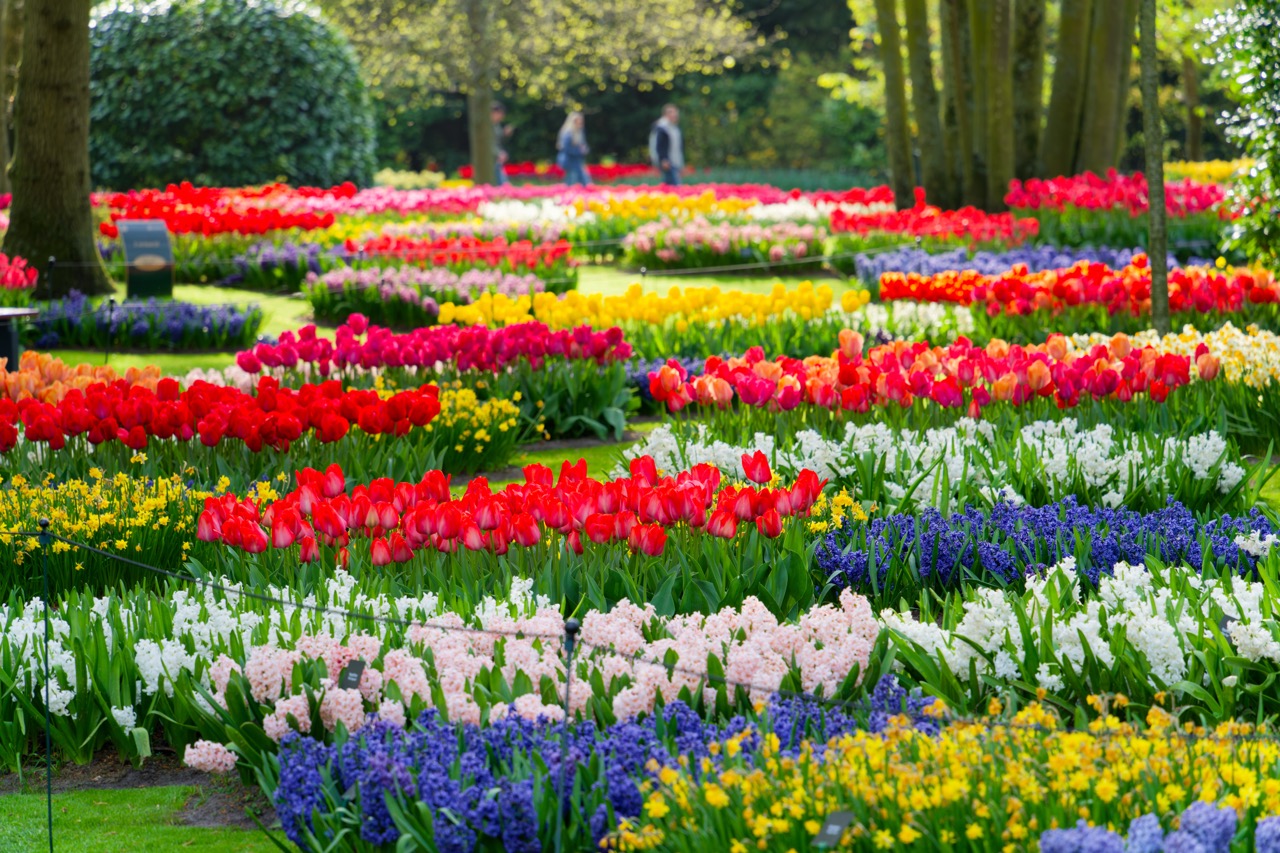
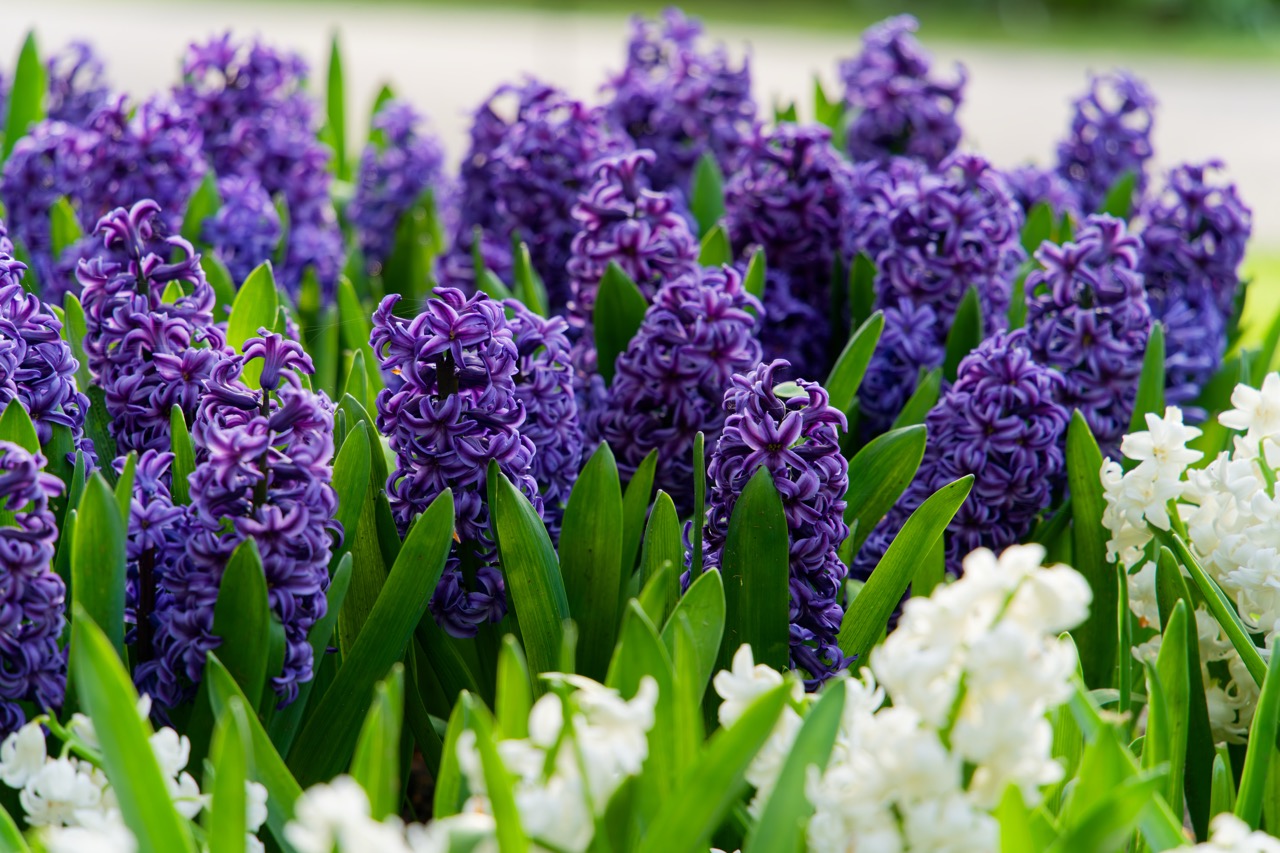
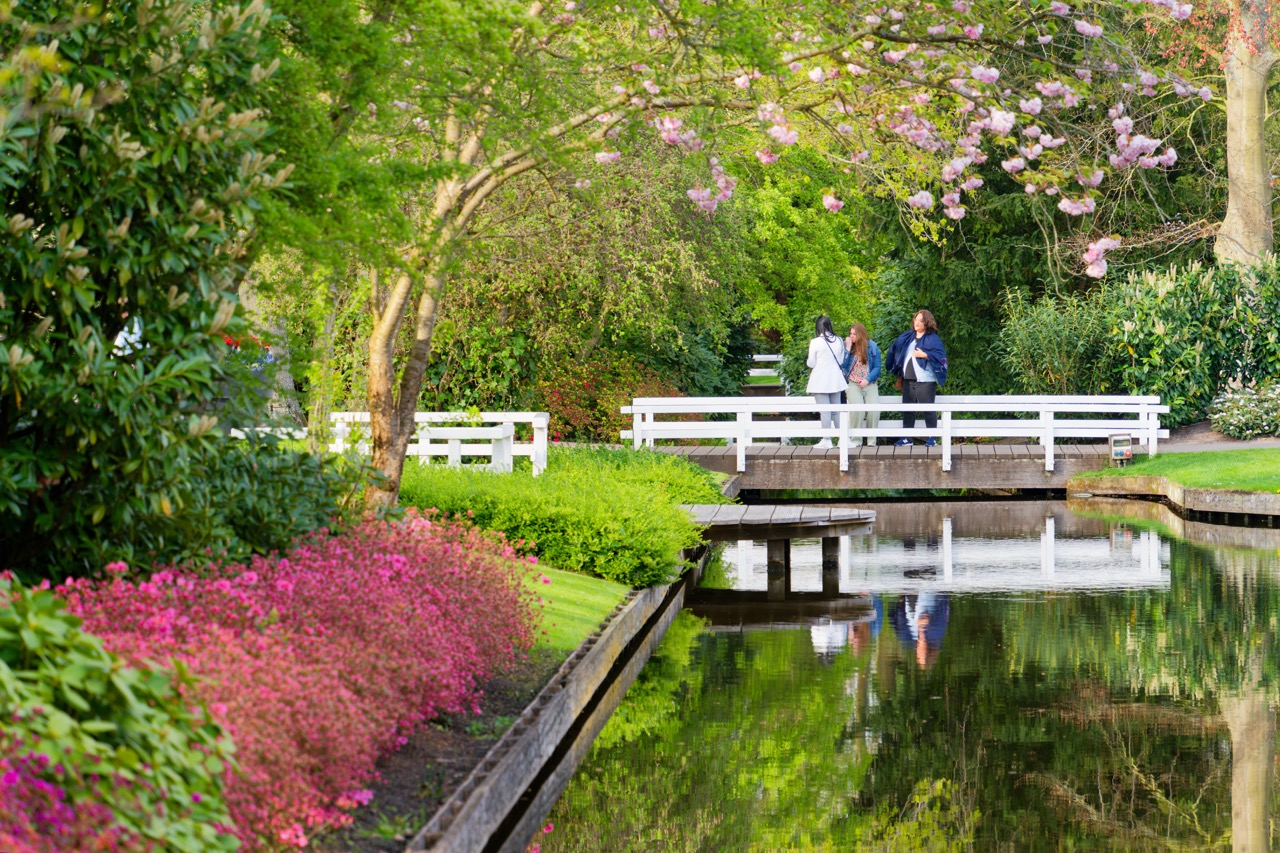
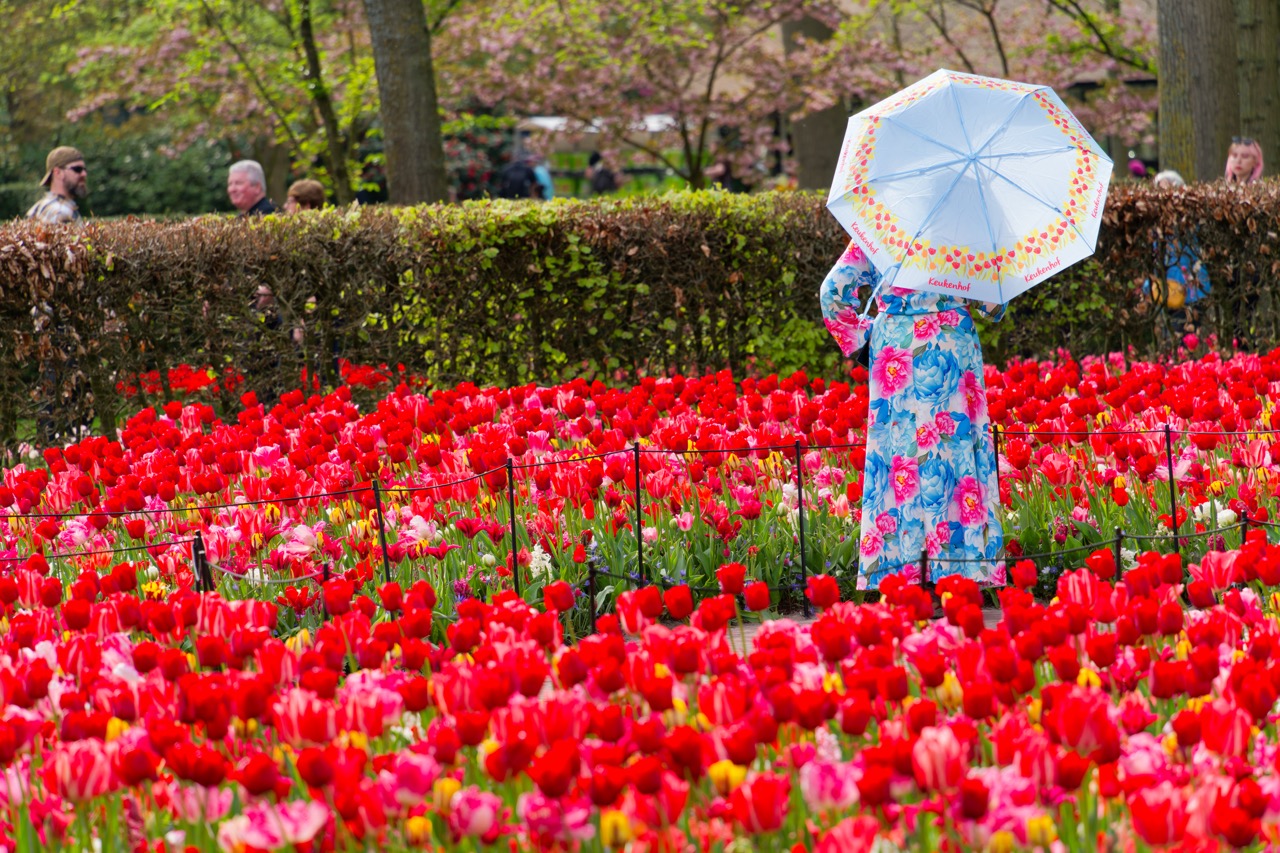
Nothing, and we mean nothing, prepares you for what is inside those gates. It is the only place on earth where you can witness over 800 varieties of tulips in a single location, ranging from the classic red Apeldoorn to the rare, dark Queen of Night. The scale of it is difficult to process. The park is stunning, with tulips in countless colors and proud daffodils standing tall in the flower beds, hyacinths spreading their delightful fragrance, and prunus trees in full blossom.
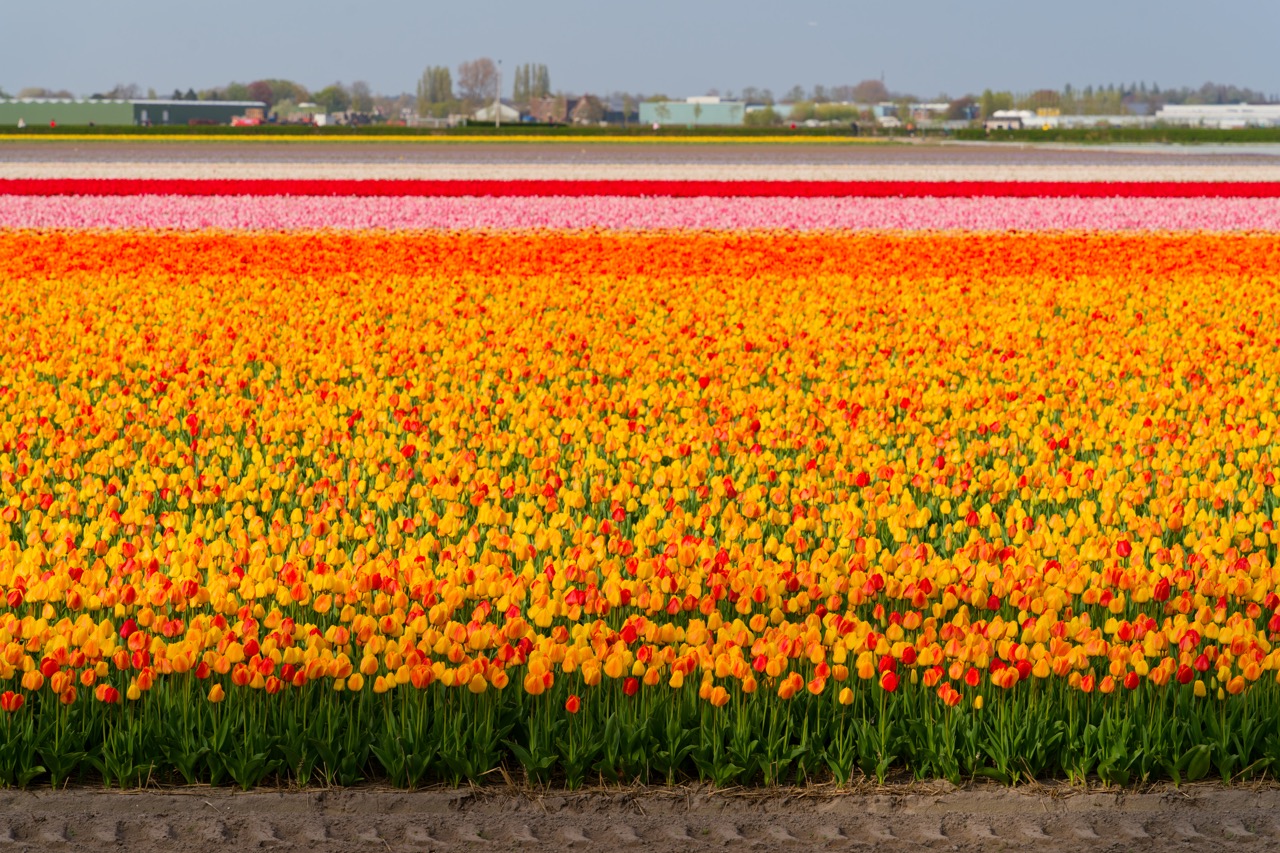
Visiting during the tulip festival is a bucket-list experience, as the park comes alive with over seven million hand-planted bulbs, creating a vivid tapestry of colors that feels almost surreal. While the tulip is the undisputed star of the show, the festival also celebrates a vast array of hyacinths, daffodils, and orchids, all arranged in intricate patterns that showcase the pinnacle of Dutch horticultural artistry.
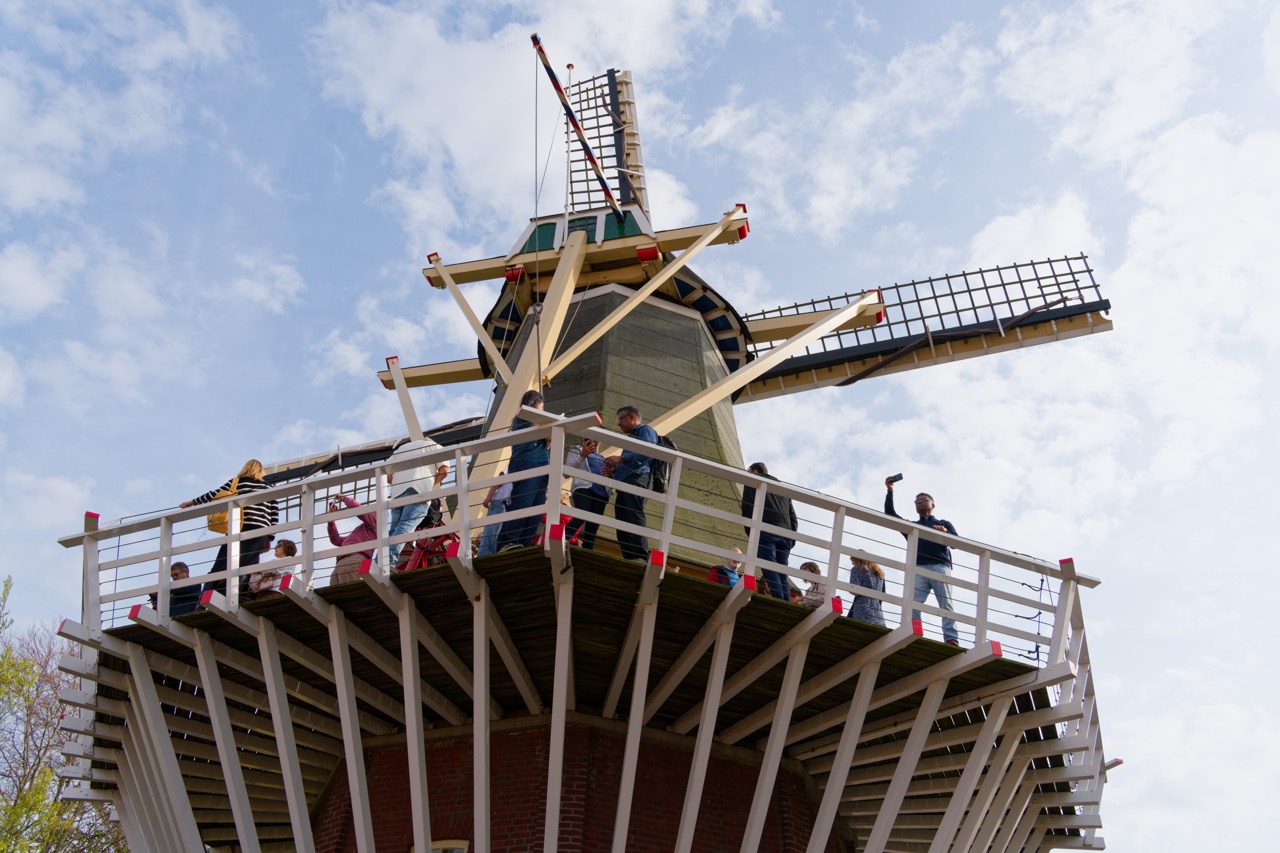
Beyond the outdoor beds, the festival offers a variety of indoor experiences that ensure a stunning visit regardless of the weather. The Willem-Alexander Pavilion is a must-see, housing thousands of tulips in a climate-controlled environment that guarantees a perfect bloom from opening day until the very last. Meanwhile, the Juliana Pavilion for 2026 features a breathtaking orchid and anthurium show, offering a tropical contrast to the traditional Dutch landscapes. For a bit of quiet adventure, you can hop on a whisper boat to glide silently through the commercial bulb fields surrounding the park, or climb the historic Keukenhof Windmill for a panoramic view of the striped floral horizons.
Amsterdam: Bikes, Blooms and Beautiful Chaos
Then came Amsterdam, and calling it a different beast is, if anything, an understatement. After the relative calm of the Belgian cities, Amsterdam hits you with a kind of joyful, chaotic energy that takes a little adjustment. And the first thing you notice is the bikes. So many bikes. Everywhere, at all times, moving with a confidence and a speed that makes pedestrians feel vaguely like they are trespassing. Most cyclists are entirely without helmets, weaving through traffic and navigating tram lines with the casual nonchalance of people who have been doing this since before they could walk. Which, frankly, many of them probably have.
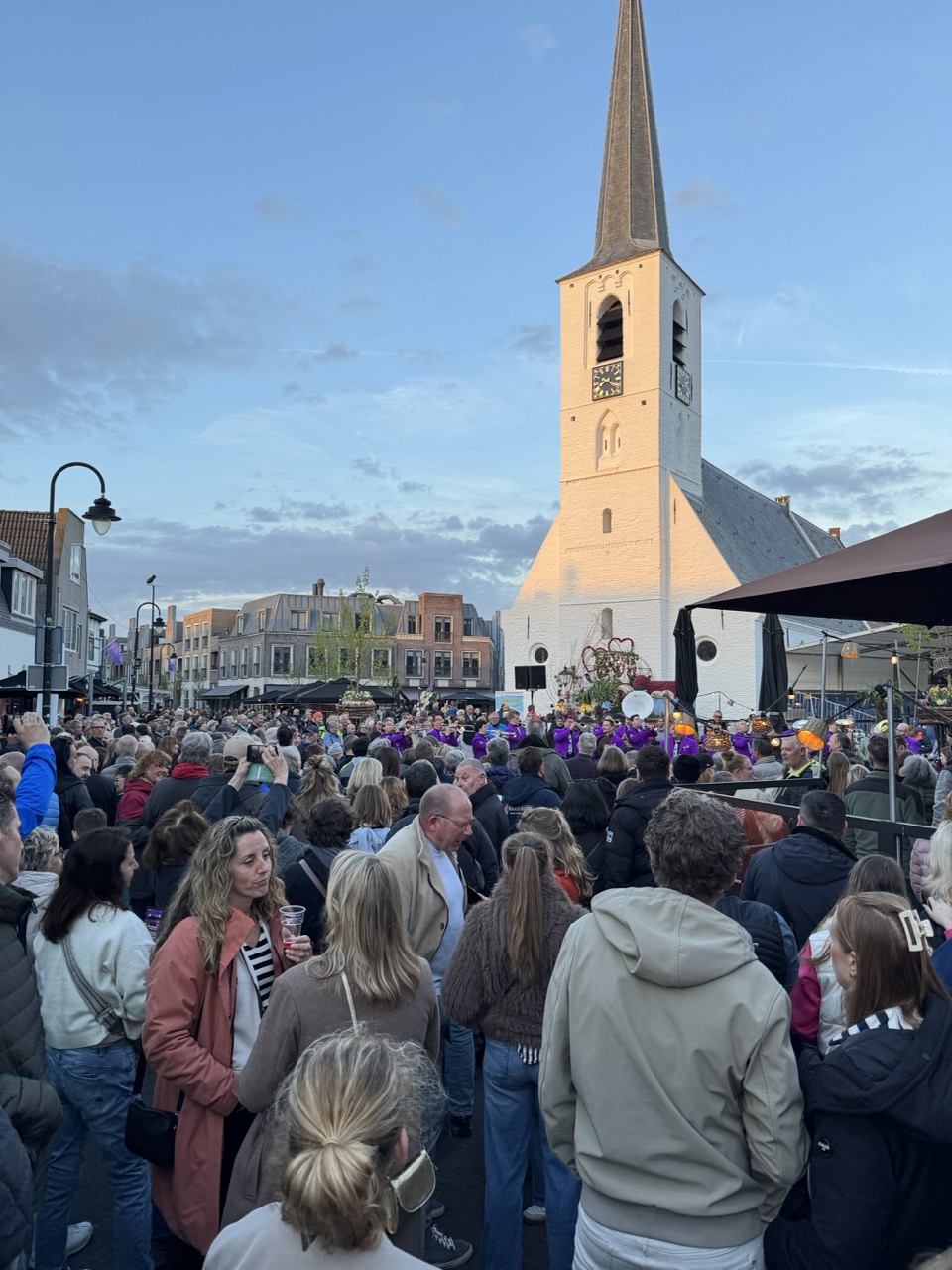
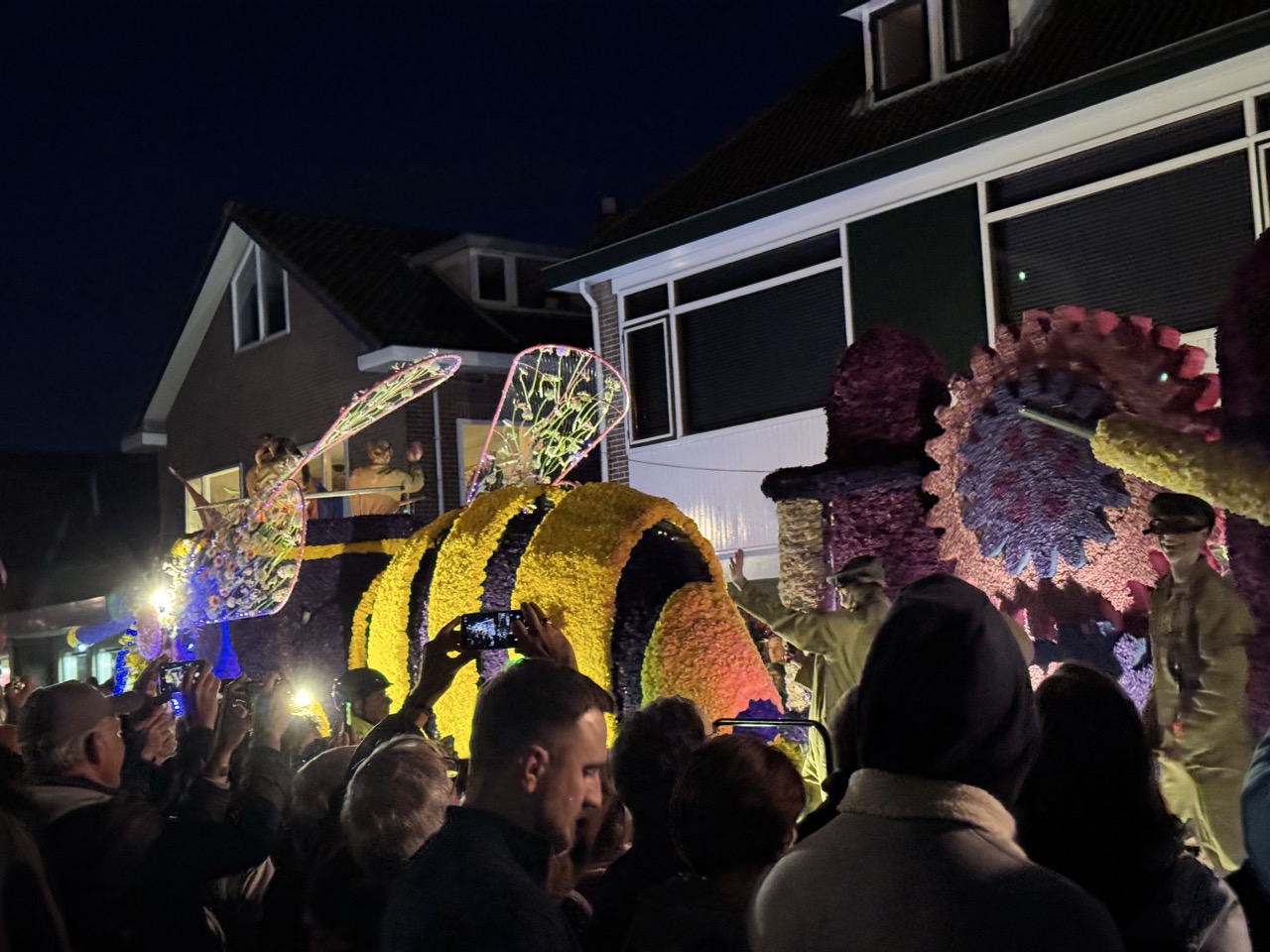
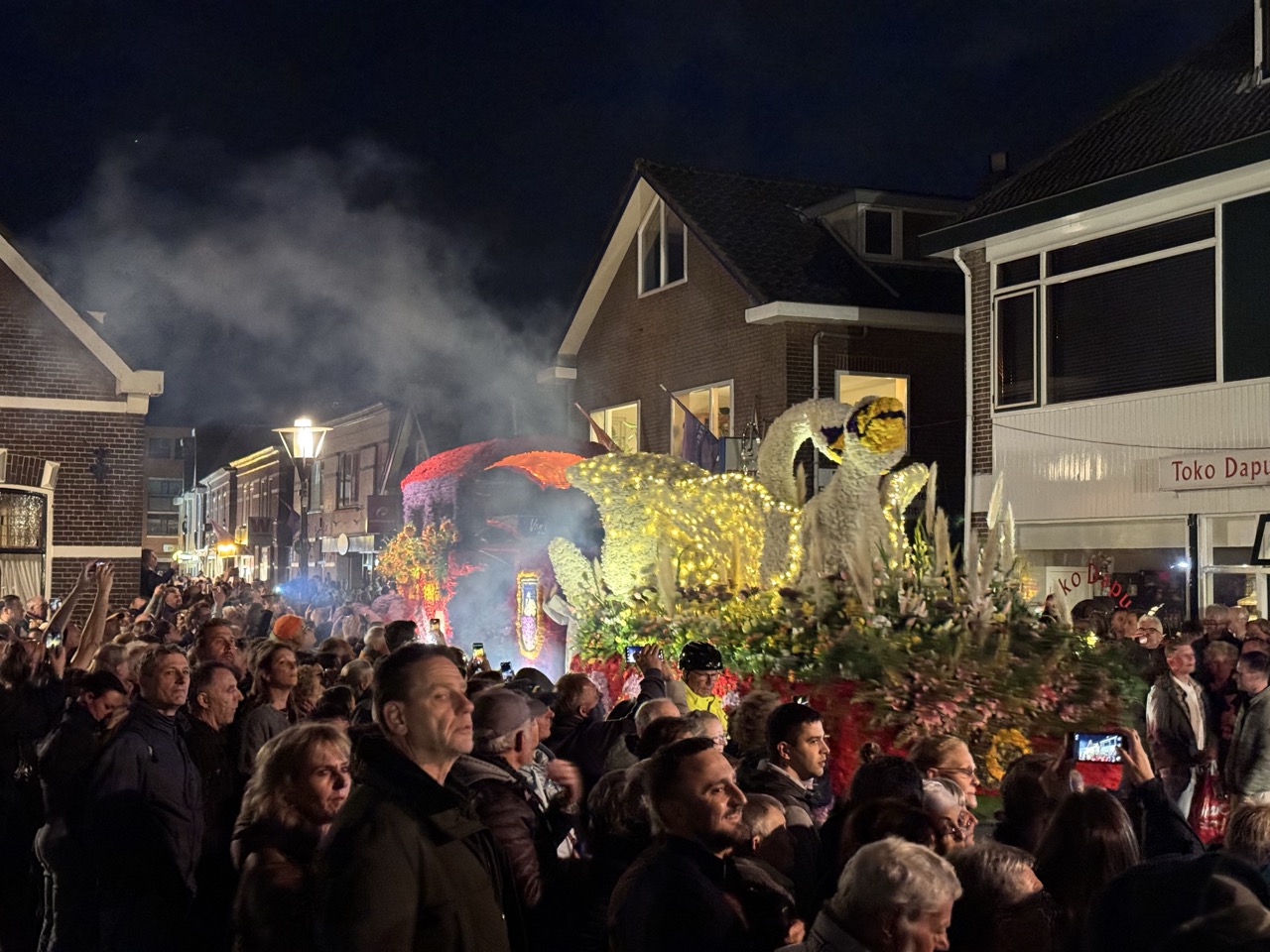
But we had timed our visit well, because April in the Netherlands is something else entirely. The evening before the main Flower Parade, the floats make their way through the streets illuminated after dark, and this is honestly where the whole thing tips from impressive into surreal. Imagine these vast, elaborate constructions — already extraordinary in daylight — now glowing from within and outlined against the night sky, every petal and carefully arranged bloom catching the light in a way that makes the whole display feel almost otherworldly. The crowds lining the streets had a different energy too, quieter and more absorbed than a daytime event, as if everyone watching had collectively agreed to just take it in. It is one of those things you find yourself struggling to describe afterwards because the visual is so far outside of normal reference points.
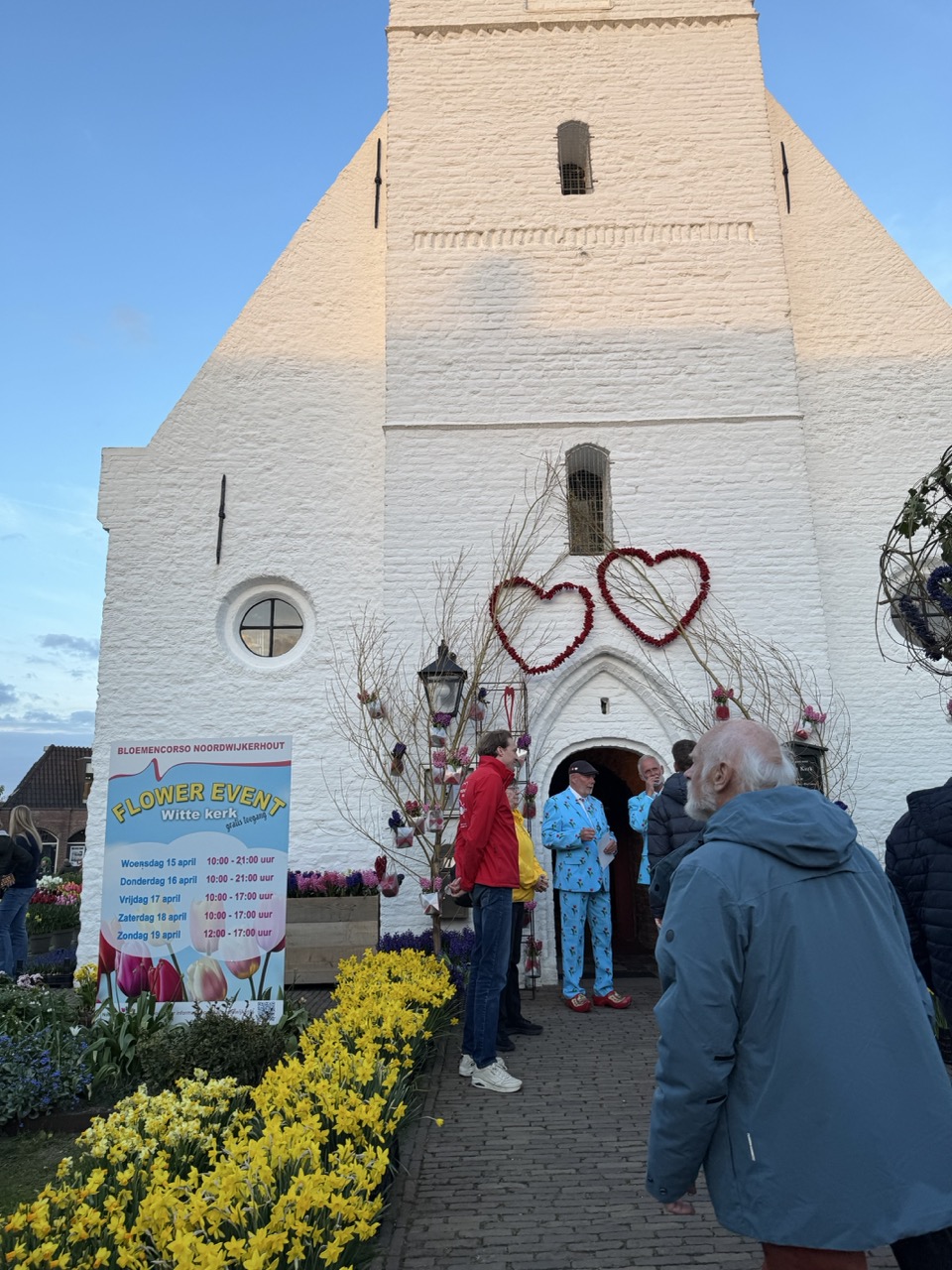
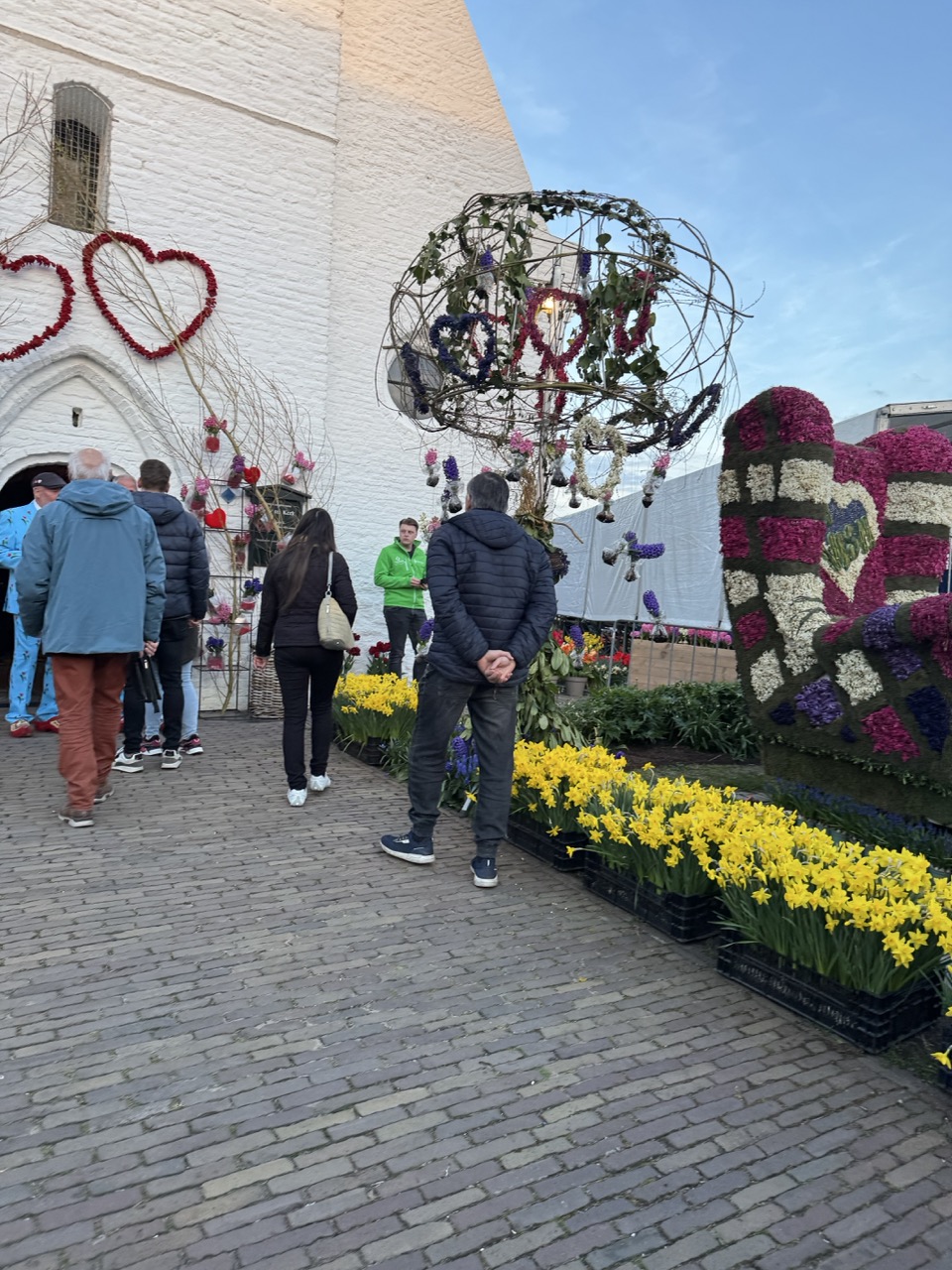
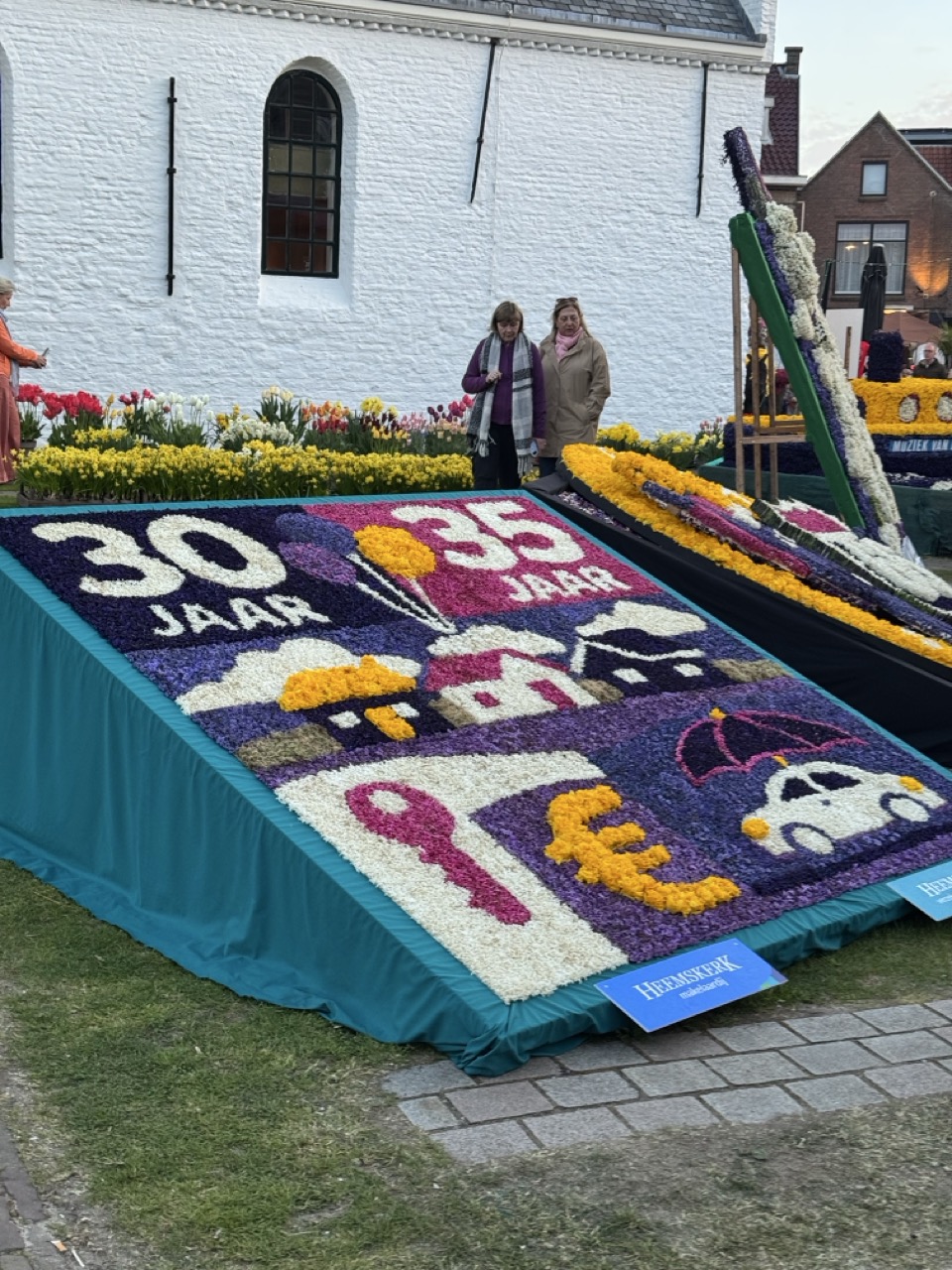
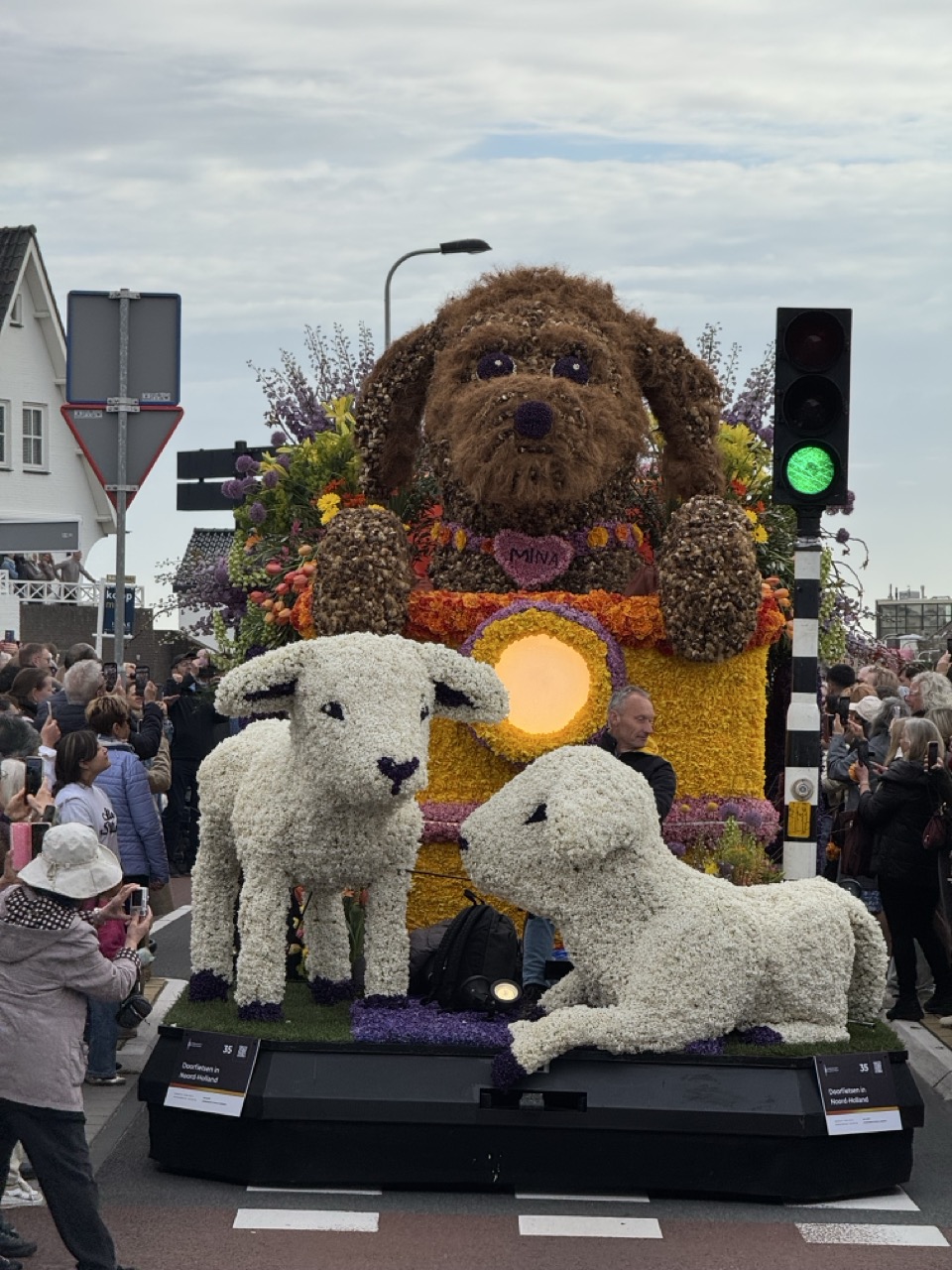
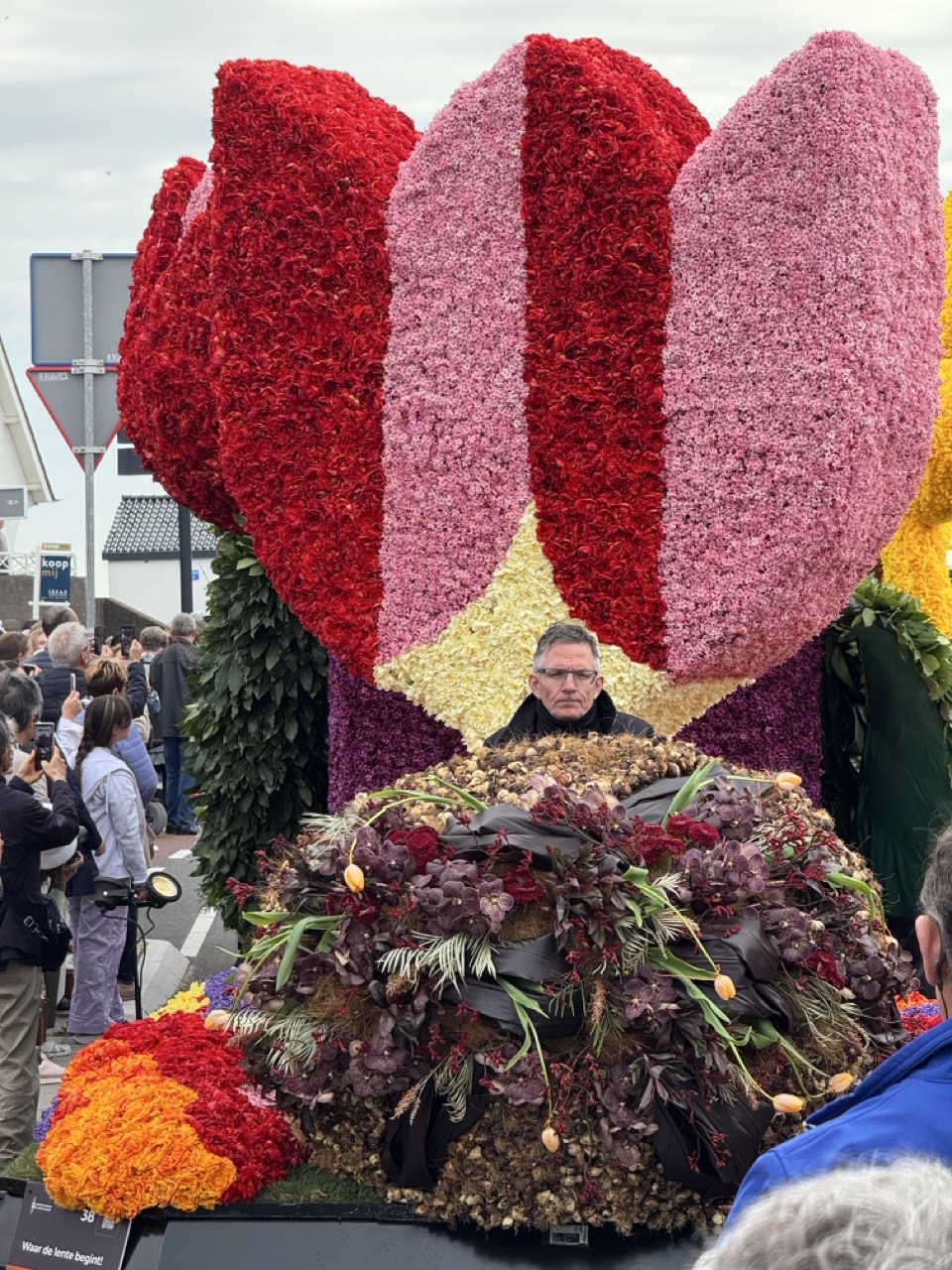
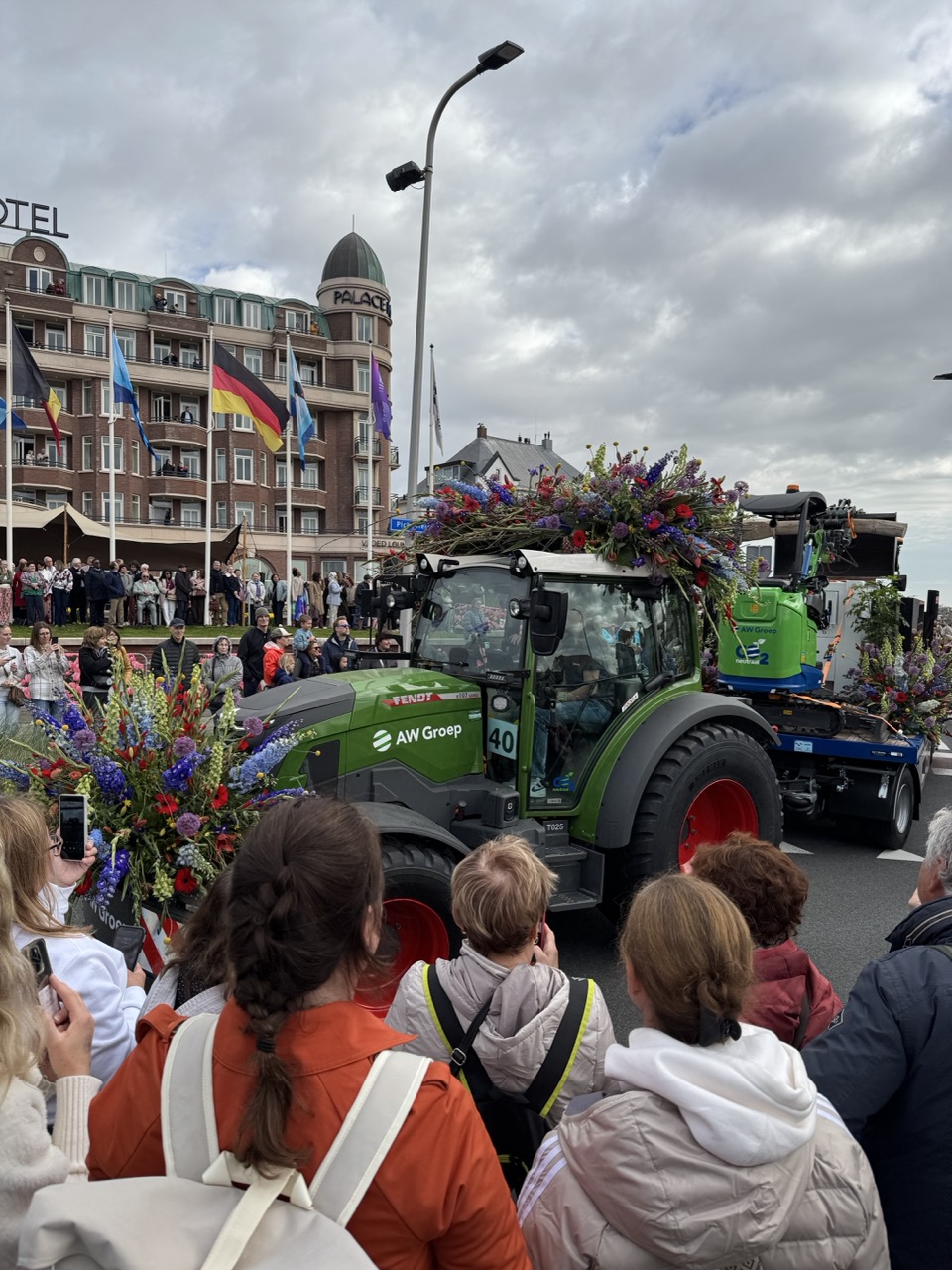
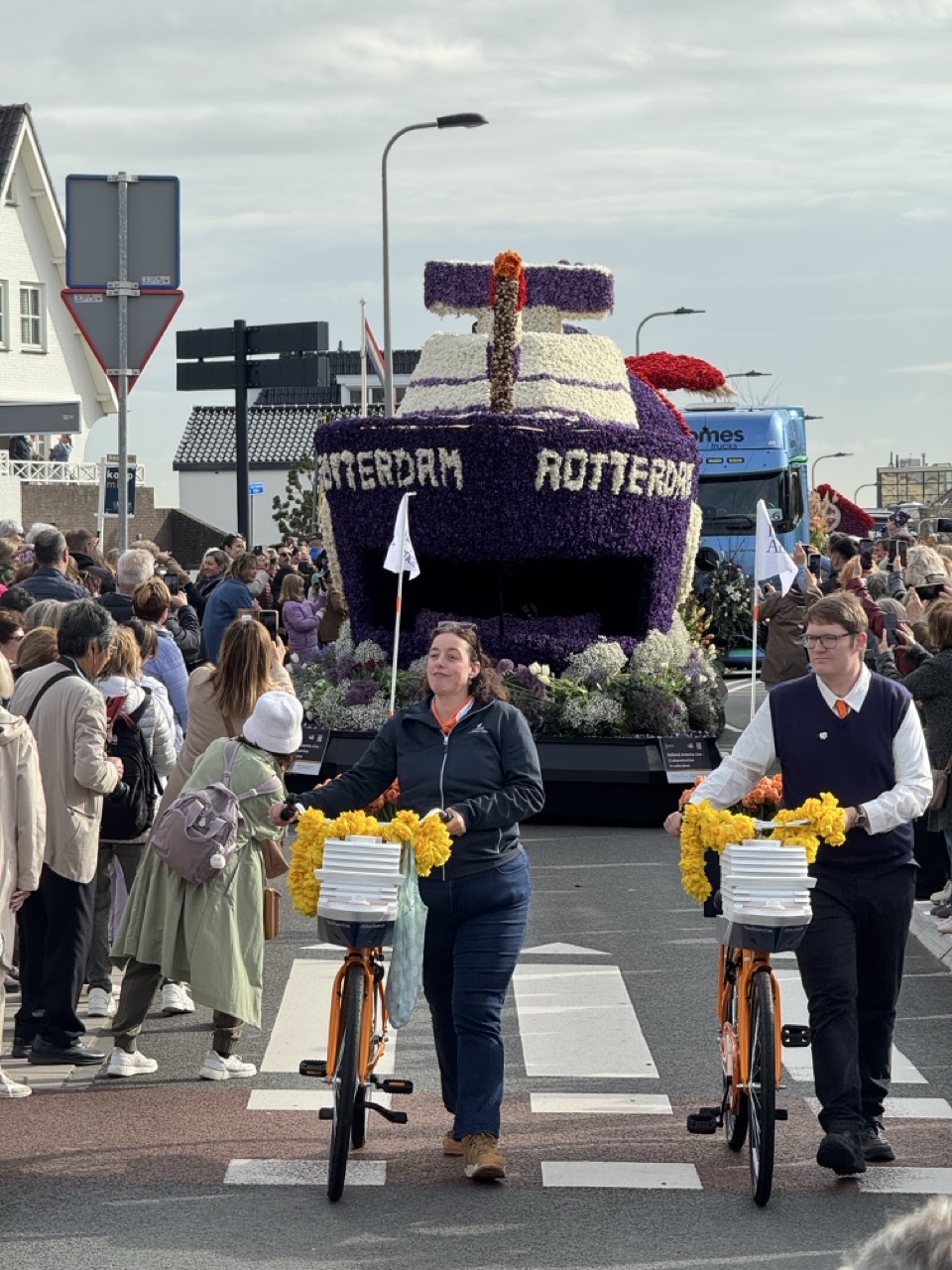
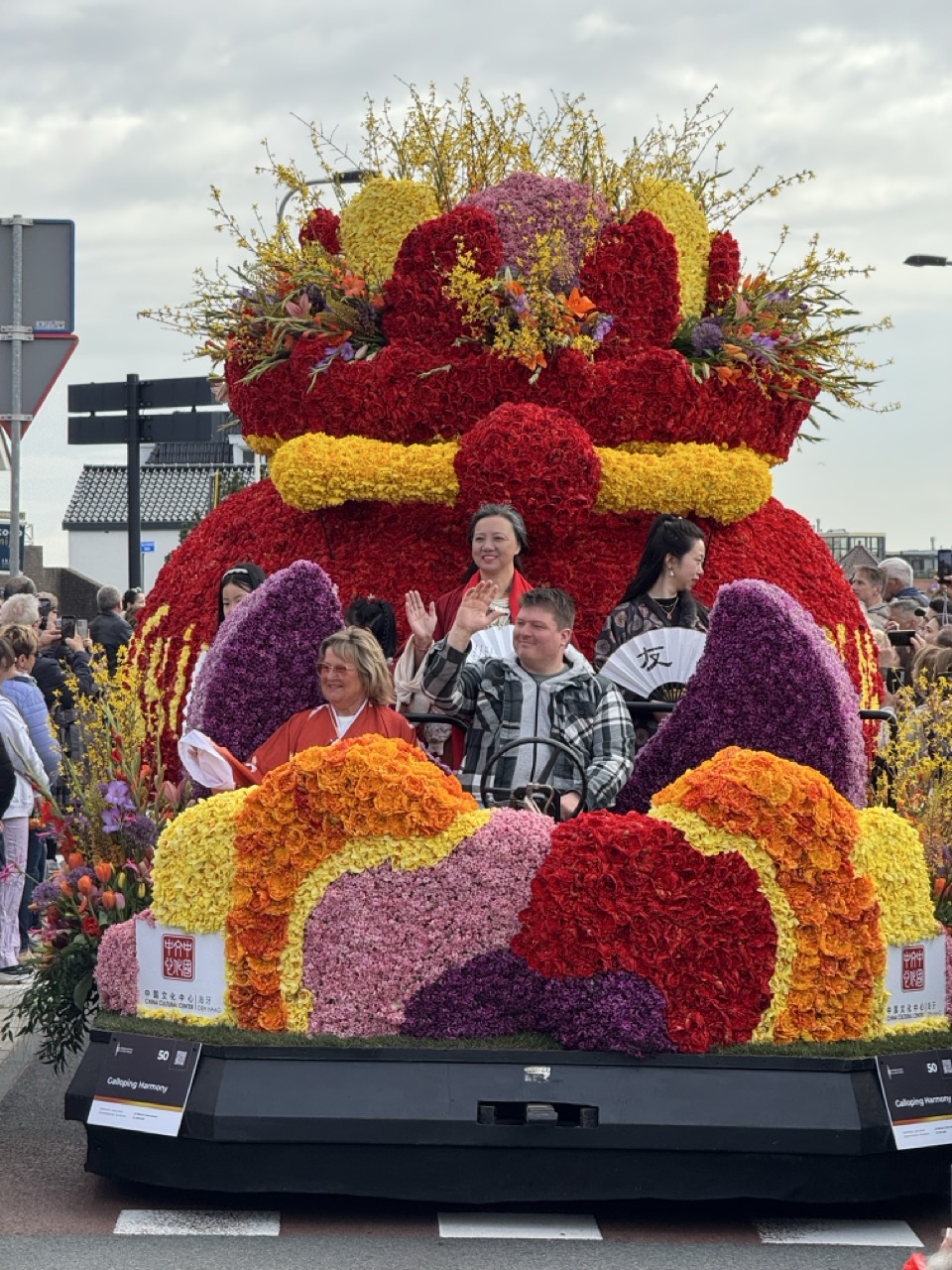
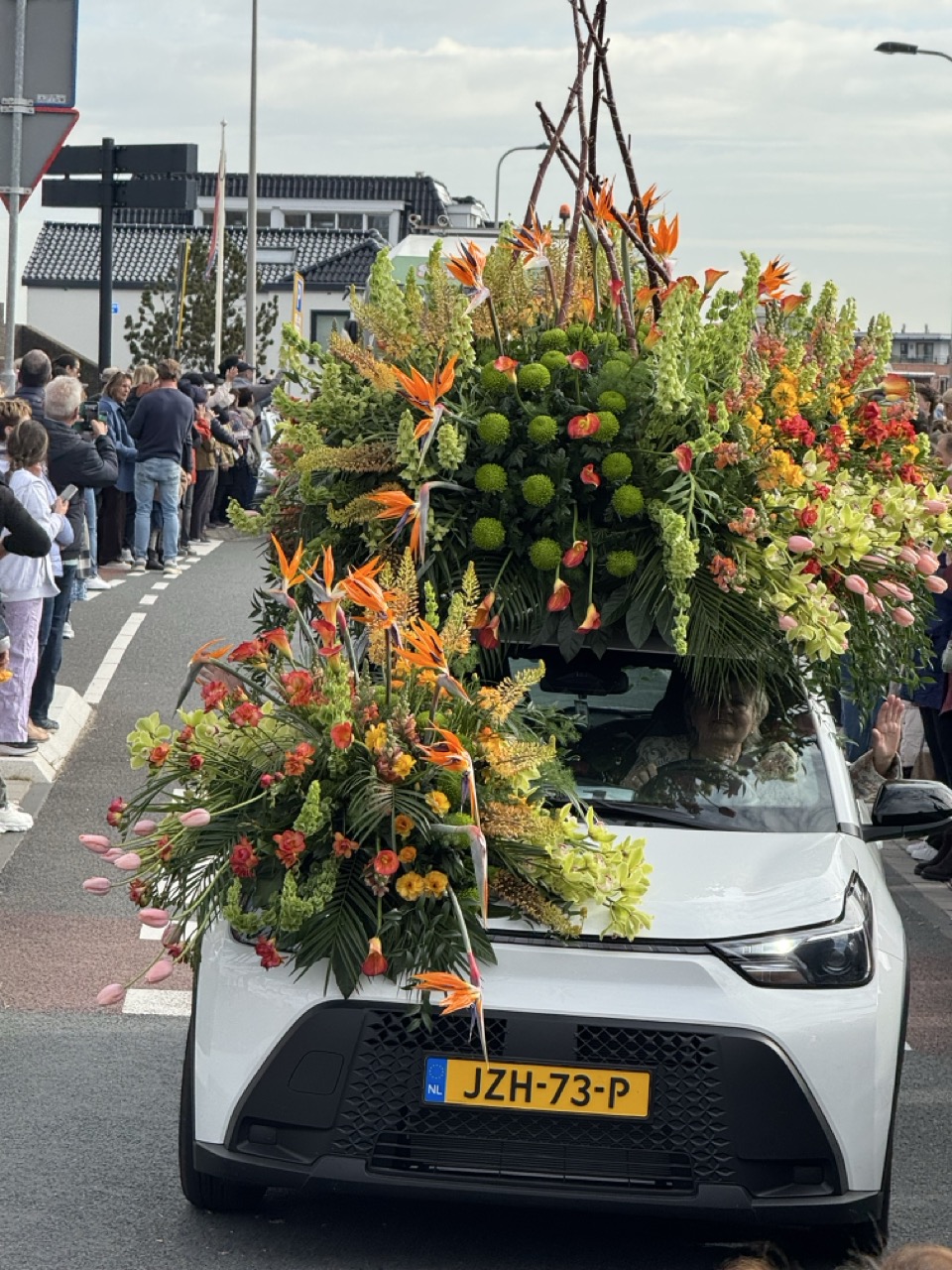
Then the following morning, the main event. The world-famous Flower Parade of the Bollenstreek travels its colorful 42-kilometre route from Noordwijk to Haarlem, passing Keukenhof along the way. The floats are not modest affairs. These are enormous, elaborate constructions covered entirely in fresh flowers, petals arranged into intricate patterns and sculptures that somehow stay coherent at parade speed. Having already seen them the night before in the dark, seeing them again in full daylight gave us a completely different perspective, and somehow they managed to be even more impressive the second time around.
Back to Bruges: Beer, Mussels and One Very Unusual Pipeline
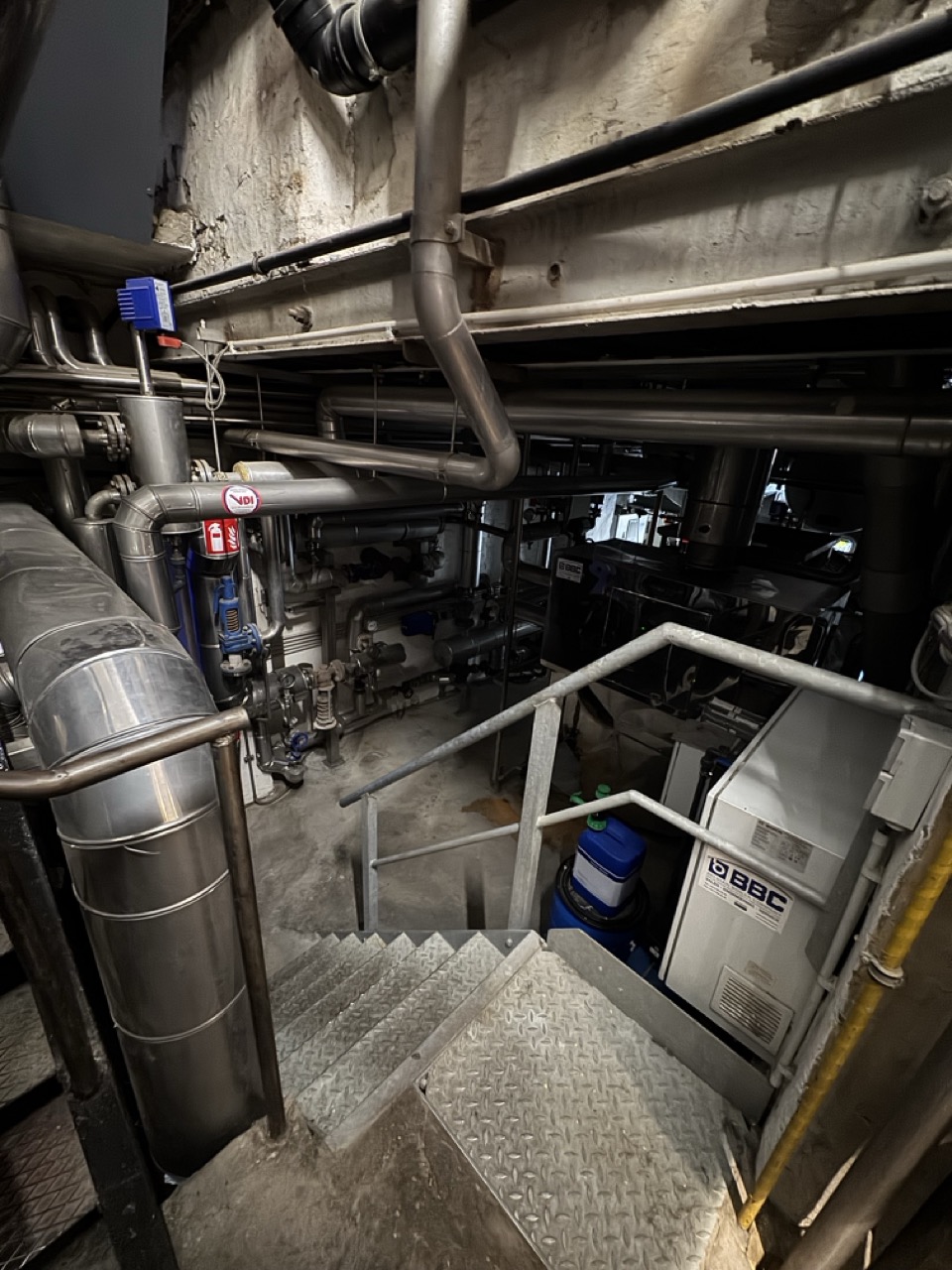
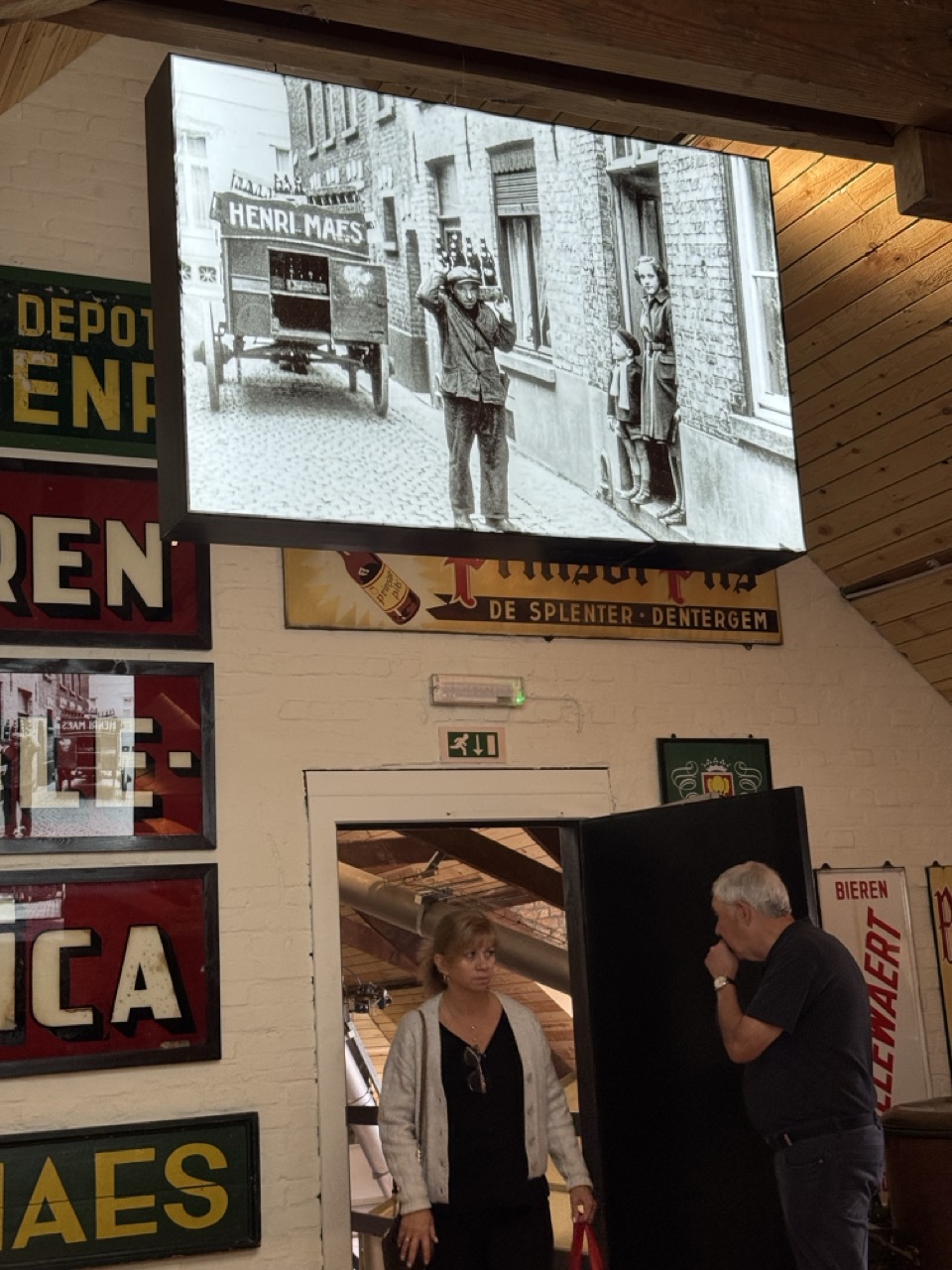
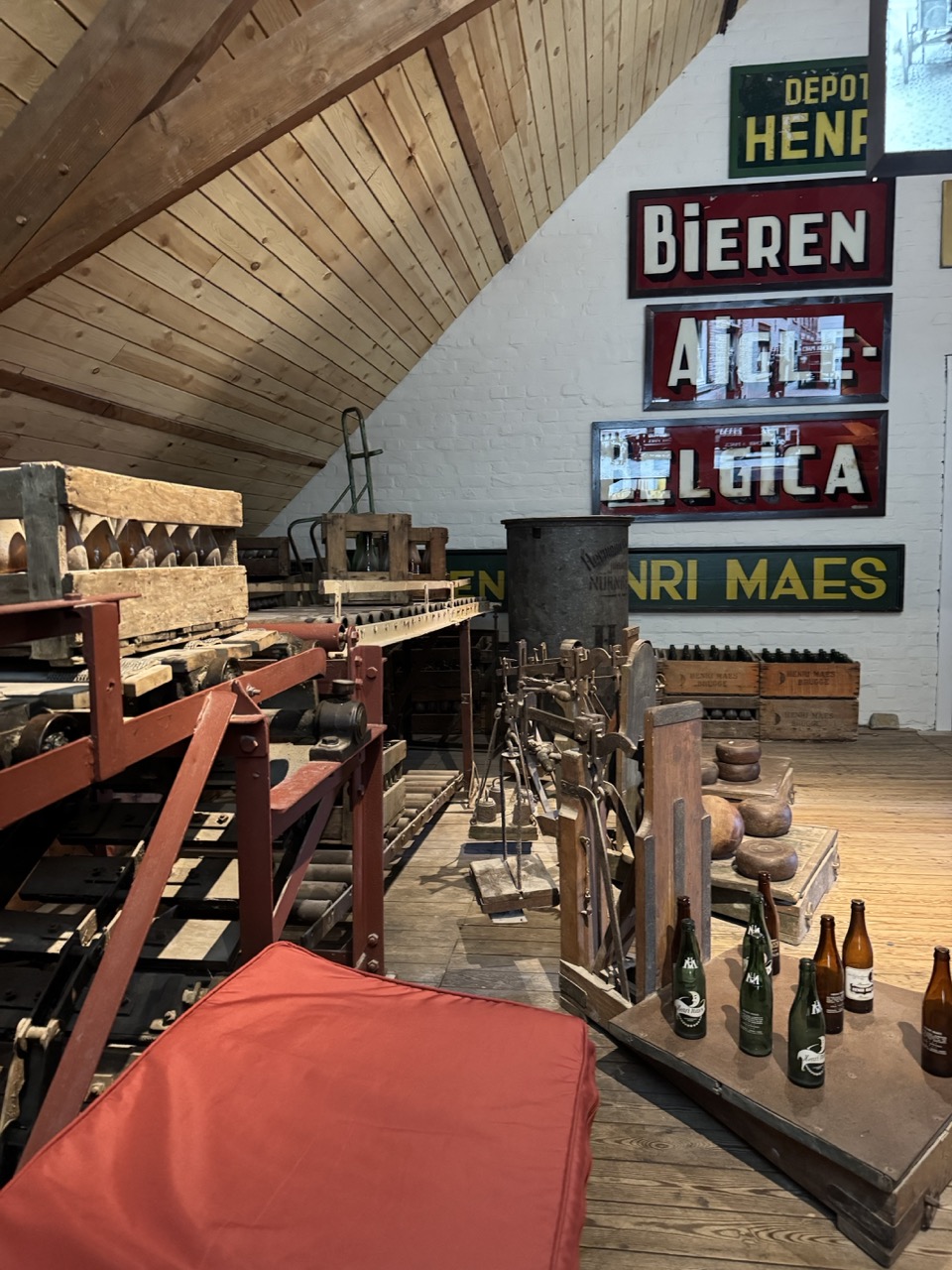
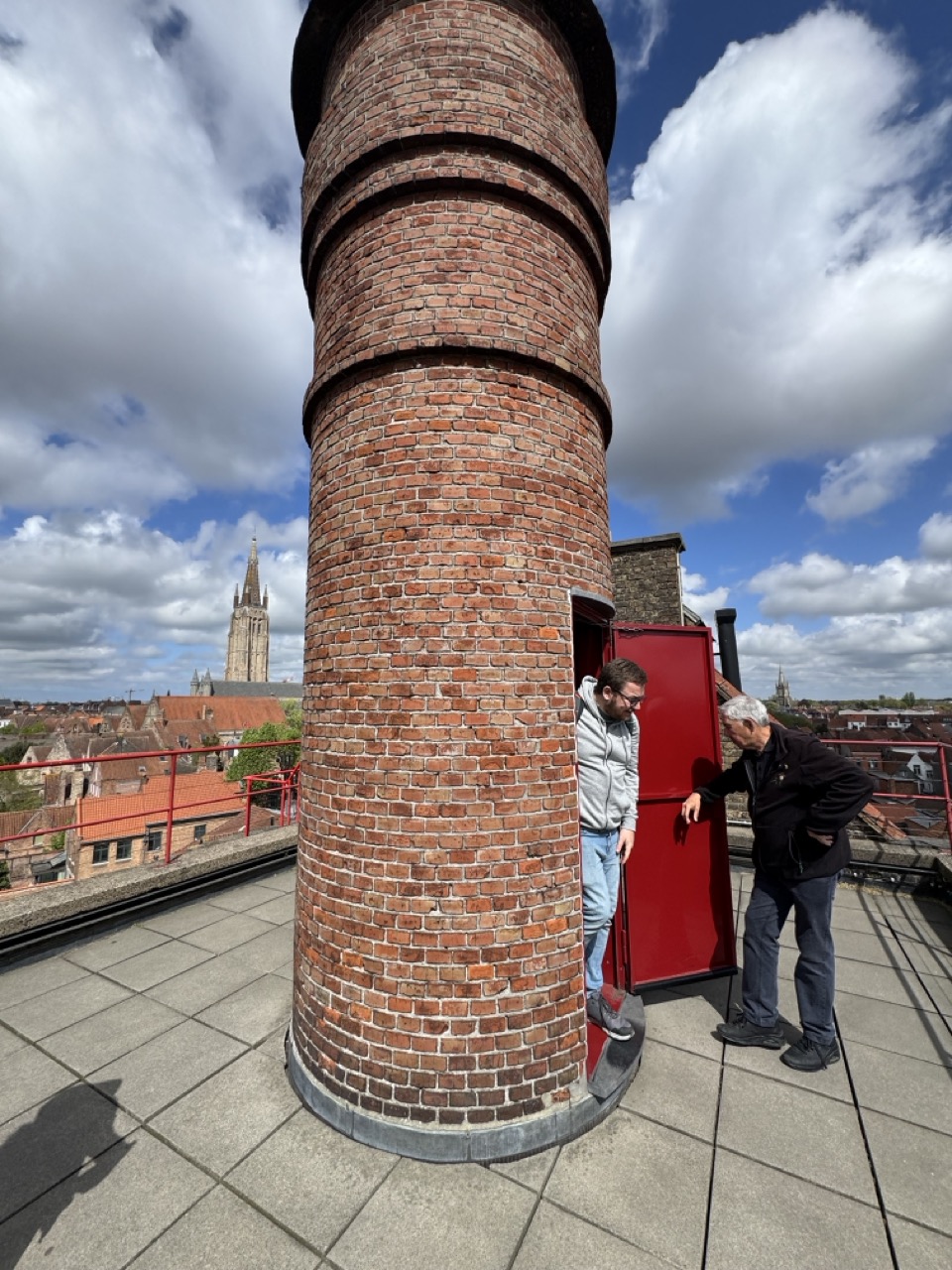
We swung back through Bruges for our final leg of the roadtrip, we headed straight to De Halve Maan Brewery, and what we found there was one of those rare combinations of great beer and genuinely extraordinary backstory. In 2016, De Halve Maan completed a 3,276-metre-long beer pipeline from its brewery to its bottling plant to avoid having to send trucks through the narrow, cobbled streets of Bruges. The pipeline runs underground through the city, beneath the canals and cobblestones, transporting 1,000 gallons of beer per hour, the equivalent of 12,000 bottles, from one of the country's oldest still-operational breweries to its bottling plant two miles away. You can even spot a transparent section of it through a manhole cover cut into the street.
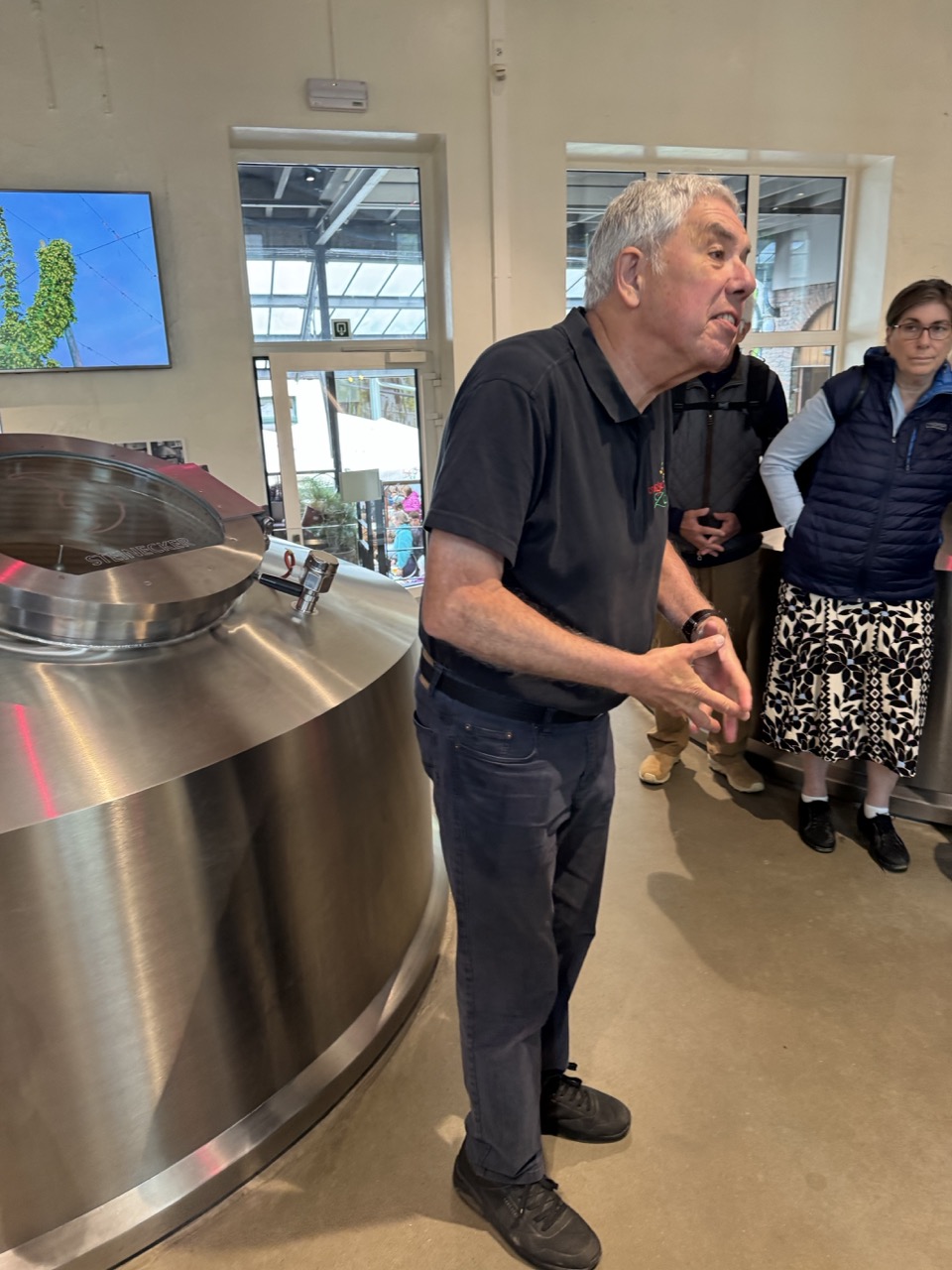
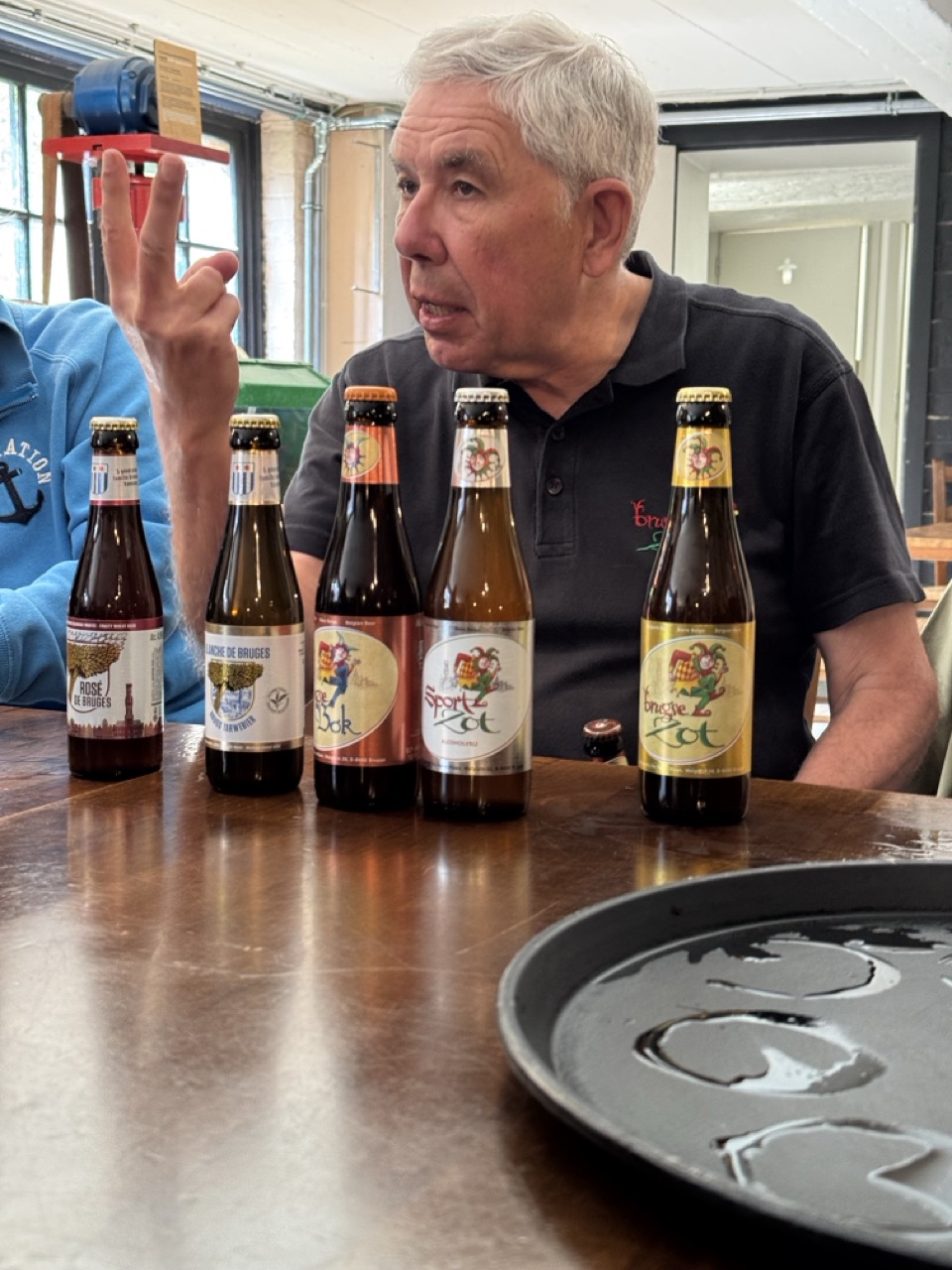
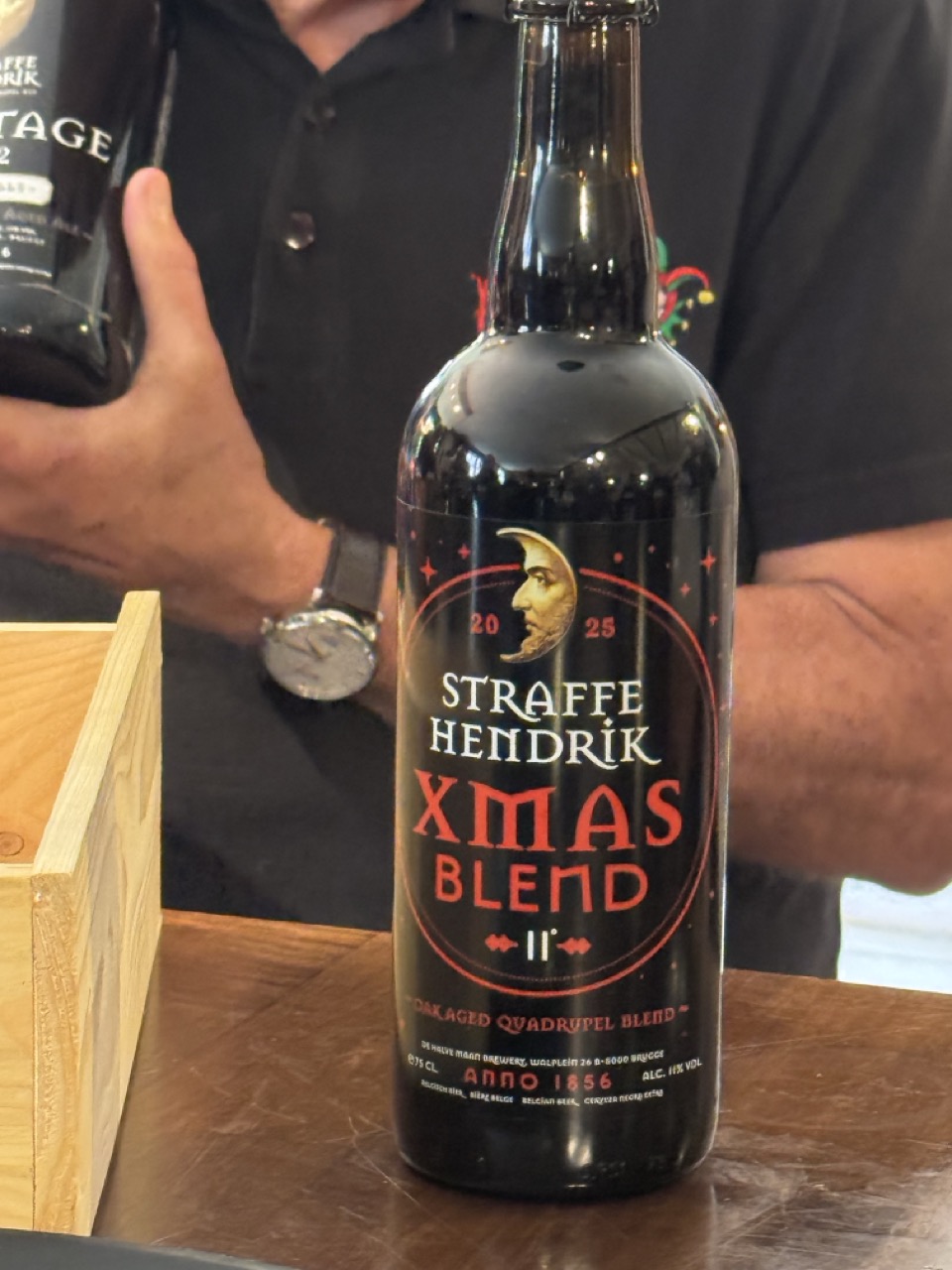
We had booked onto the XL Tour, which is designed for people who actually want to understand what they are drinking rather than just drink it. The tour takes you behind the scenes of the brewery with a guide, and the highlight is a dedicated tasting session held down in the authentic cellars of the building. There is something about being underground, surrounded by centuries of brewing history, that makes the whole thing feel genuinely special rather than just a tourist tick-box. The guide walked us through three different beers, explaining the character of each one, how the ingredients and process shape the flavour, and what to look for when you taste. It was one of those experiences that turns something you already enjoy into something you actually appreciate on a deeper level.
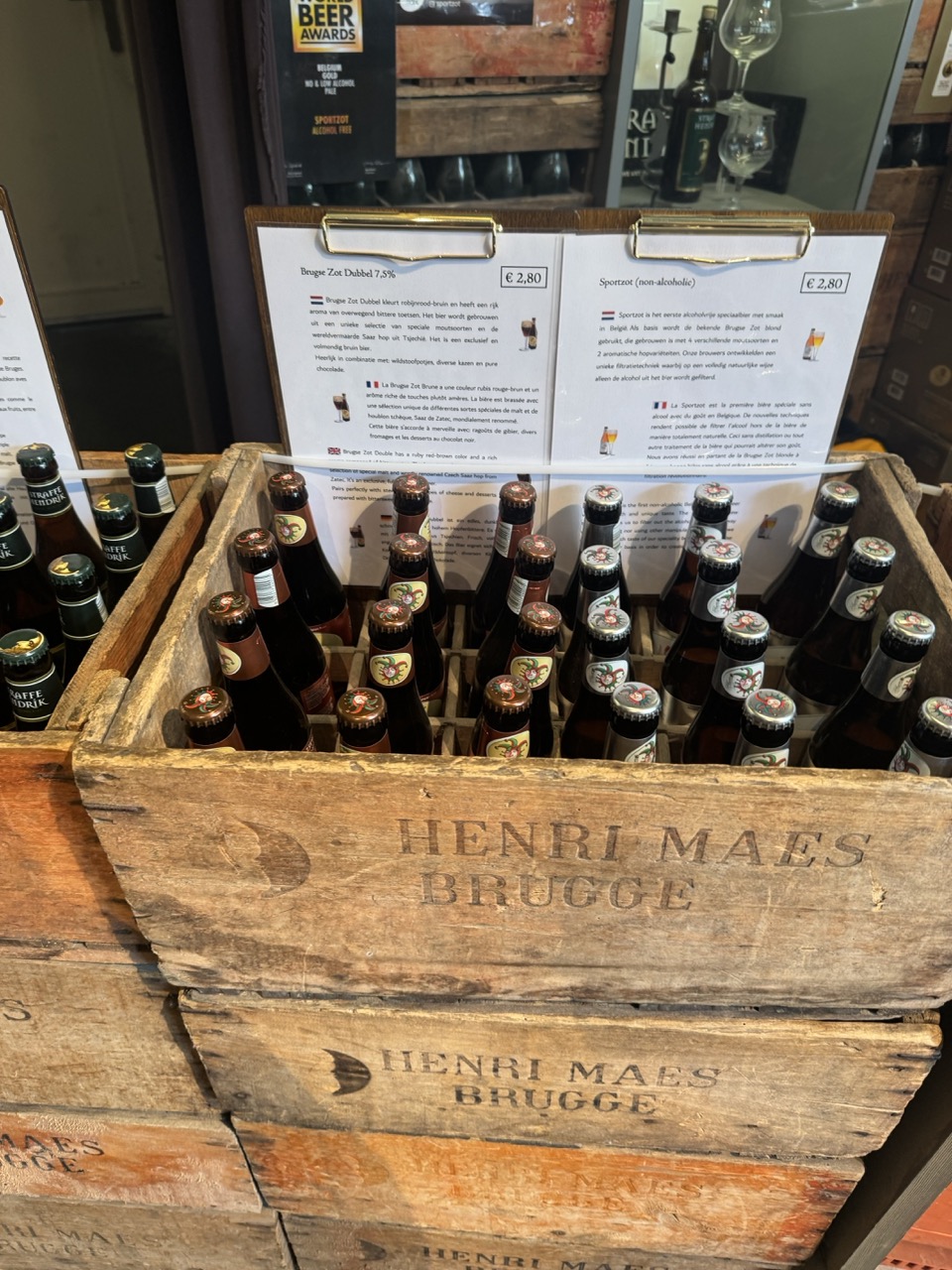
The beer itself was outstanding; an unfiltered Brugse Zot that you can only taste at the source, rich and slightly hazy with a character that no bottled version quite captures. If you are visiting Bruges and you only do one organised activity, make it this tour. Book the XL, go into the cellars, and take your time with the tasting. You will not regret it.
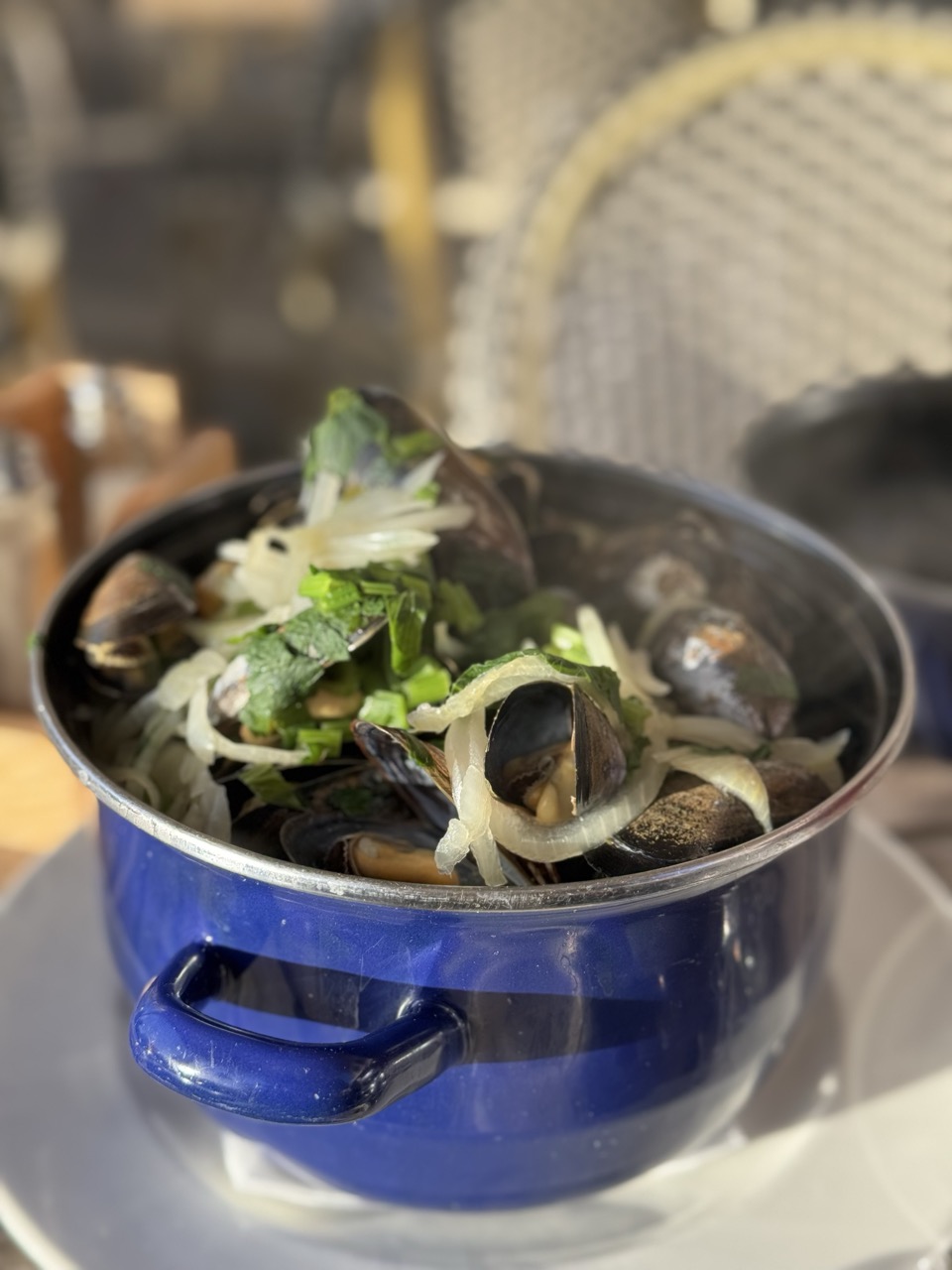
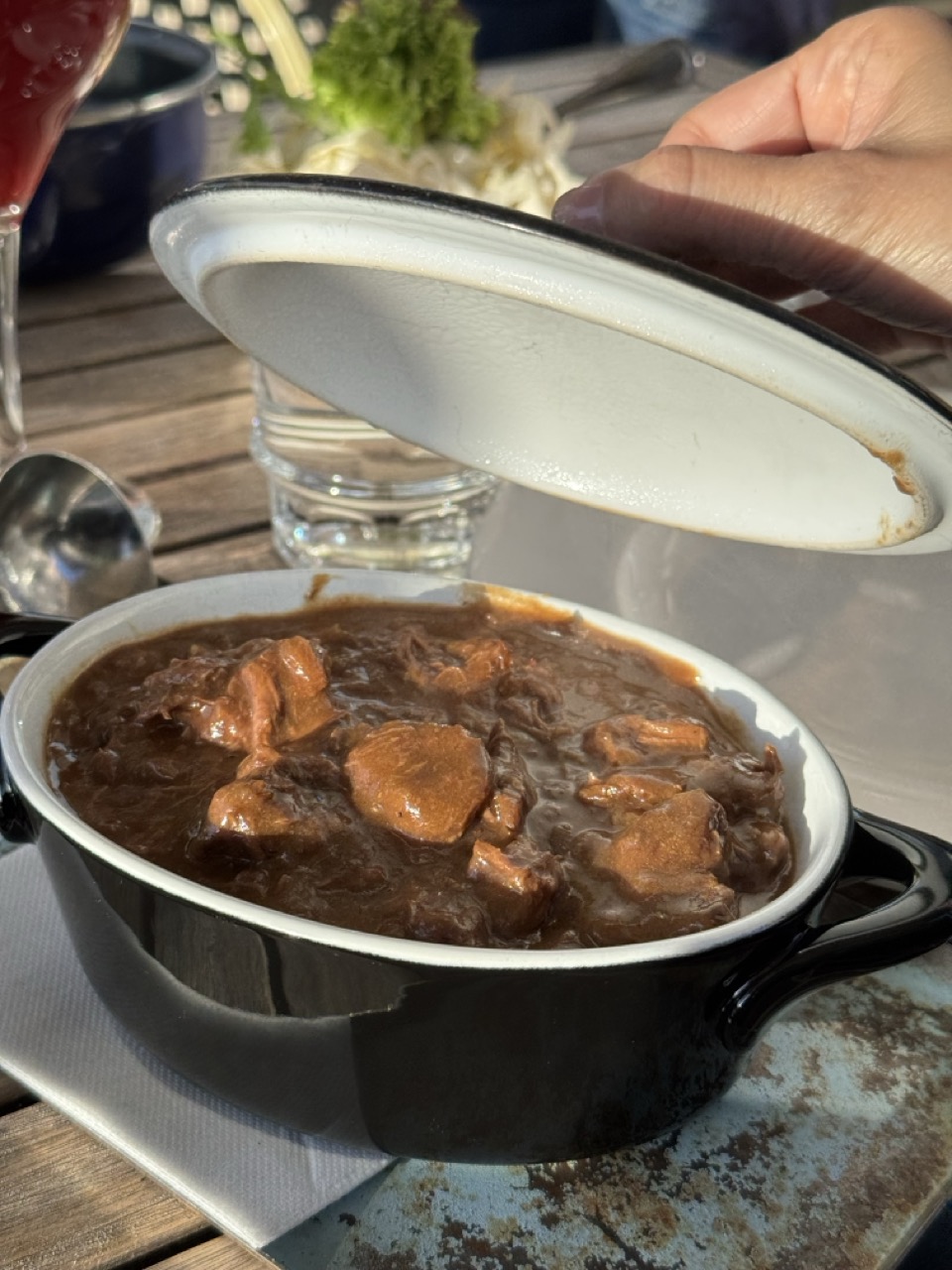
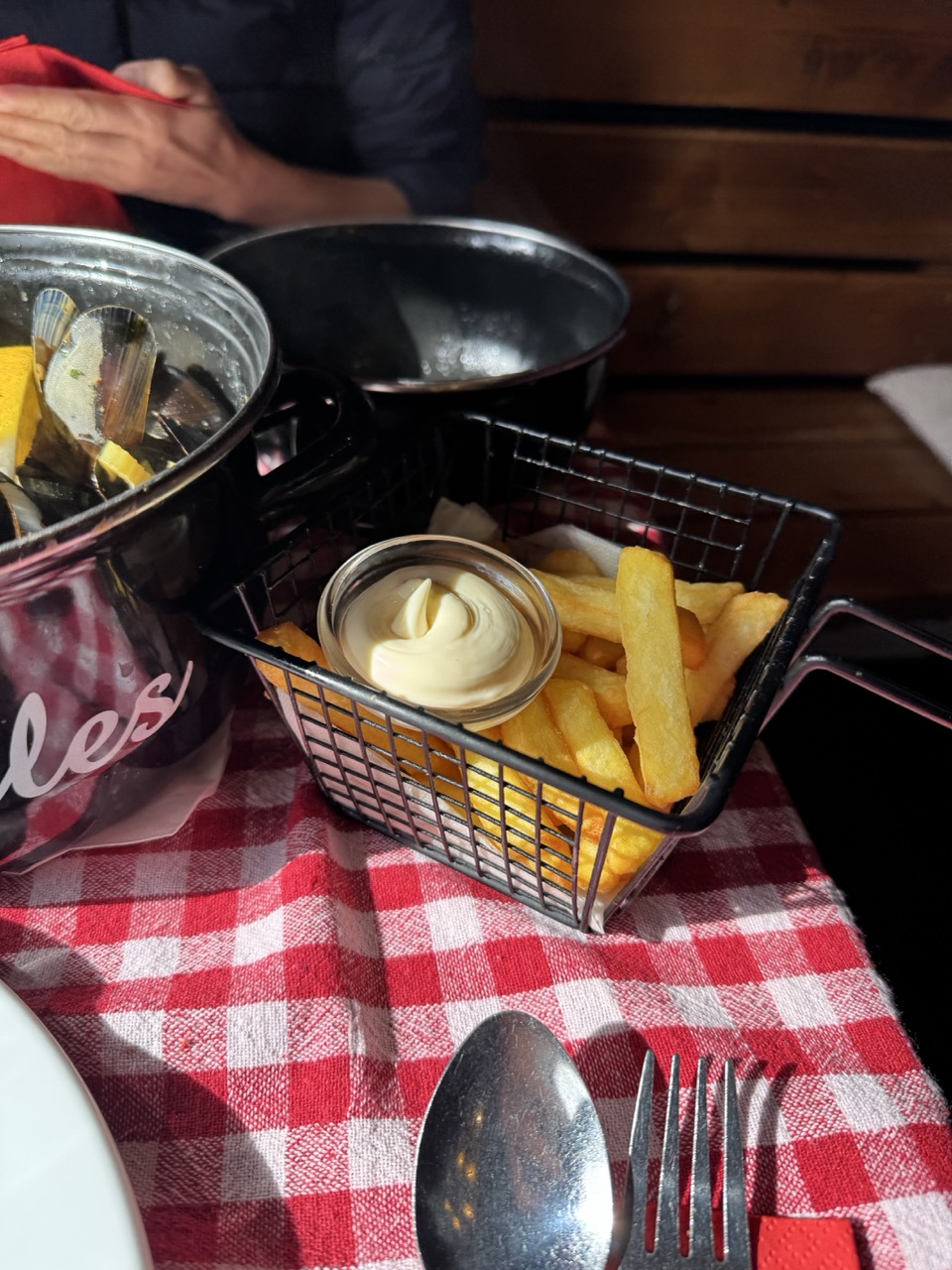
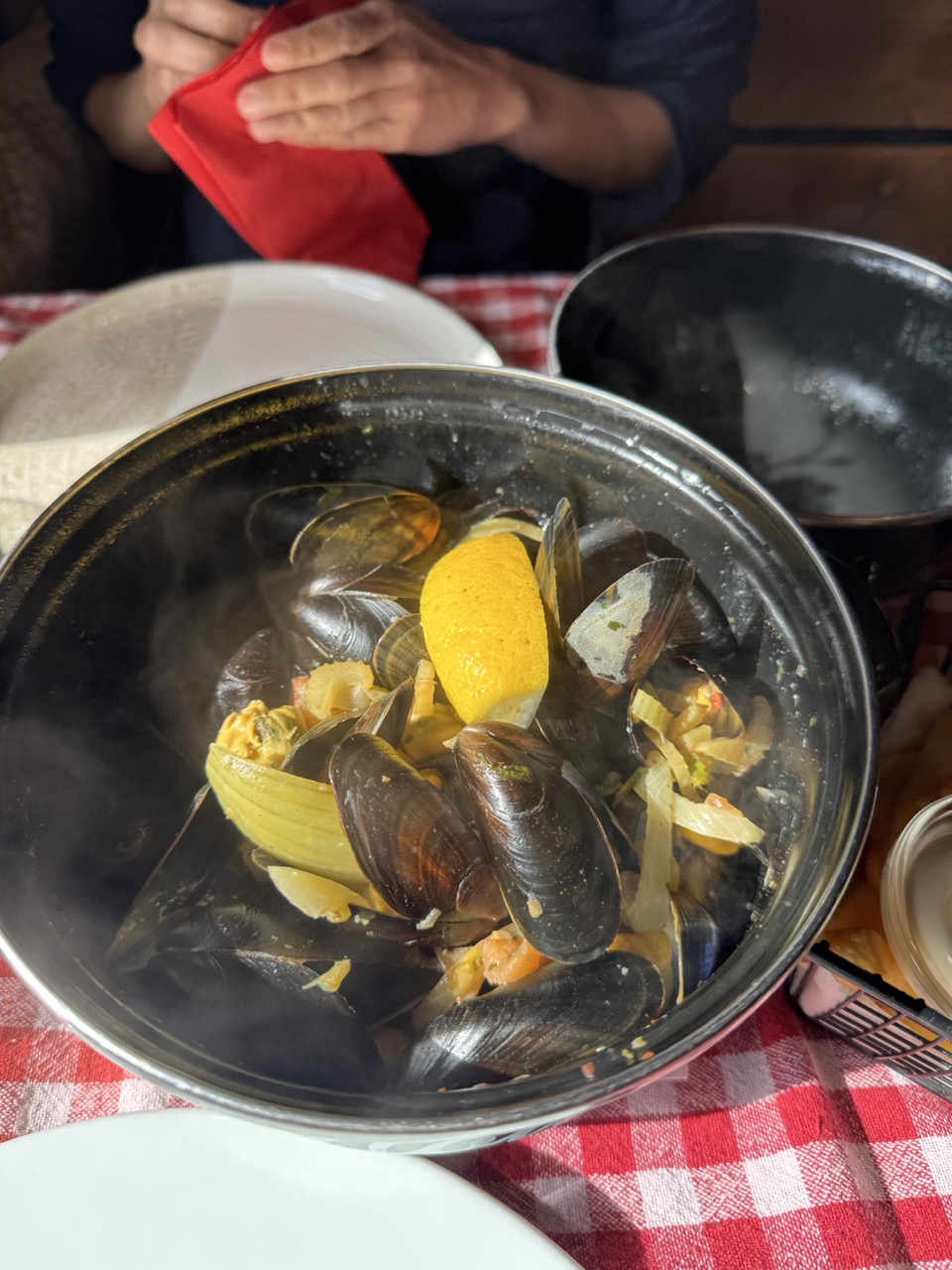
After the brewery, we went to the Belgian restaurant 'T walpoortje where we finally sat down for what had been on the wish list since day one: a proper pot of traditional Belgian mussels. Moules-frites is one of those dishes that sounds simple and yet, done well, is one of the most satisfying things you can eat. A vast, steaming pot of mussels cooked in white wine, garlic and cream, served with a mountain of fries so crisp they almost shatter when you bite them. We worked our way through the whole lot and ordered more bread to mop up the broth. It was, without question, the best meal of the trip.
The Journey Home: Dunkirk and the Ferry Crossing
The final leg of the journey took us west from Bruges towards Dunkirk, and there was something quietly fitting about ending the trip at a port town so charged with history before climbing onto the ferry home. The ferry from Dunkirk to Dover is one of the alternative options for returning to the UK, and while it takes longer than Le Shuttle, there is something genuinely relaxing about watching the French coastline recede as you stand on the deck with a coffee, the North Sea stretching out ahead. It was a calm, unhurried end to a trip that had been full of movement and discovery.
Final Thoughts: Why Europe Are Made for a Road Trip
Looking back, what made this trip work so well was the combination of variety and compactness. In the space of a single road trip, we moved between cities that each had their own distinct identity: the fairy-tale perfection of Bruges, the lived-in cool of Ghent, the sharp style of Antwerp, the exhilarating organised chaos of Amsterdam. We stood before some of the most extraordinary natural beauty in Europe at Keukenhof, felt the weight of history at Kinderdijk, and discovered engineering marvels pumping beer beneath our feet.
The drives were genuinely easy, the distances between stops short enough that you never feel like the journey itself is eating your day. The food, from mussels to waffles to the kind of Belgian beer that makes you quietly reconsider everything you thought you knew about the subject, was exceptional at every turn. And the people, in every city, were welcoming without being performative about it.