Preston Lau: A Journey Through Memories, Tech, and Humanity
Welcome to my personal blog that delves into the intricate tapestry of personal albums and the fascinating intersection of ever-evolving technology and humanity. Come along on a journey with me as we delve into the seamless fusion of creativity, state-of-the-art AI and robotics, intricately interwoven within the tapestry of our shared awareness. Have fun!
Kawagoe Festival 2026 When Little Edo Came Alive With Drums, Flutes and Lantern-Lit Giants
AI Summary
The UNESCO-listed Kawagoe Festival is an authentic, centuries-old tradition held annually on the third weekend of October. Originating in 1648, the event features towering, intricately carved wooden floats manned by local neighborhood crews and Edo-style musicians who parade past landmark warehouse streets and the iconic Toki no Kane bell tower. The highlight comes after dark when lighted floats face off in energetic music battles known as hikkawase, combining lively drums, flutes, and masked dancers with vibrant street food stalls to create an unmissable, atmosphere-rich day trip.
Every year on the third Saturday and Sunday of October, this small merchant town in Saitama Prefecture turns its old streets over to towering wooden floats, and this year that meant October 17 and 18. We went on the Saturday, the first day, and I would happily go back to do it all again. Kawagoe is about half an hour from central Tokyo, which makes it one of the easiest big festivals to reach.
If you have never heard of the Kawagoe Festival, here is the short version. It is a UNESCO-listed float festival, with a thousand-year-old way of doing things still running in real streets, with real neighborhoods pulling real floats. Nothing about it feels staged for visitors, and that is exactly the appeal.
A Festival That Began in 1648
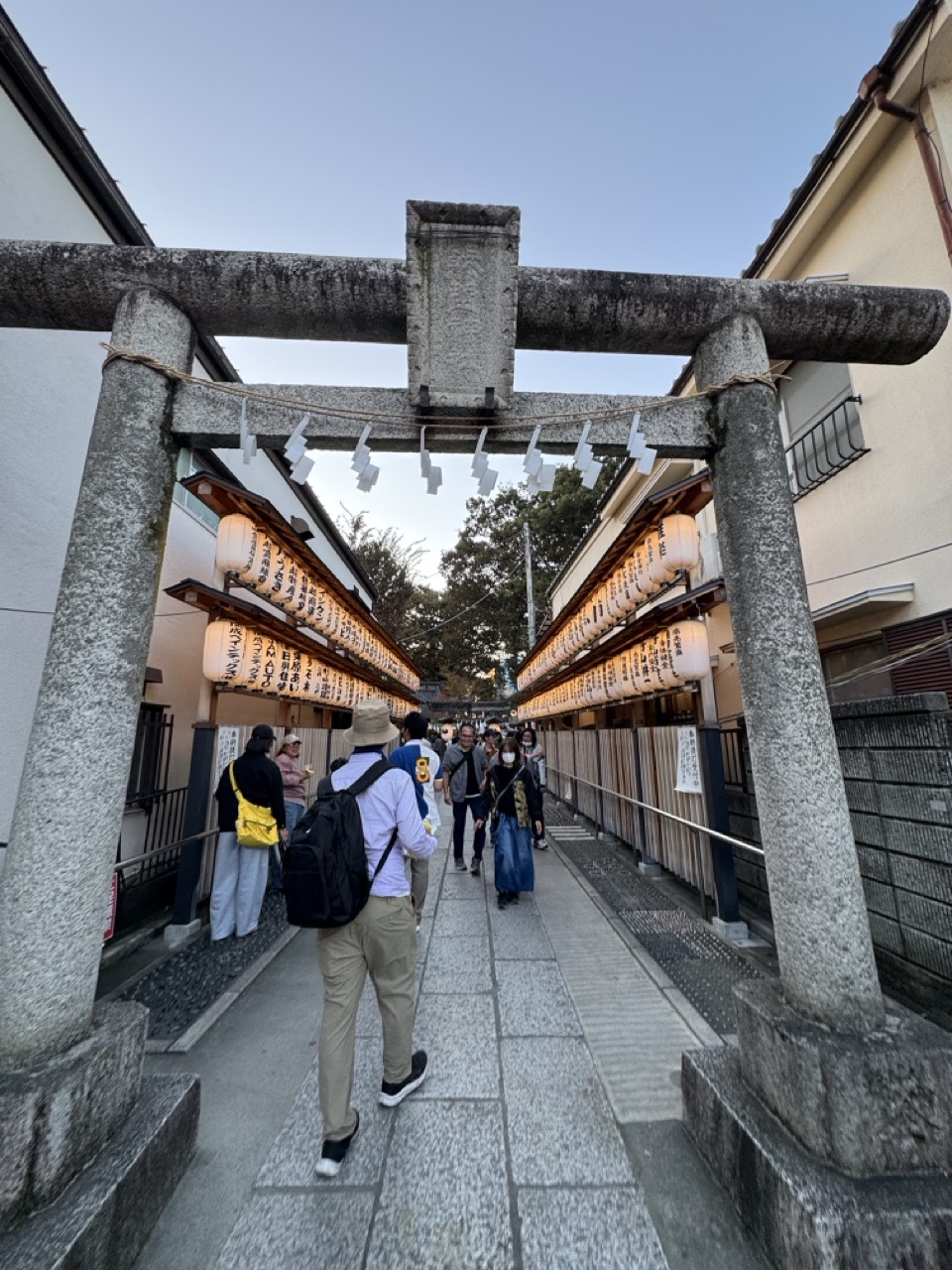
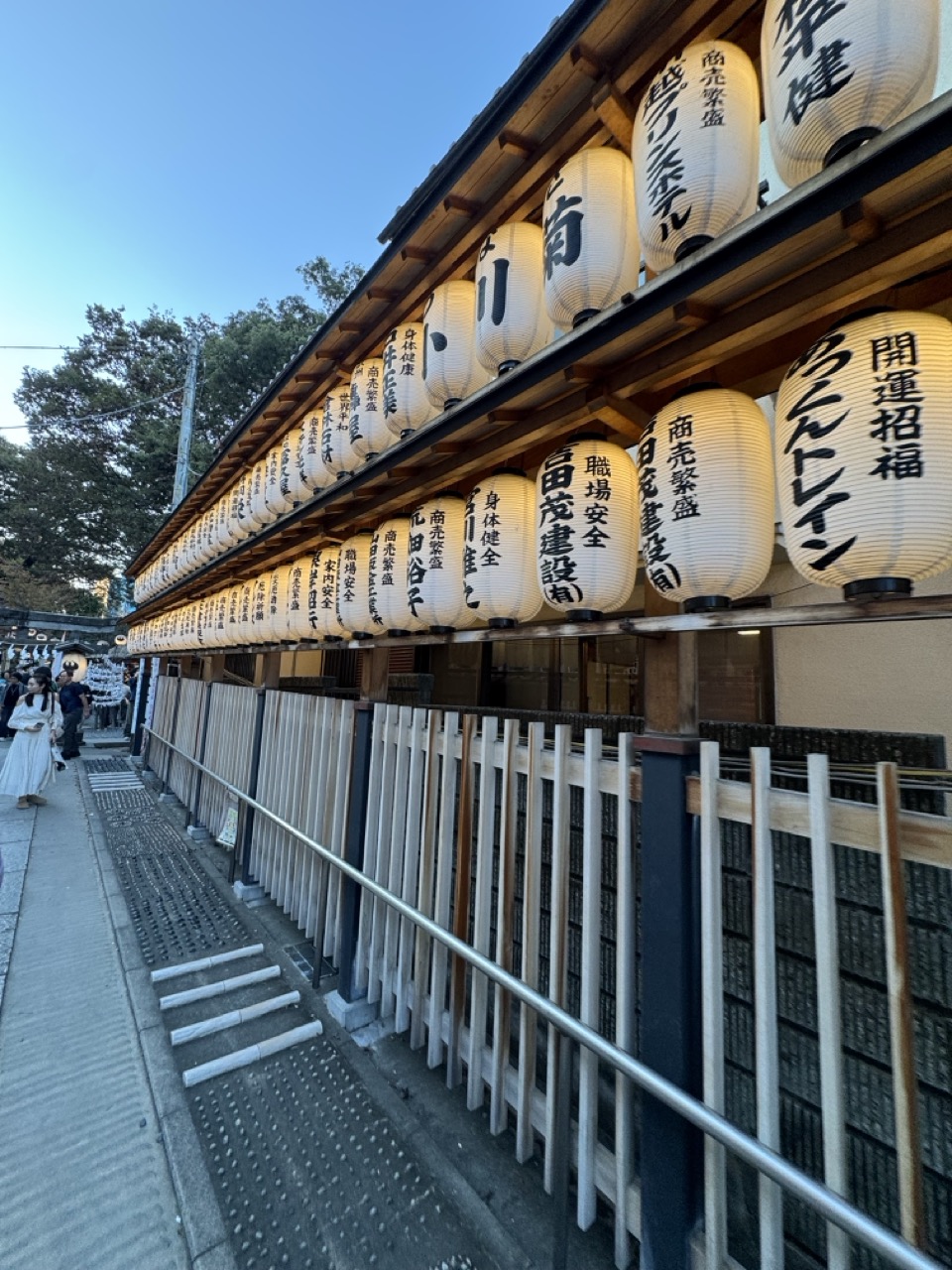
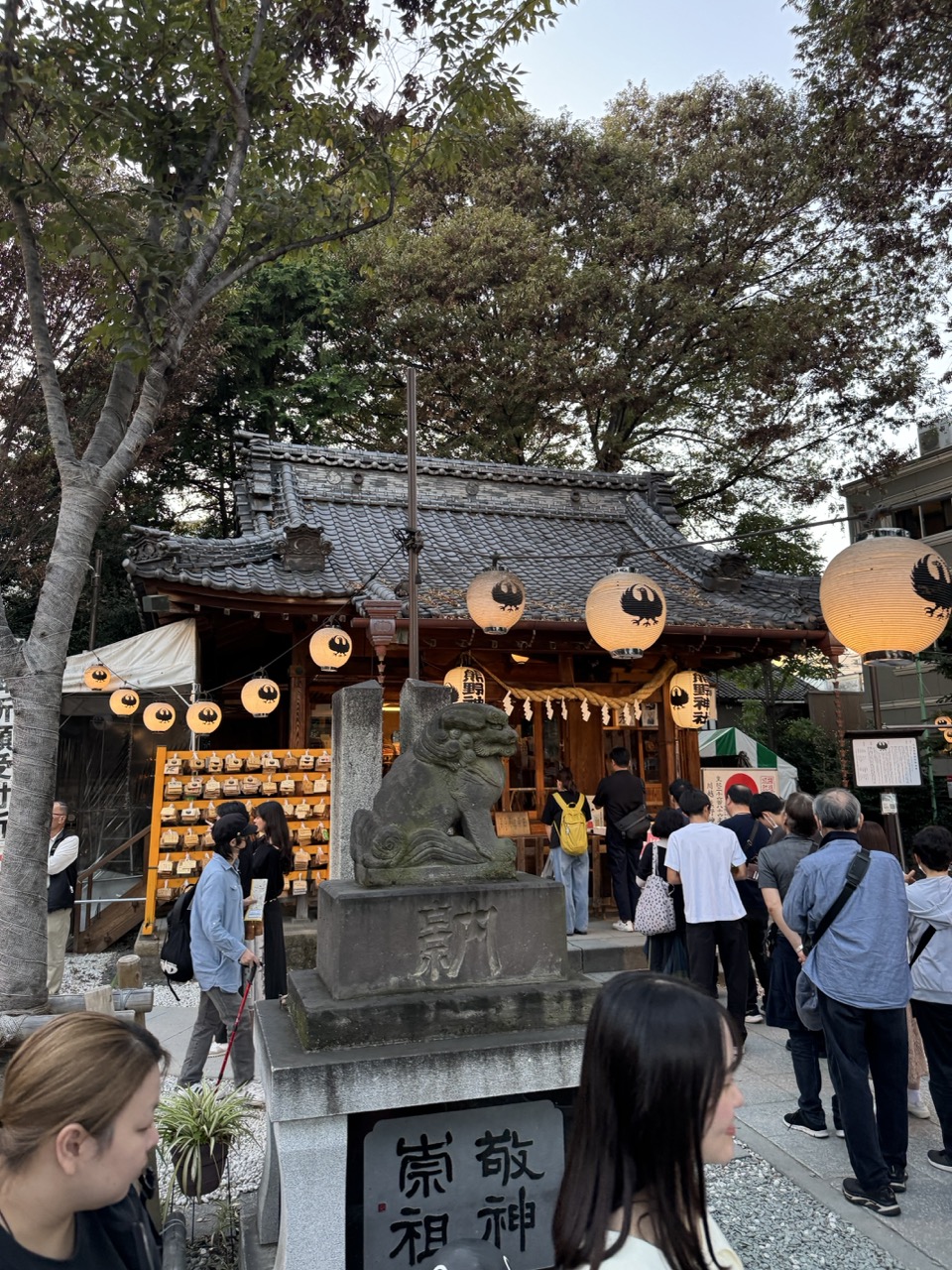
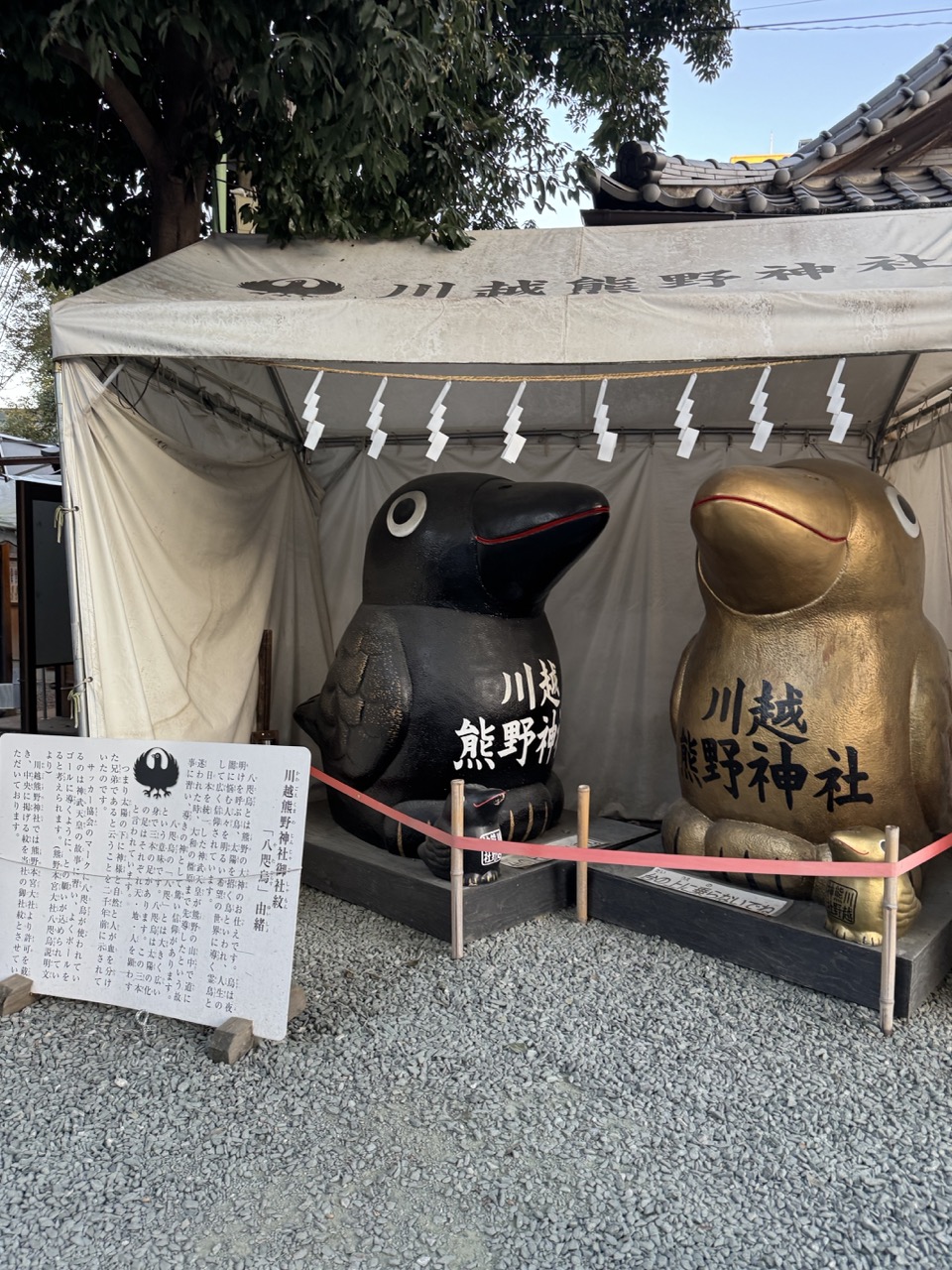
The story starts at Hikawa Shrine, a Shinto shrine said to be around 1,500 years old. In 1648 the lord of Kawagoe Castle, Matsudaira Nobutsuna, donated a portable shrine, a lion mask and drums to the shrine, and a procession was under way by the early 1650s. Over the next two centuries the neighborhoods of the town began building their own floats, called dashi, and the festival took the shape we see now.
The floats owe a lot to Edo, the city we now call Tokyo. In the Edo period the shogunate sponsored huge festivals, known as Tenka Matsuri, and Kawagoe borrowed their style, including the floats and the Edo-style music. Most of Tokyo’s floats were lost after the Edo period ended, which is why people say you can still see in Kawagoe what Edo once looked like. The festival has been a nationally designated Important Intangible Folk Cultural Property since 2005, and in 2016 it joined the UNESCO list of Japan’s float festivals.
Little Edo and Its Warehouses
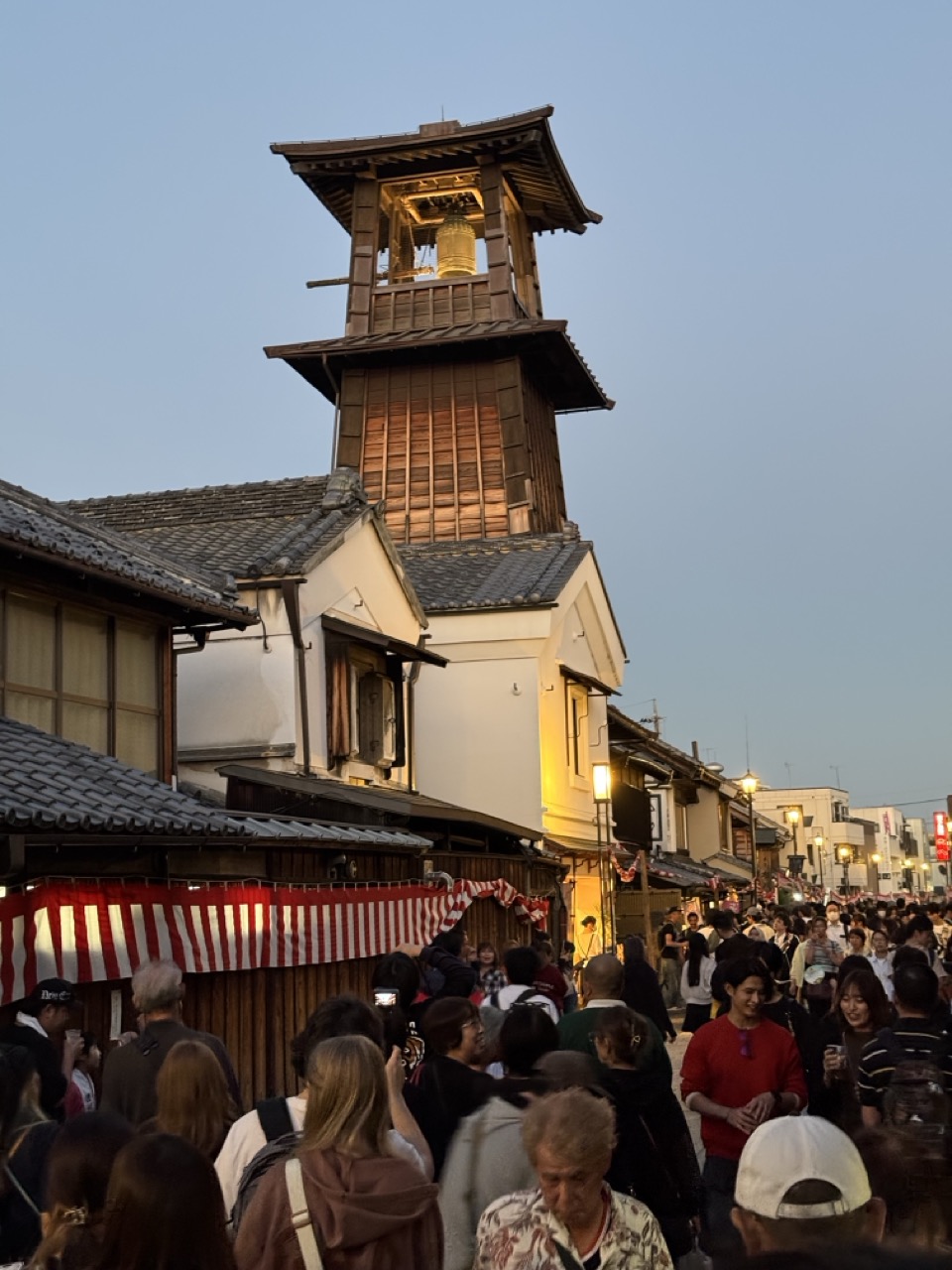
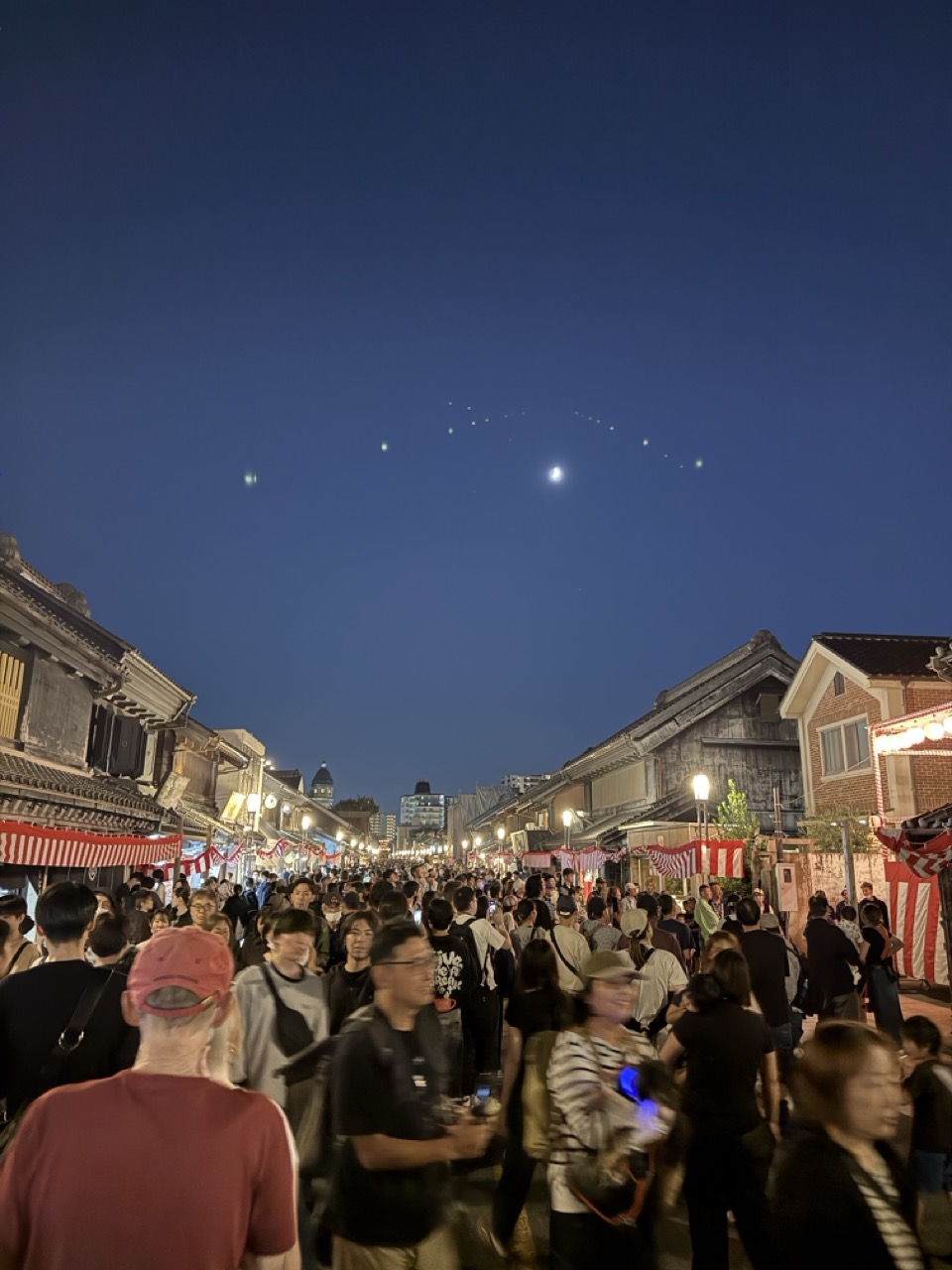
Before the floats arrived in force, we wandered the kurazukuri district, the heart of what the locals call Koedo, or Little Edo. Kurazukuri means warehouse style. These are black-tiled, thick-walled merchant buildings, built to survive fires, and more than 200 of them survive along the main street and its side lanes. Many are shops now, and they sit under a sky with remarkably few utility poles and wires, which is a big part of why the town photographs so well.
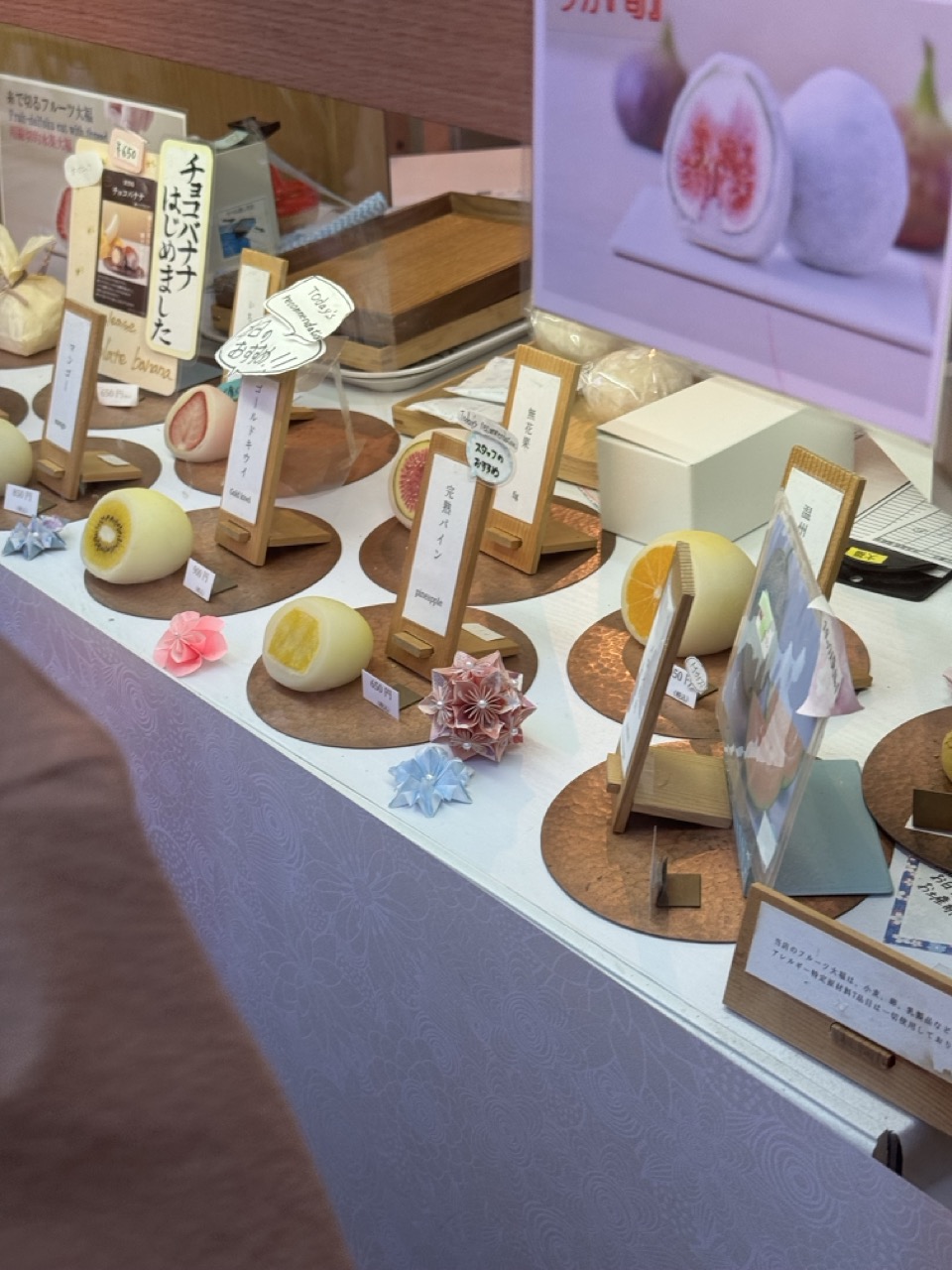
The landmark you cannot miss is the Toki no Kane, the wooden Bell of Time. It has marked the hours over the tiled roofs since the early Edo period, and it still rings today. Nearby is Candy Alley, a lane of old-fashioned sweet shops, and the town is famous for sweet potato treats of every kind. If you have time, the Kawagoe Festival Museum on the warehouse street keeps two real floats on permanent display and shows the music, which is a lovely way to understand what you are about to watch outside.
Meeting the Floats in Daylight
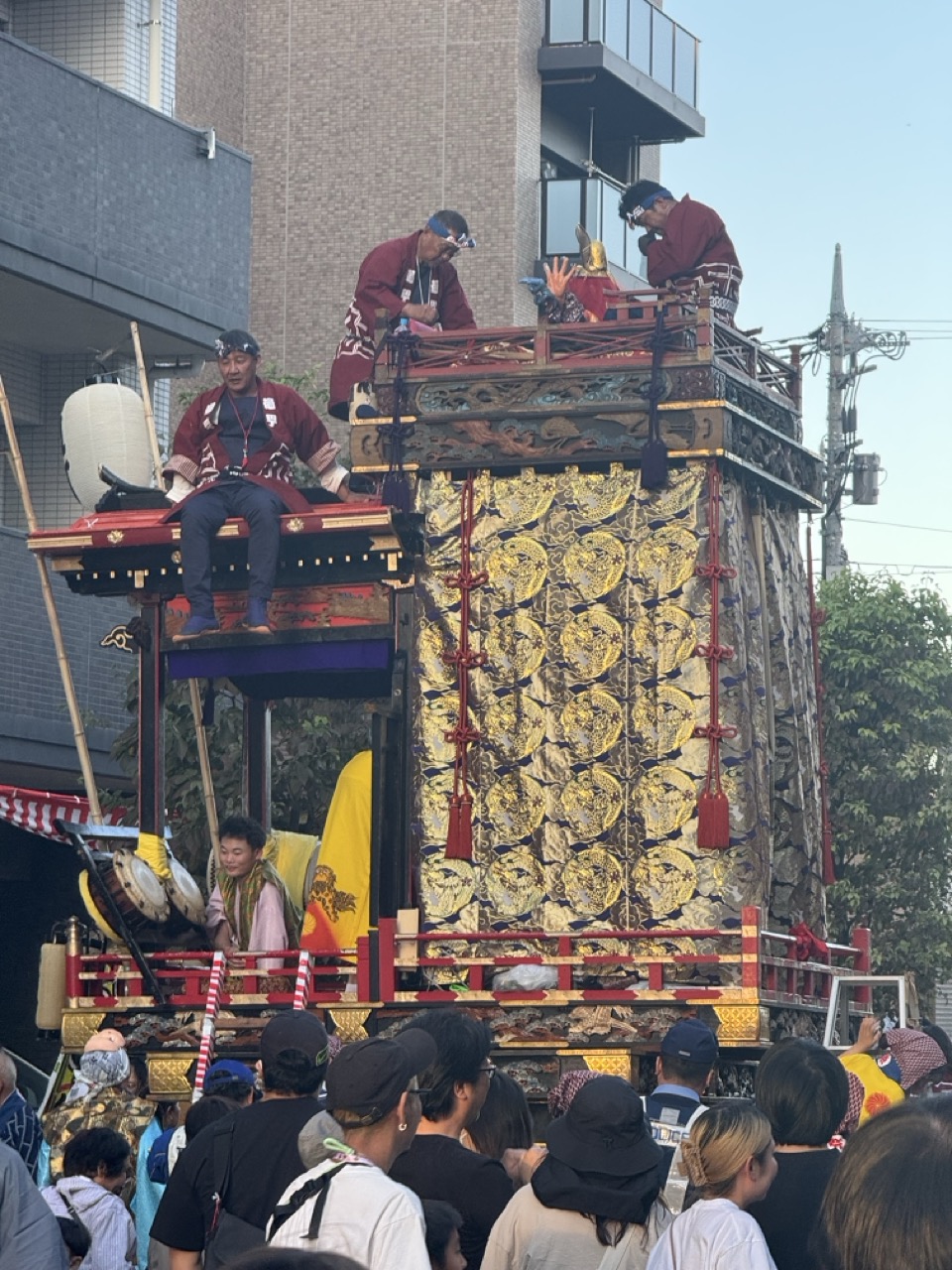
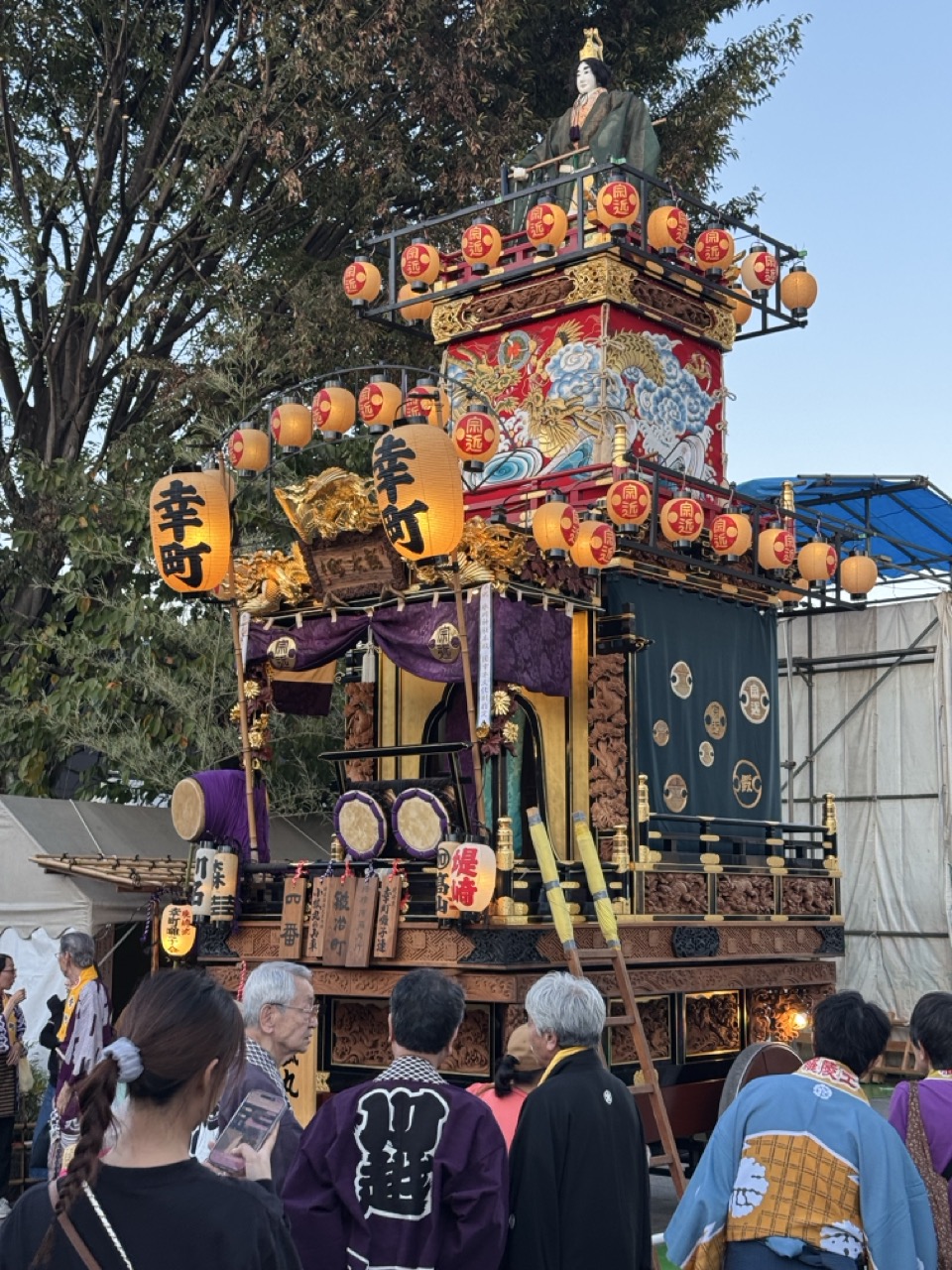
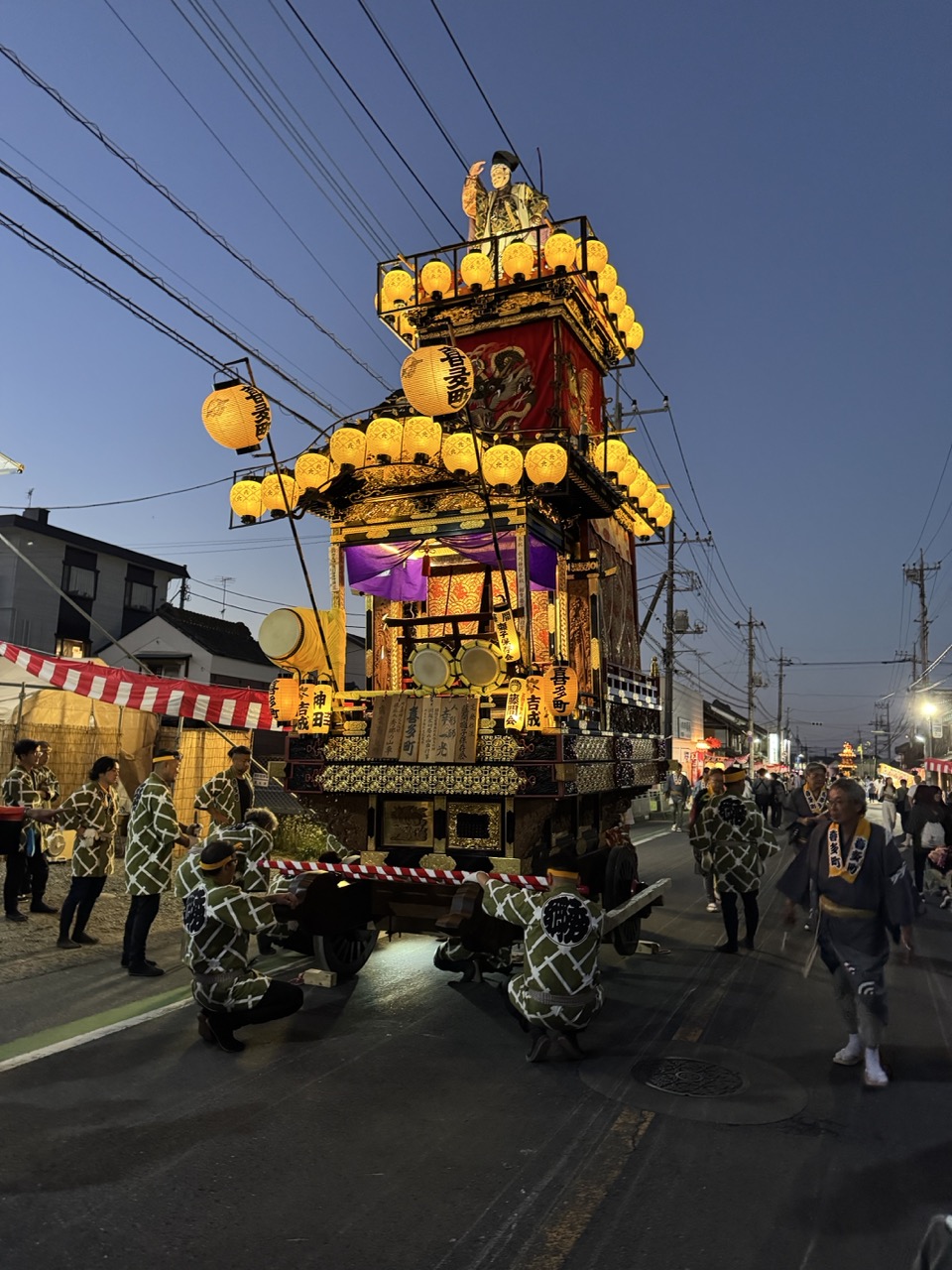
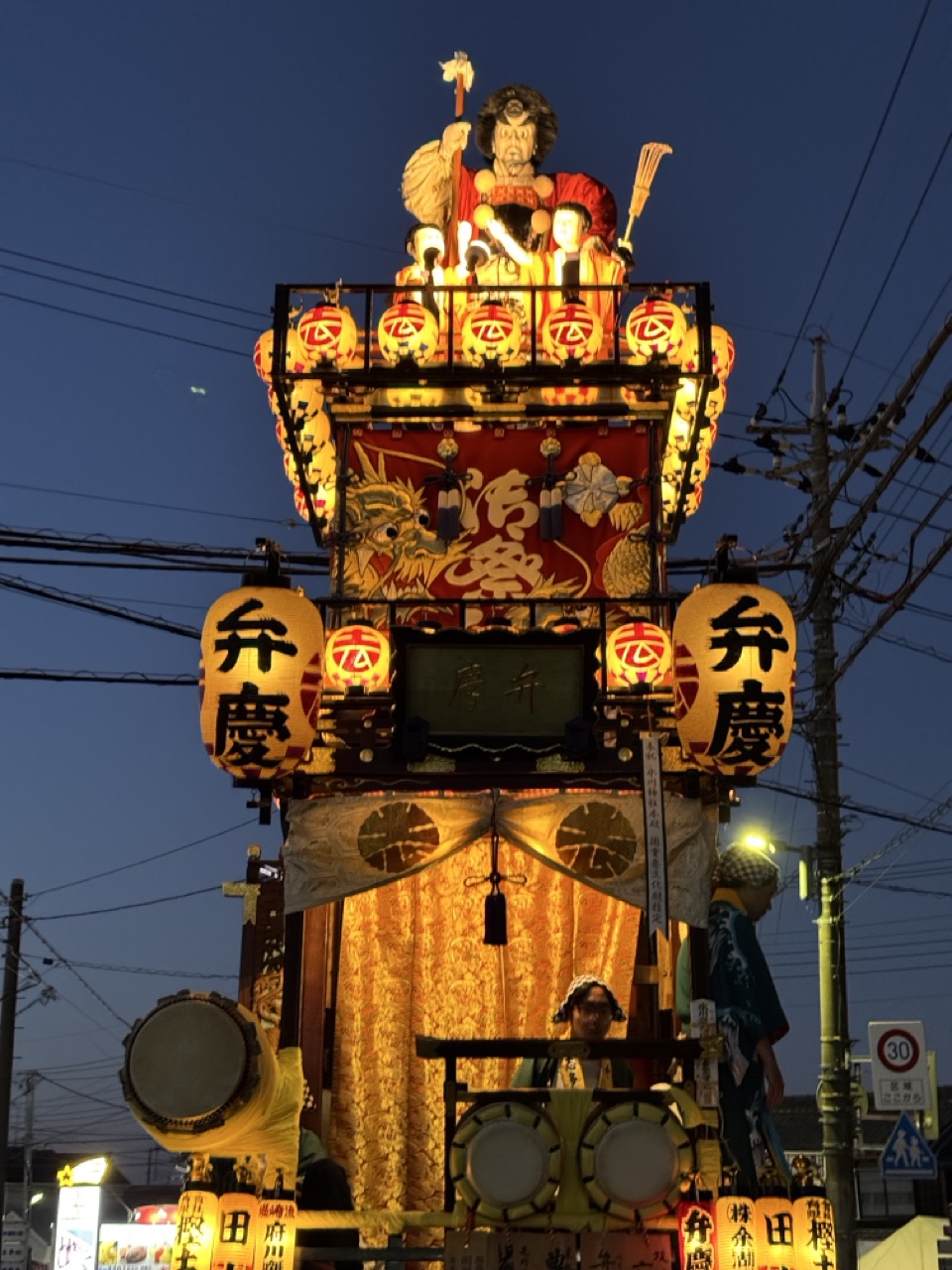
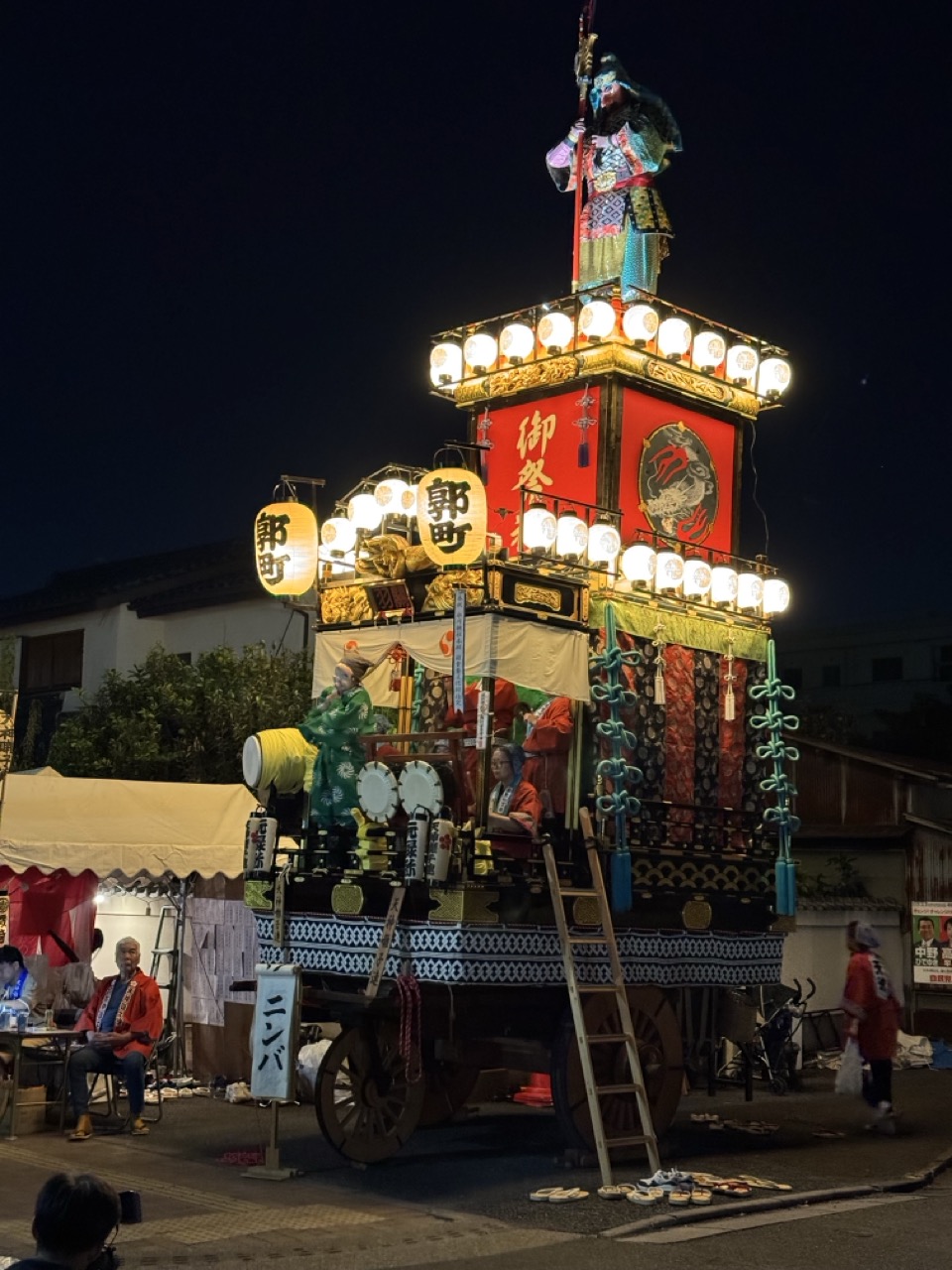
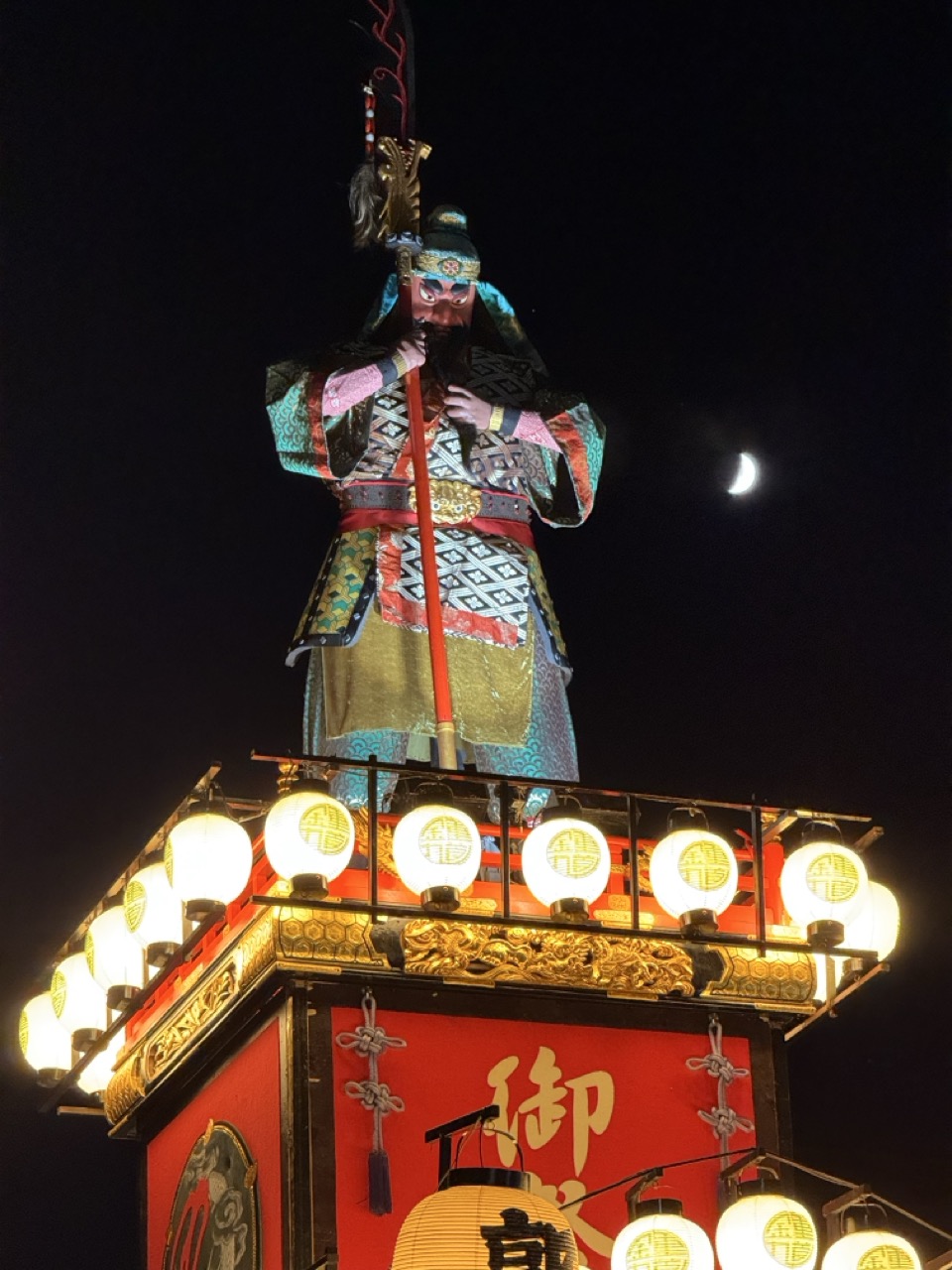
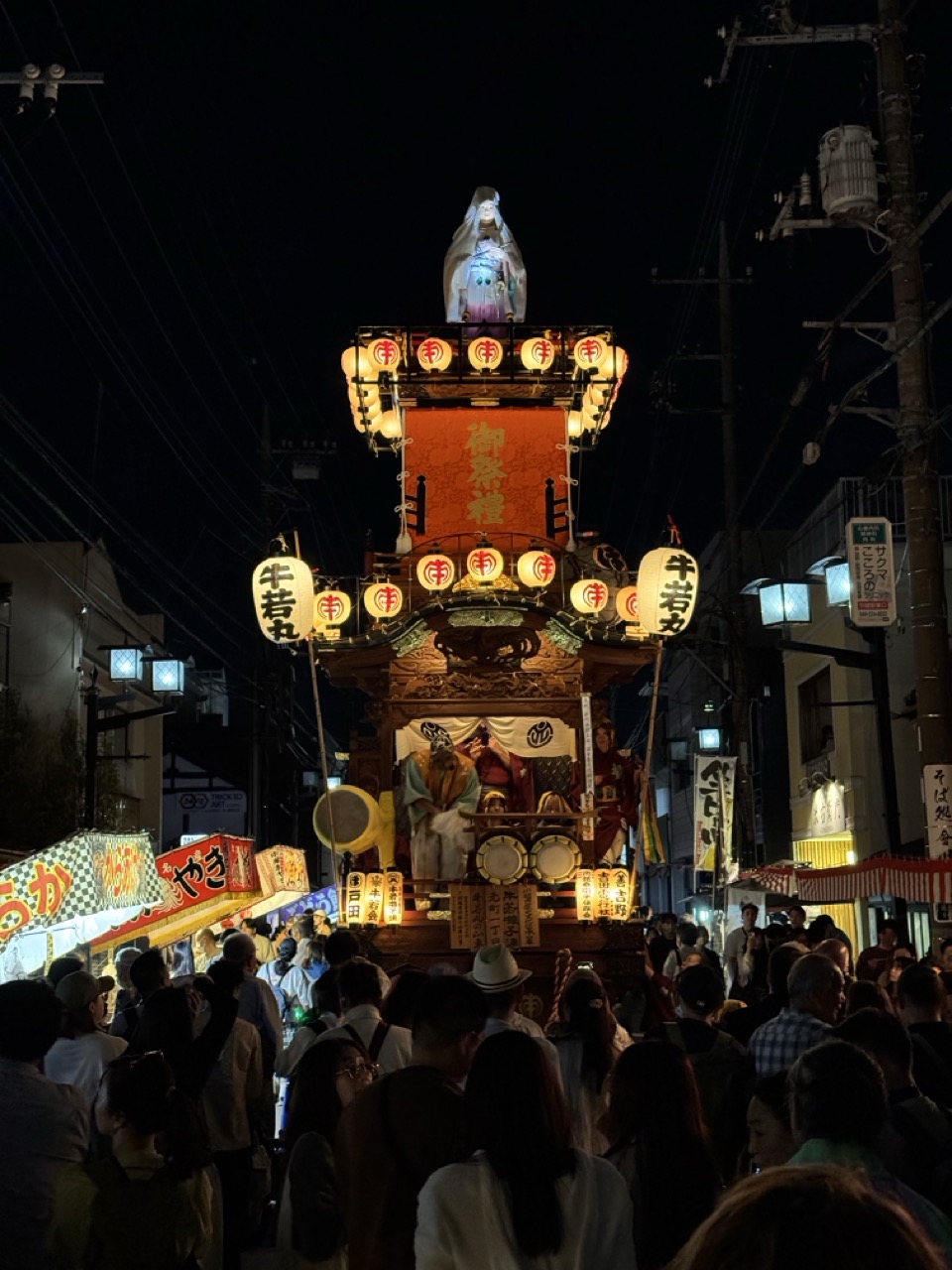
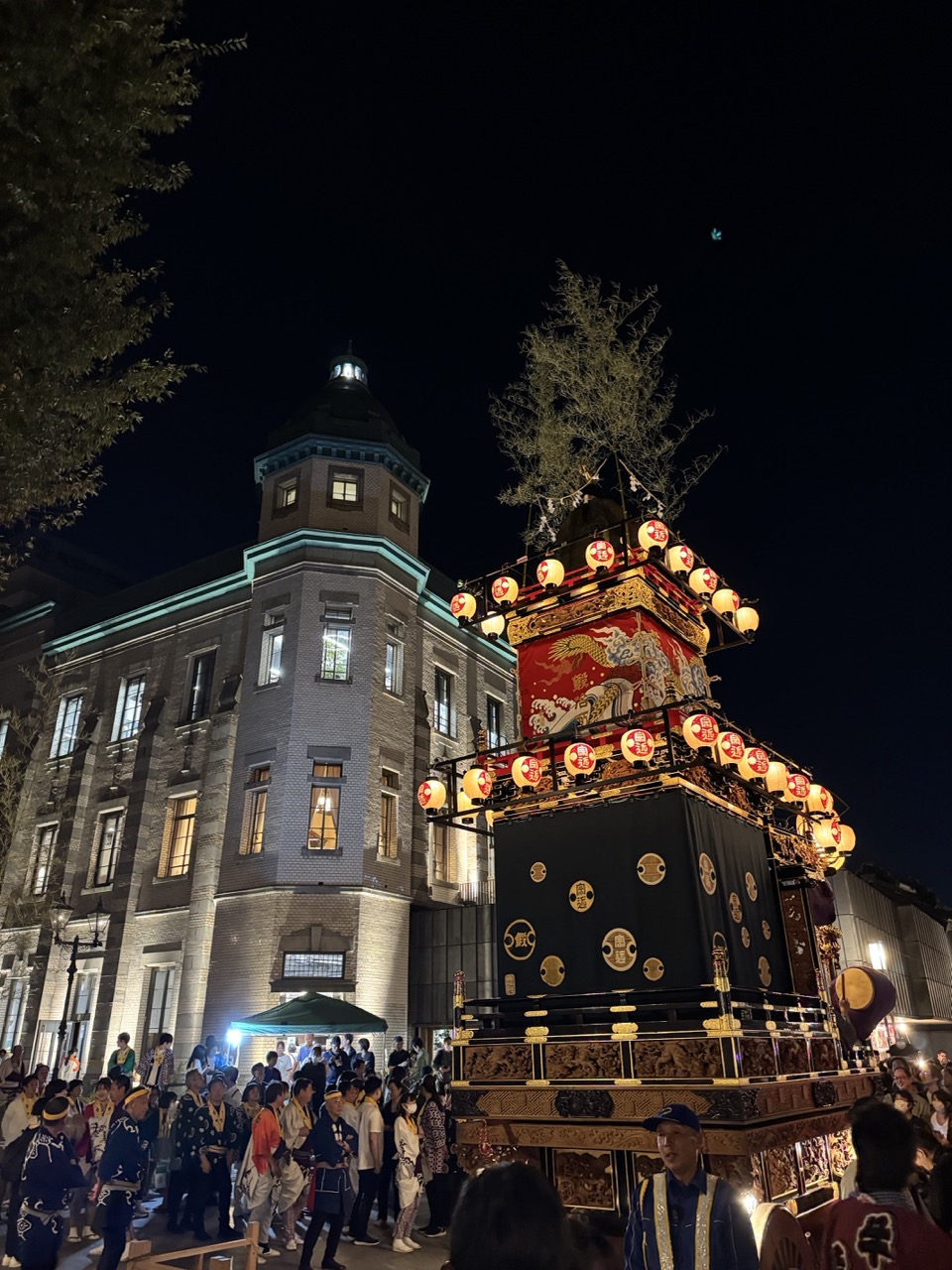
In the daytime, the floats are all about detail. They are two-story constructions with a doll on top, often a historical or legendary figure, and they stand up to nine meters tall and weigh up to 3.4 tons. Many were built in the Edo period. The two-level design developed over the 19th century, and the floats can be adjusted in height, a feature that goes back to the days when they had to pass through old castle gates.
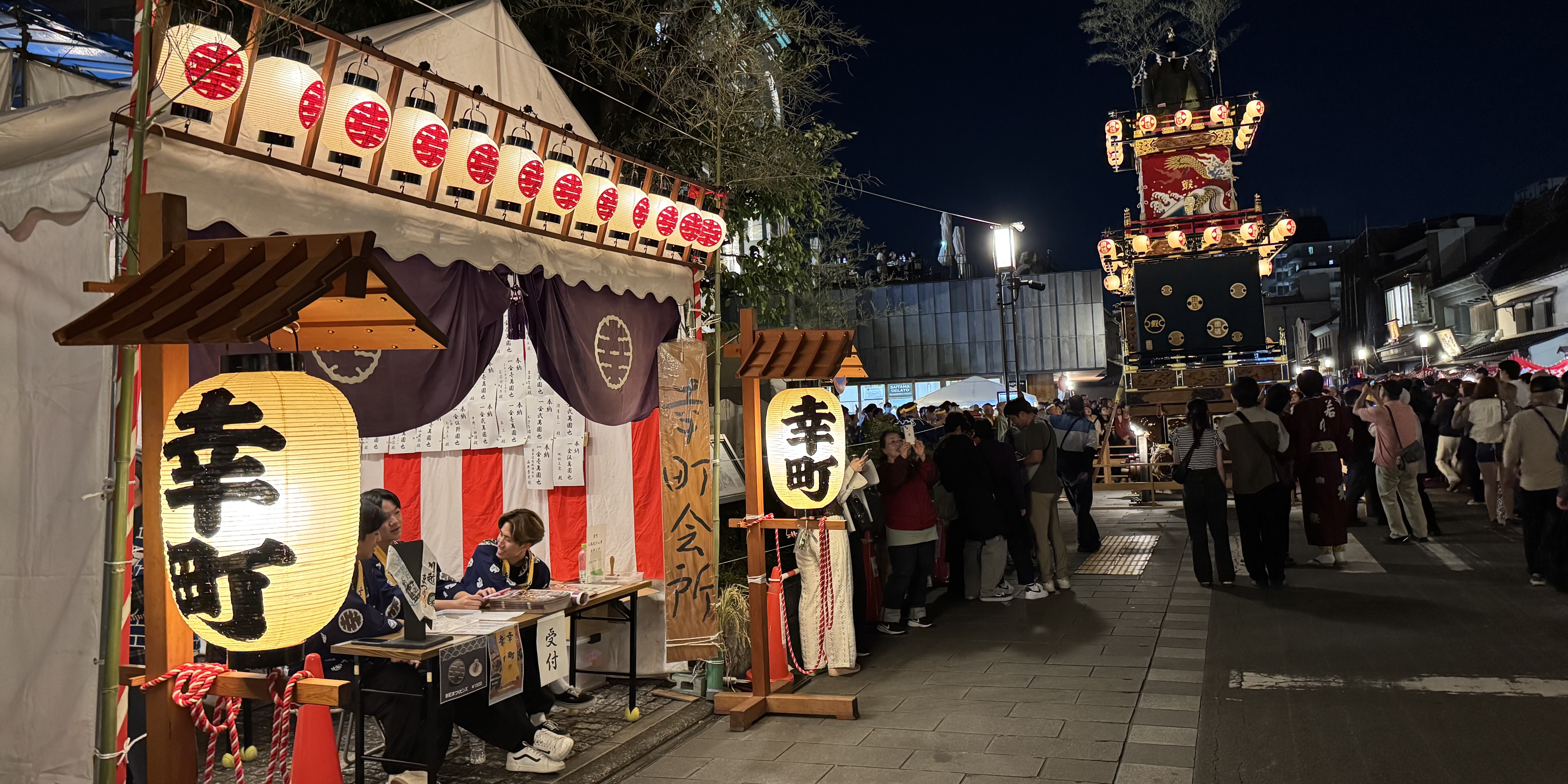
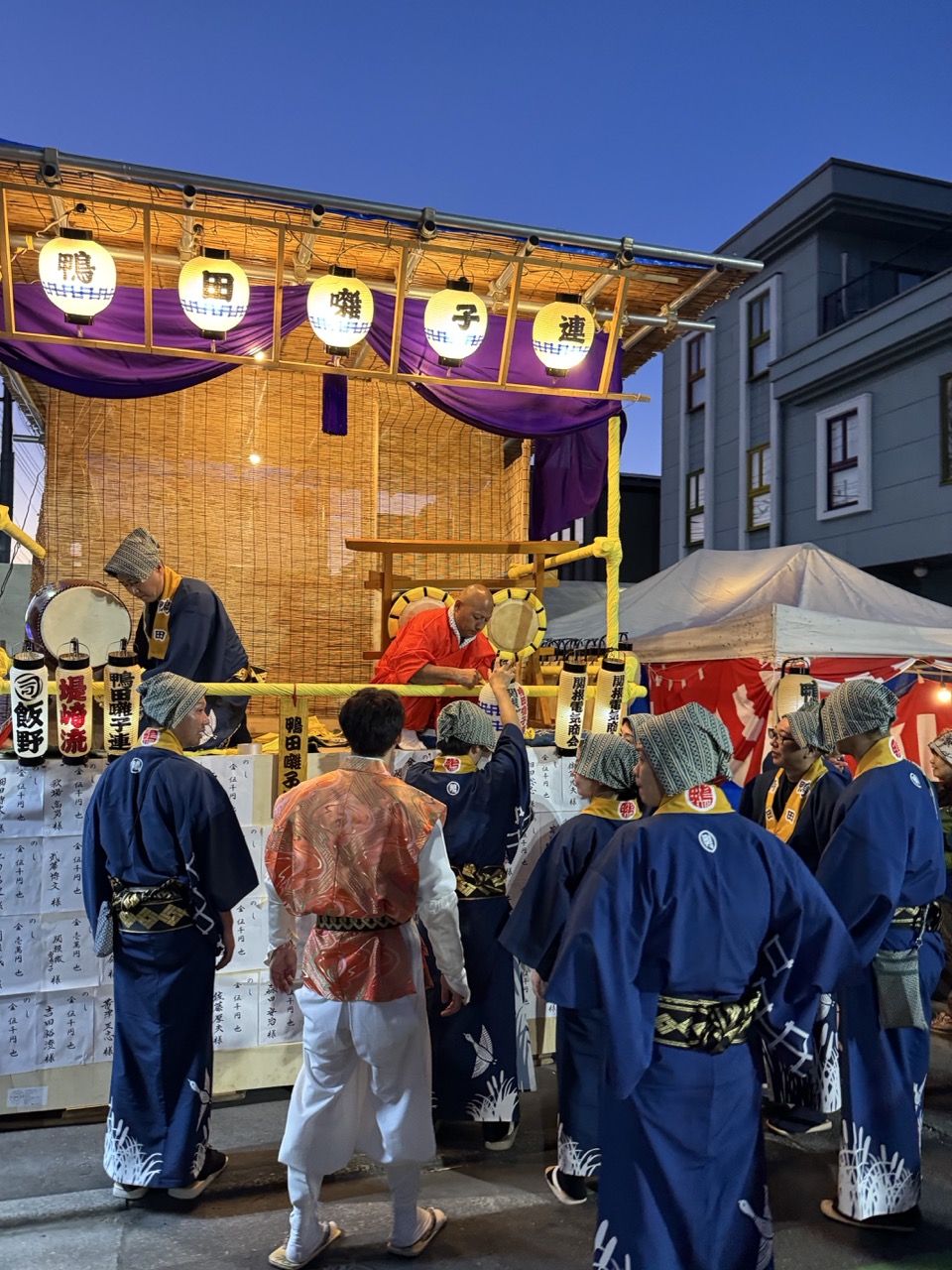
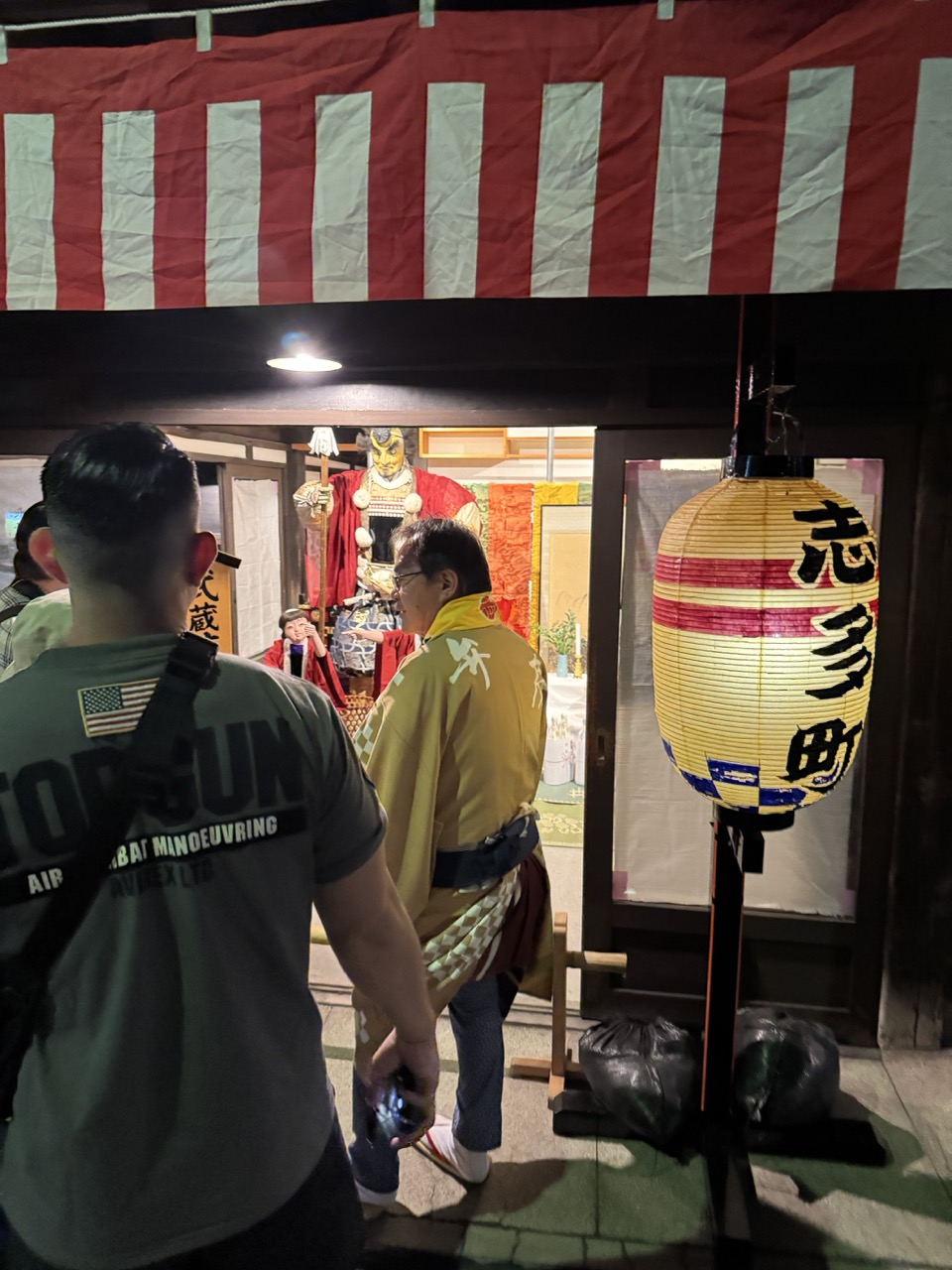
Around 20 of the town’s 29 floats typically take part each day, and the festival association lists 26 as the 2026 lineup. Floats gather for viewing in front of City Hall in the afternoon, and this is the best window to get close. You can look at the carvings, the lacquer, the lanterns folded away, and the embroidered curtains, and the people who crew each float will often be sitting right beside it, a reminder that this is first of all a neighborhood tradition.
When the Sun Goes Down
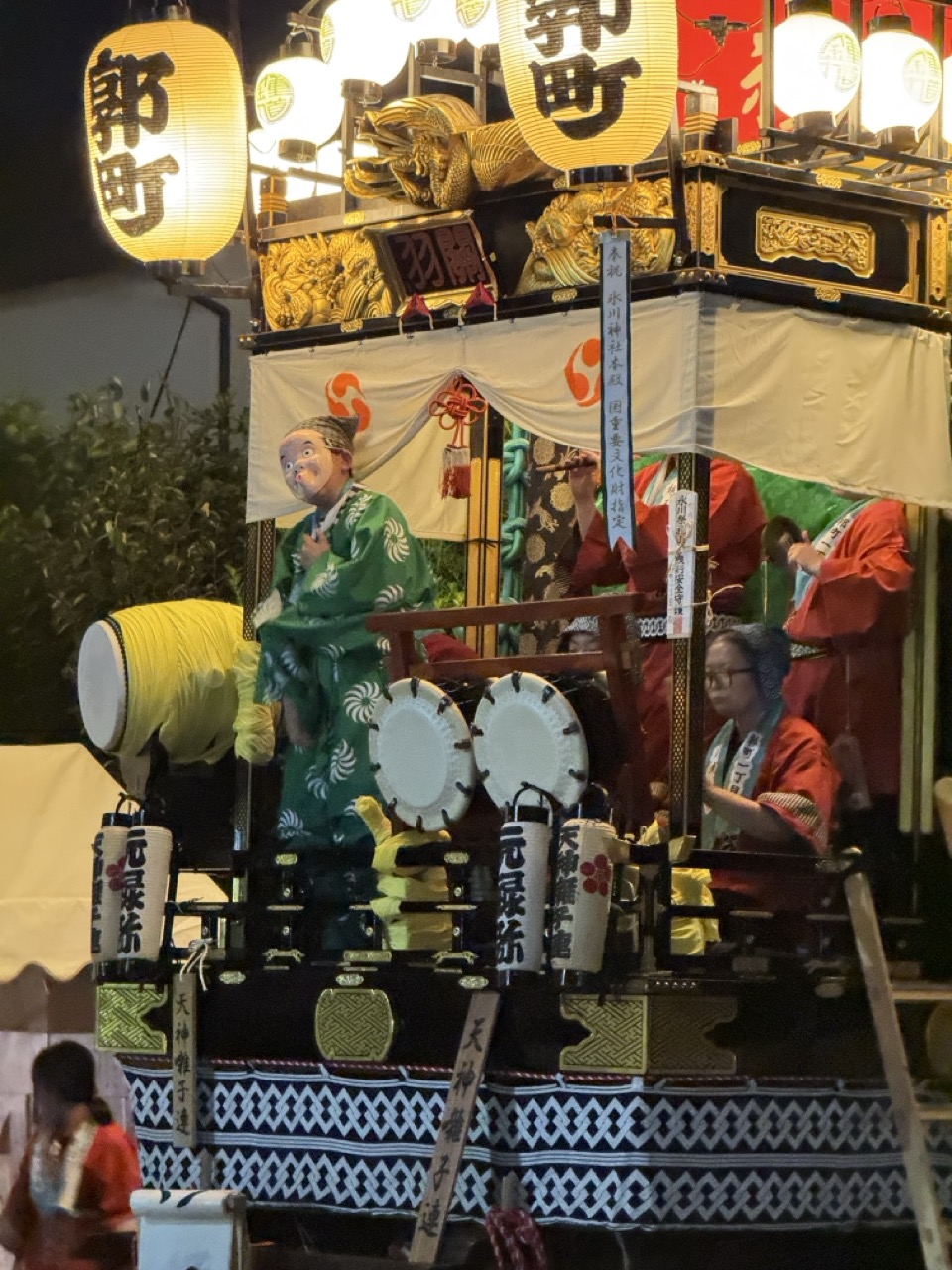
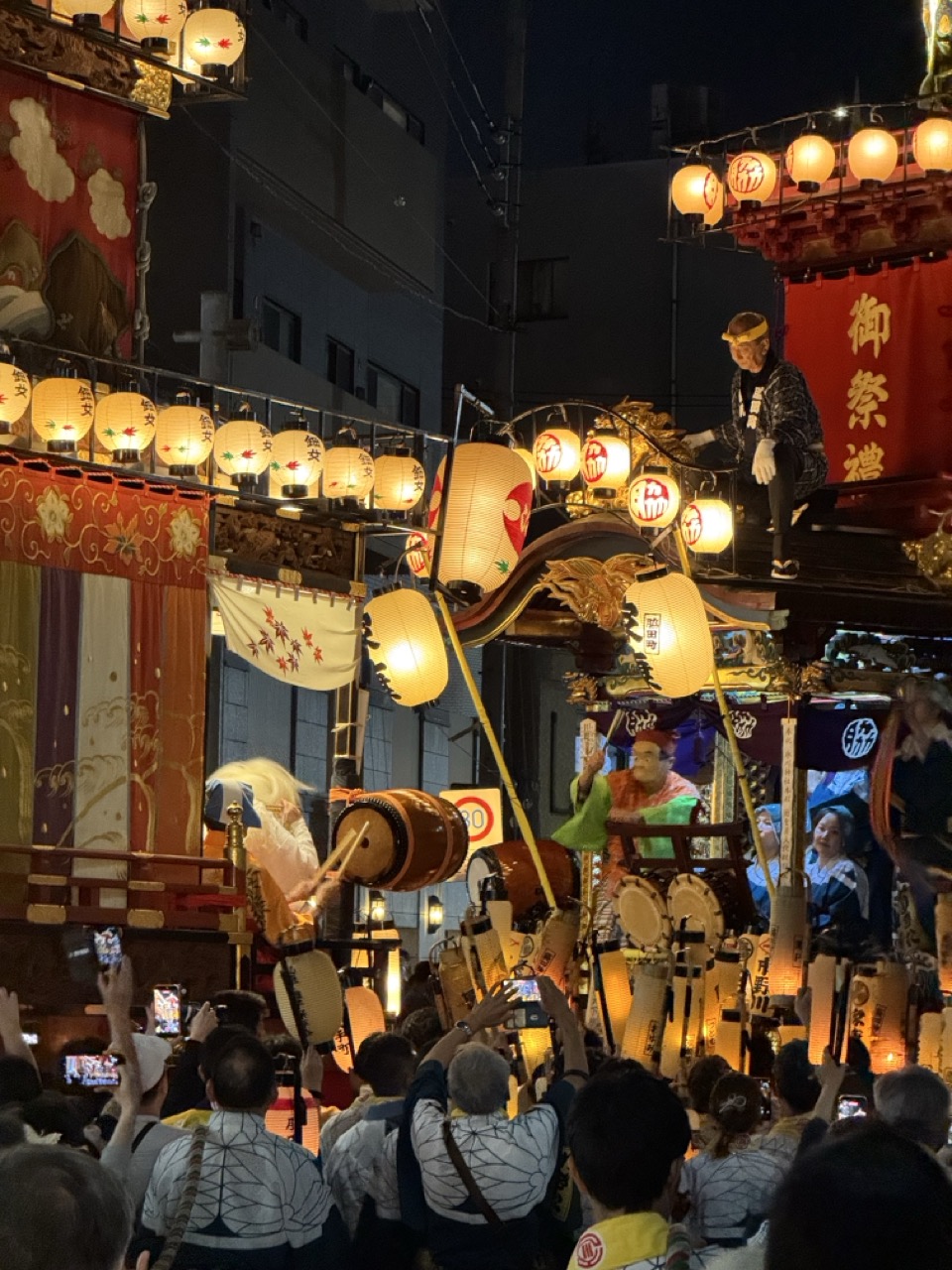
Sunset in mid-October comes around five in the afternoon, and this is when the festival changes gear. Lanterns on the floats light up, the town goes amber, and the sound begins. Drums, flutes and bells carry down the streets long before you see a float, and the best advice we received was simply to follow the sound.
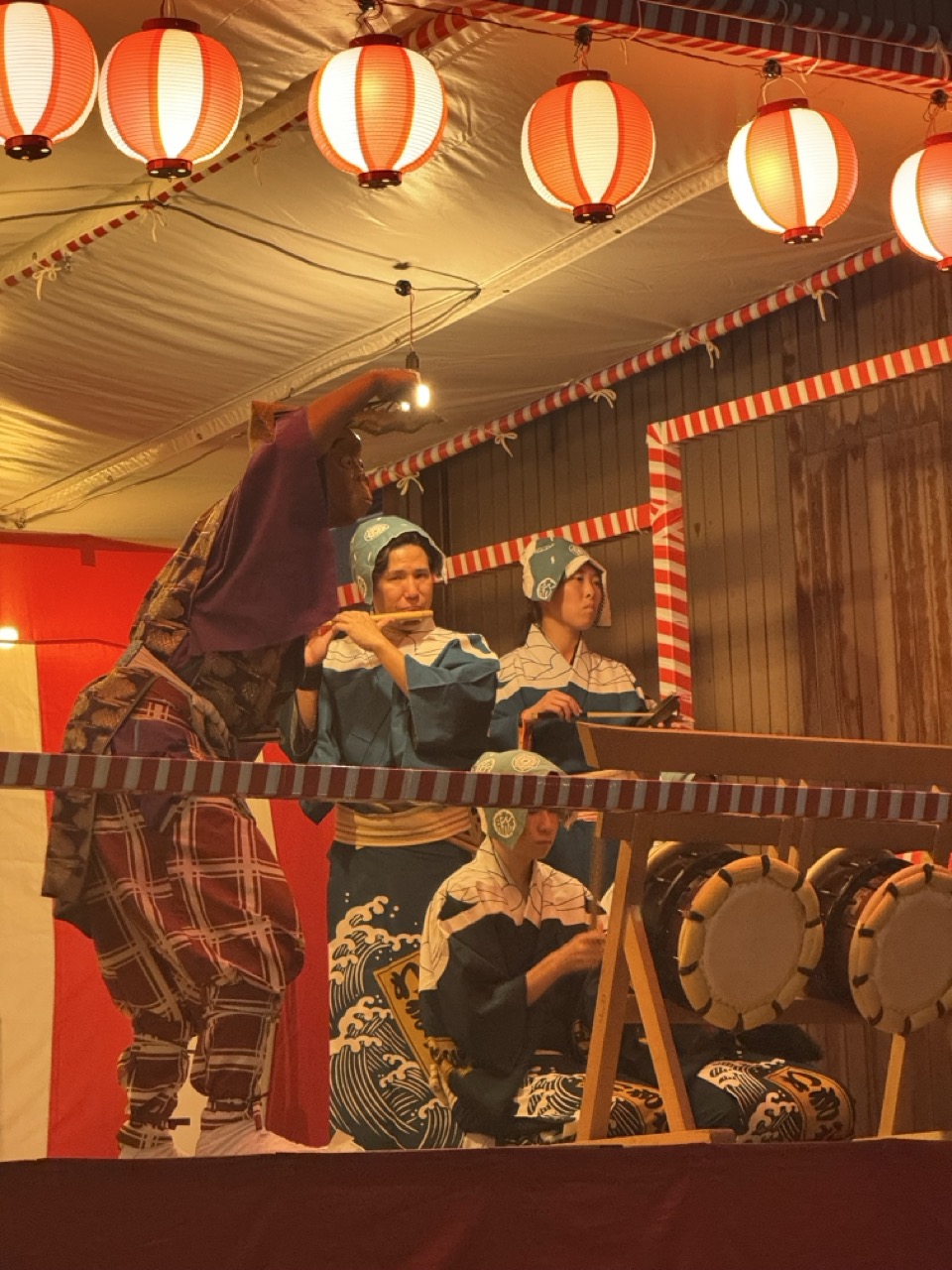
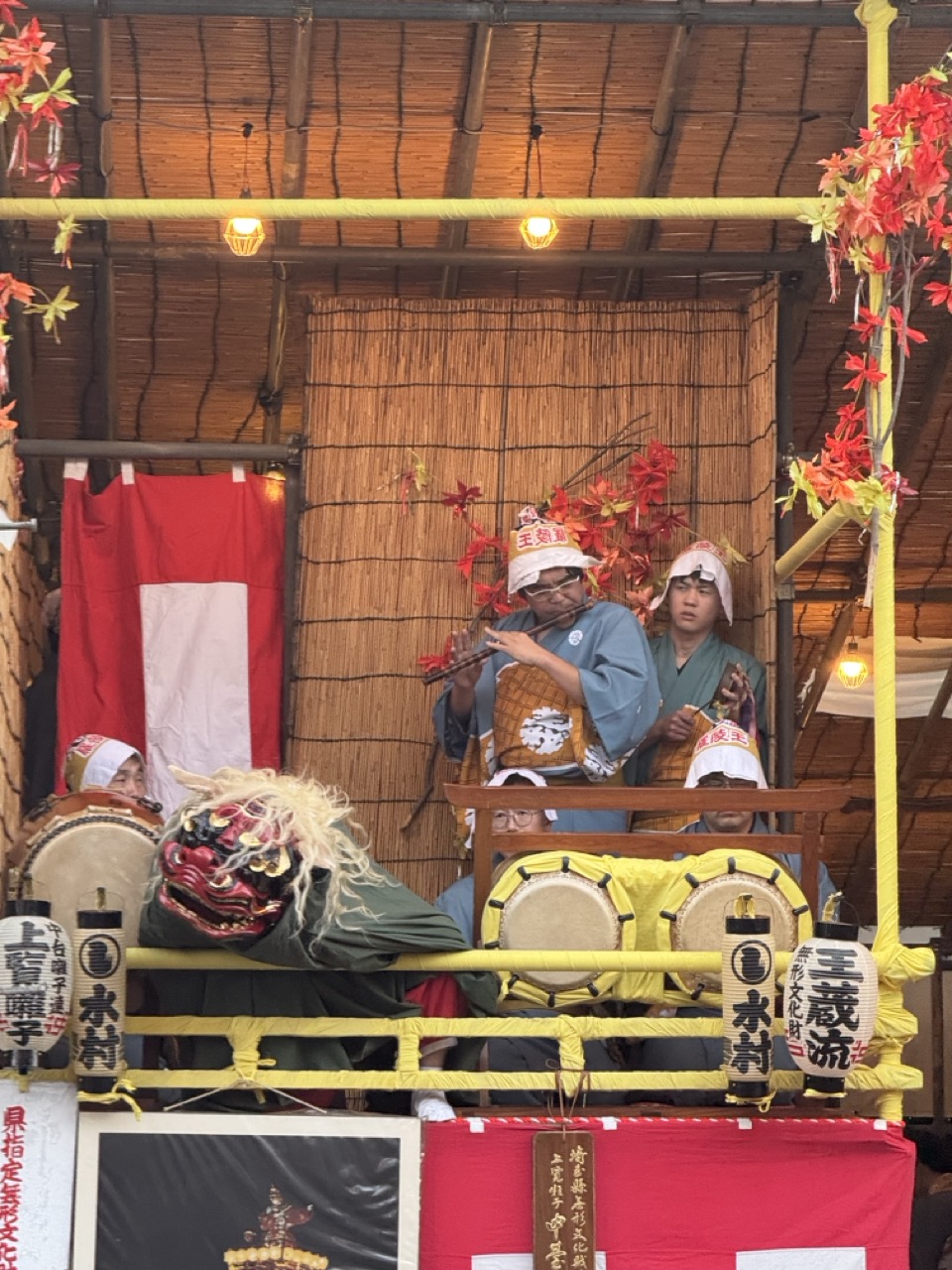
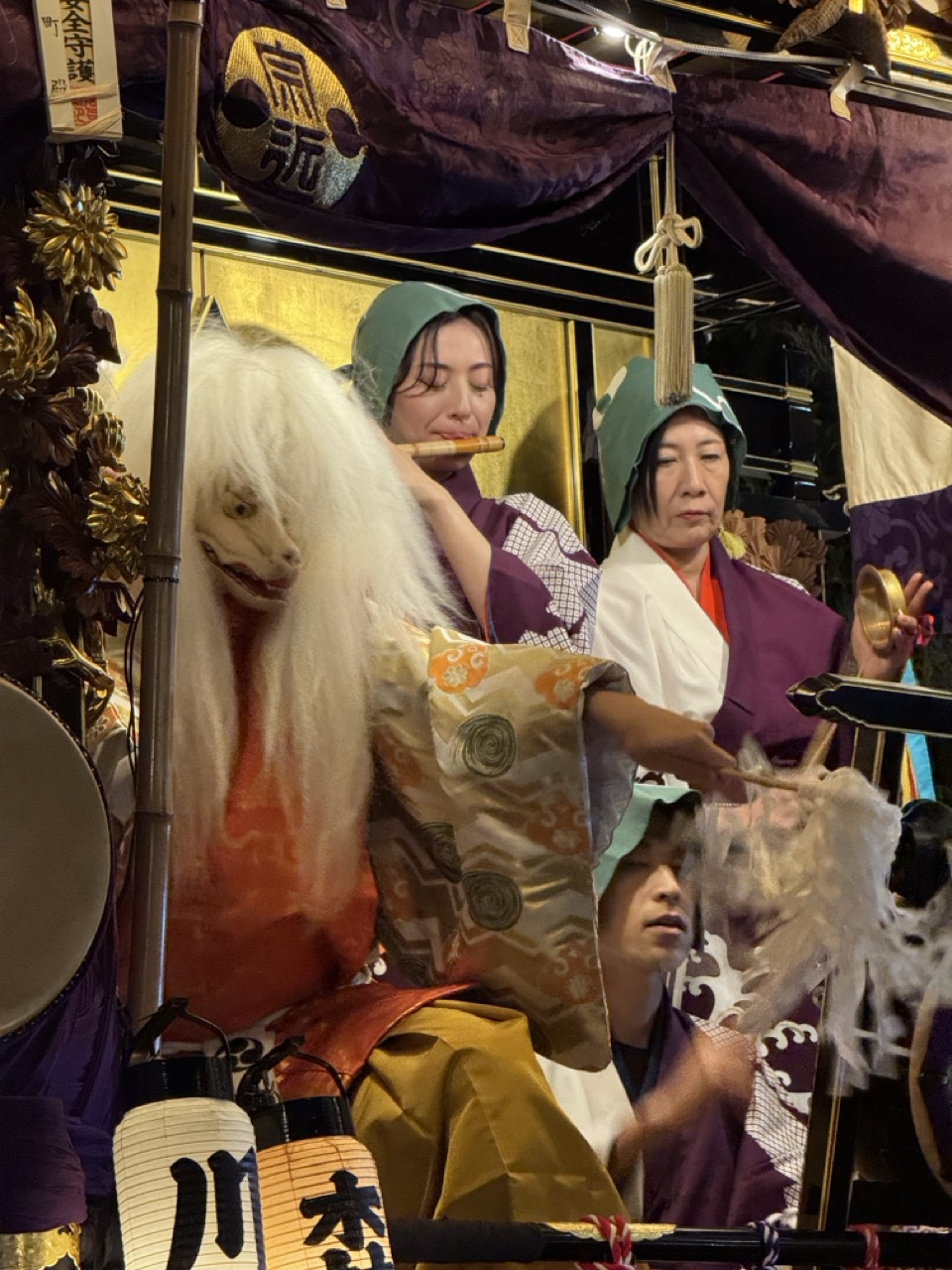
The musicians sit on the floats themselves, playing Edo-style festival music. Alongside them, masked dancers perform, including lion dancers and the comic hyottoko and okame figures. The floats are pulled by hand, which gives the whole thing a surging, human rhythm that no recording can capture.
Hikkawase: The Battle of the Bands
The heart of the festival is the hikkawase, and it is the reason to stay after dark. When two floats meet in the street, they turn to face each other, and the musicians on each one play against the other. Each side tries to outdo its rival in volume, speed and spirit. The tempo climbs, the drums get louder, the crowd presses in, and the whole street seems to vibrate. At some point one side yields and the floats move on, and then another meeting begins somewhere else.
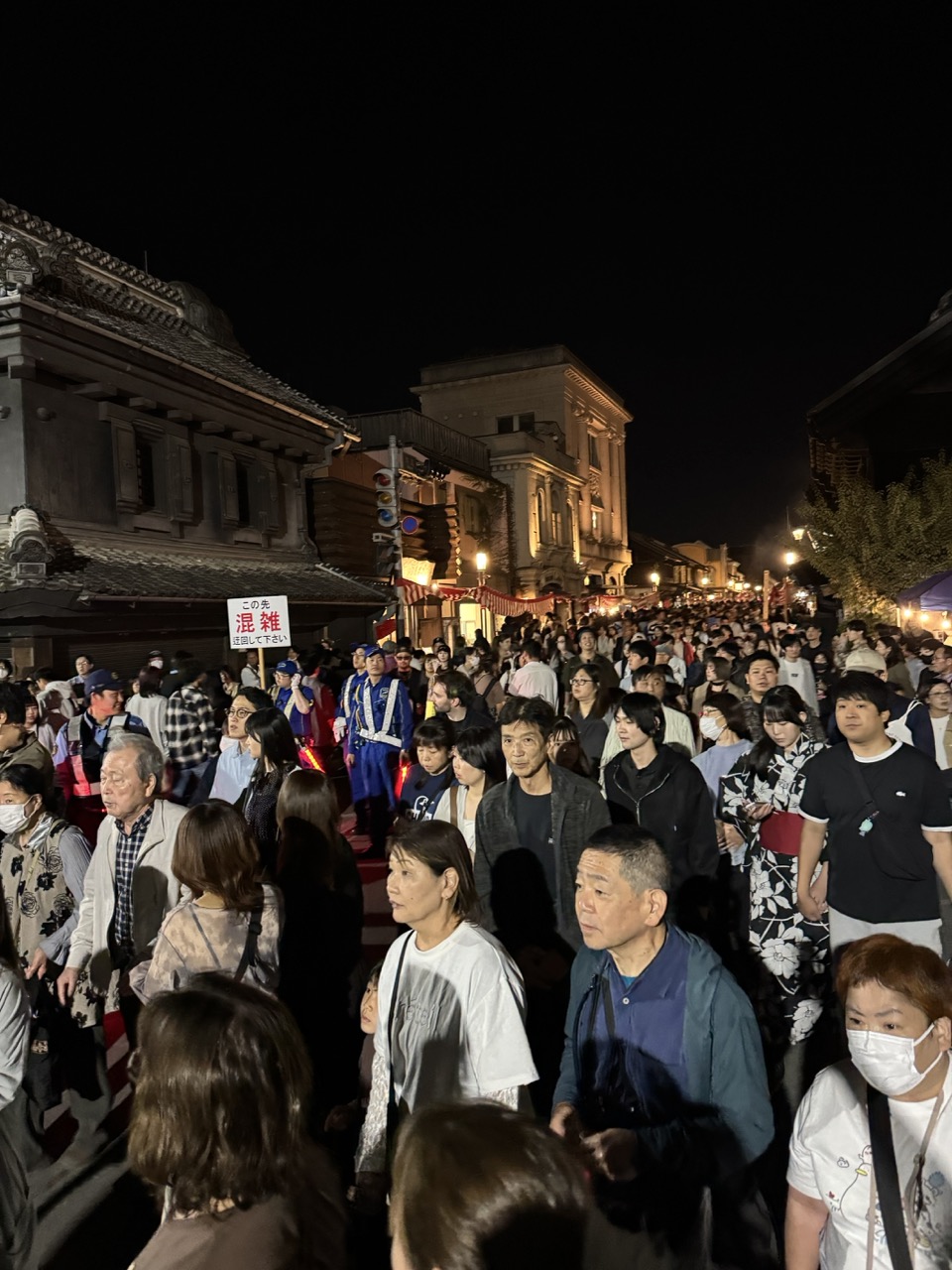
A practical warning: there is no fixed timetable for hikkawase, because it depends on where the floats happen to meet. The festival has its own app, Kawagoe Matsuri Navi, which shows float positions in real time, and it is worth downloading before you go.
Festival Food and Fun on the Side Streets
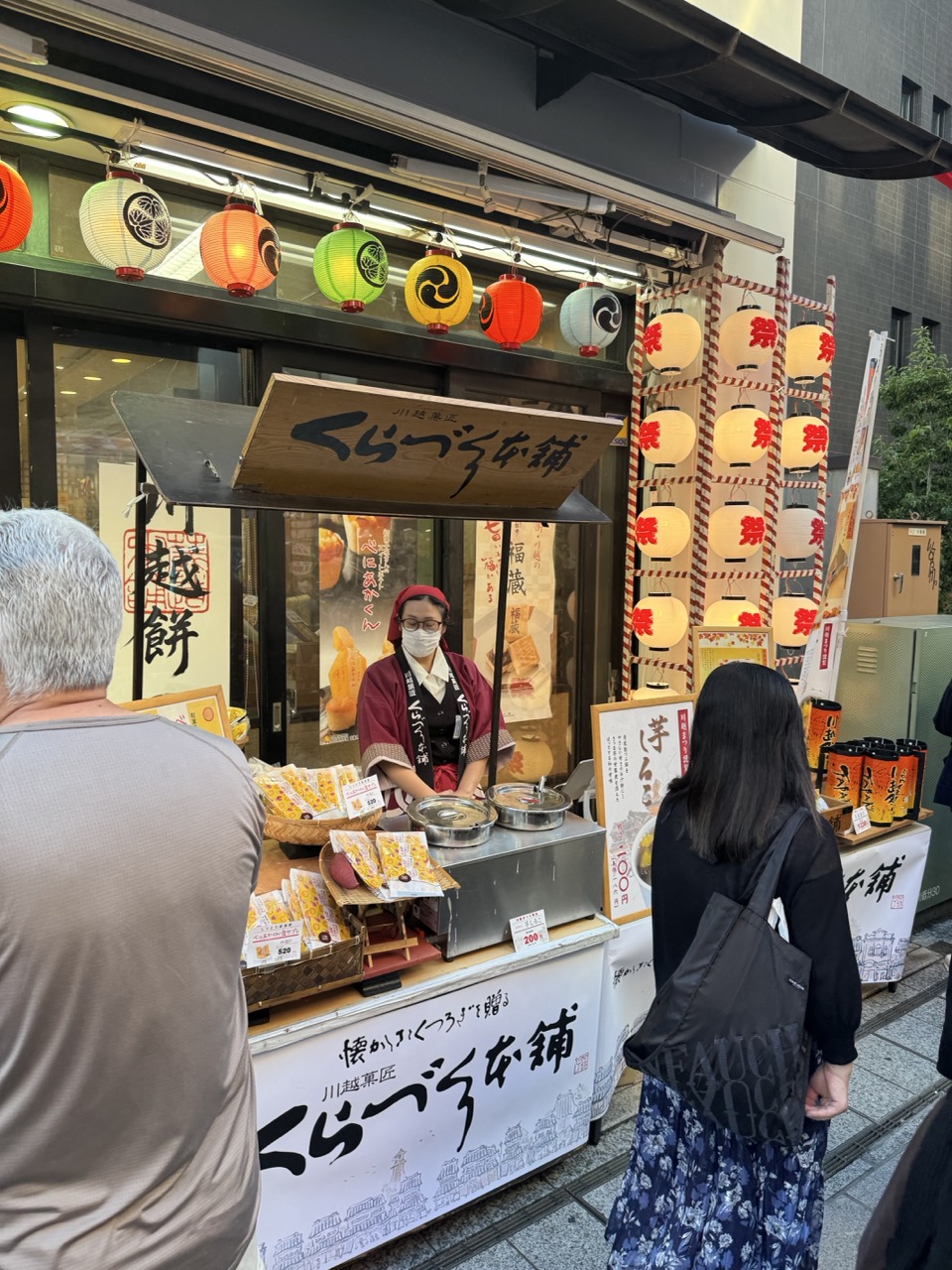
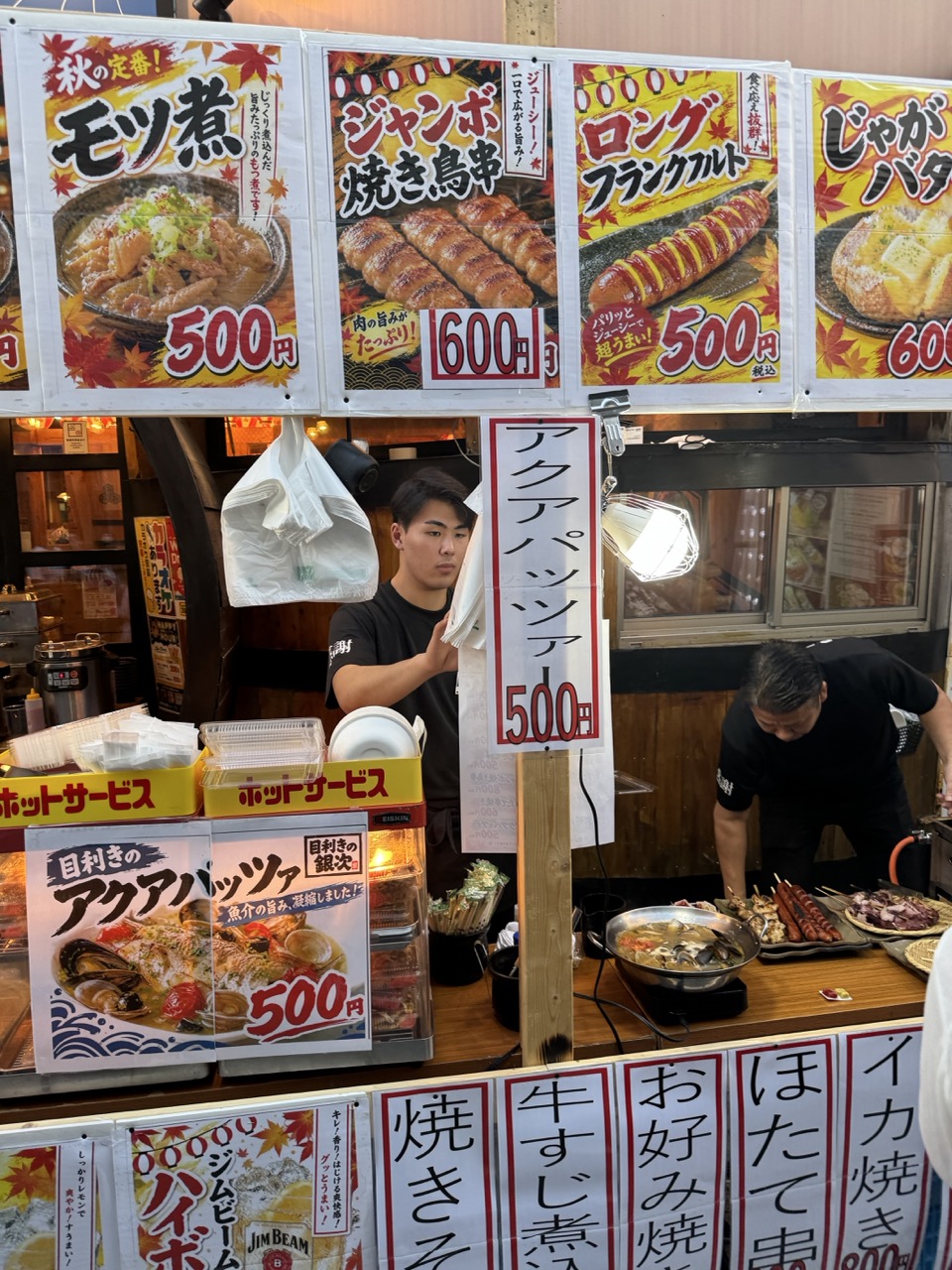
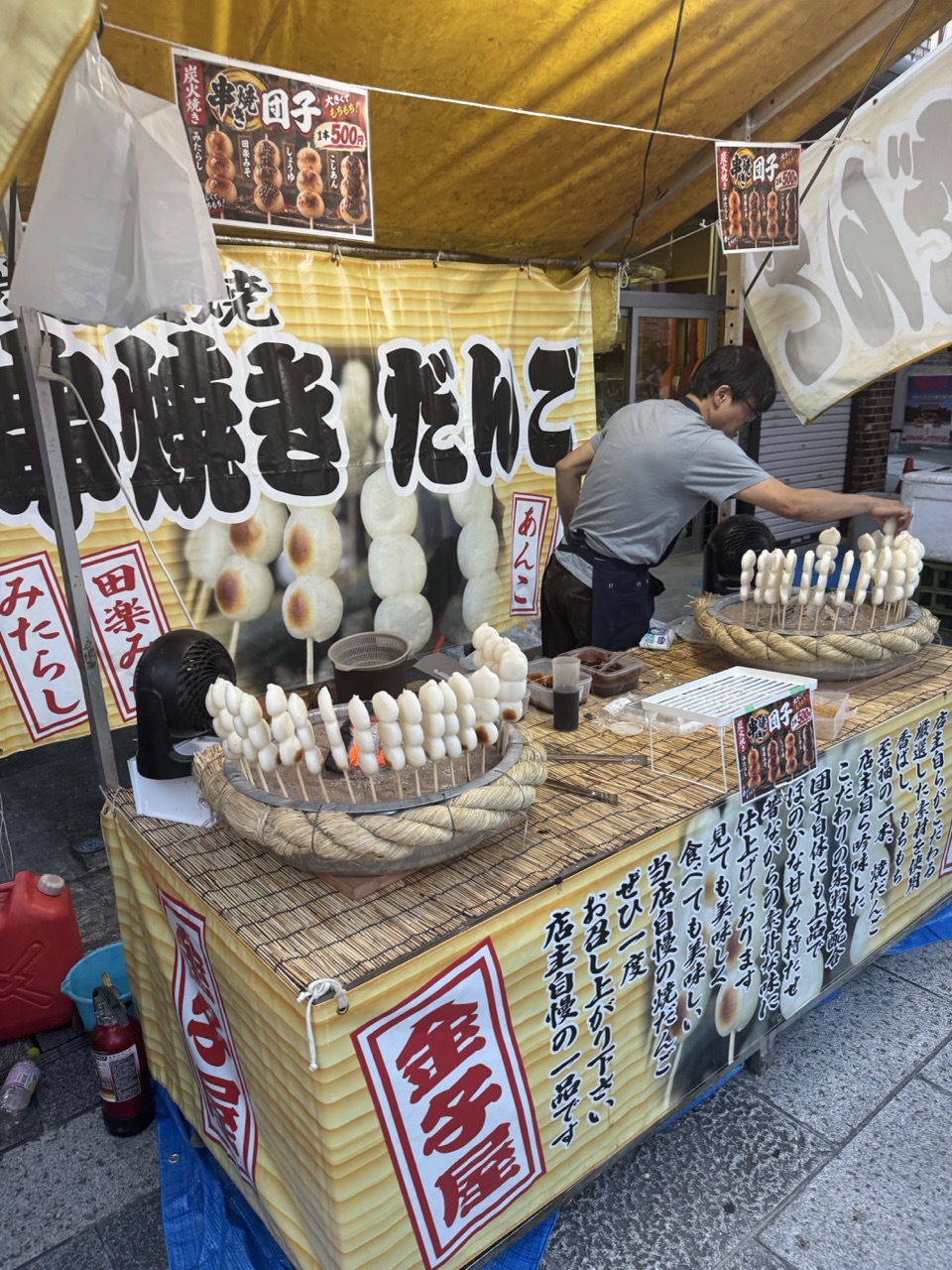
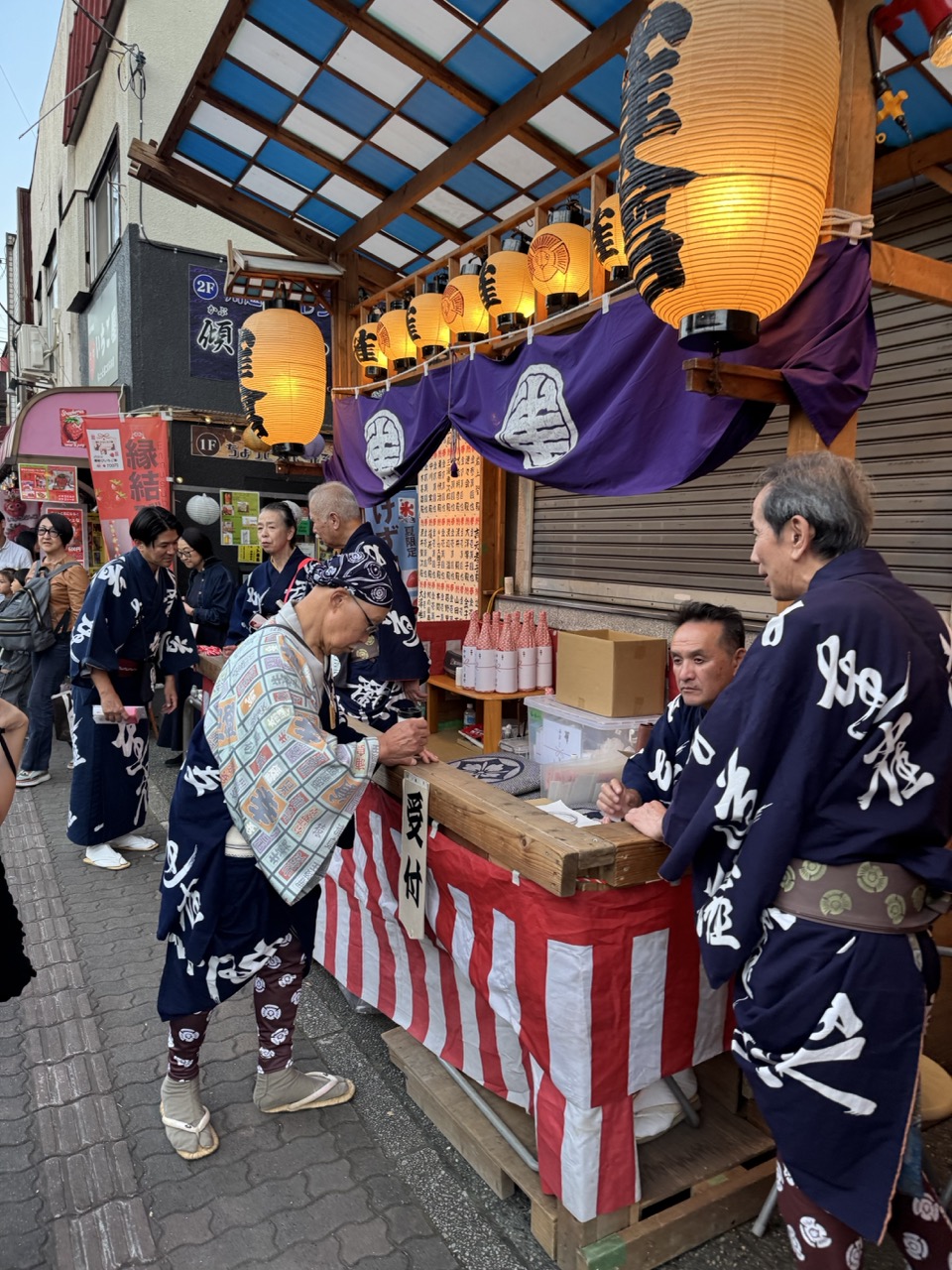
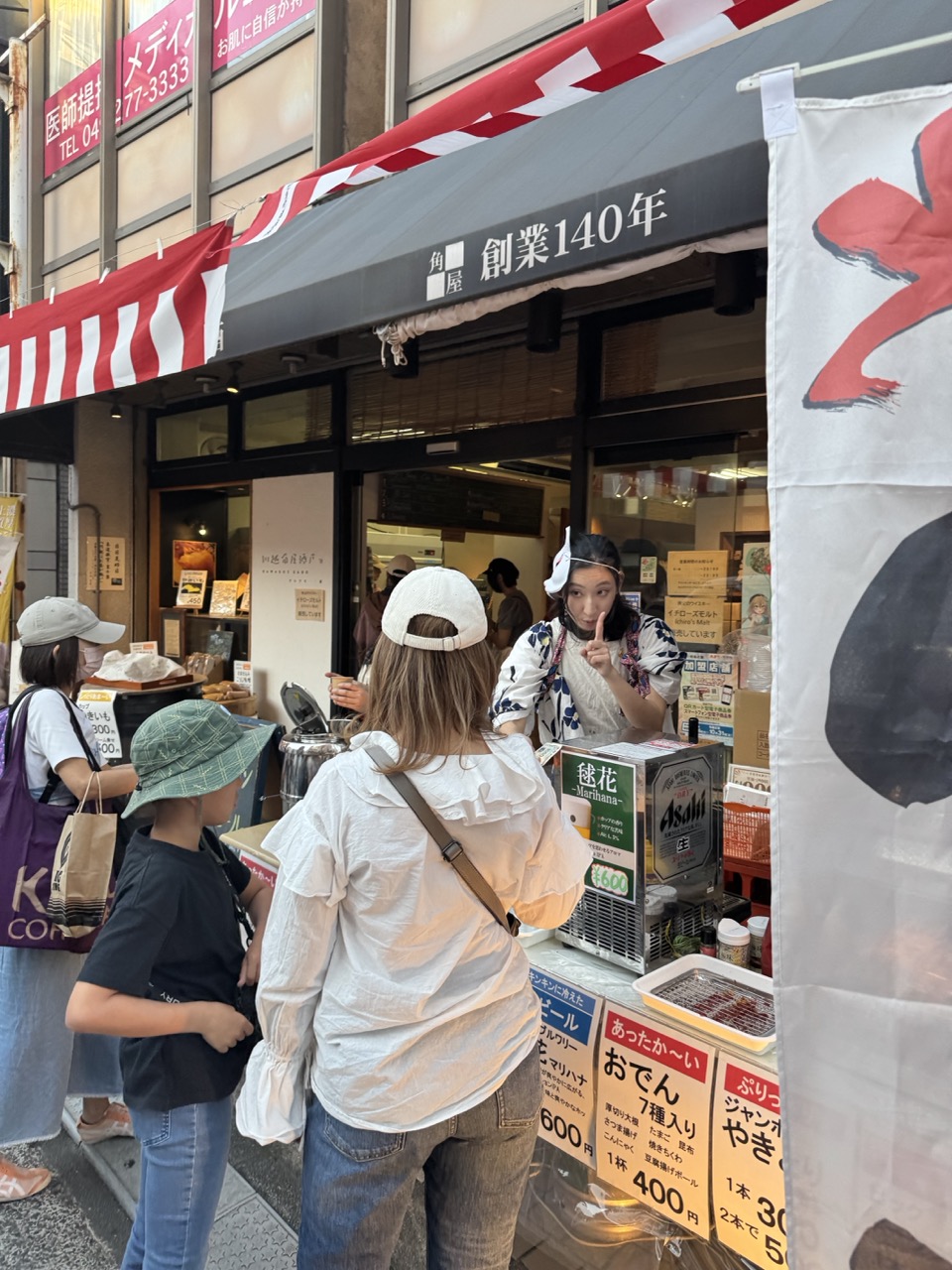
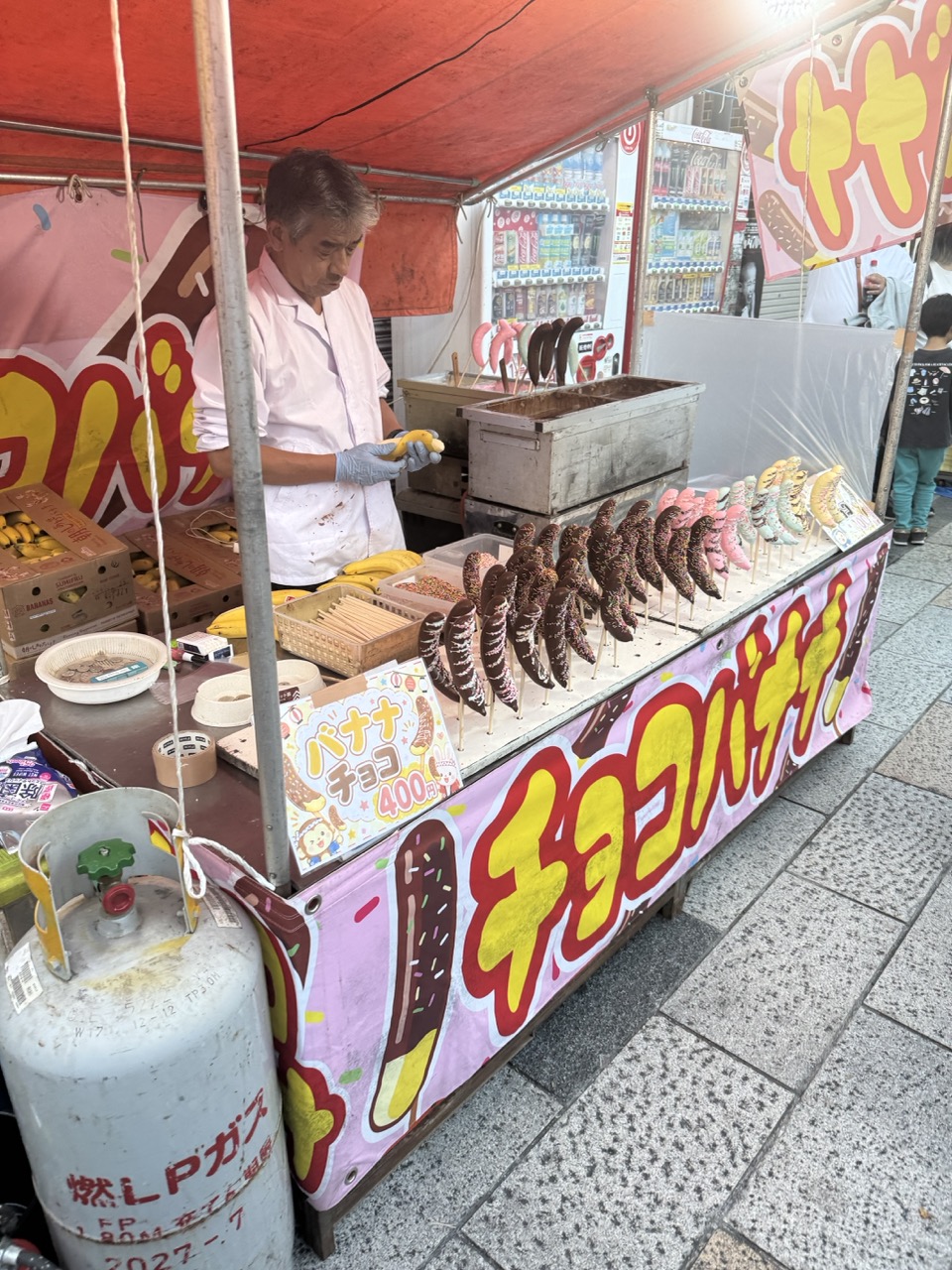
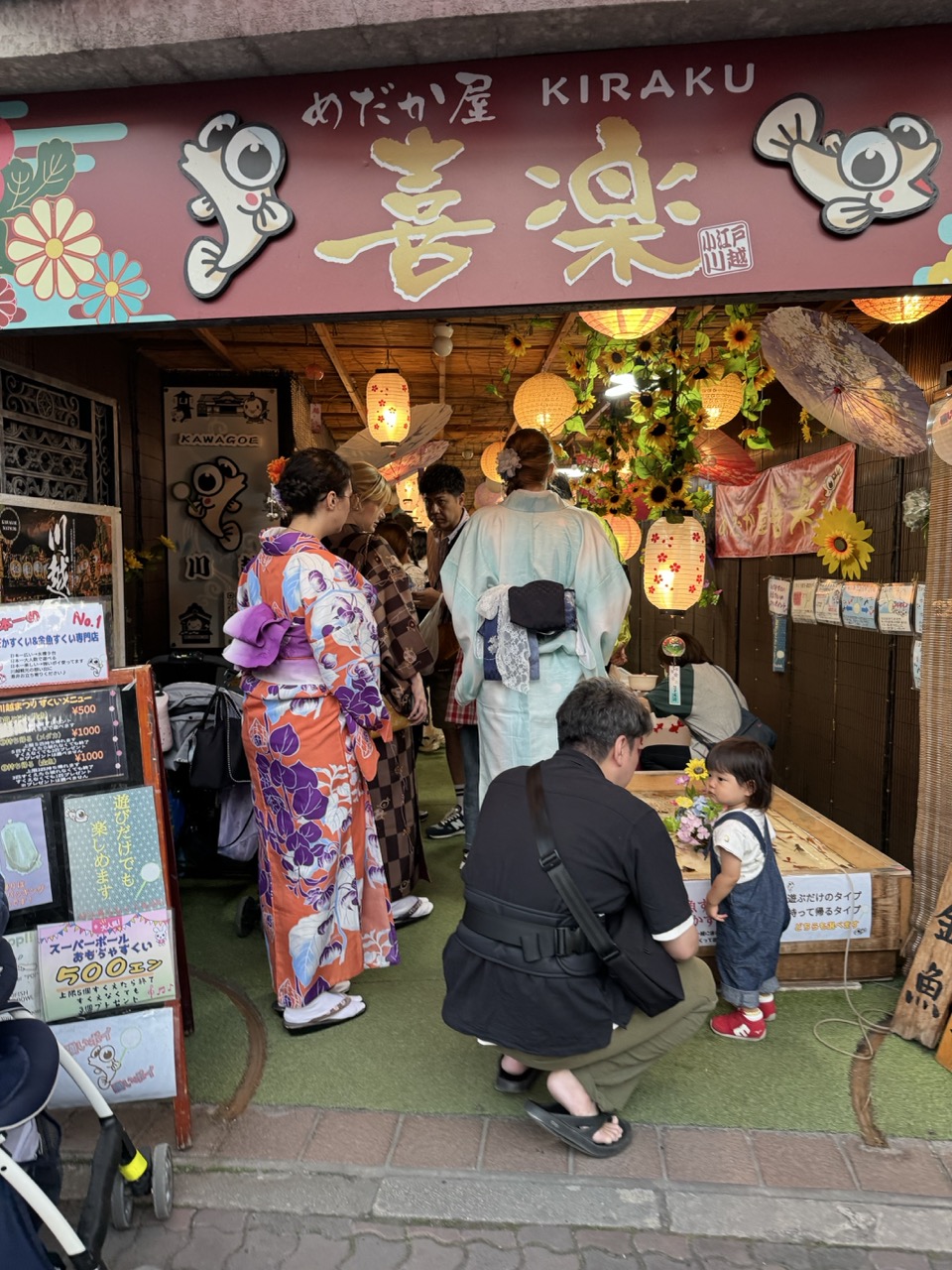
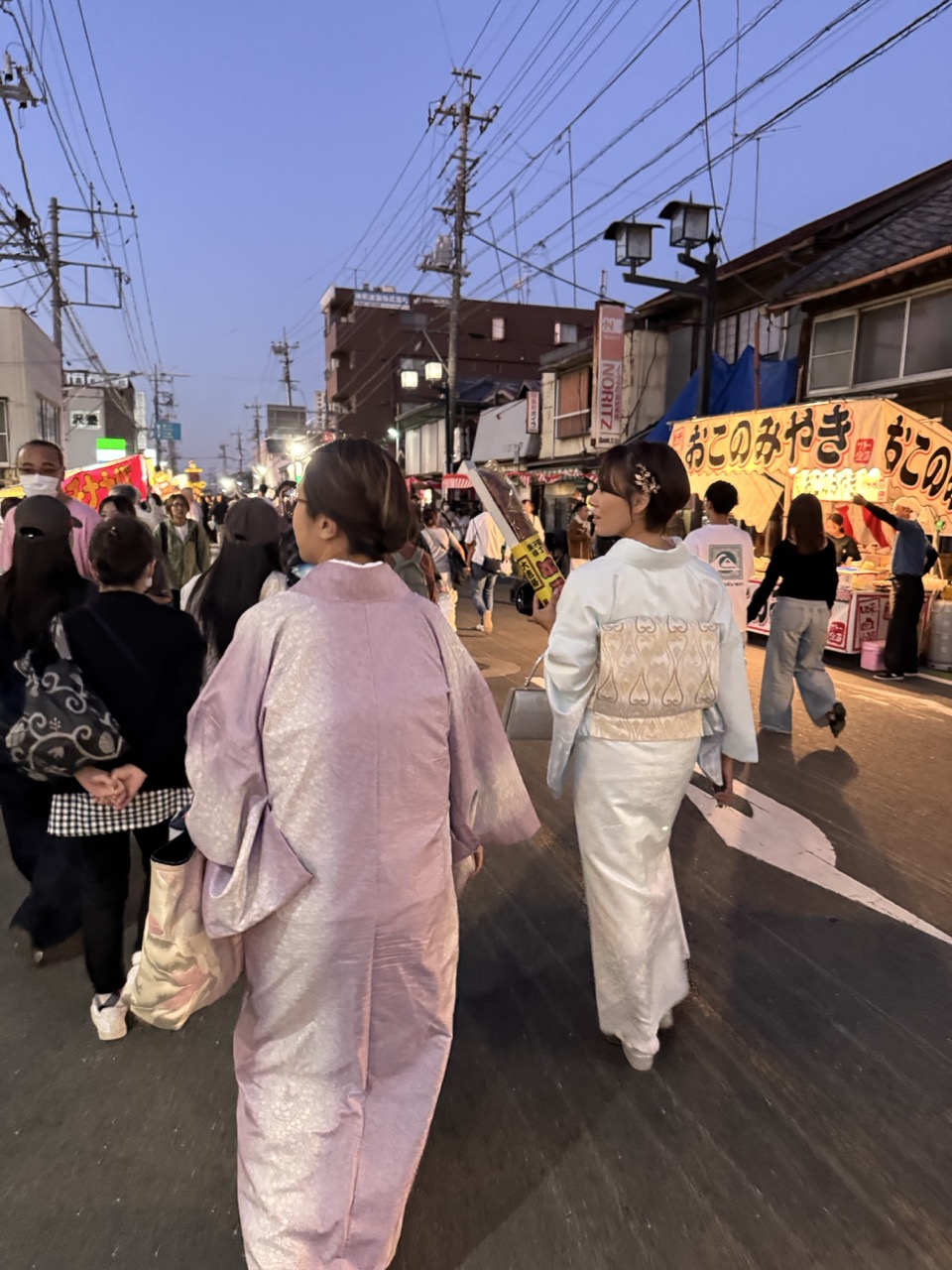
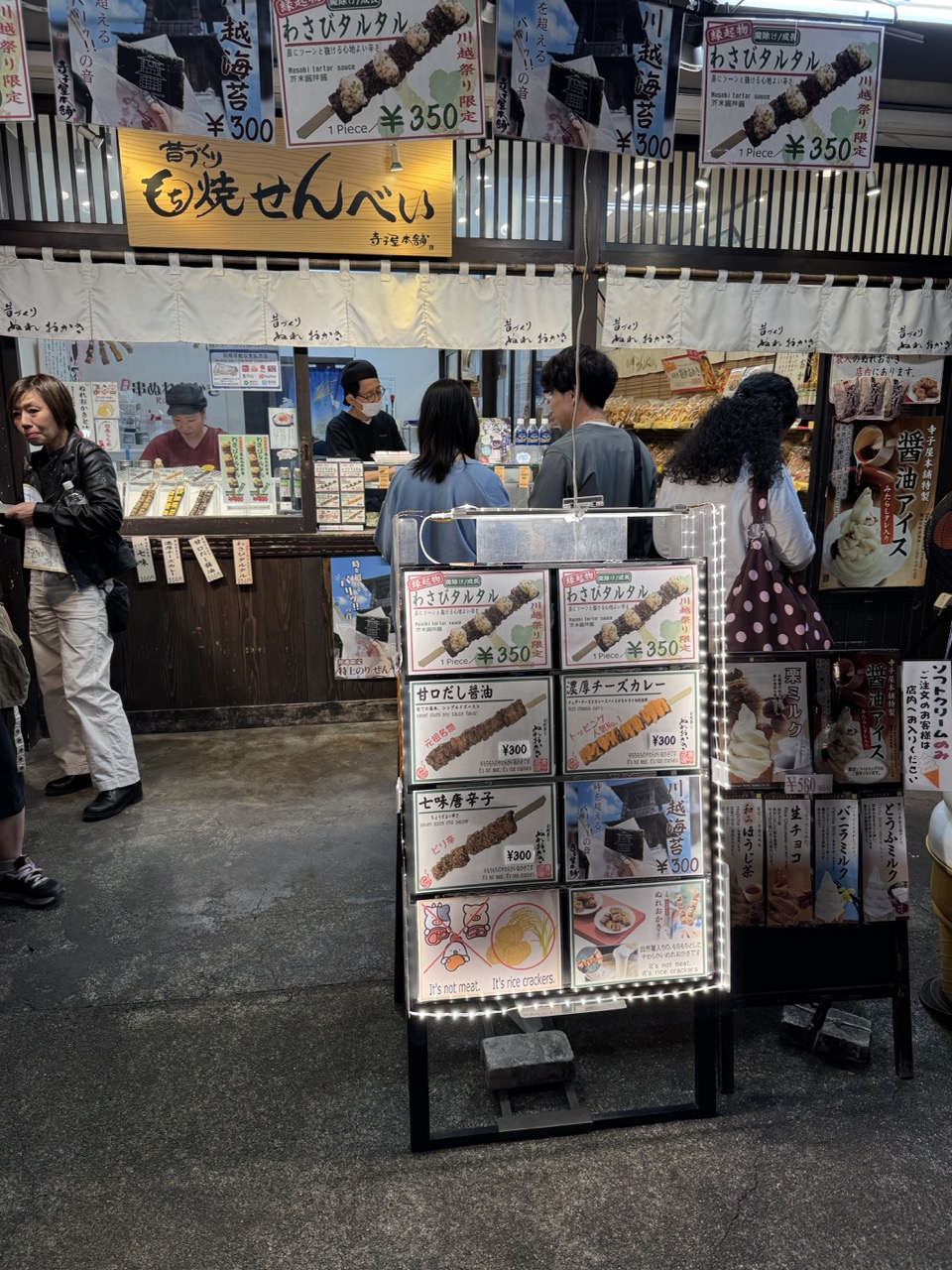
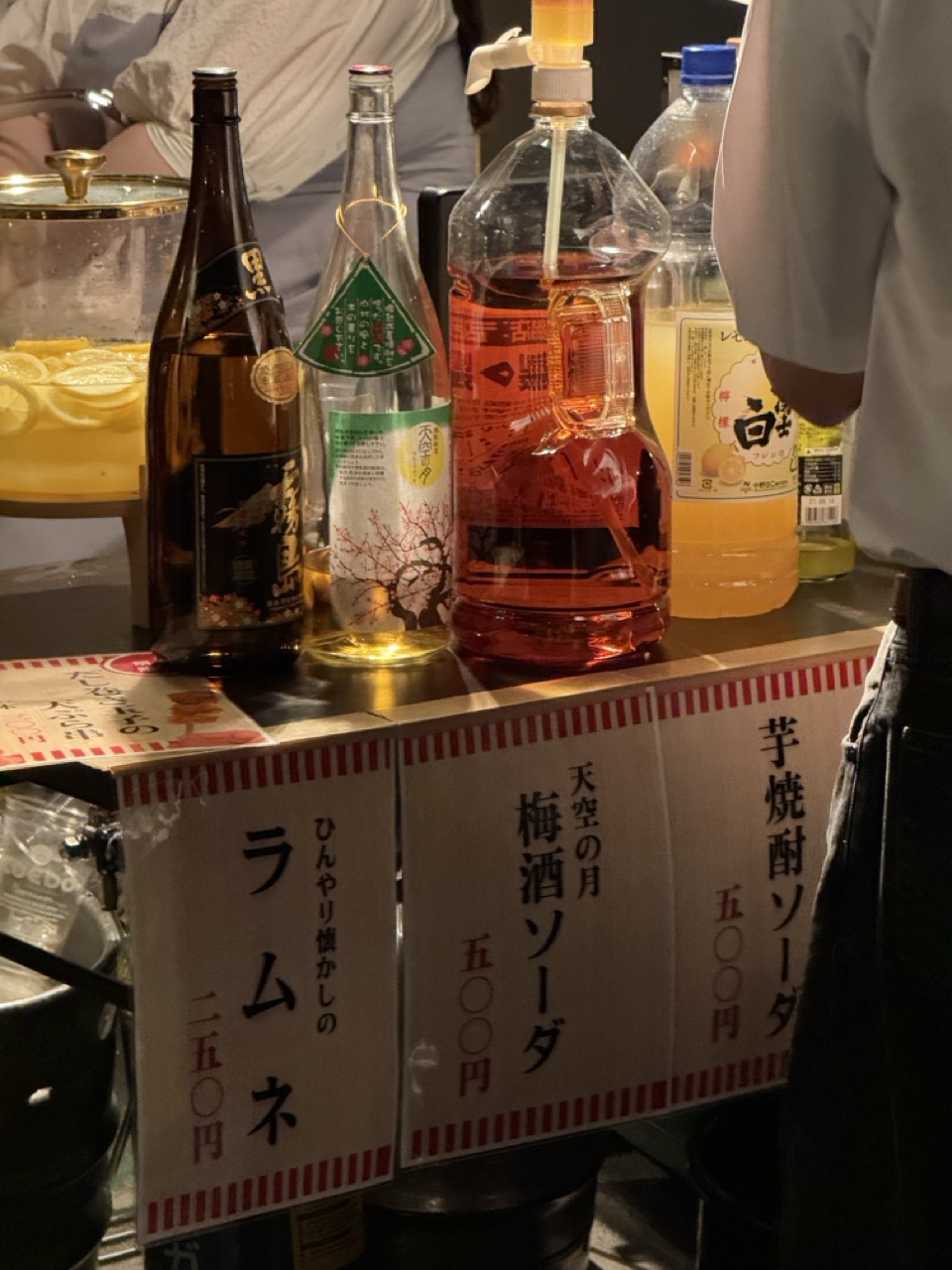
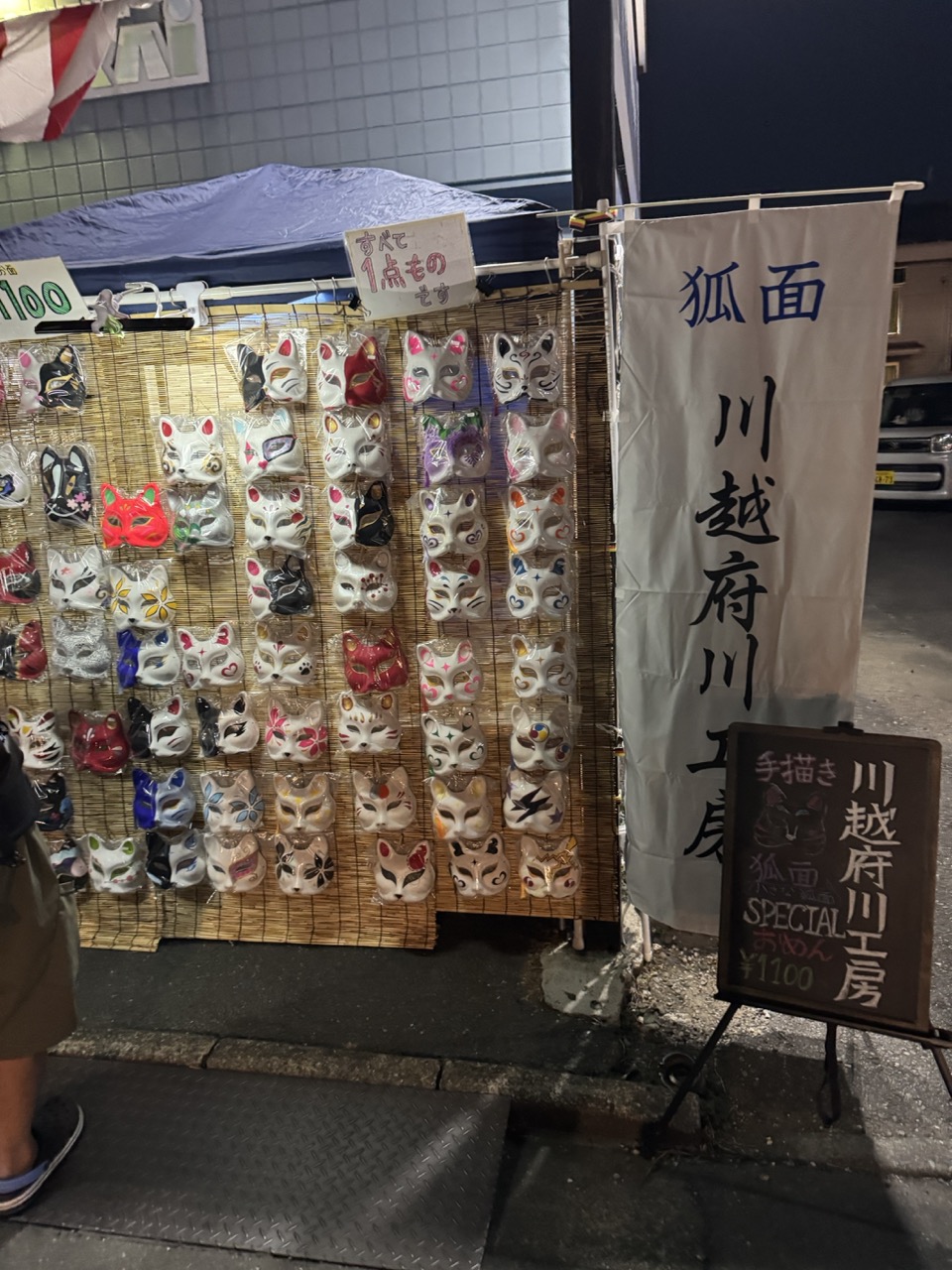
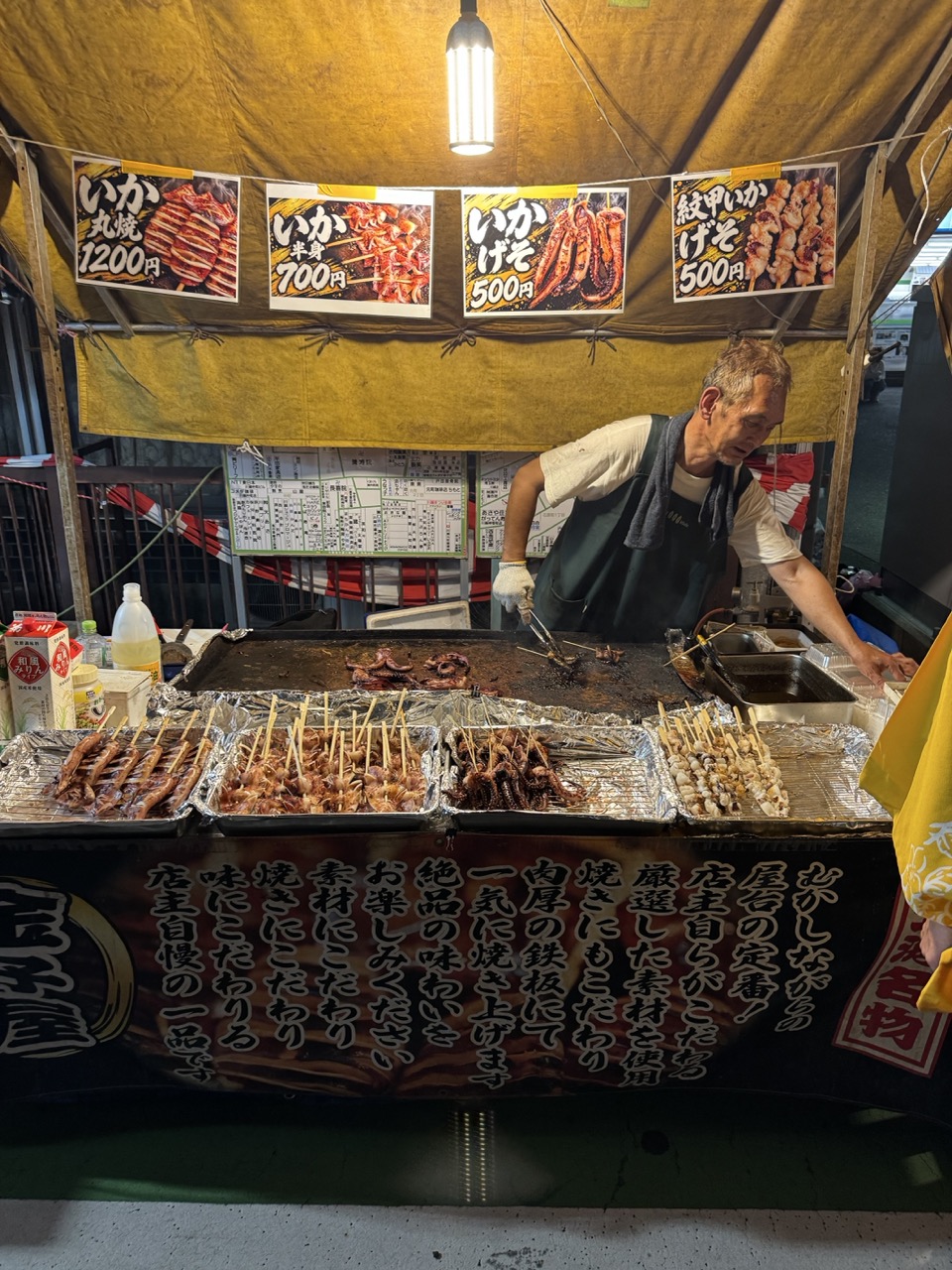
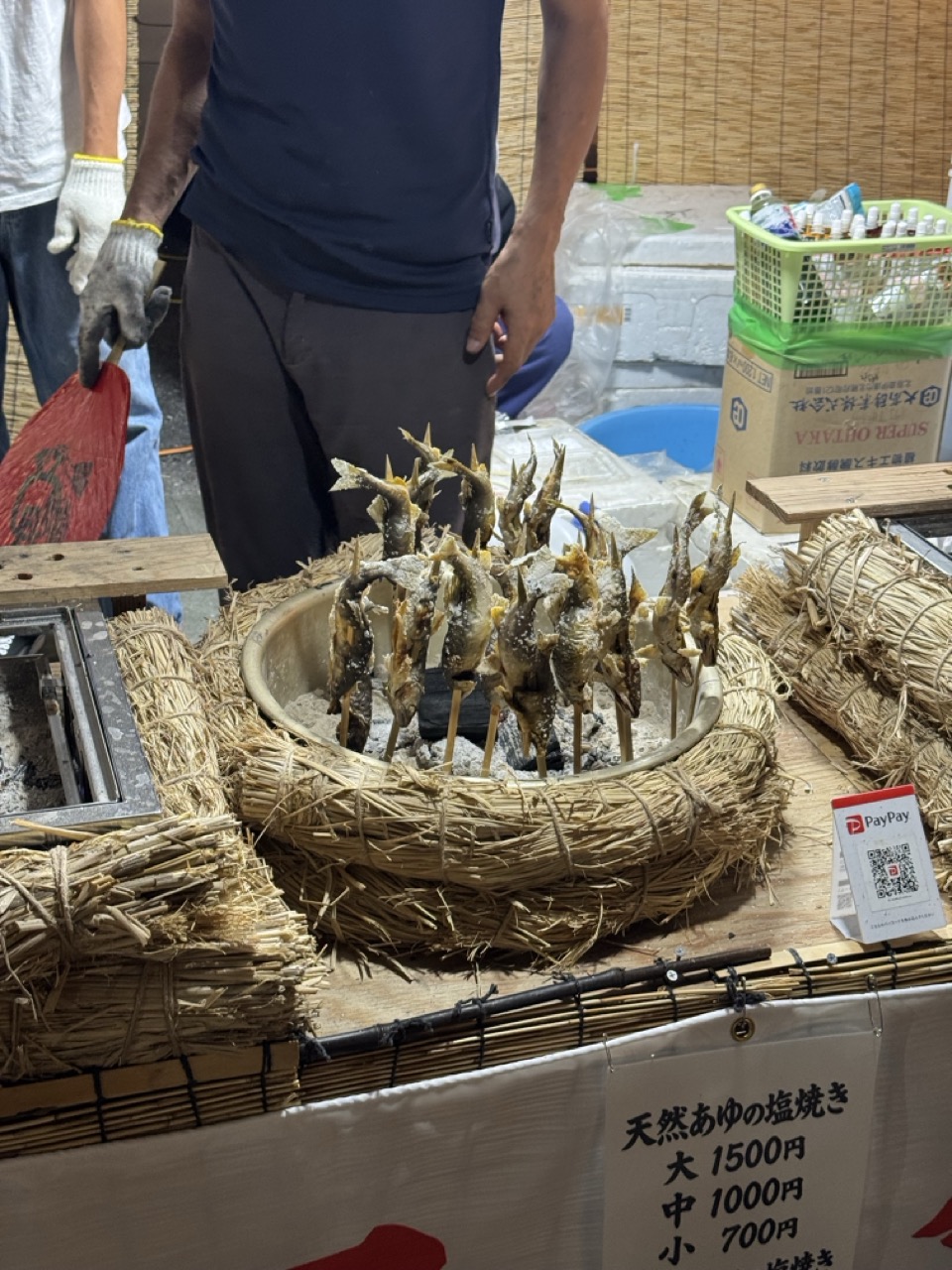
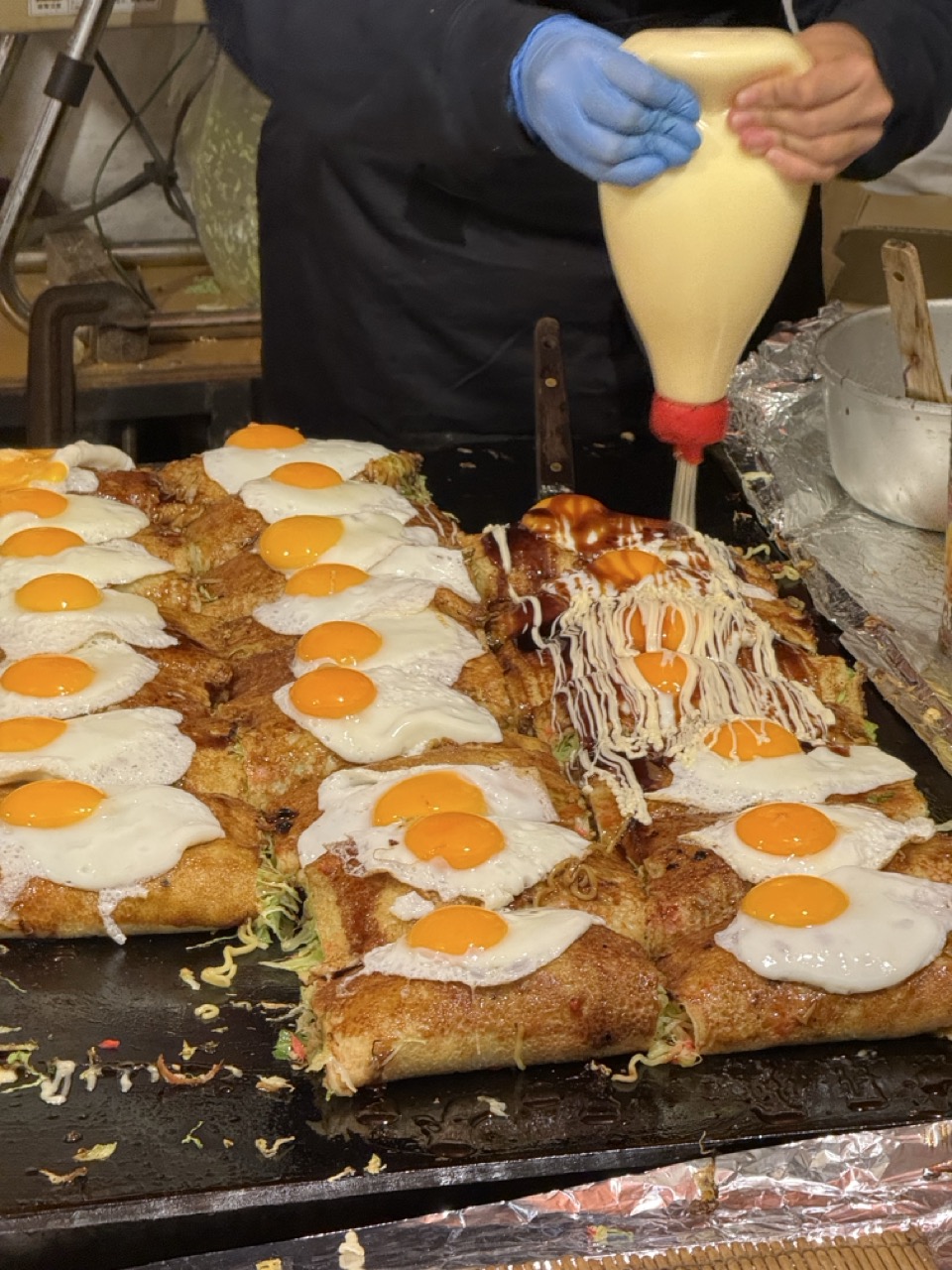
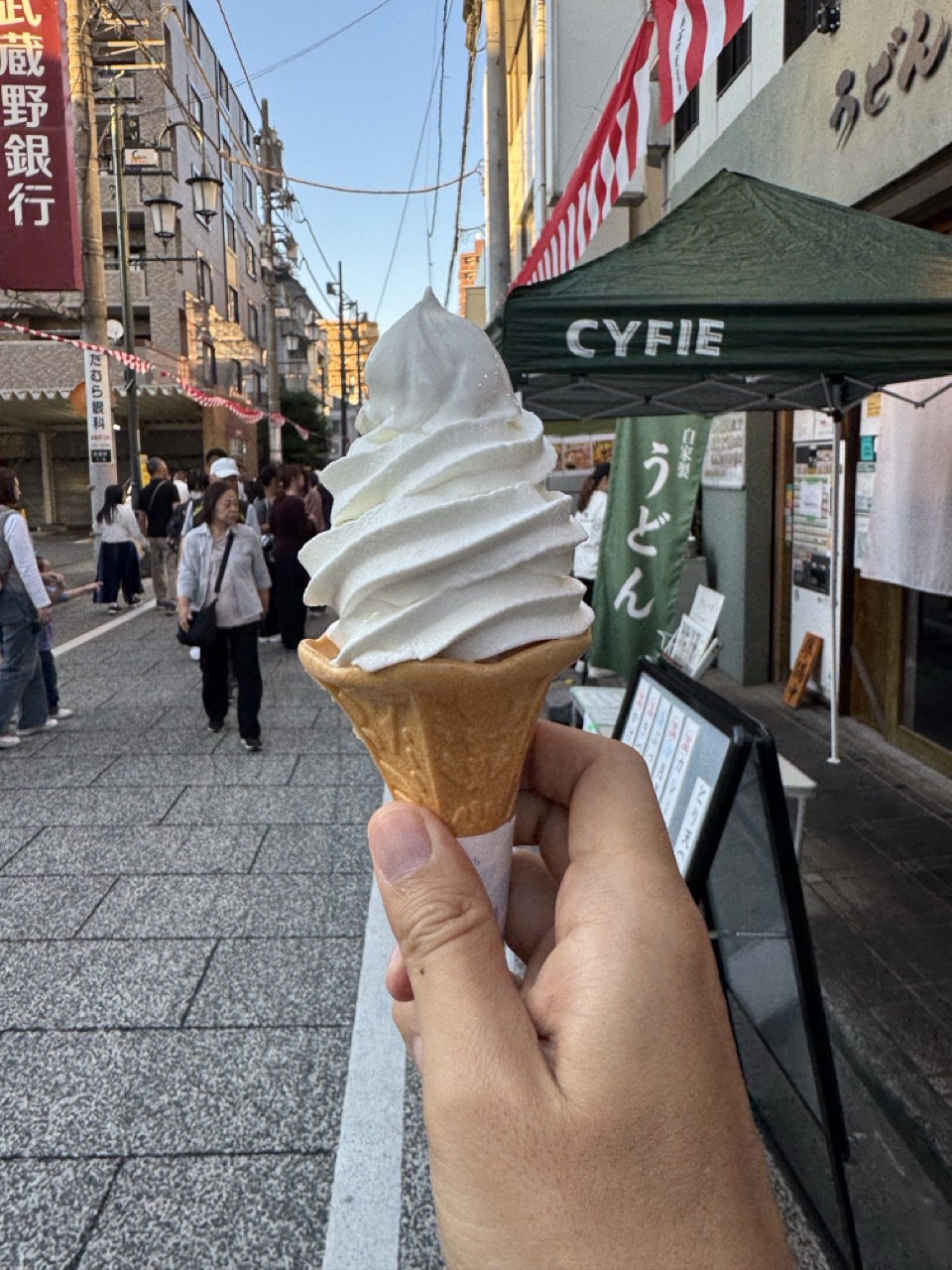
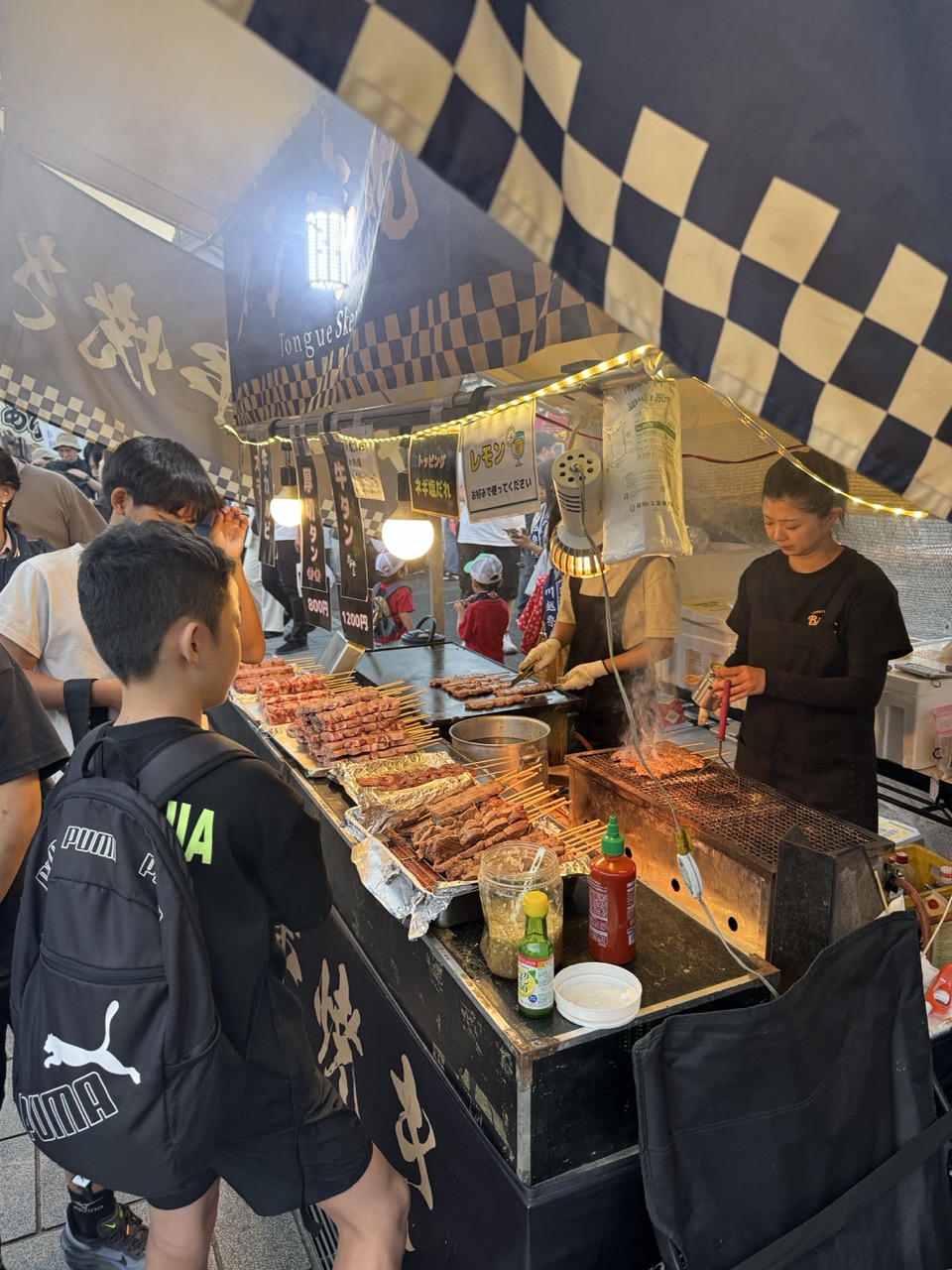
Between floats, the side streets are packed with the usual joyful matsuri stalls. You will find grilled snacks, sweet things on sticks, and the old games that every Japanese festival seems to have, such as goldfish scooping, where you try to catch a fish with a delicate paper scoop before it tears. Sweet potato in various forms is the local specialty, and it is hard to walk more than a few steps without being offered some.
Final Thoughts: A Living Tradition
What stayed with us most was not any single float or performance. It was the feeling that the festival belongs to the town. Children in happi coats pulling ropes, neighbors cheering their own float, musicians who have clearly been practicing since they were small. Kawagoe’s streets, with their warehouses and bell tower and almost no overhead wires, give all of it a backdrop that feels like stepping back a couple of centuries.
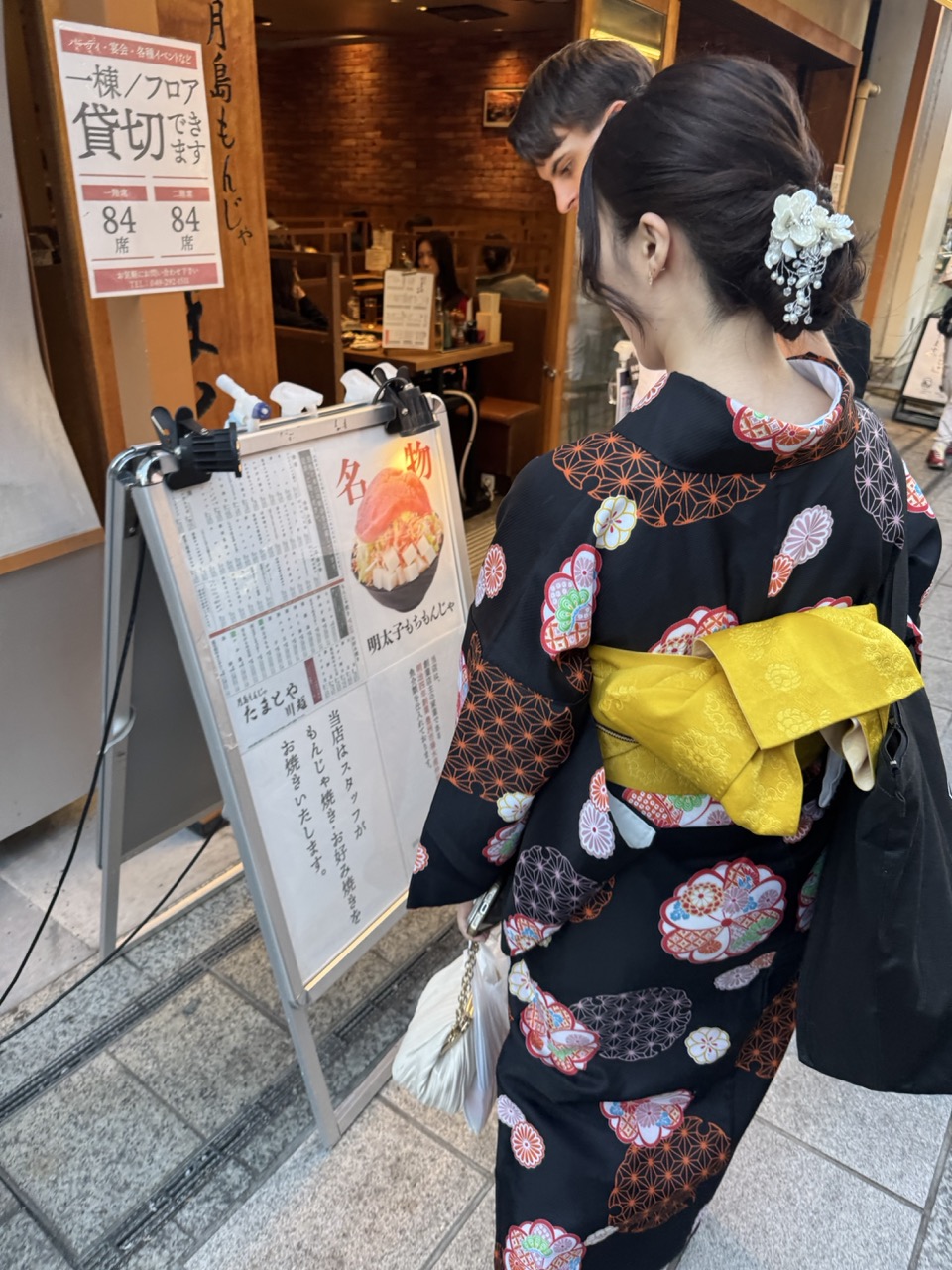
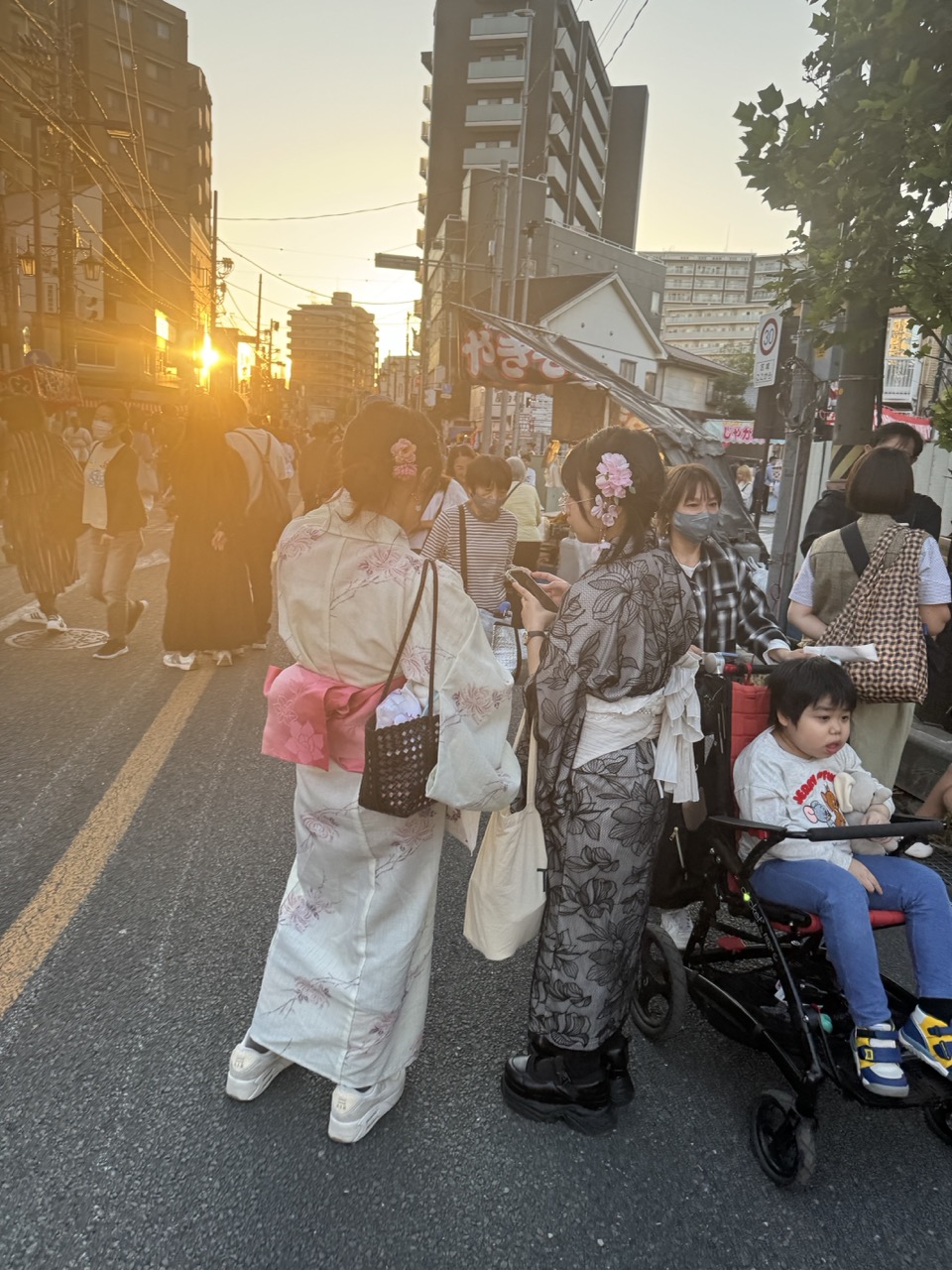
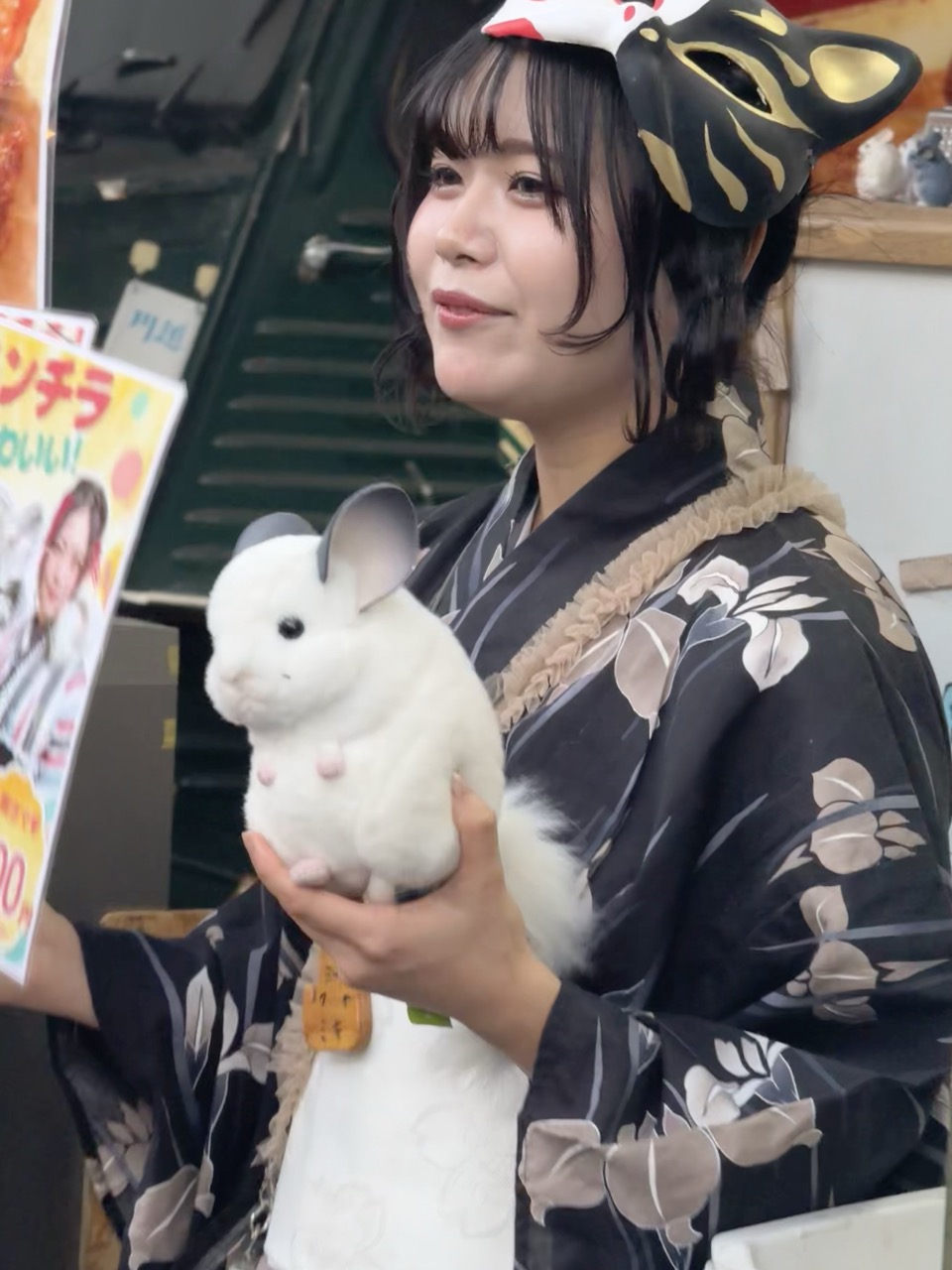
If you are anywhere near Tokyo in the third week of October, put the Kawagoe Festival on your list. Come early, and plan to stay late. The daytime is for looking closely at the floats, and the evening is for the atmosphere and hikkawase. If you can only do one, make it the evening, but arrive before sunset so you can find a spot. If you want to wear a kimono or yukata for the day, rental shops in town will dress you, and it suits the setting beautifully. It is one of the best days out in the Kanto region, and one I would recommend to anyone.