Preston Lau: A Journey Through Memories, Tech, and Humanity
Welcome to my personal blog that delves into the intricate tapestry of personal albums and the fascinating intersection of ever-evolving technology and humanity. Come along on a journey with me as we delve into the seamless fusion of creativity, state-of-the-art AI and robotics, intricately interwoven within the tapestry of our shared awareness. Have fun!
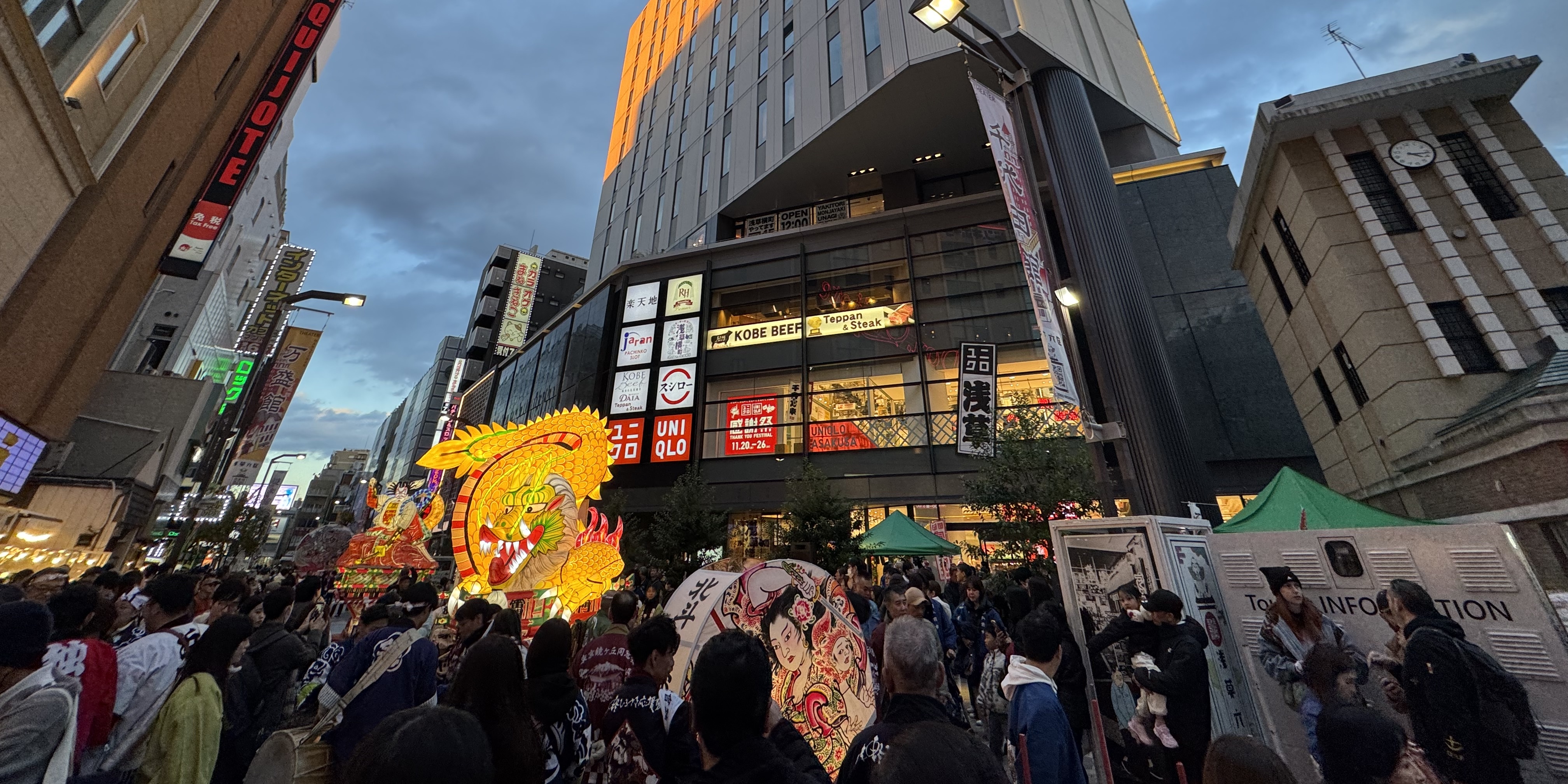
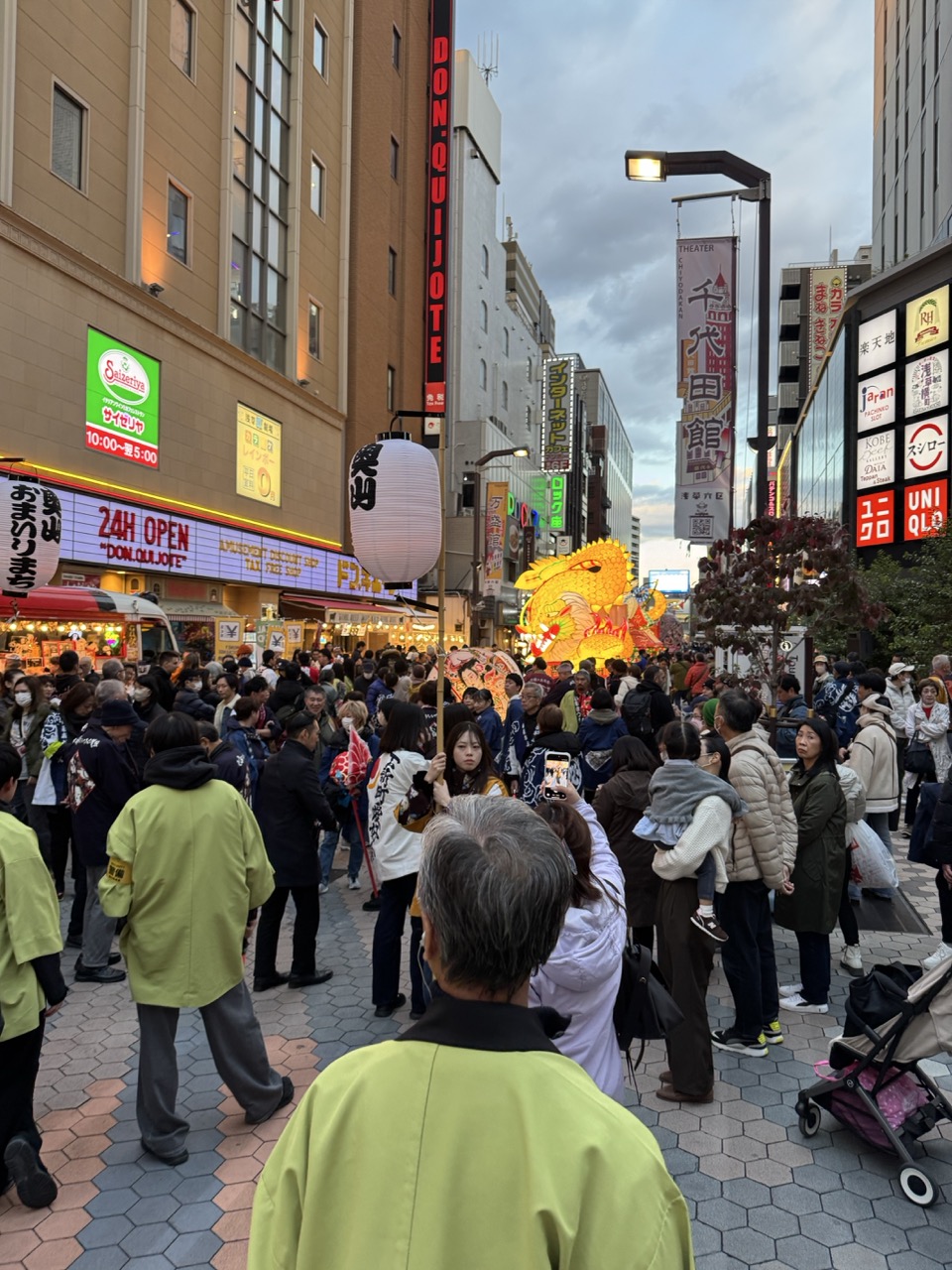
Hirosaki Neputa Asakusa Festival Lantern Parade in Asakusa
AI Summary
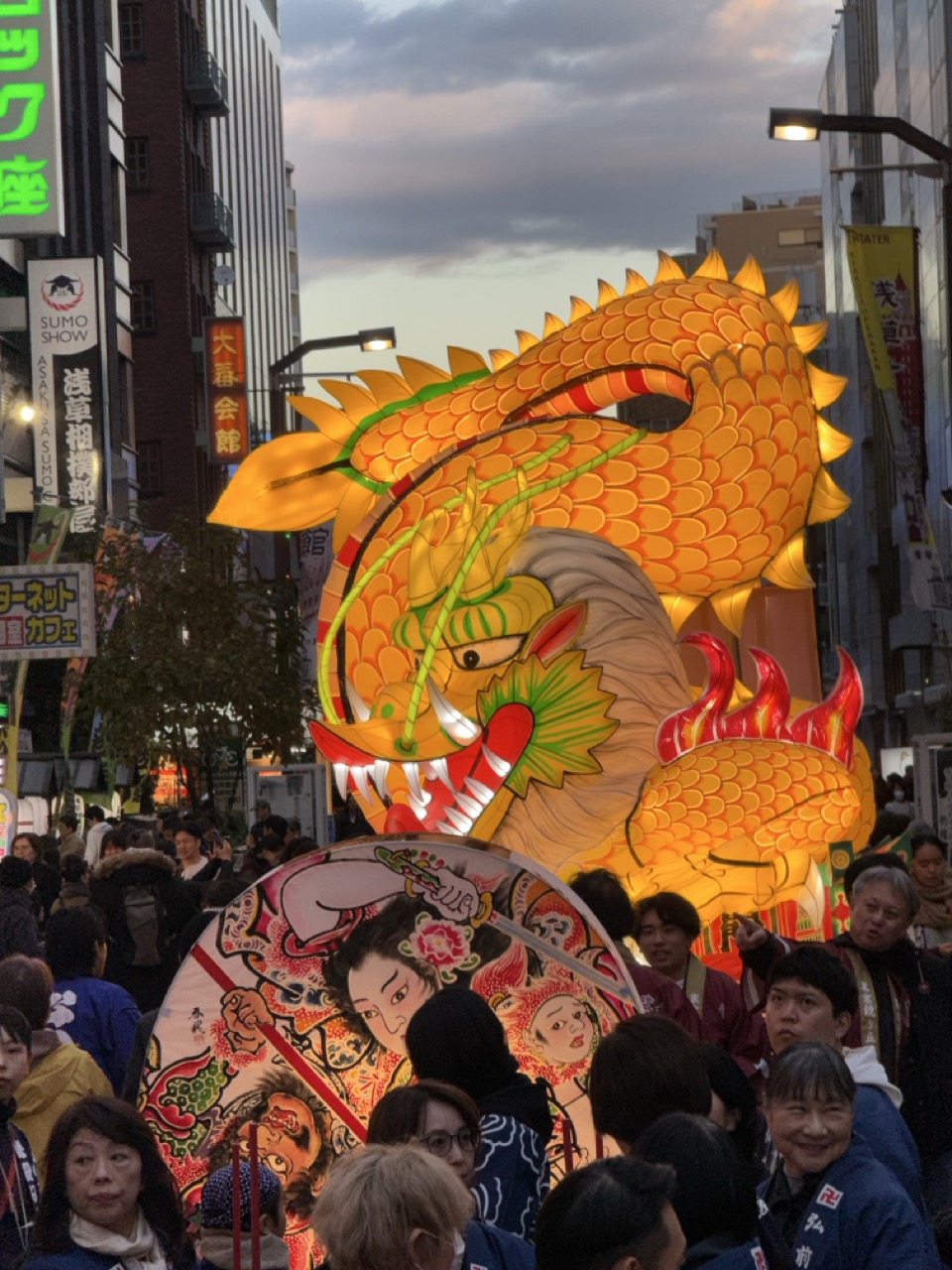
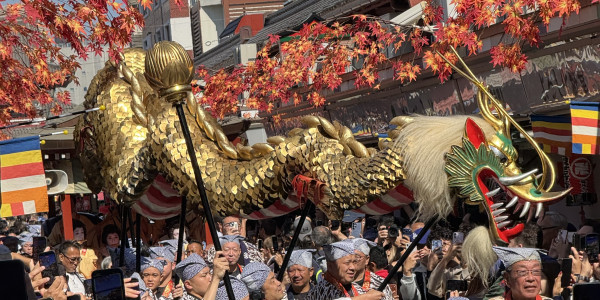
Bringing a scaled-down taste of Aomori's historic summer tradition to Tokyo each November, the Hirosaki Neputa Asakusa Festival centers on a weekend dusk parade where hand-painted, glowing fan-shaped floats are hauled through Asakusa's shopping streets to flutes, drums, and chants of "ya ya do." While smaller than Hirosaki's massive August original, pairing the 4:30 p.m. twilight procession with a visit to the nearby Hirosaki Market for fresh apples and local sweets makes for an atmospheric autumn evening near Sensoji.
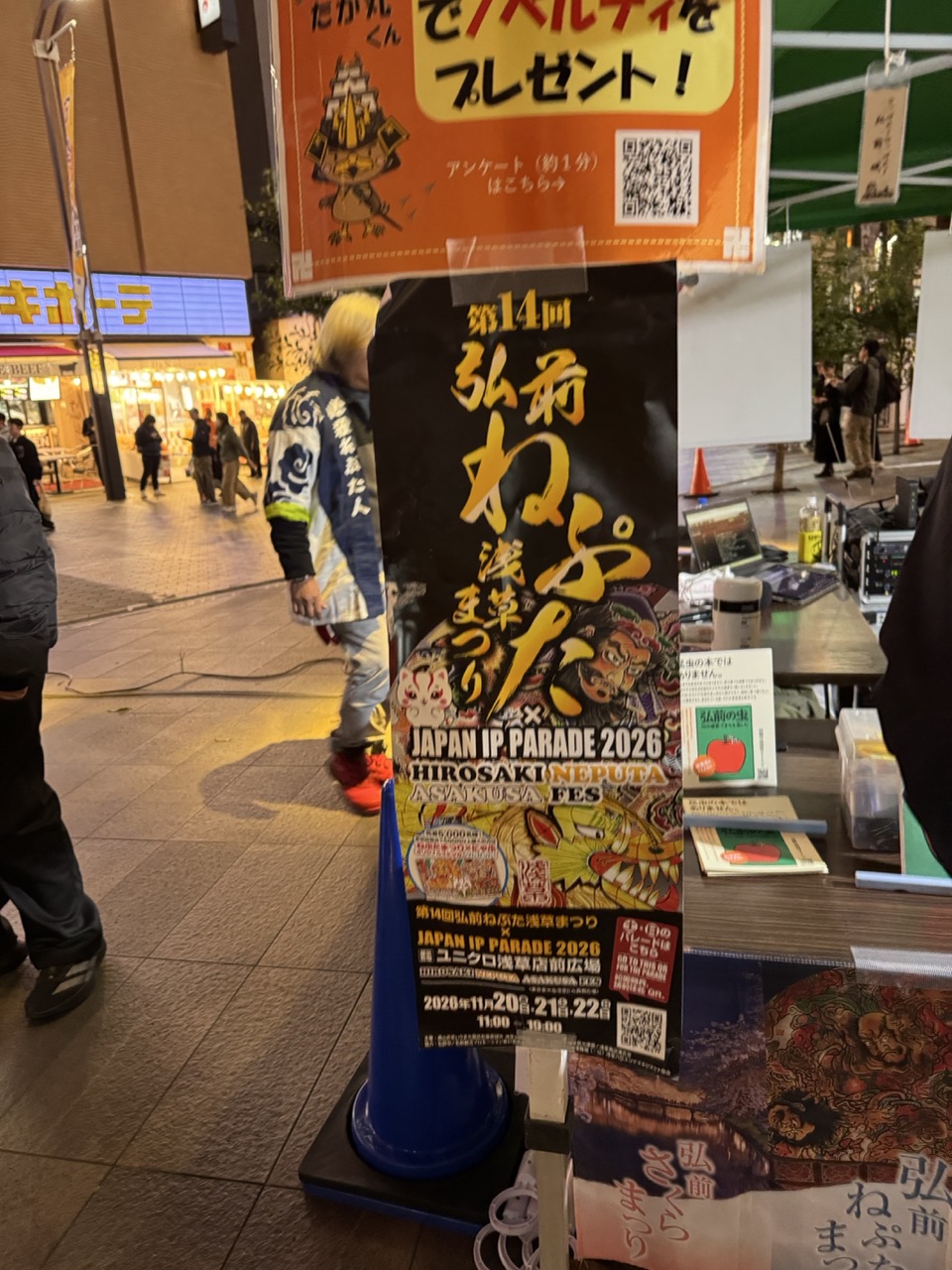
The Hirosaki Neputa Asakusa Festival is a event that brings a small version of Hirosaki's famous summer festival to Tokyo. The 14th edition ran from Friday, November 20 to Sunday, November 22, 2026. The parades ran on Saturday and Sunday only. If you can only choose one day for next year, pick a weekend day, because the floats moving through the streets are the reason to go.
Where the Hirosaki Tradition Comes From
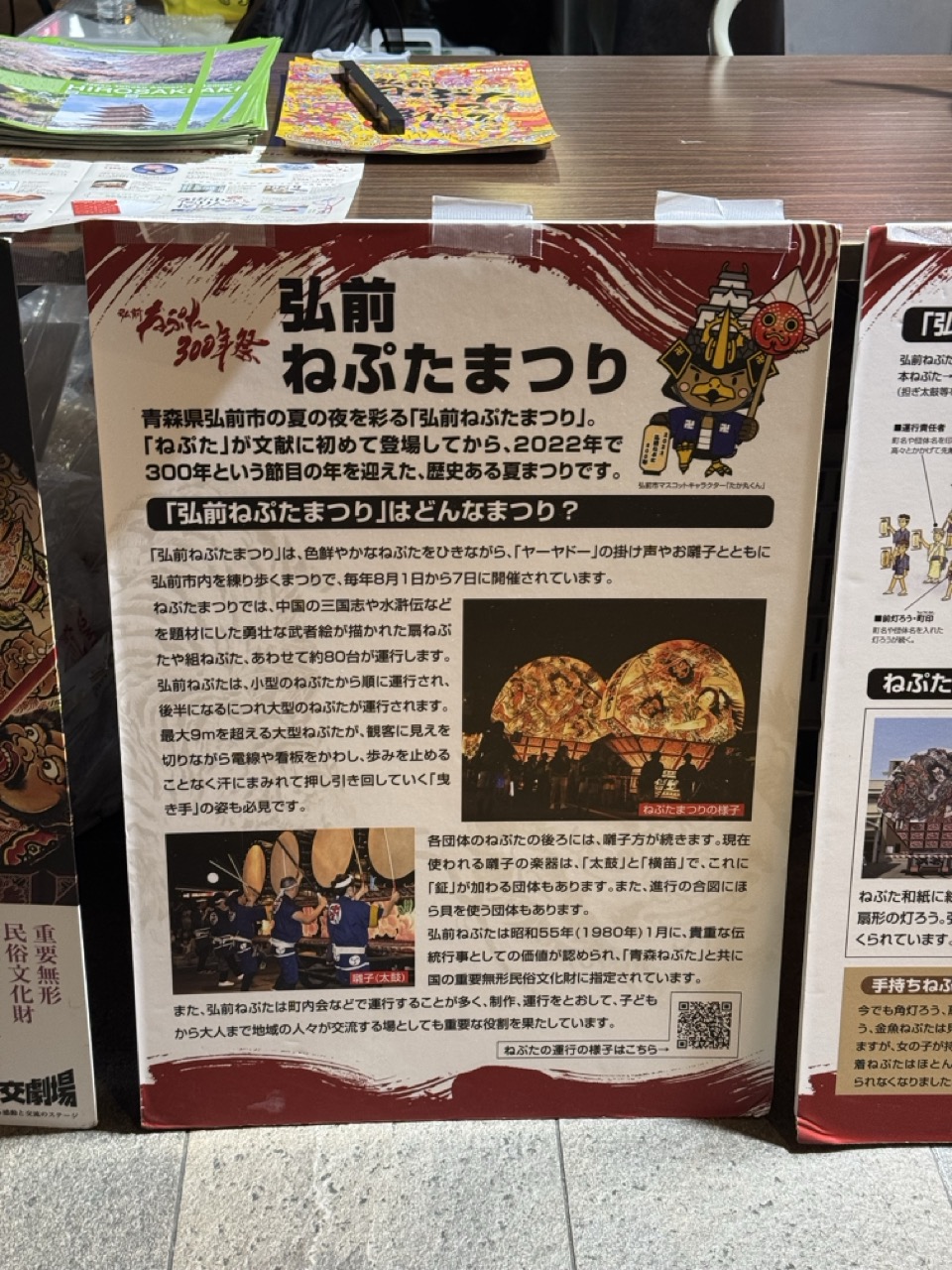
Records trace the festival in Hirosaki back to 1722, and it is believed to have grown out of a custom called nemuri nagashi, in which farming communities symbolically sent away the sleepiness that hit during the busy summer season. The idea was to paint something bright, light it from inside and march it through town with noise, so everyone woke up.
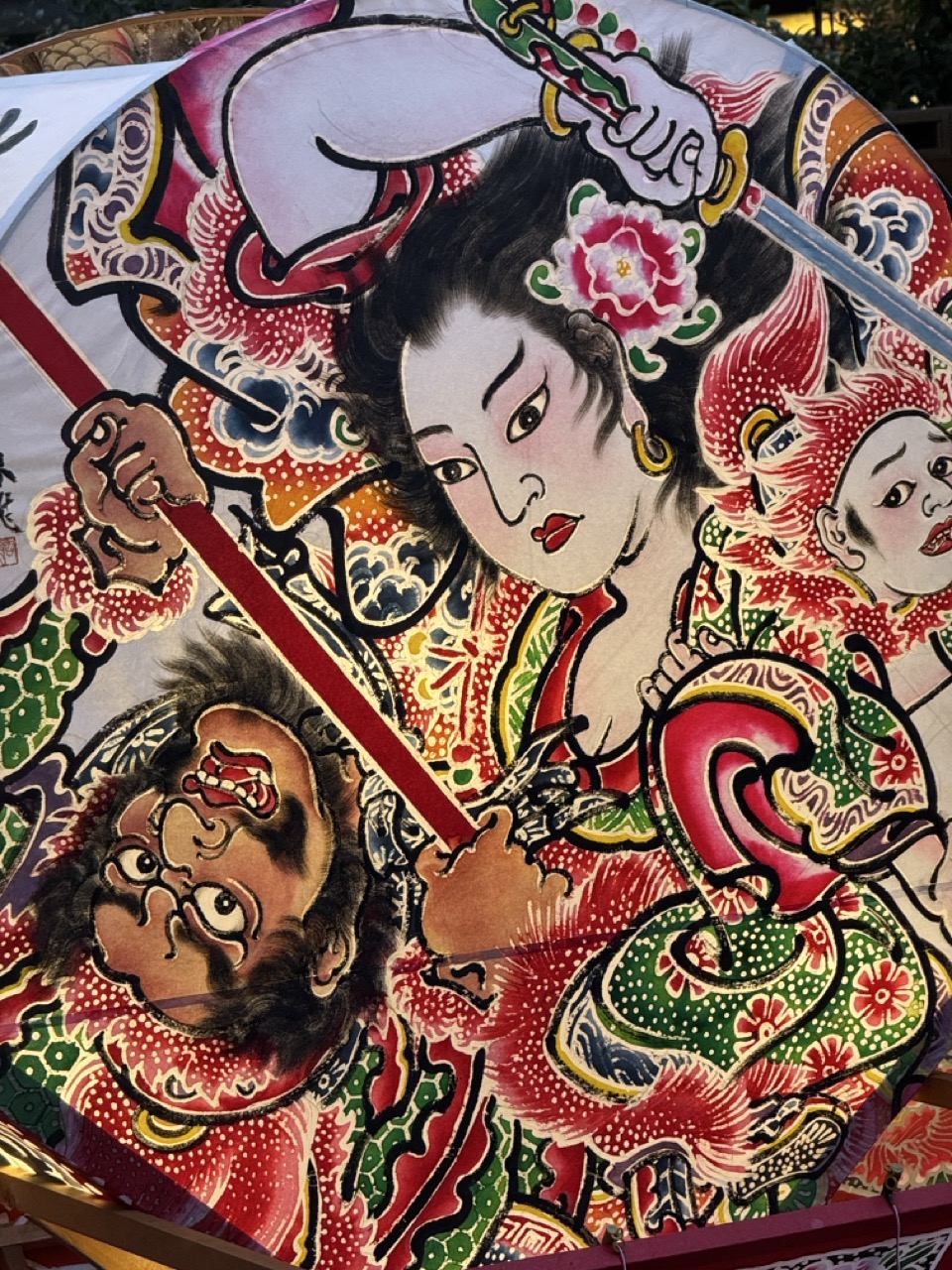
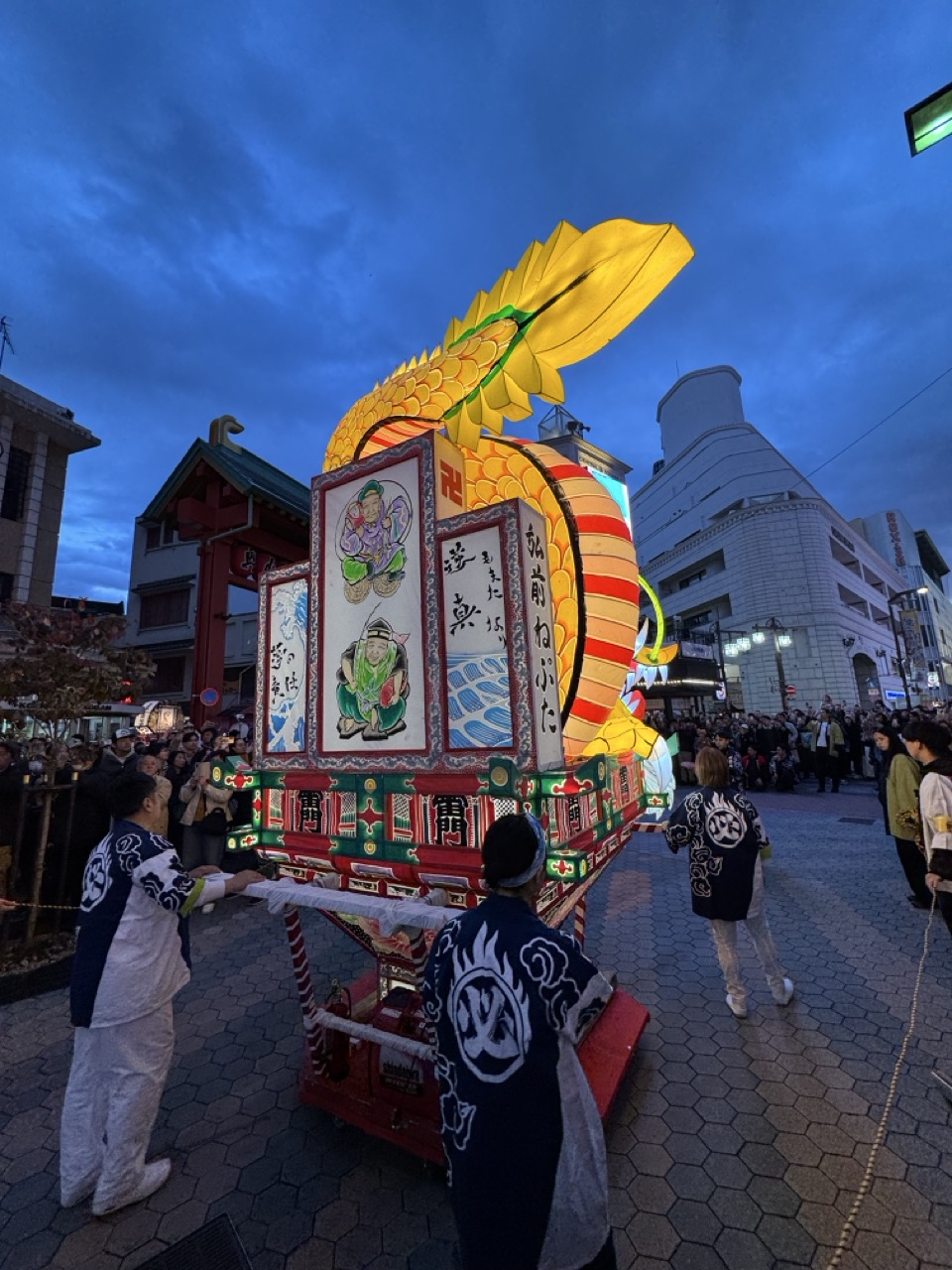
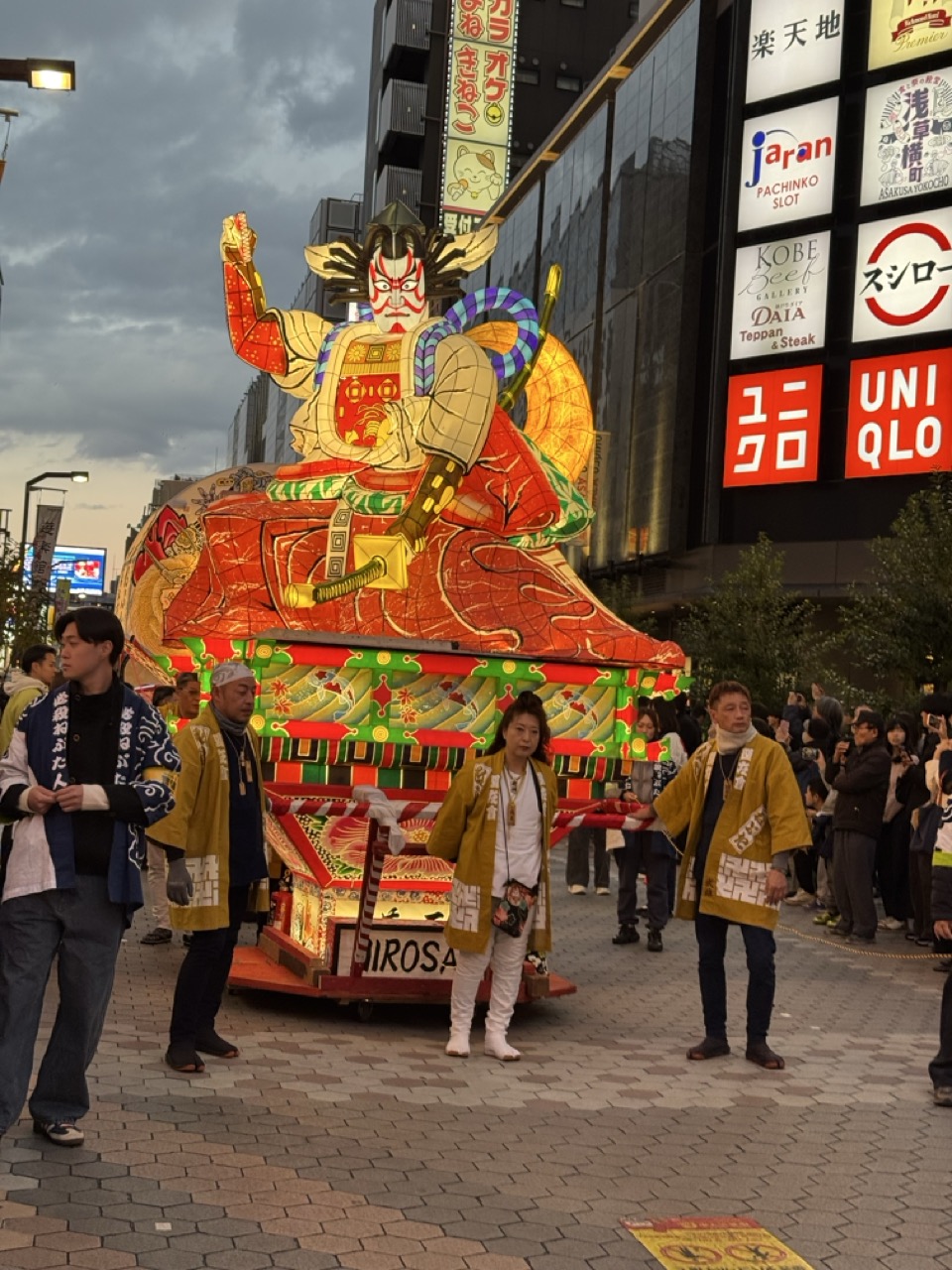
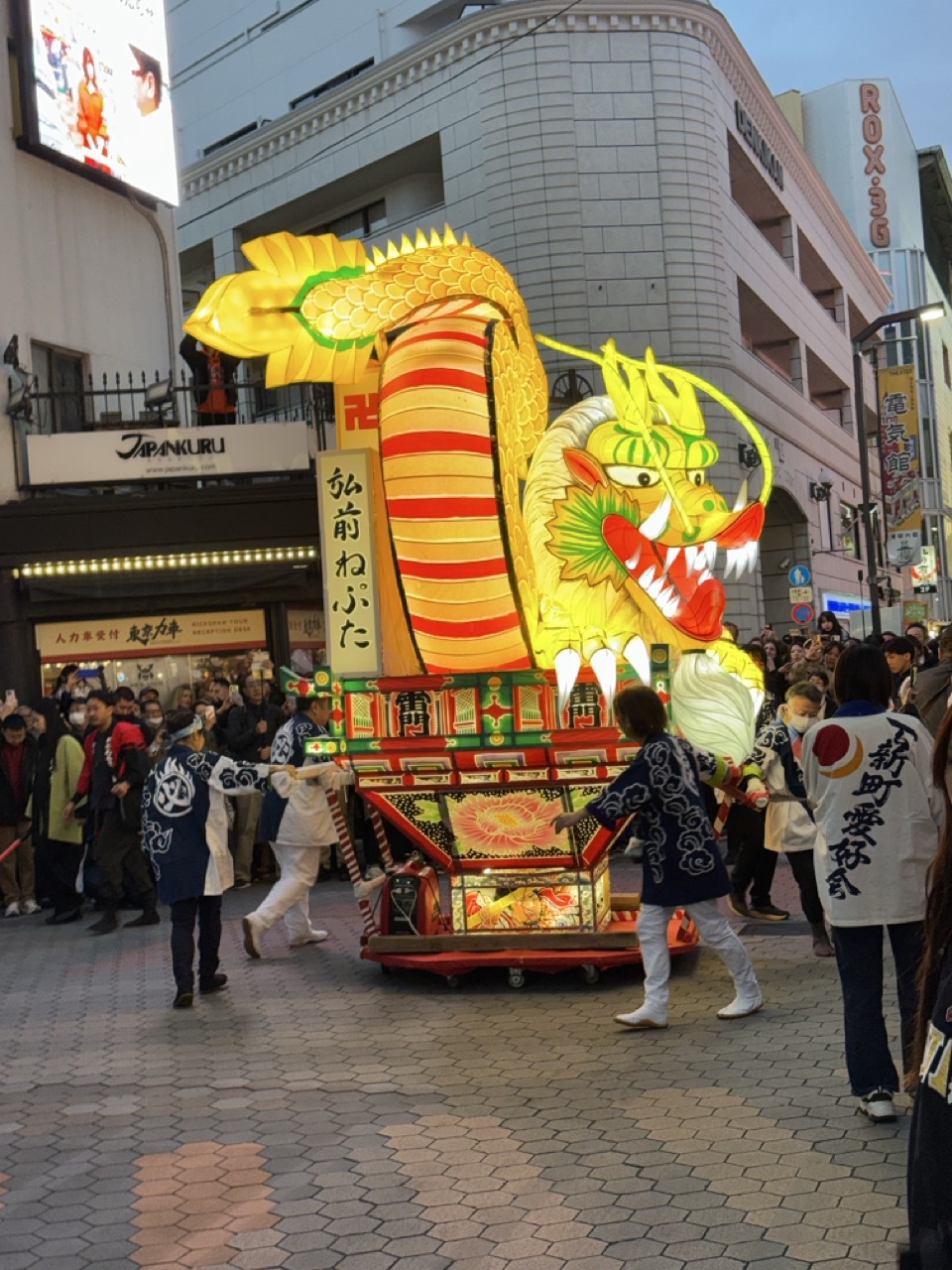
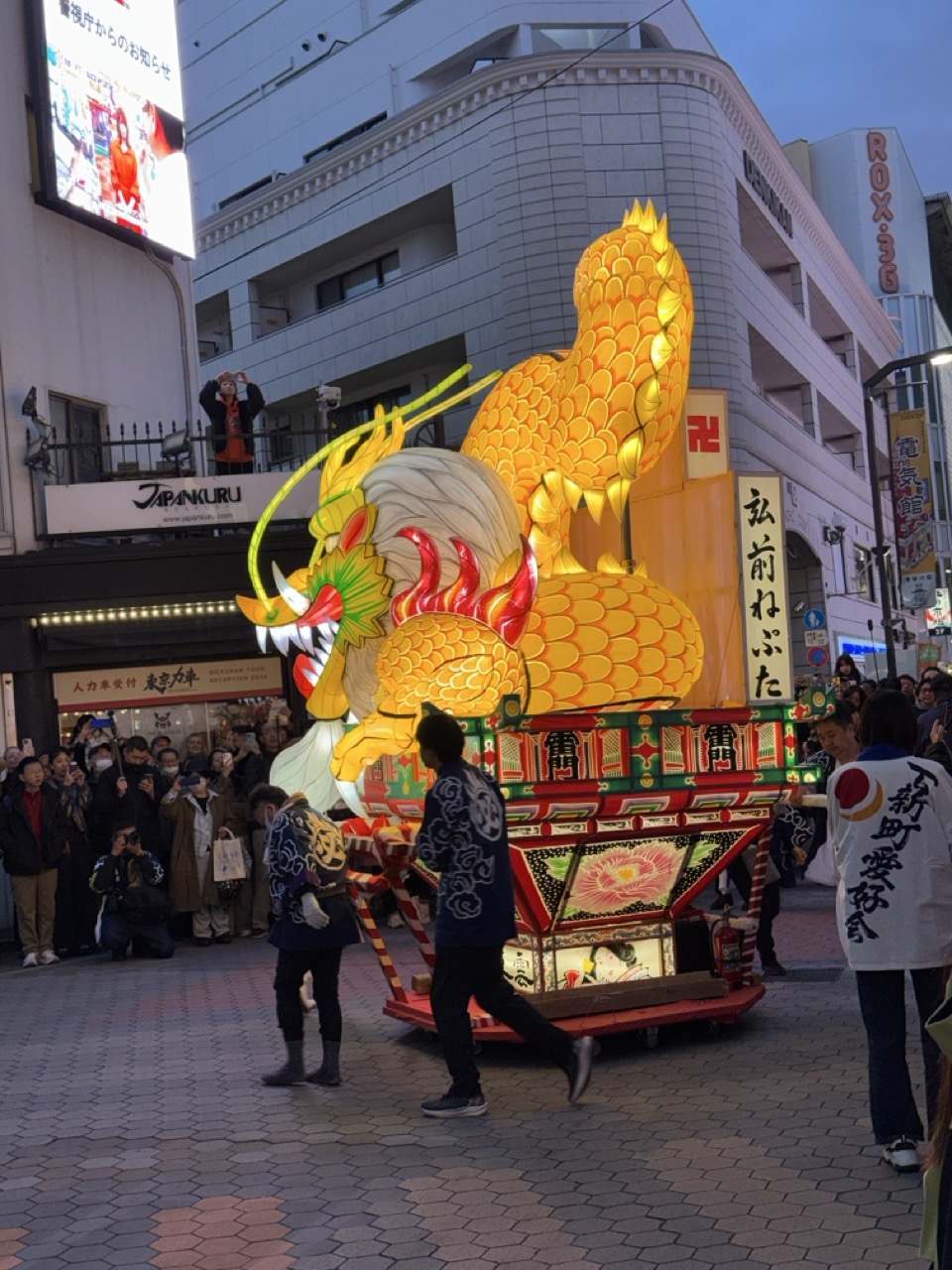
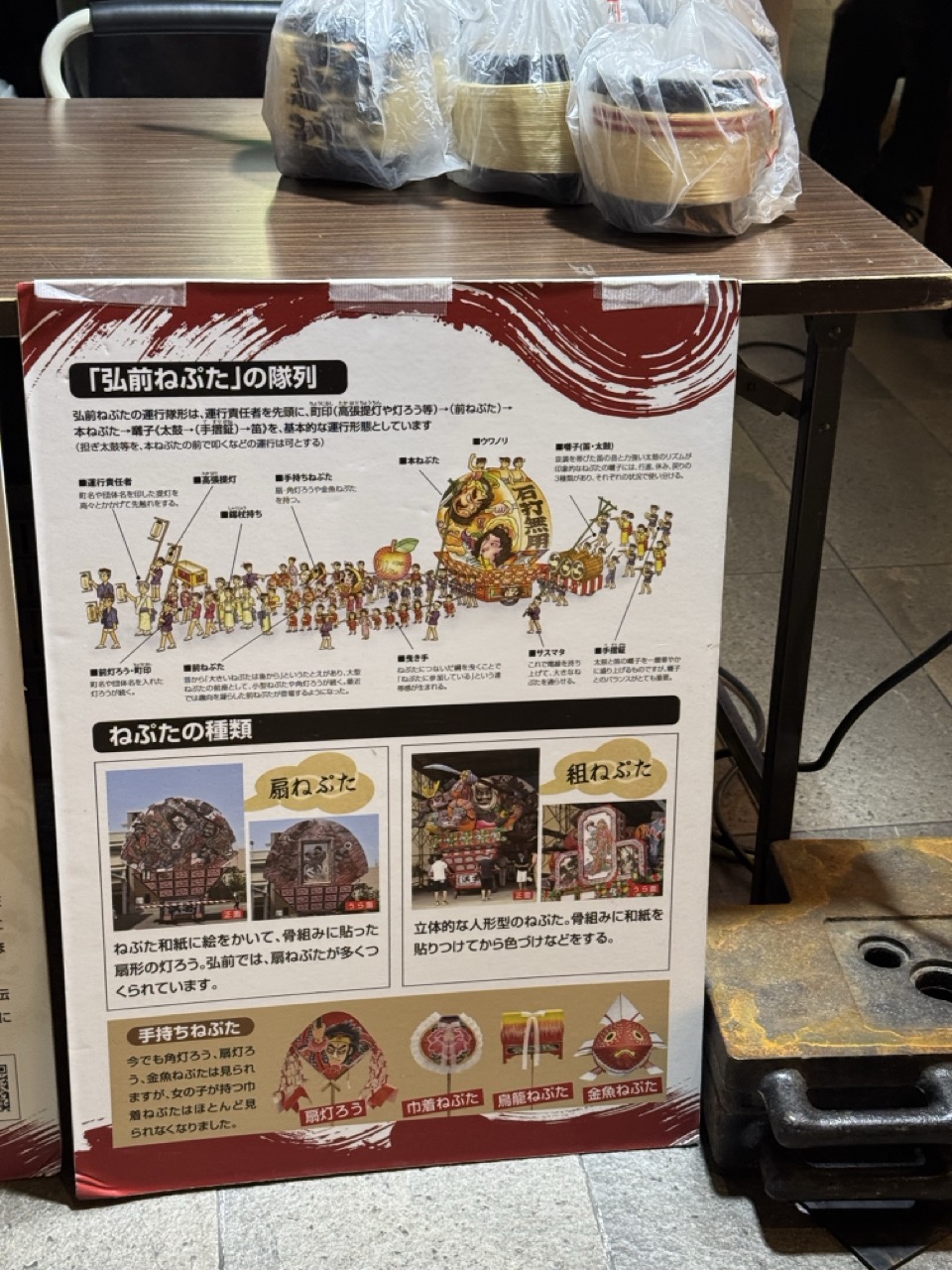
A neputa is not a sculpture. It is a wooden frame covered in paper, painted by hand and lit from within. The floats are built by neighborhood associations, schools and local groups, with warriors, kabuki actors and legendary scenes painted in thick black outlines and strong color. The front usually shows fearsome warriors and the back shows beautiful women, so it is worth walking around a float if you get the chance, not just looking at it from the front.
In Hirosaki itself, the largest floats stand more than nine meters tall and have to be steered around power lines and signs. I would not expect that scale on Asakusa's narrow shopping streets. What I found while planning is that the Asakusa version is a display and parade in a city setting, so think of it as a good introduction rather than the full thing.
The Parade Route and Timing
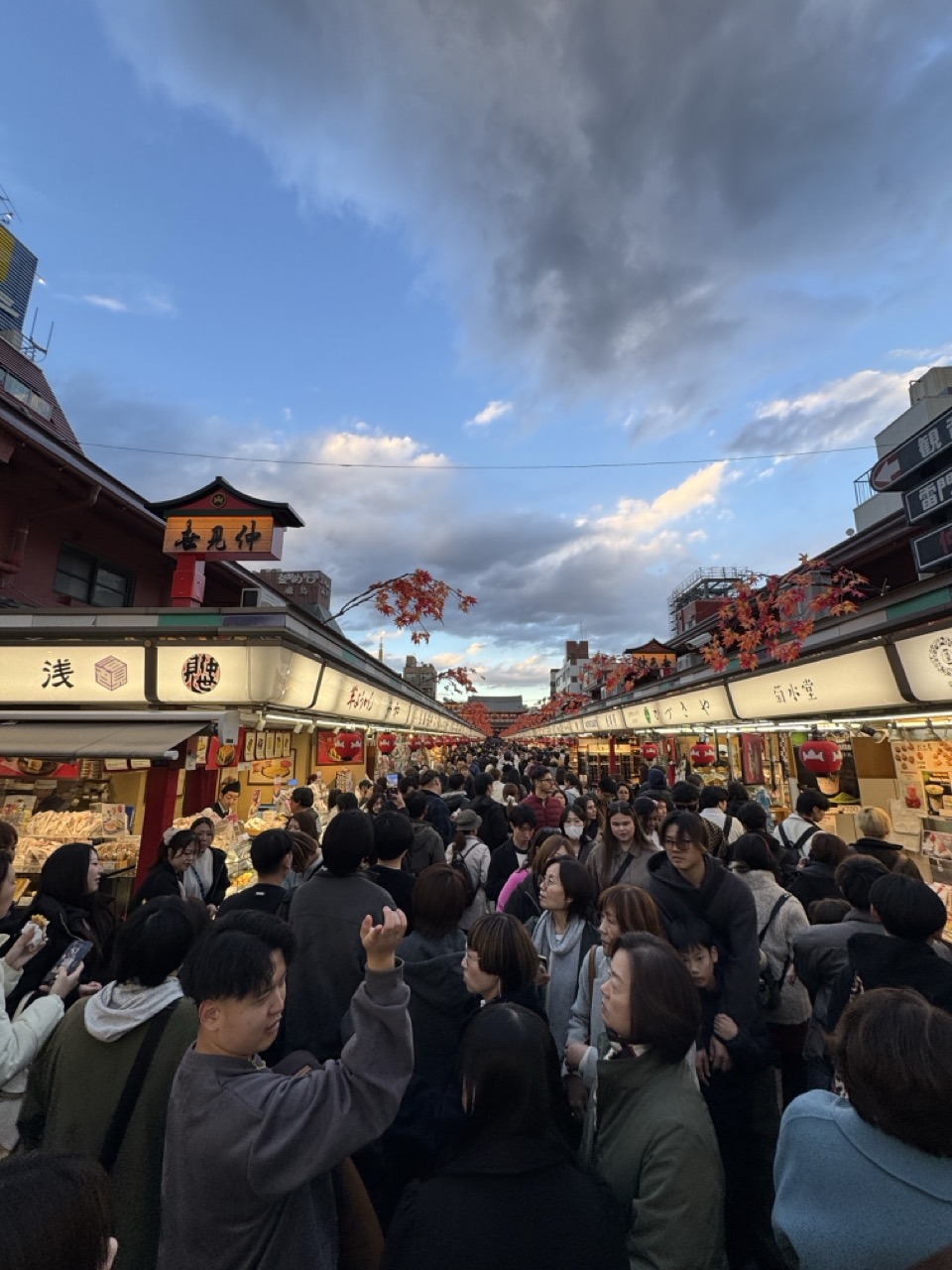
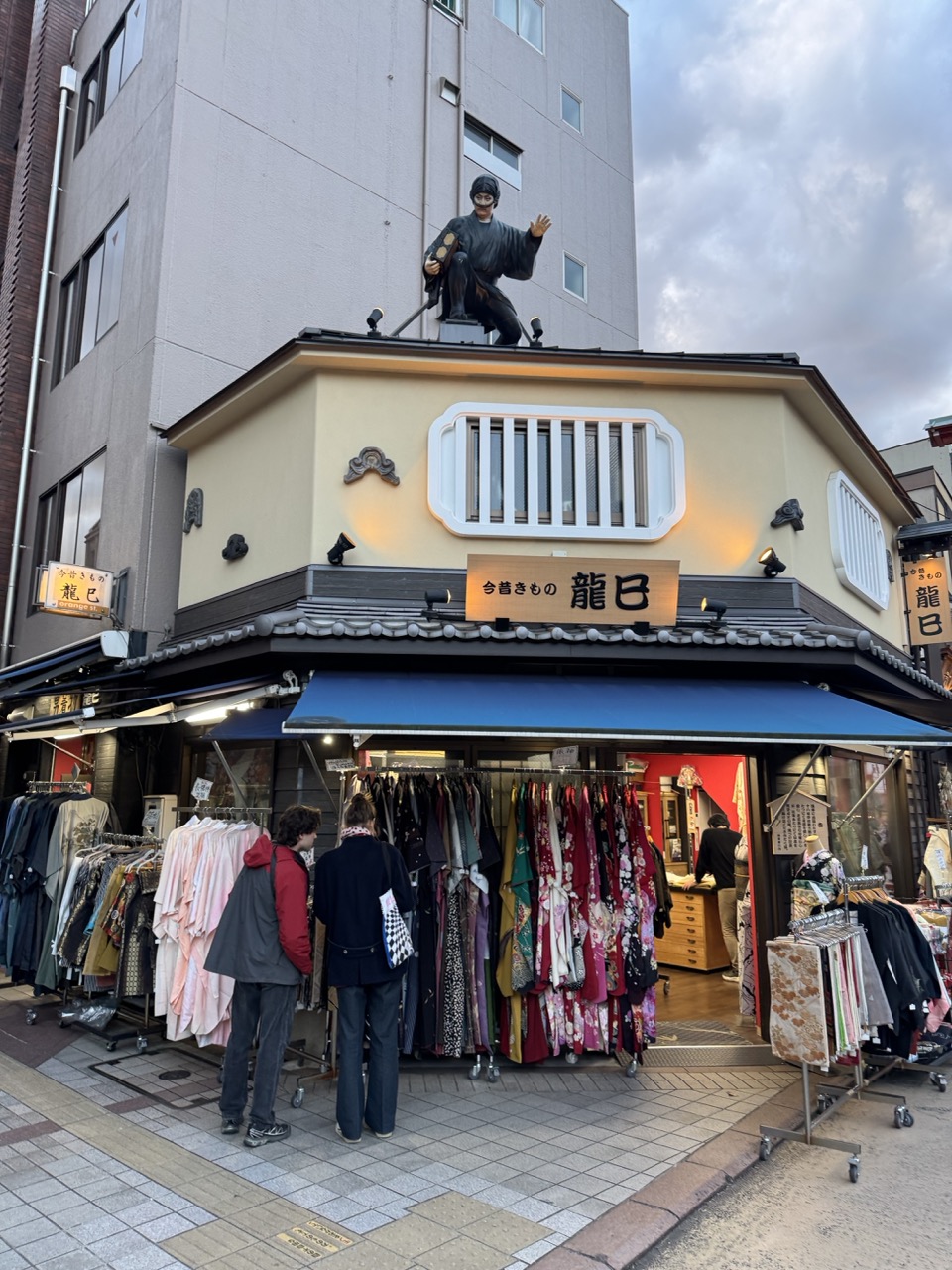
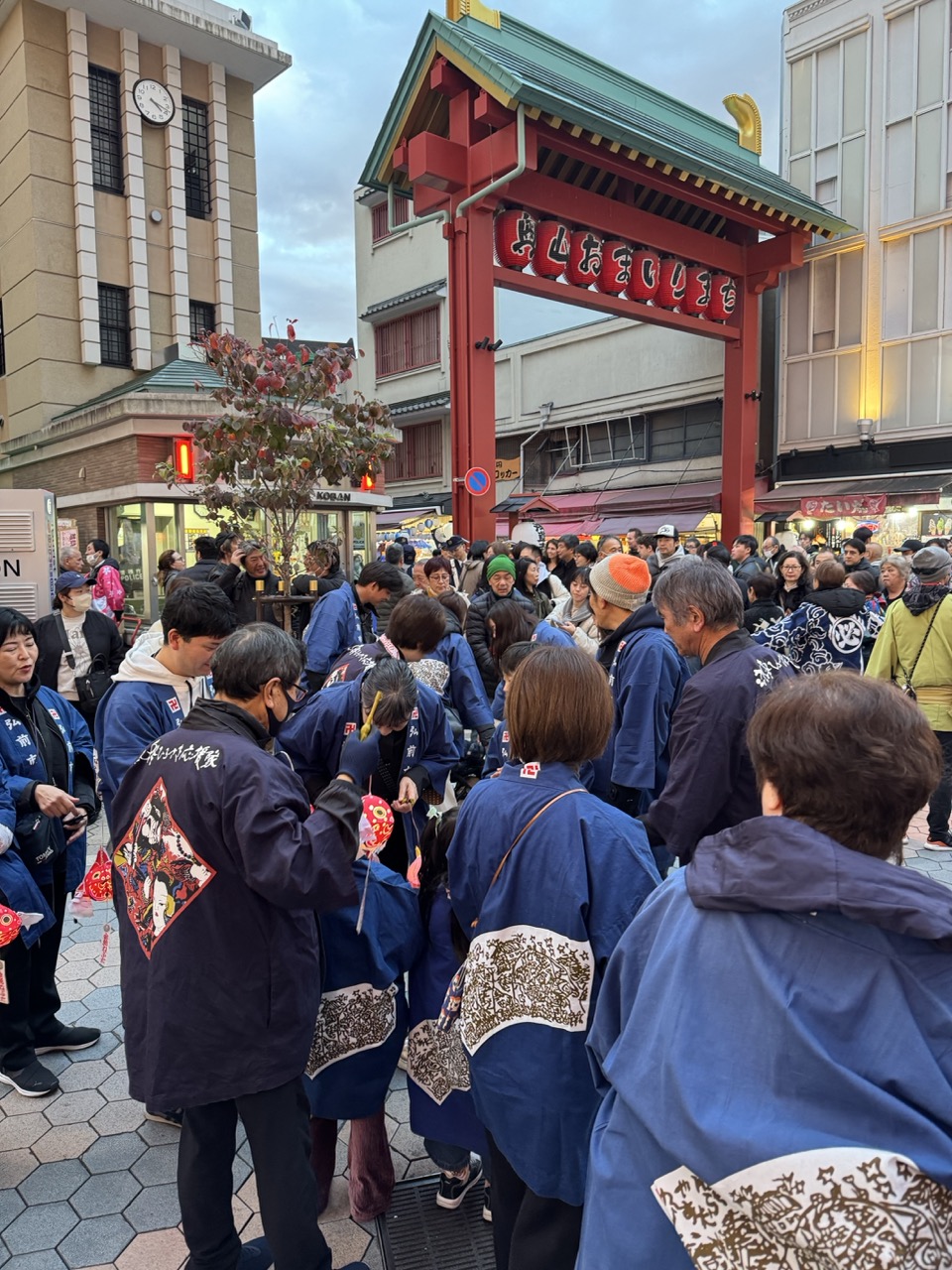
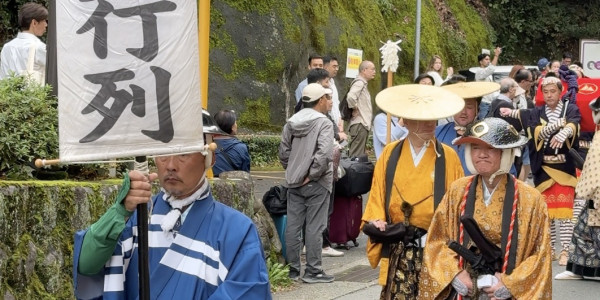
The main parade is the part I would organize the evening around. The main parade starts at 4:30 p.m. on both days, when the lit floats are hauled through the shopping streets around Sensoji to shouts of "ya ya do". The route takes in Hisago dori, Rokku Broadway, Shin Nakamise and Orange dori, reaches Kaminarimon at around 6 p.m., heads up Nakamise and ends back at the Rokku police box at about 6:25 p.m.
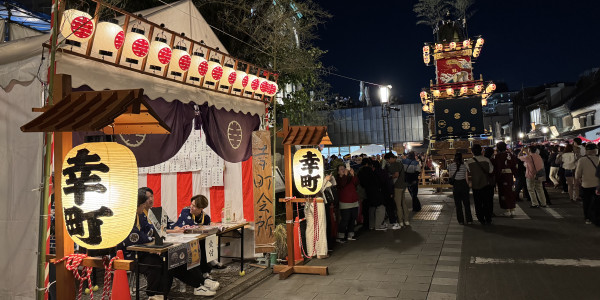
In late November it gets dark early, so a 4:30 p.m. start means the floats begin moving right at dusk, which is when the lantern effect works best. That timing is the whole appeal for me. A daytime neputa is a painted paper fan. An evening neputa glows.
There was also a shorter option. A mini parade leaves at 1:30 p.m. from the Rokku police box, loops around the west side of Sensoji and is back in about 25 minutes. It is a good fit if you have small children or want a first look in daylight, but it is not the same experience as the dusk run.
The Shout You Will Hear
The sound that carries over the flutes and drums is the chant. Aomori's dancers shout "Rasse ra" as they jump, while Hirosaki's call is the quieter Ya ya do, delivered in a steady, pulled out rhythm that fits people hauling a float more than people dancing around one. One Aomori prefectural history Q and A says that an older call meant let bad things flow away, and that the festival calls changed a lot over time, so nobody can say for certain where Ya ya do comes from.
In Hirosaki in August, the floats are hauled through town to that call after dark, and the Asakusa group carries the habit into Tokyo. When the main parade comes through, stand near the flute and drum group behind each float, since the shout comes from the people pulling and walking beside it. It is the part of the evening you can feel more than watch. Because I only know this from reading, I cannot tell you how loud it gets on Asakusa's narrow streets.
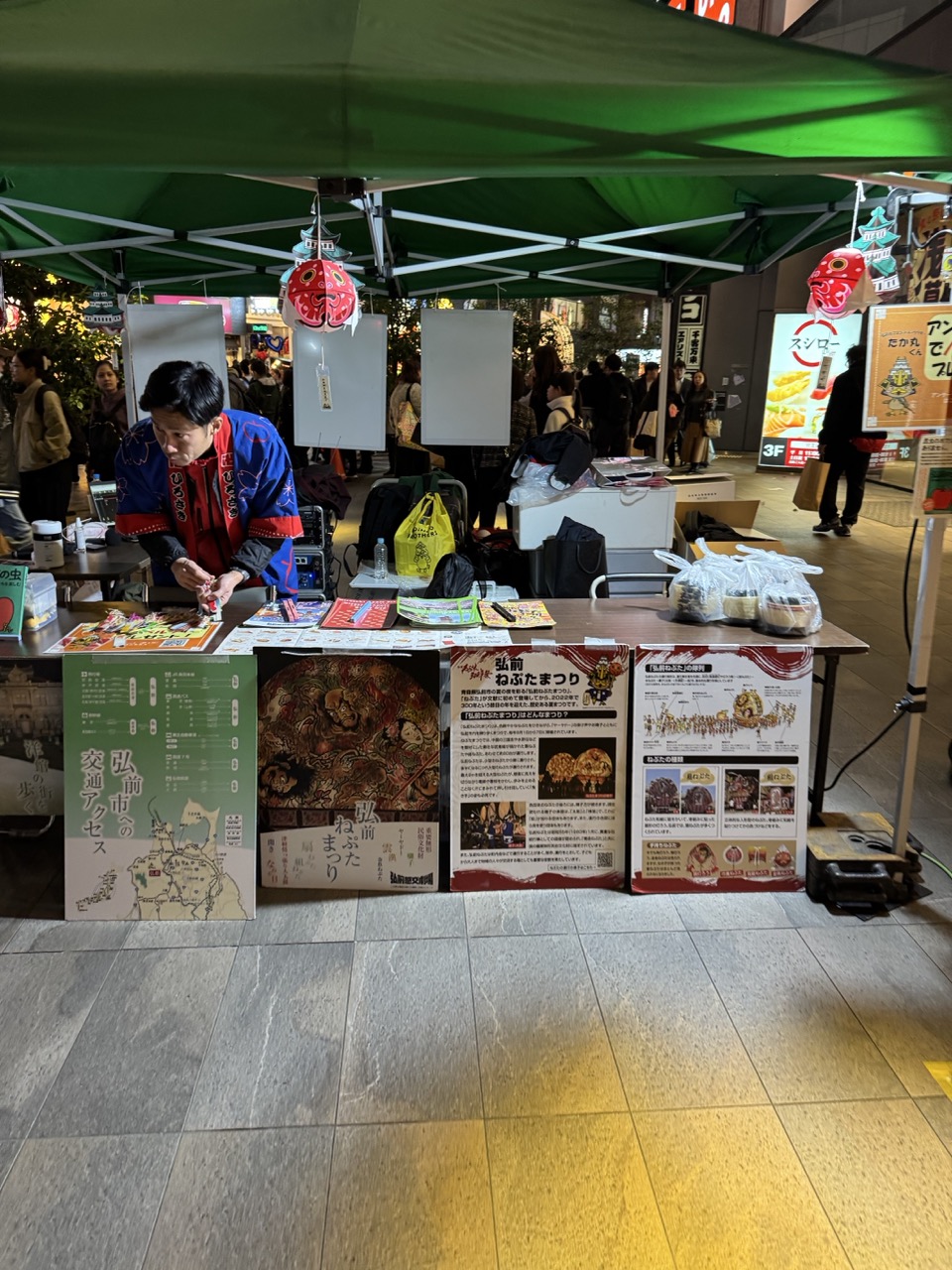
The Hirosaki Market by Marugoto Nippon
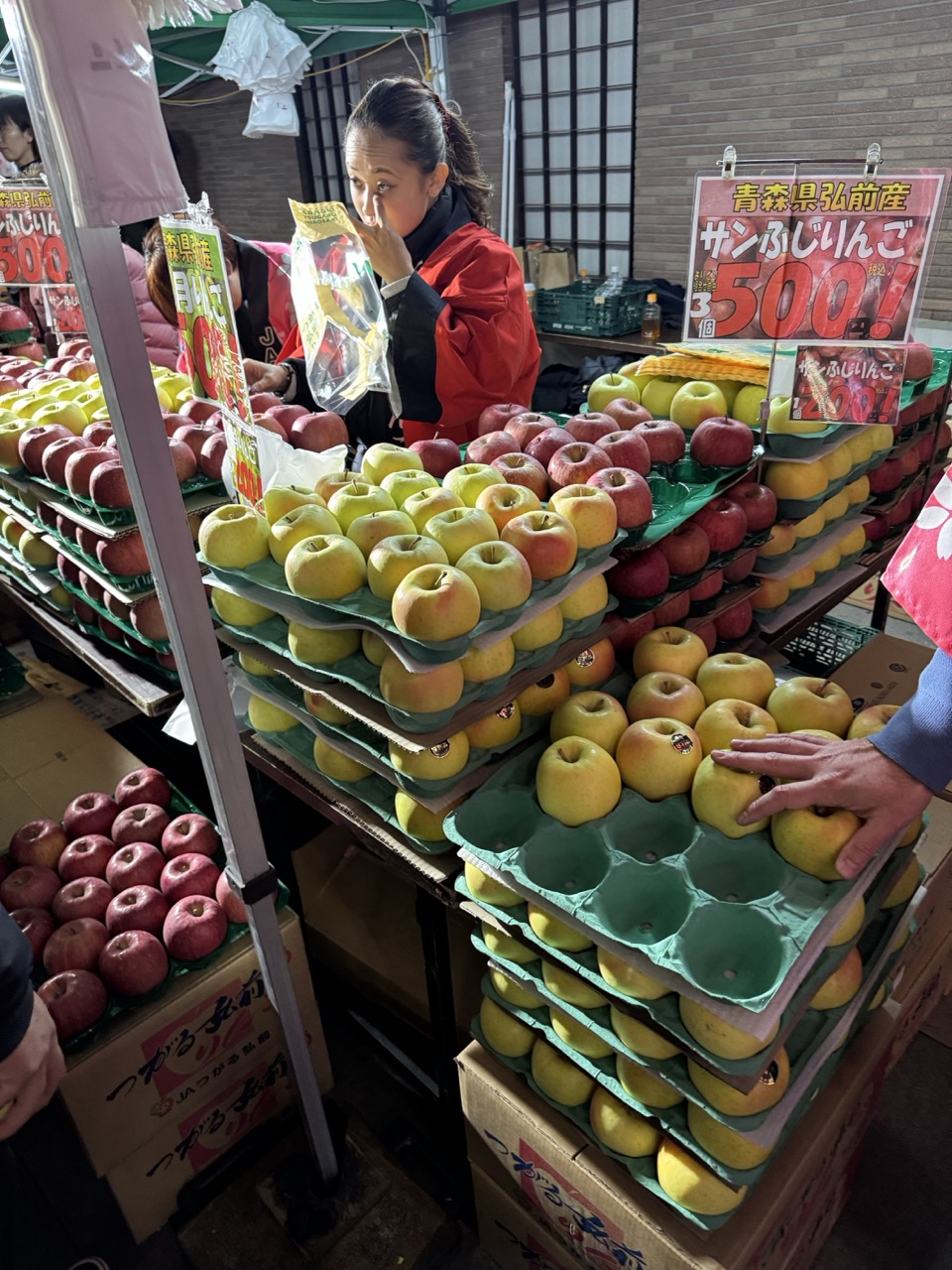
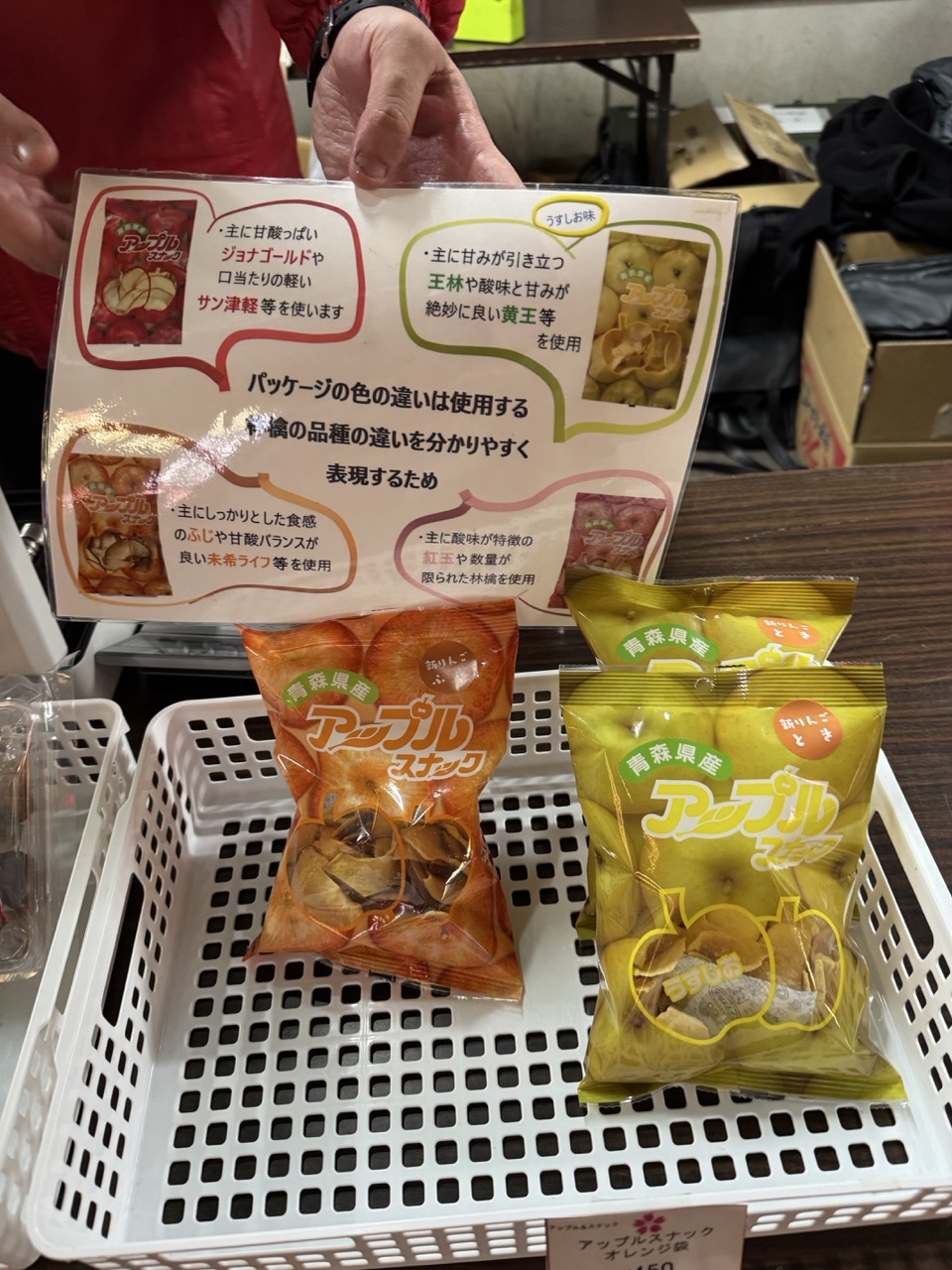
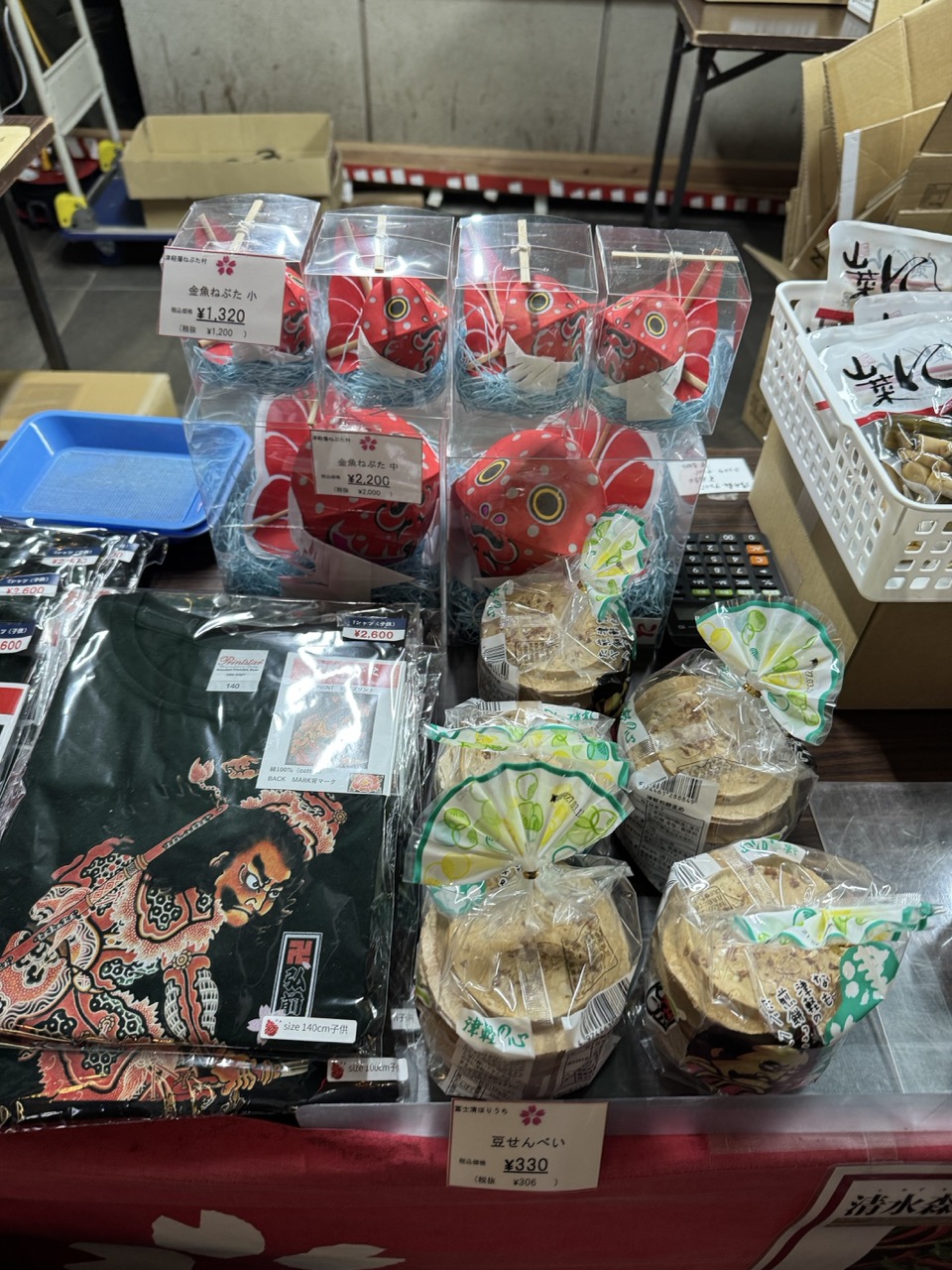
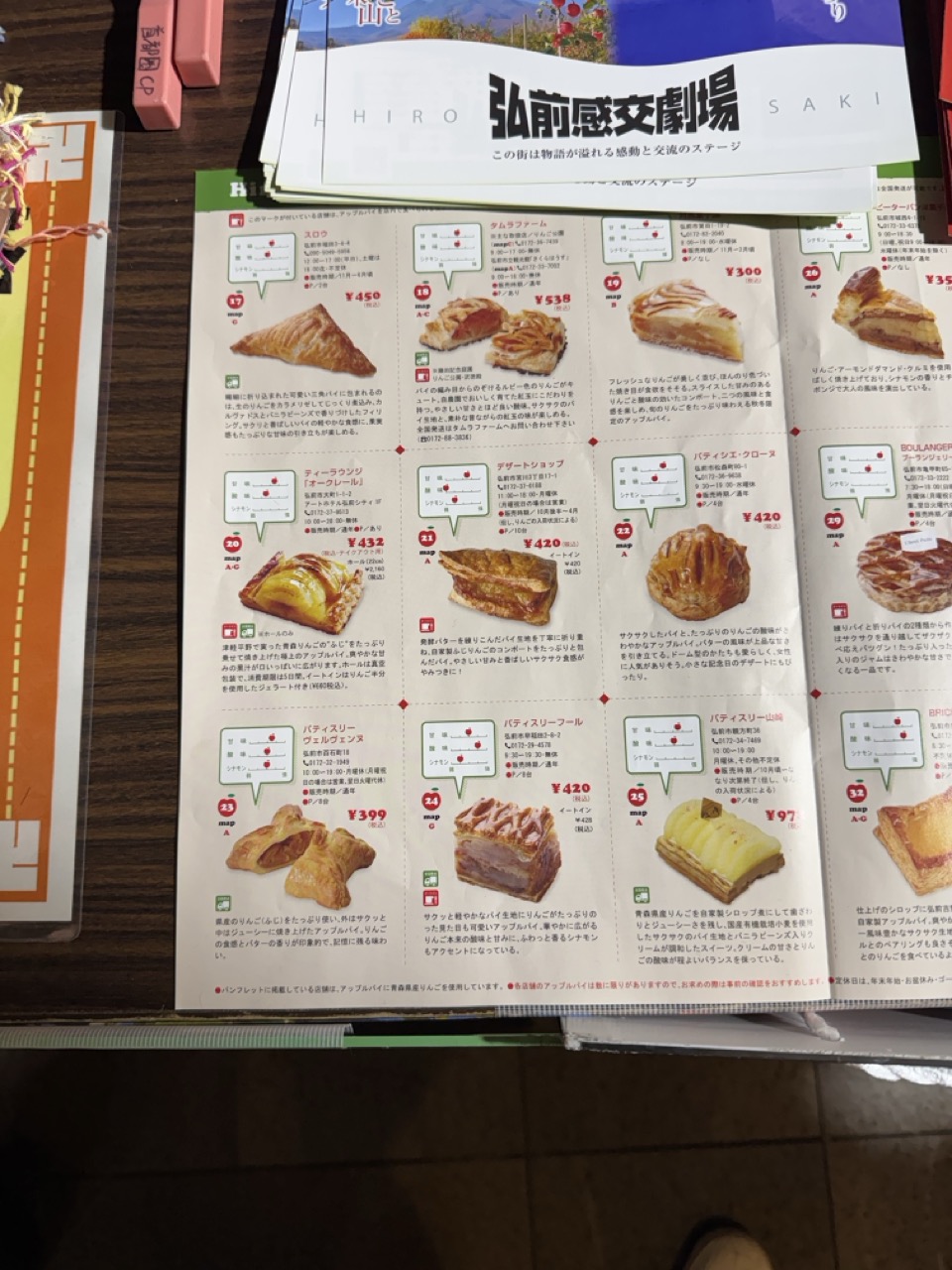
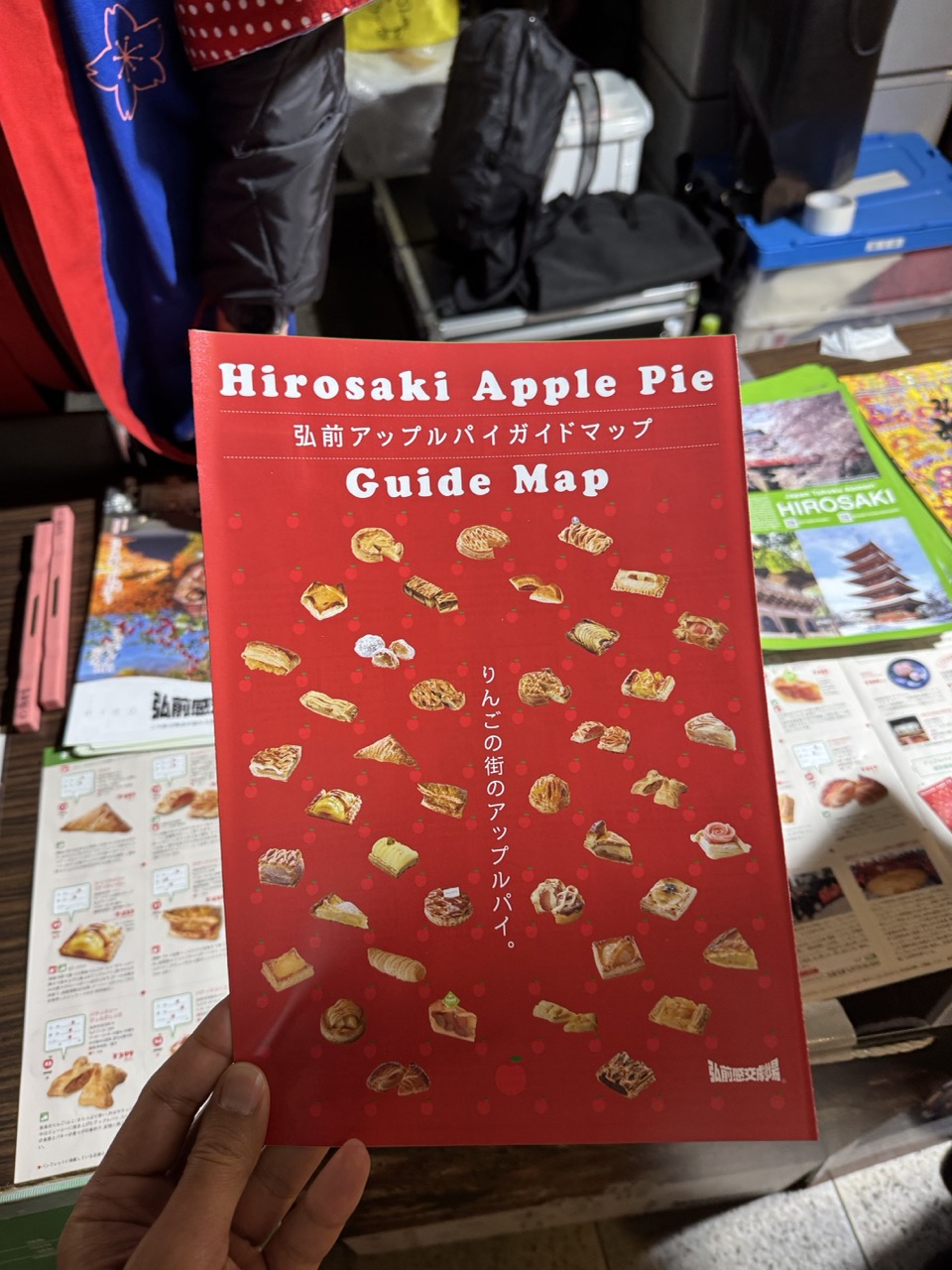
The second half of my plan was the Neputa market on the plaza in front of Marugoto Nippon. According to Hirosaki city's press release, the market runs from 11 a.m. to 7 p.m. all three days, selling Hirosaki sweets and fresh apples. That matches my own note that it is open until 19:00, with the Hirosaki apples and sweets as the main draw.
There is one thing to be careful about. The 2026 organizers still describe the venue as the plaza in front of Marugoto Nippon. The city's release places the market on the west plaza of the Tokyo Rakutenchi Building, which is about a three minute walk from Tsukuba Express Asakusa and roughly nine minutes from the Tobu, Tokyo Metro and Toei stations. Cash is the safe choice for market stalls.
A Plan for One Evening
This is the sequence I sketched, and I would repeat it with small adjustments next year:
Arrive in Asakusa by about 4 p.m. so you can find a spot near the route before the 4:30 start.
Watch the floats come through the shopping streets as it gets dark, with the flutes and drums following each one.
Walk to the market plaza from around 5:30 p.m. and buy apples or sweets before the 7 p.m. close.
Have dinner in Asakusa once the crowds thin out.
Take the Asakusa Line toward home.
If the Asakusa version interests you, the real thing is worth planning for. Hirosaki holds its festival every August from the 1st to the 7th, with evening parades starting at 7 p.m. for most nights and a daytime parade on the last day. About 80 floats take part, which is the largest number among the Aomori area festivals. One detail I liked reading about is that the floats spin around at wide intersections. Reserved seats in Hirosaki cost around 3,000 yen in 2026.