Preston Lau: A Journey Through Memories, Tech, and Humanity
Welcome to my personal blog that delves into the intricate tapestry of personal albums and the fascinating intersection of ever-evolving technology and humanity. Come along on a journey with me as we delve into the seamless fusion of creativity, state-of-the-art AI and robotics, intricately interwoven within the tapestry of our shared awareness. Have fun!
Chasing the Golden Dragon: Senso-ji's Autumn Legend Comes Alive in Asakusa
AI Summary
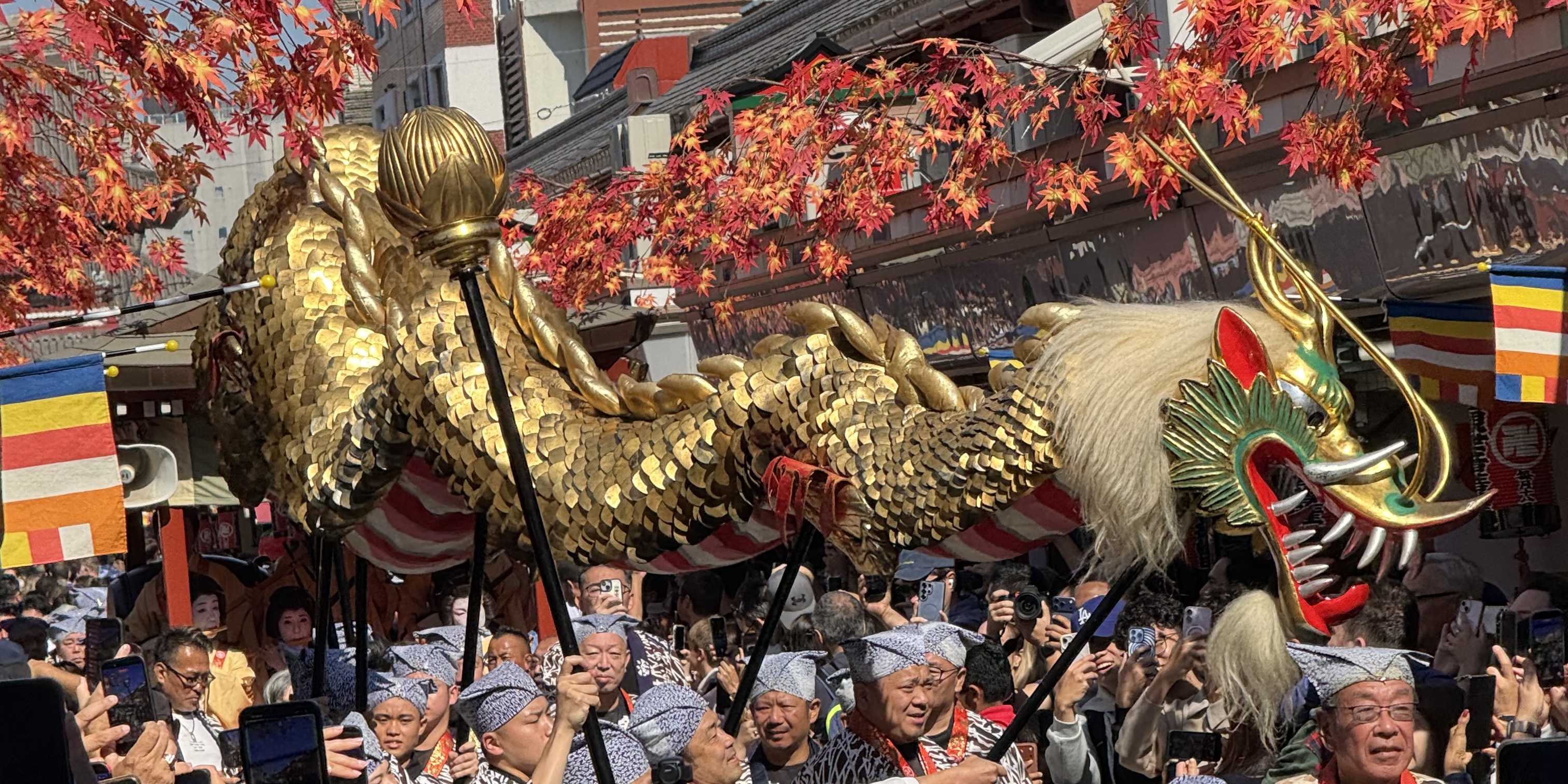
Senso-ji Temple's Golden Dragon Dance (Kinryu no Mai) brings Tokyo’s oldest Buddhist legend to life through a dynamic procession performed by over 70 local community volunteers. Originating in 1958 to celebrate the post-WWII rebuilding of the temple's Showa Hall, the tradition honors the 7th-century legend of a 30-meter golden dragon descending from heaven when a sacred statue of Kannon was pulled from the Sumida River—a event that gave Senso-ji its formal mountain name, Kinryuzan. Today, eight men manipulate the massive 18-meter, 88-kilogram golden dragon as it dances to traditional hayashi music alongside a lotus flower bearer, circling the grounds from Kaminarimon to the main hall to protect the deity and bring good fortune to onlookers.
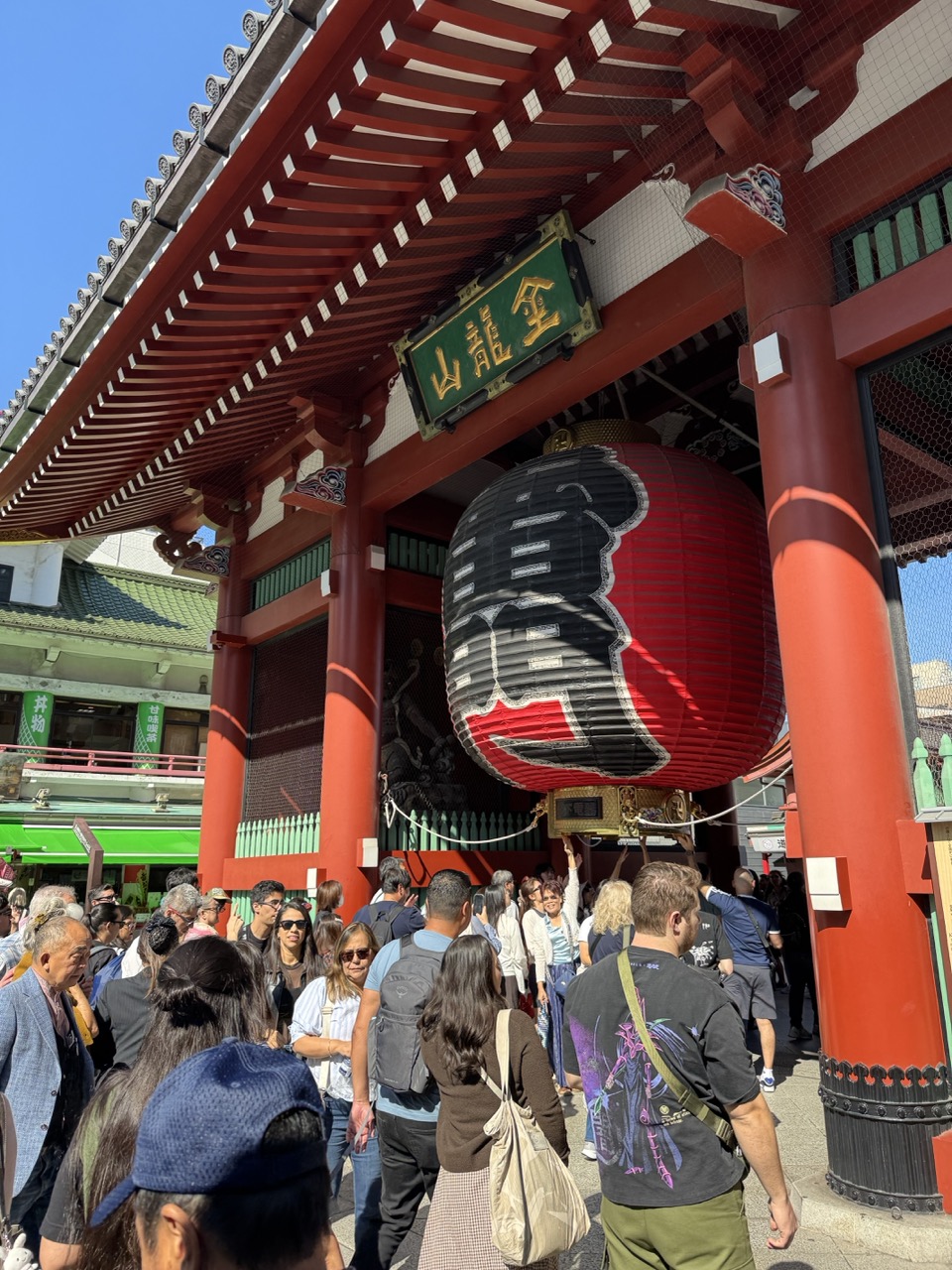
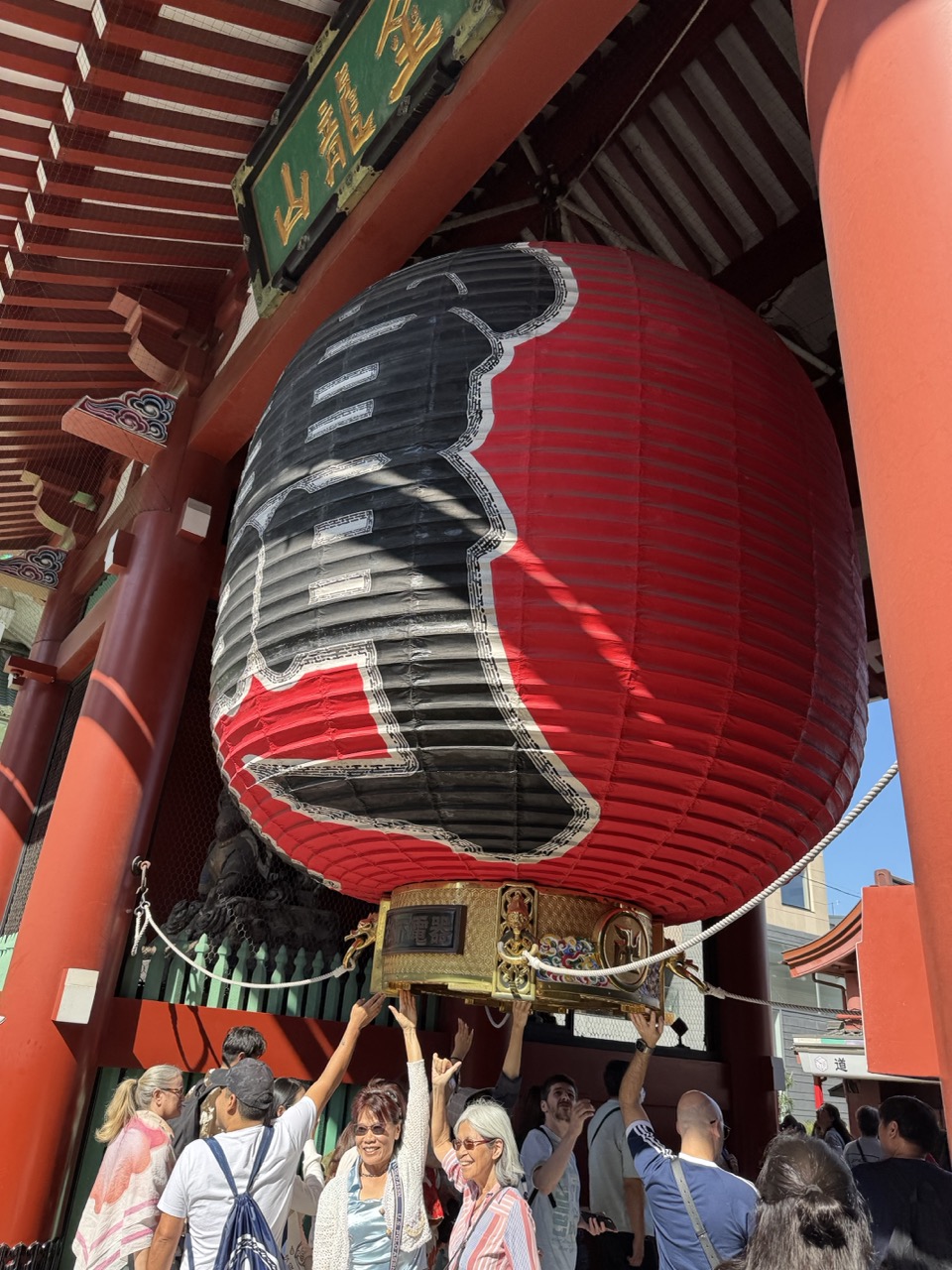
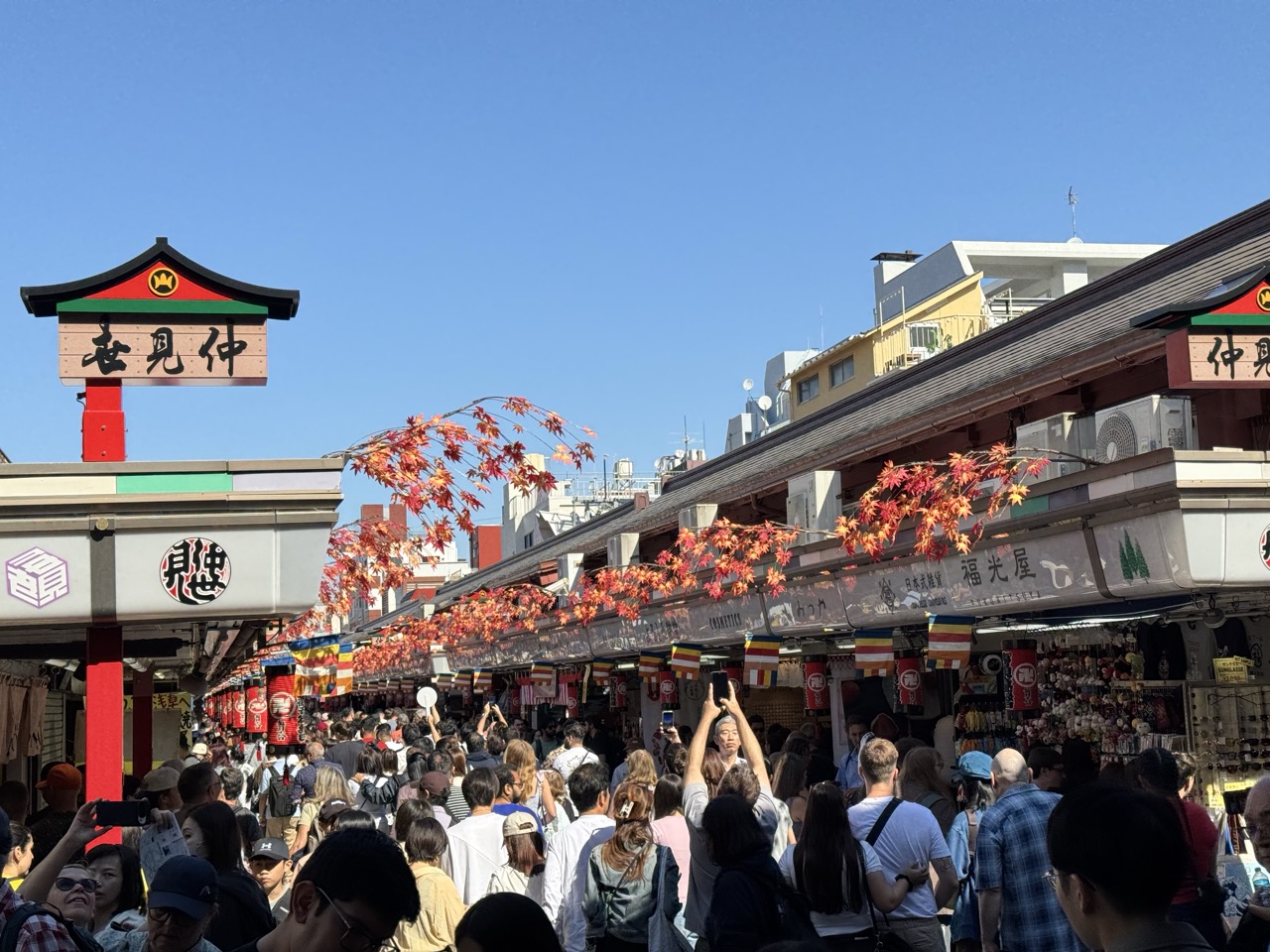
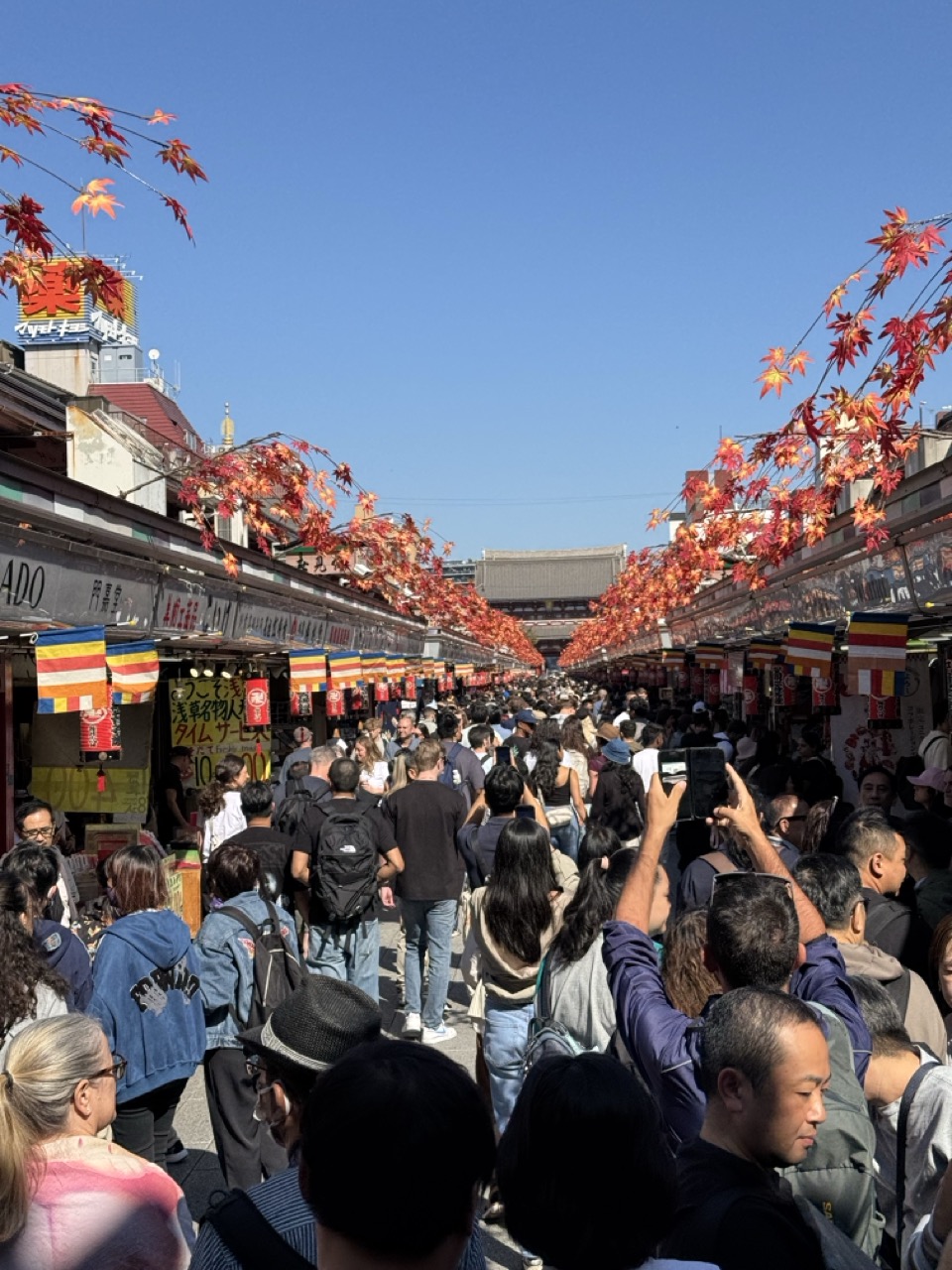
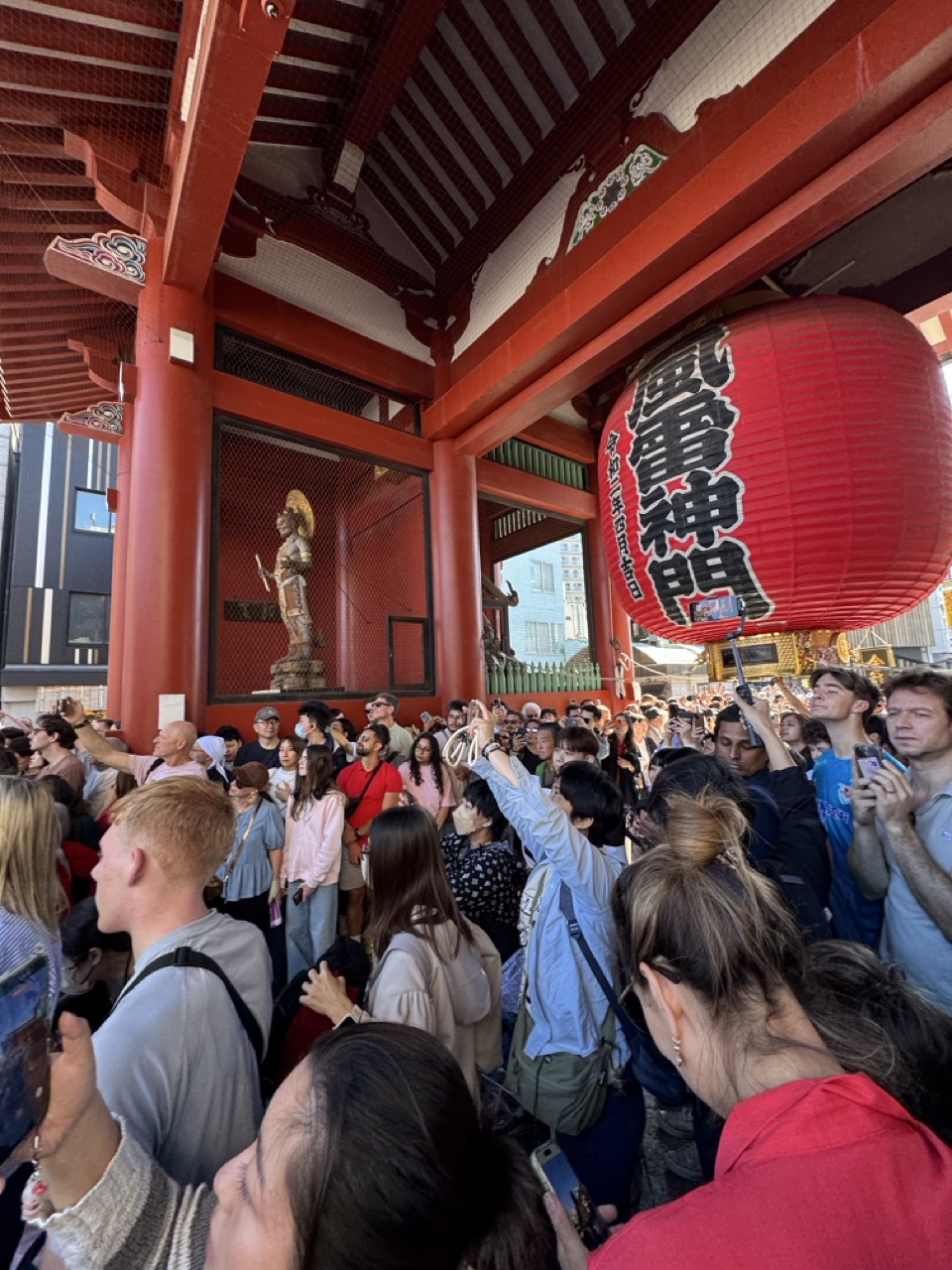
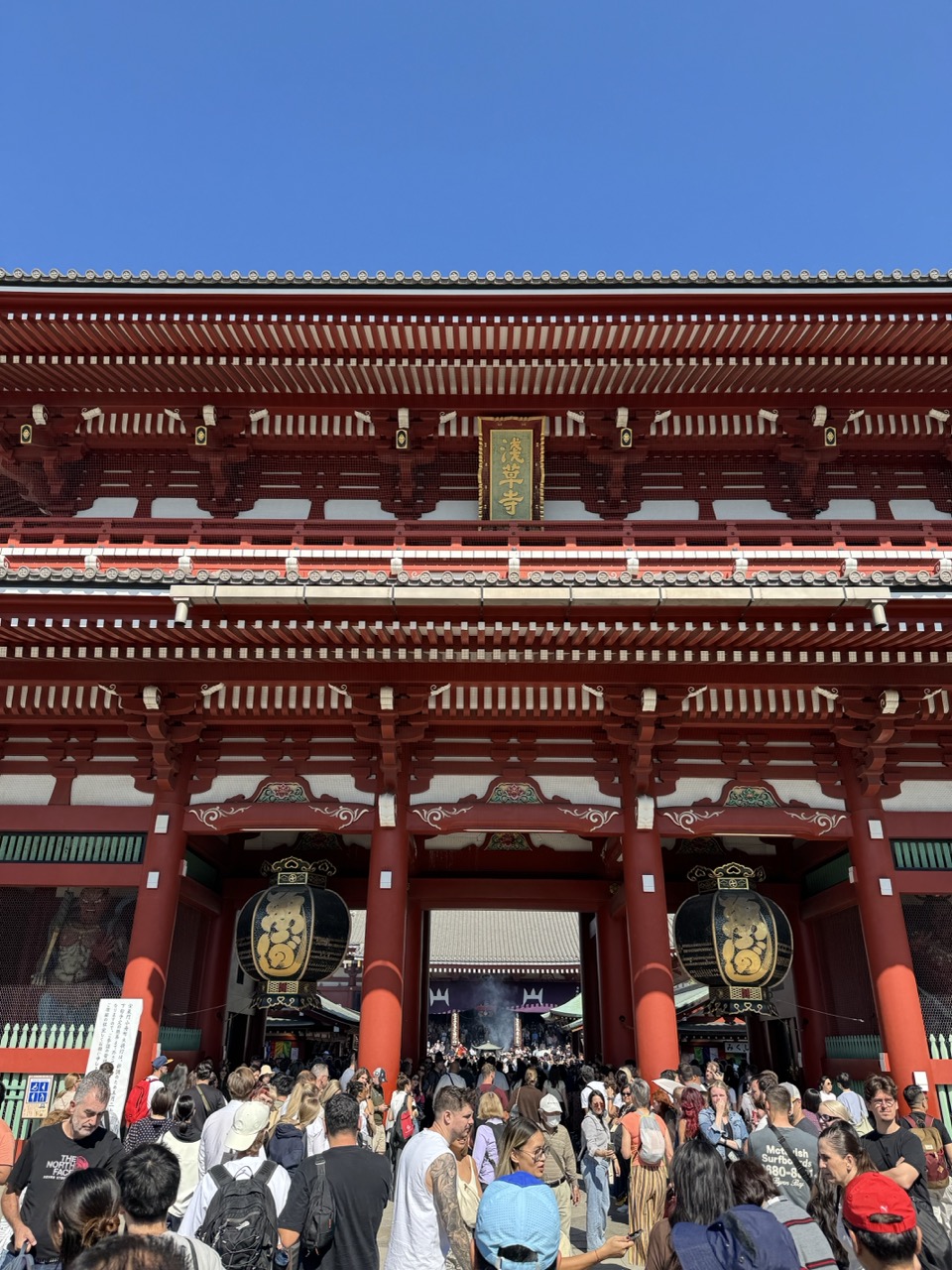
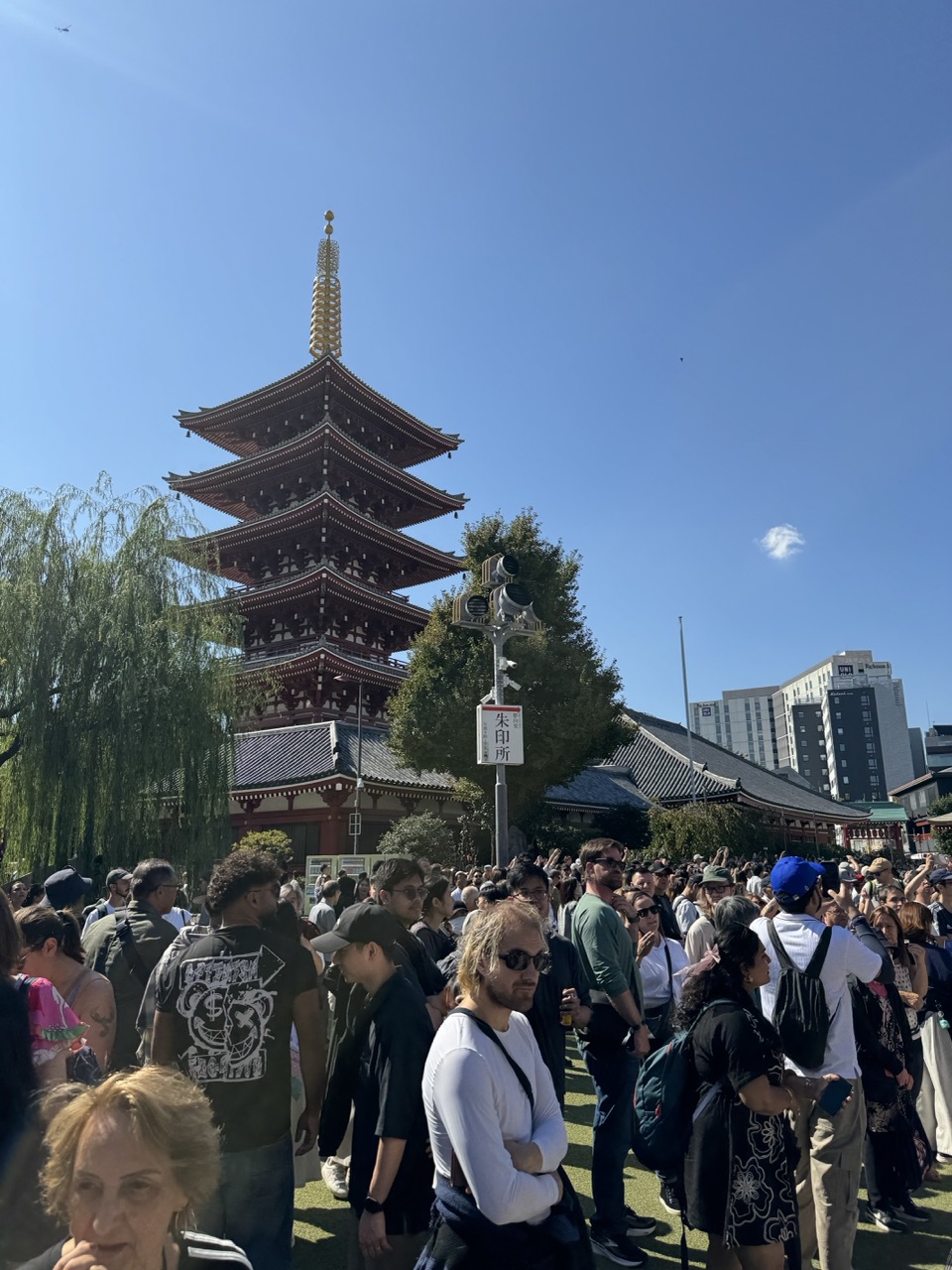
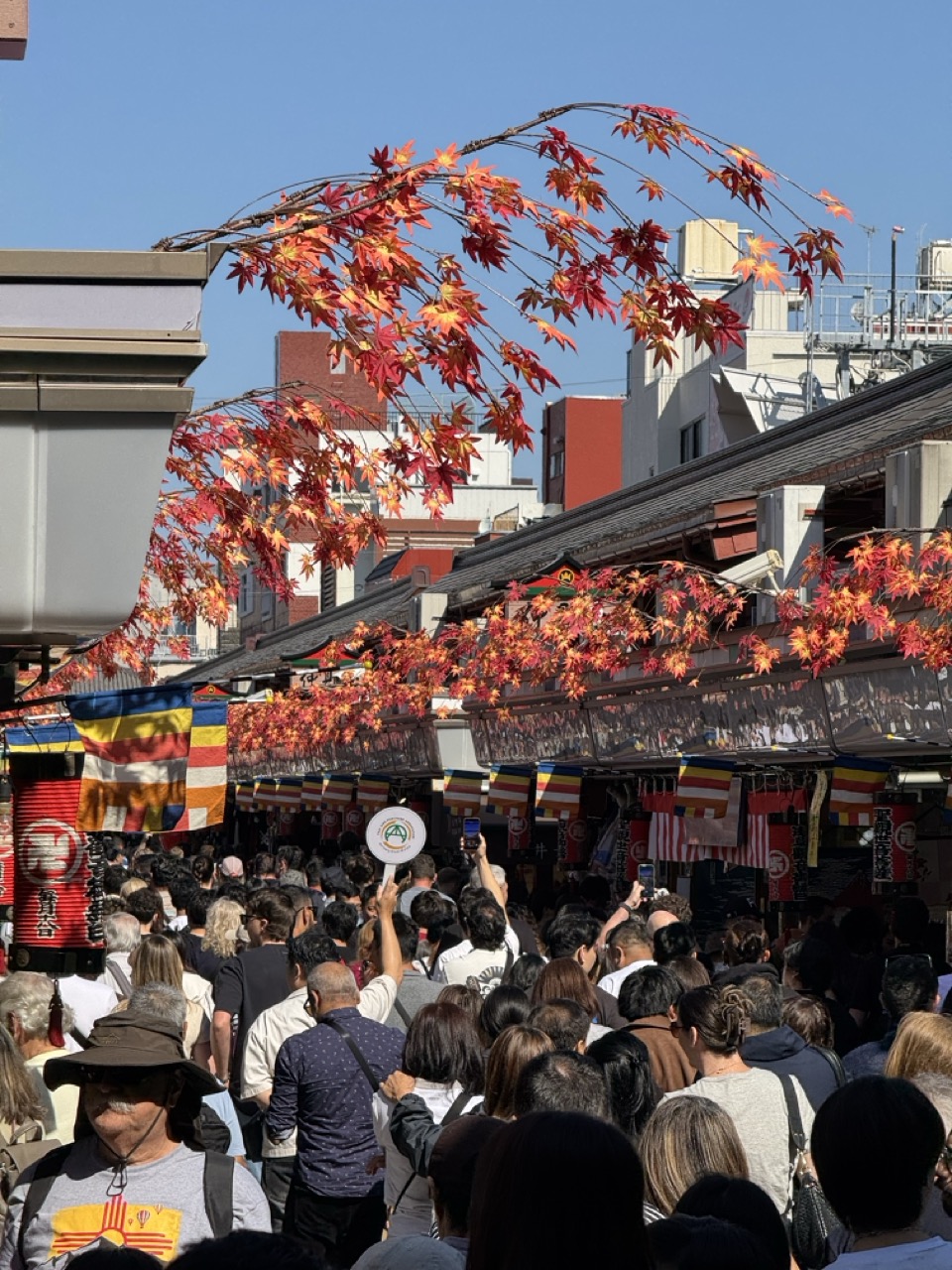
Most visitors reach Senso-ji the usual way, through the giant red lantern of Kaminarimon, down the shop-lined Nakamise street, and up to the main hall. On two days of the year the temple offers something extra. The Golden Dragon Dance is held twice a year, on March 18 and October 18. We were in Tokyo on the autumn date, and it turned a visit to a famous temple into a story we could follow with our own eyes. Here is everything we learned, so you can plan your own visit.
The Legend Behind the Dragon
The dance only makes sense once you know the temple's origin story. On the early morning of March 18, 628, two brothers fishing in the Sumida River, Hinokuma no Hamanari and Takenari, pulled a statue of Kannon, the Goddess of Mercy, up in their net. The village chief, Hajino Nakamoto, recognized the statue as sacred and turned his own house into a small temple so the villagers could worship it. That was the beginning of Tokyo's oldest Buddhist temple.
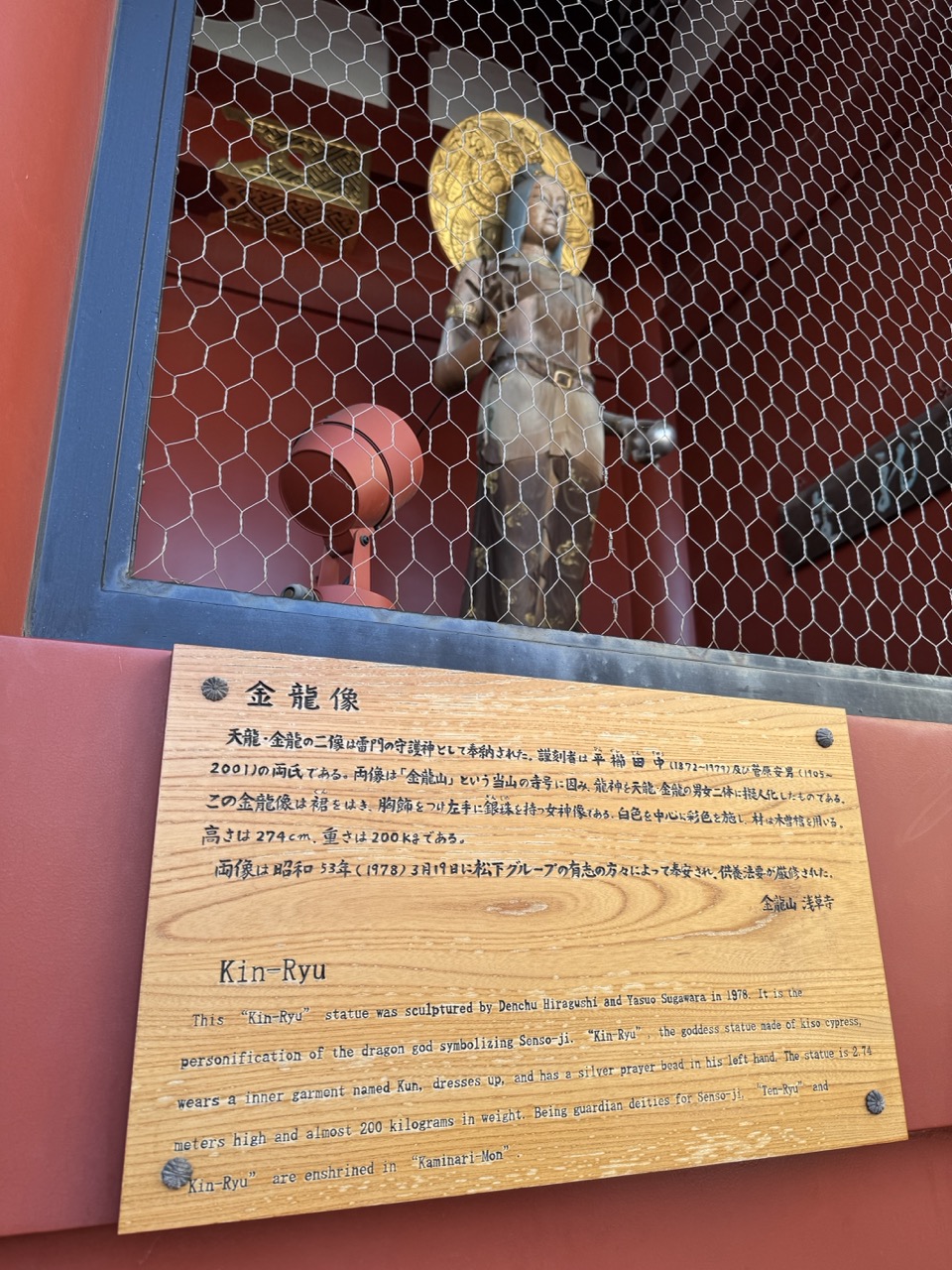
The dragon comes from a second part of the legend. One tale says a thousand pine trees appeared overnight near the temple. Three days later a golden dragon about 30 meters long came down from the heavens into the pines and was never seen again. This is where the temple's formal name comes from. Kinryuzan means "golden dragon mountain," and the name reflects Kannon's manifestation as a golden dragon, a Buddhist protector who came down from heaven. Once you know this, the dragon is not decoration. It is the temple's guardian, brought to life.
A Young Tradition With Deep Roots
The ritual began in 1958, when Senso-ji was rebuilt after being destroyed in World War II. The Asakusa Kannon Association first presented it in October 1958 to mark the opening of the temple's Showa Hall, as an event to be handed down to future generations. Around seventy years on, it has become a fixed part of the local calendar.
There is also a reason it falls on October 18. The autumn date is an auspicious day for the Kiku-kuyo, the Memorial Service for Chrysanthemums. The March 18 performance, by contrast, commemorates the founding event, when the fishermen found the Kannon statue. So the autumn dance comes with a quieter, more reflective setting than its spring twin.
Meet the Dragon
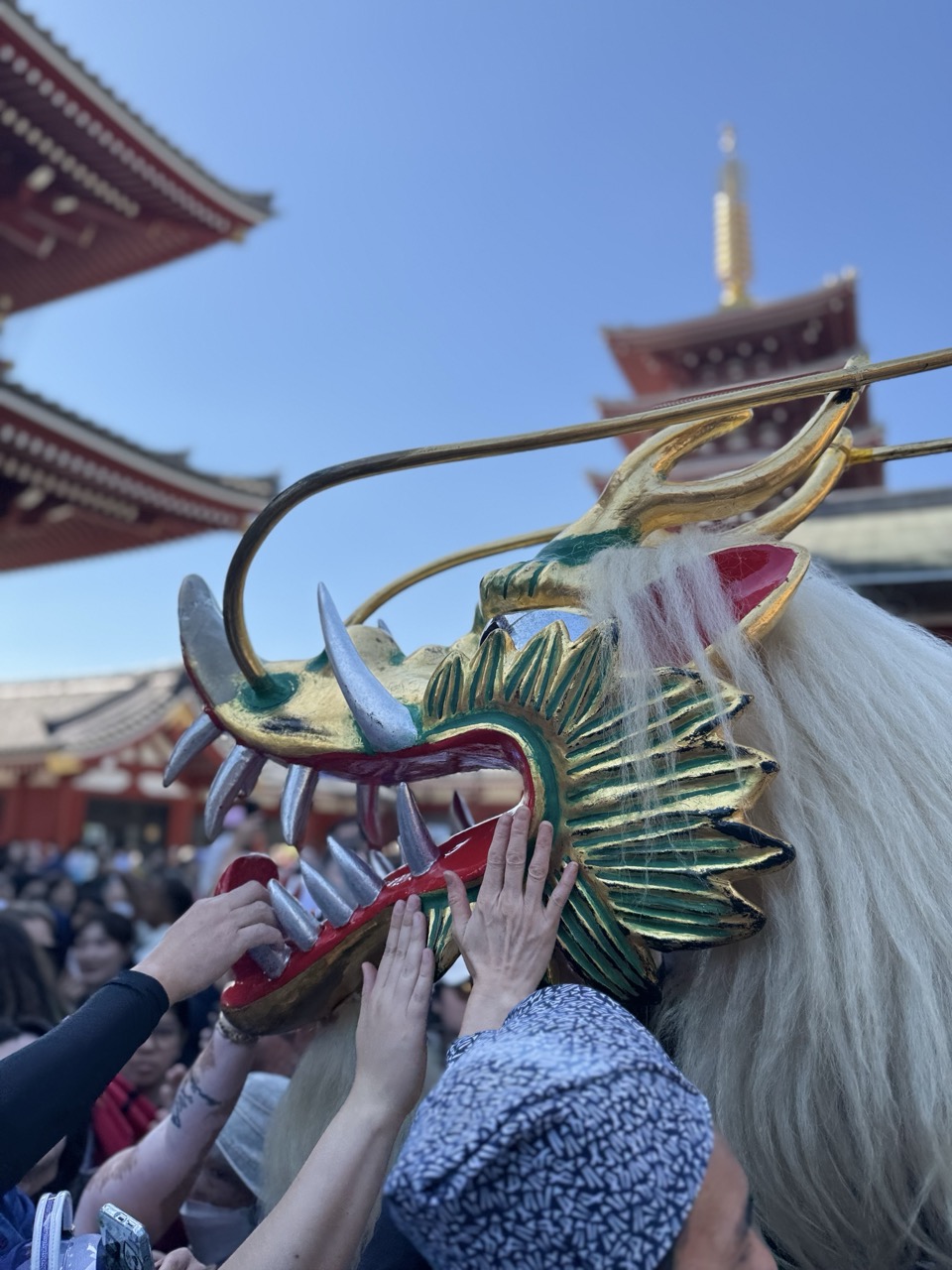
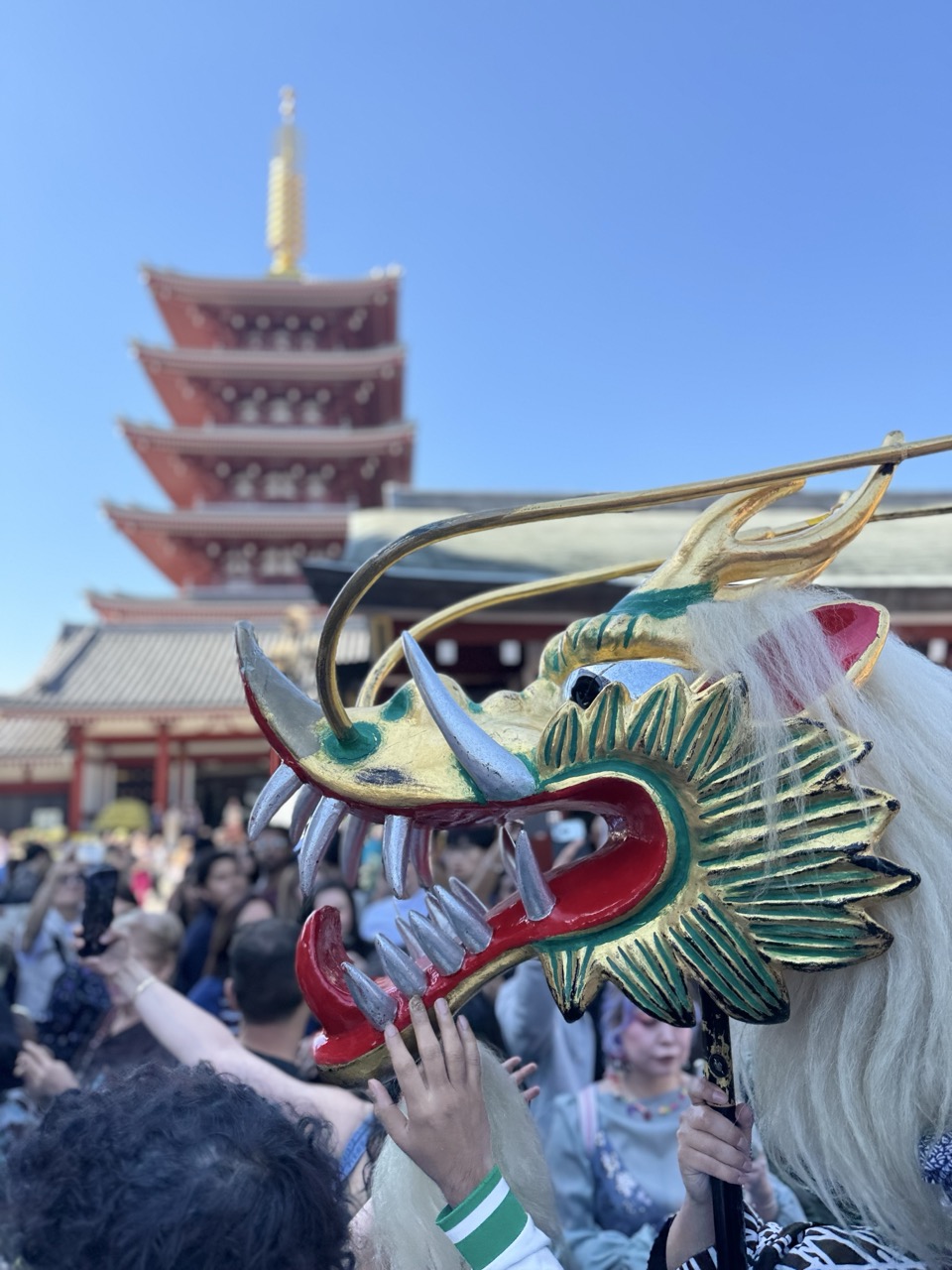
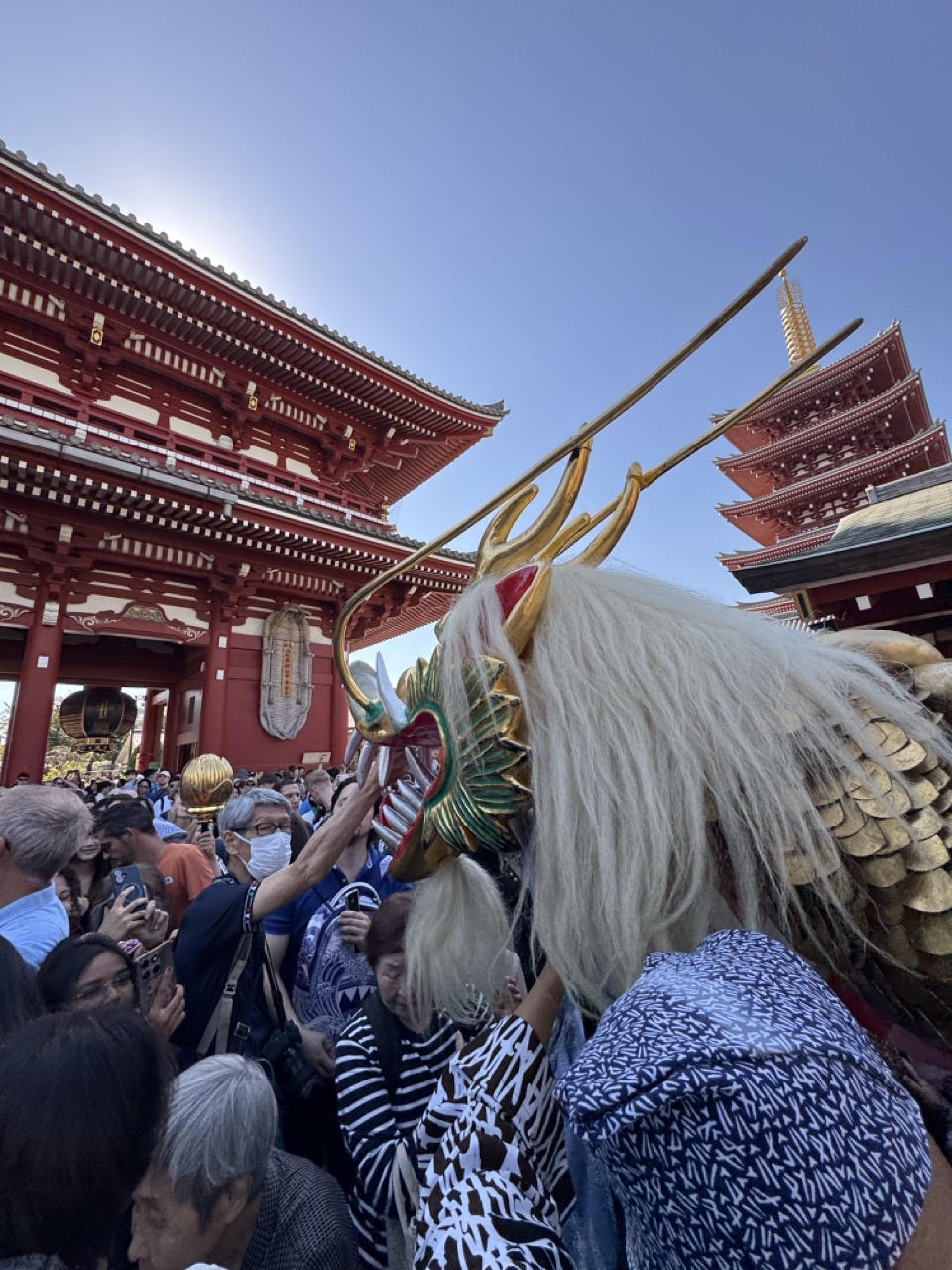
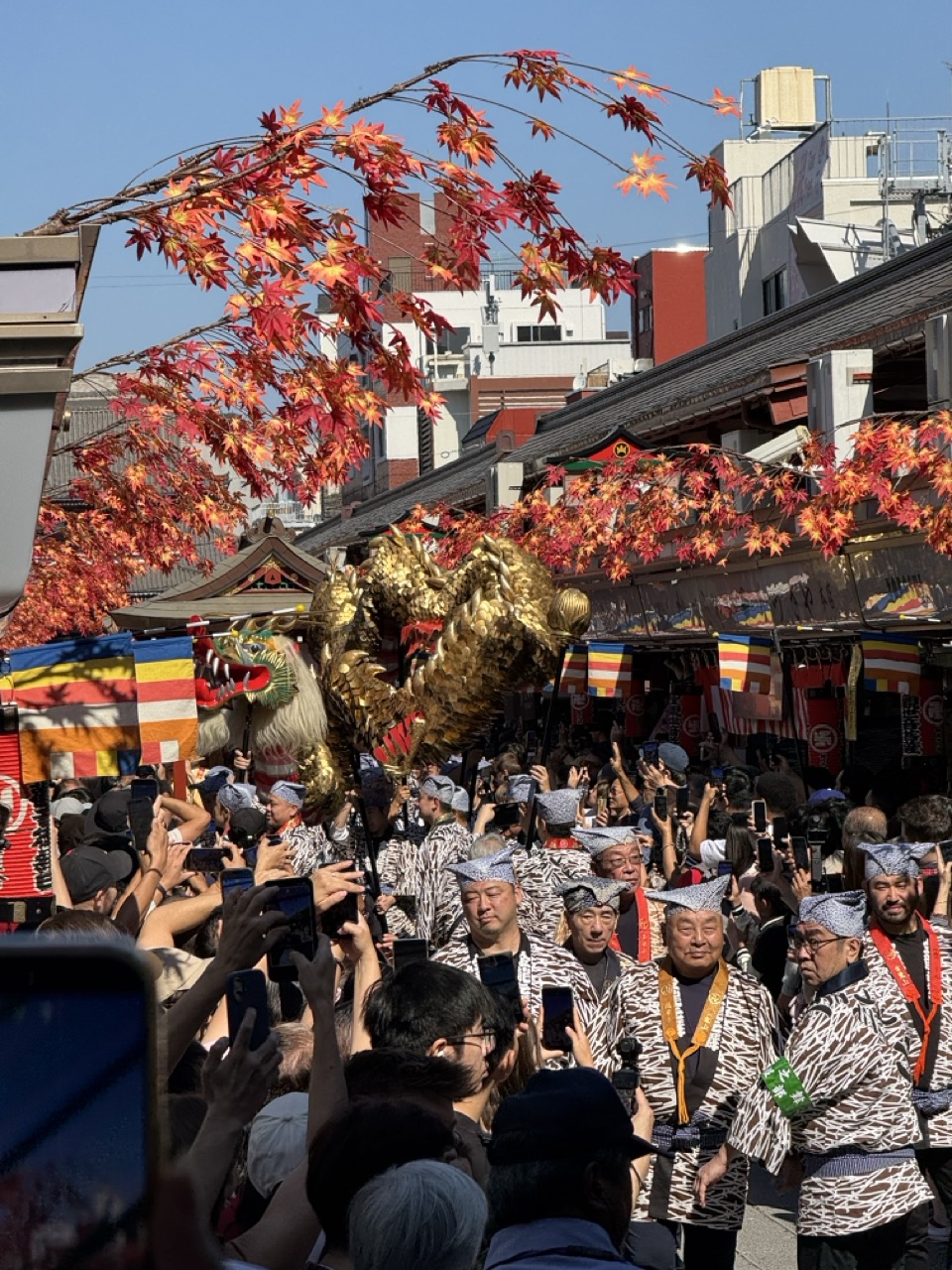
The numbers alone are impressive. The dragon is 18 meters long and weighs 88 kilograms. It is manipulated by eight men, and the dance is described as both brave and elegant. One local account adds that the number eight carries special meaning in Buddhism, and the dragon is covered in 8,888 scales. I could not confirm the scale count with the temple, so treat it as local lore.
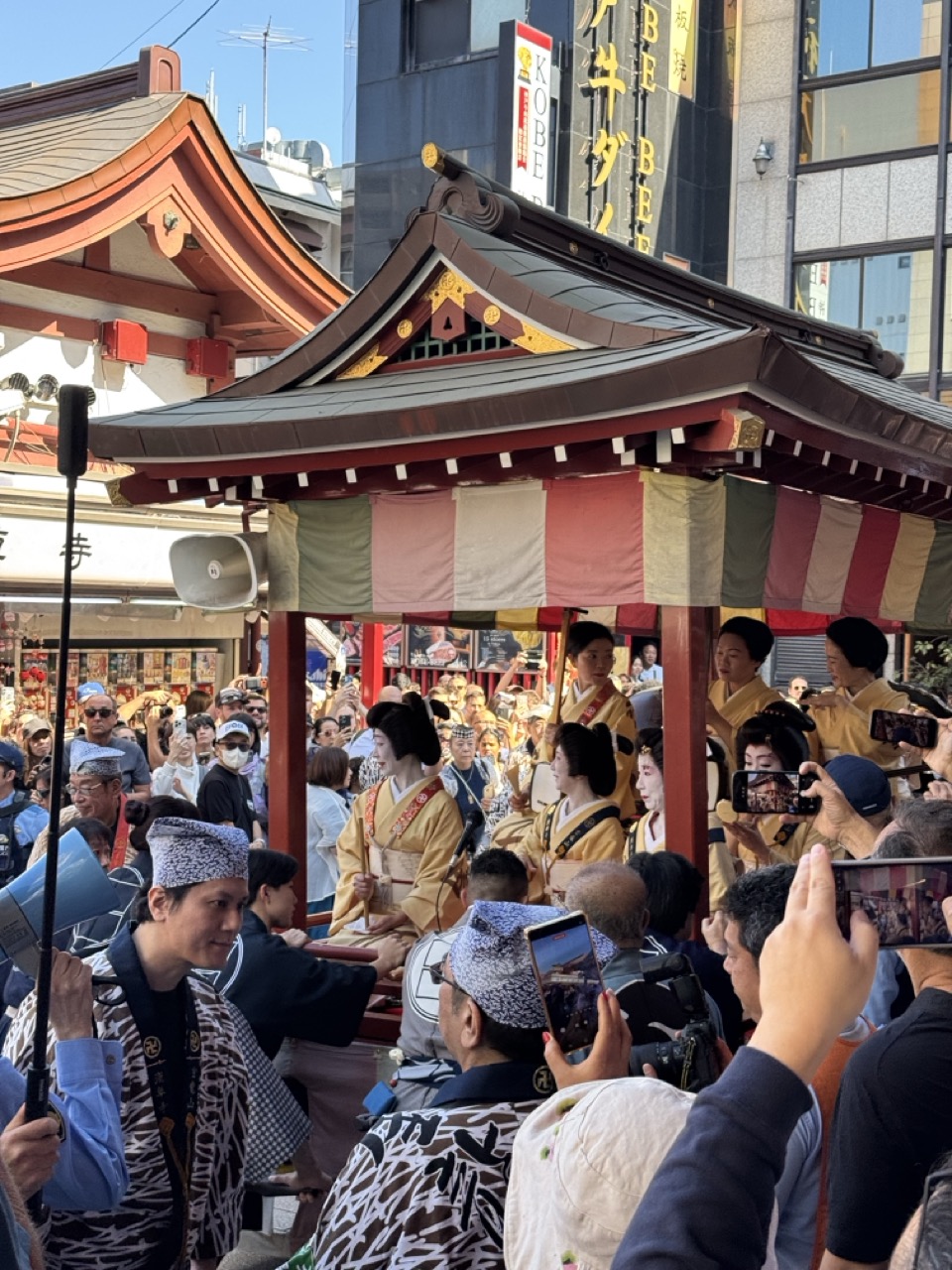
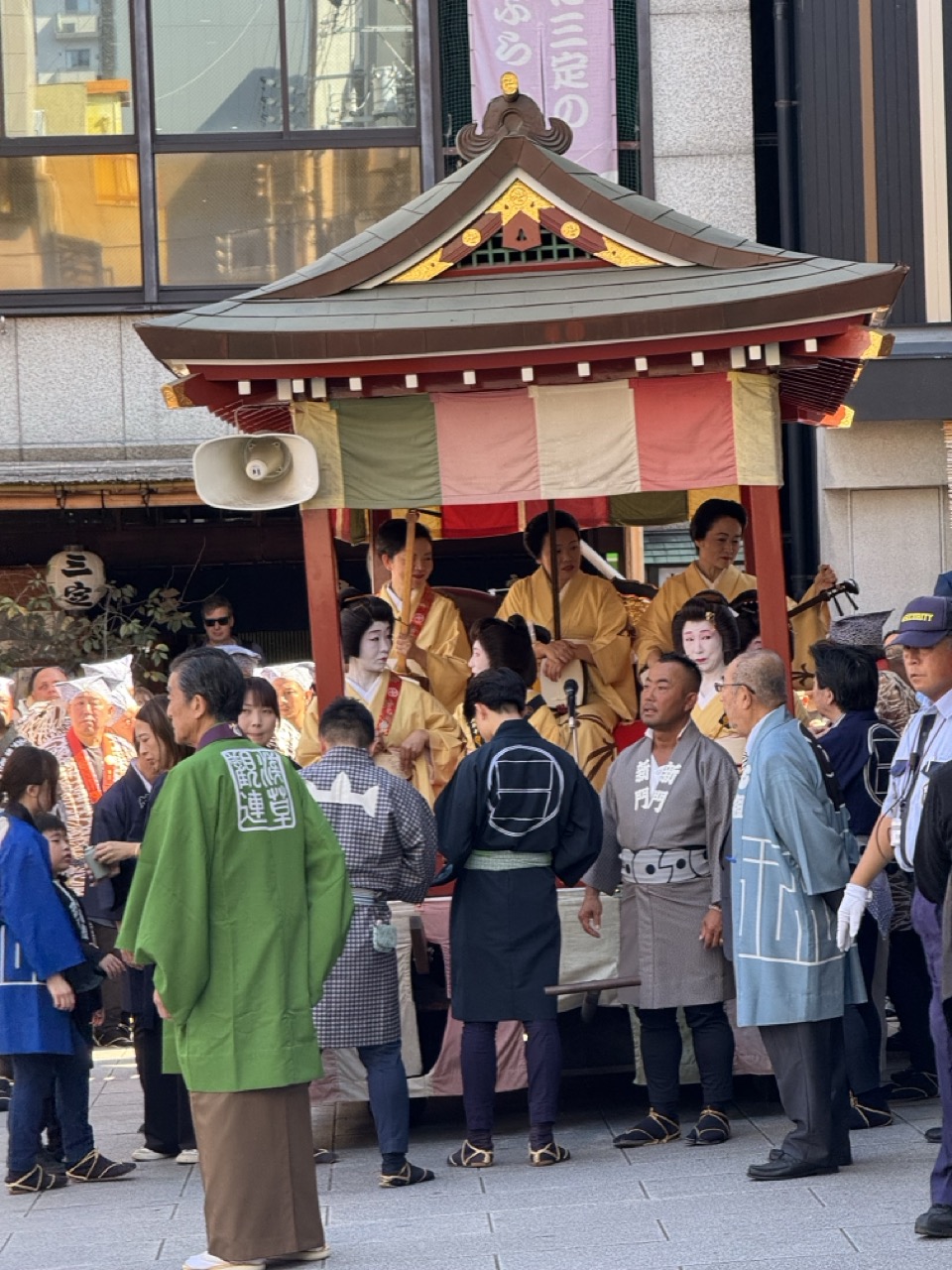
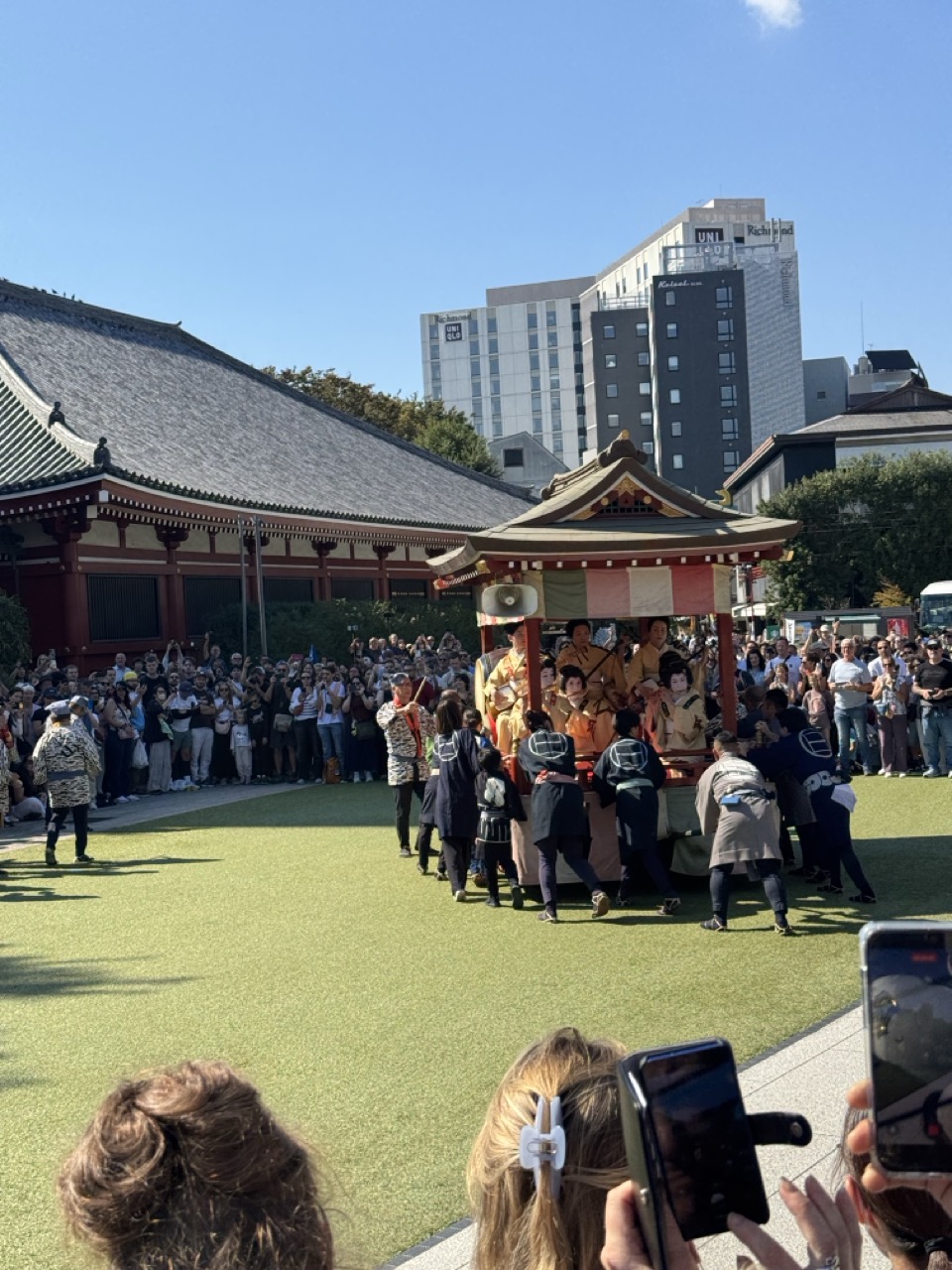
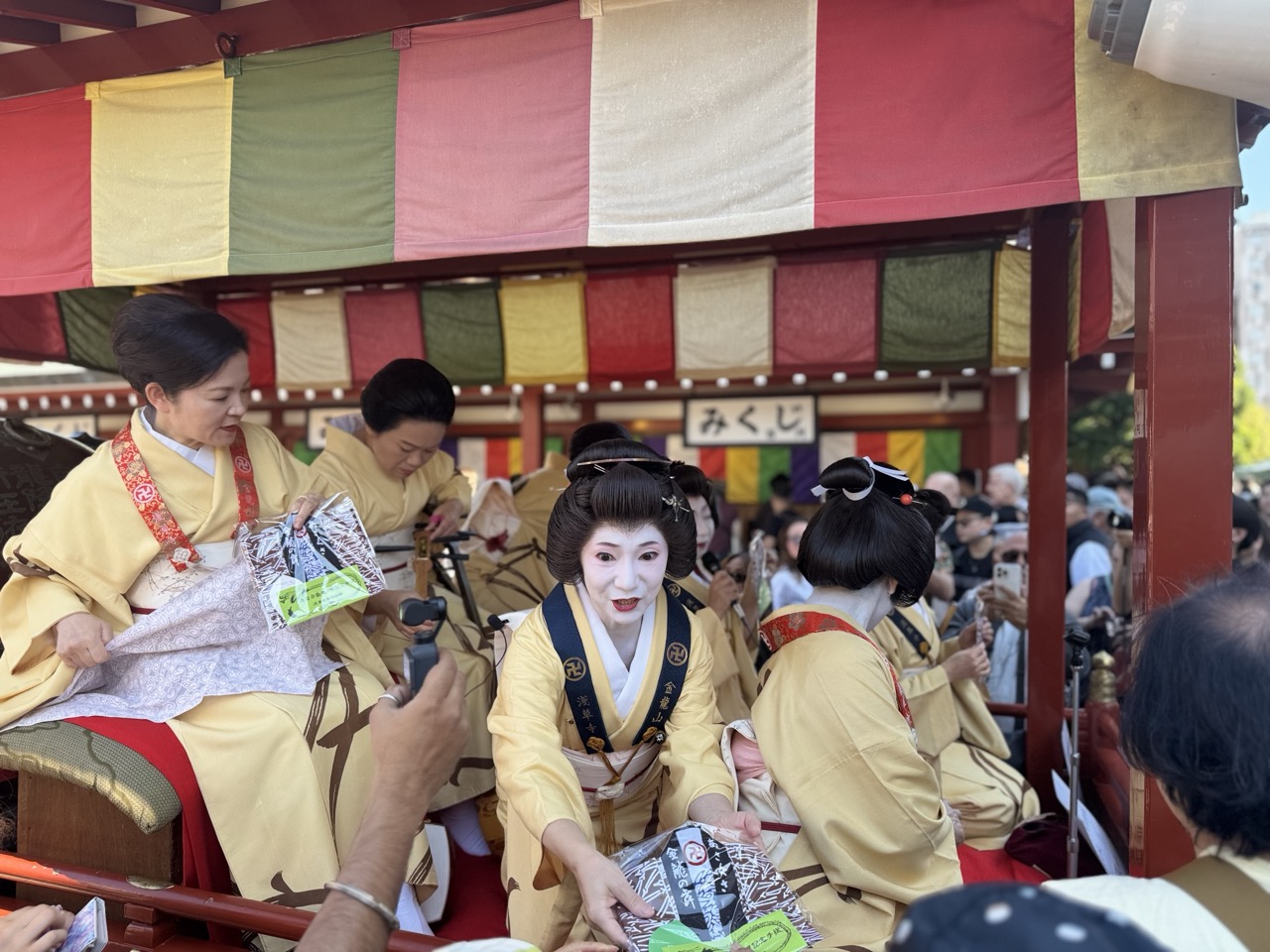
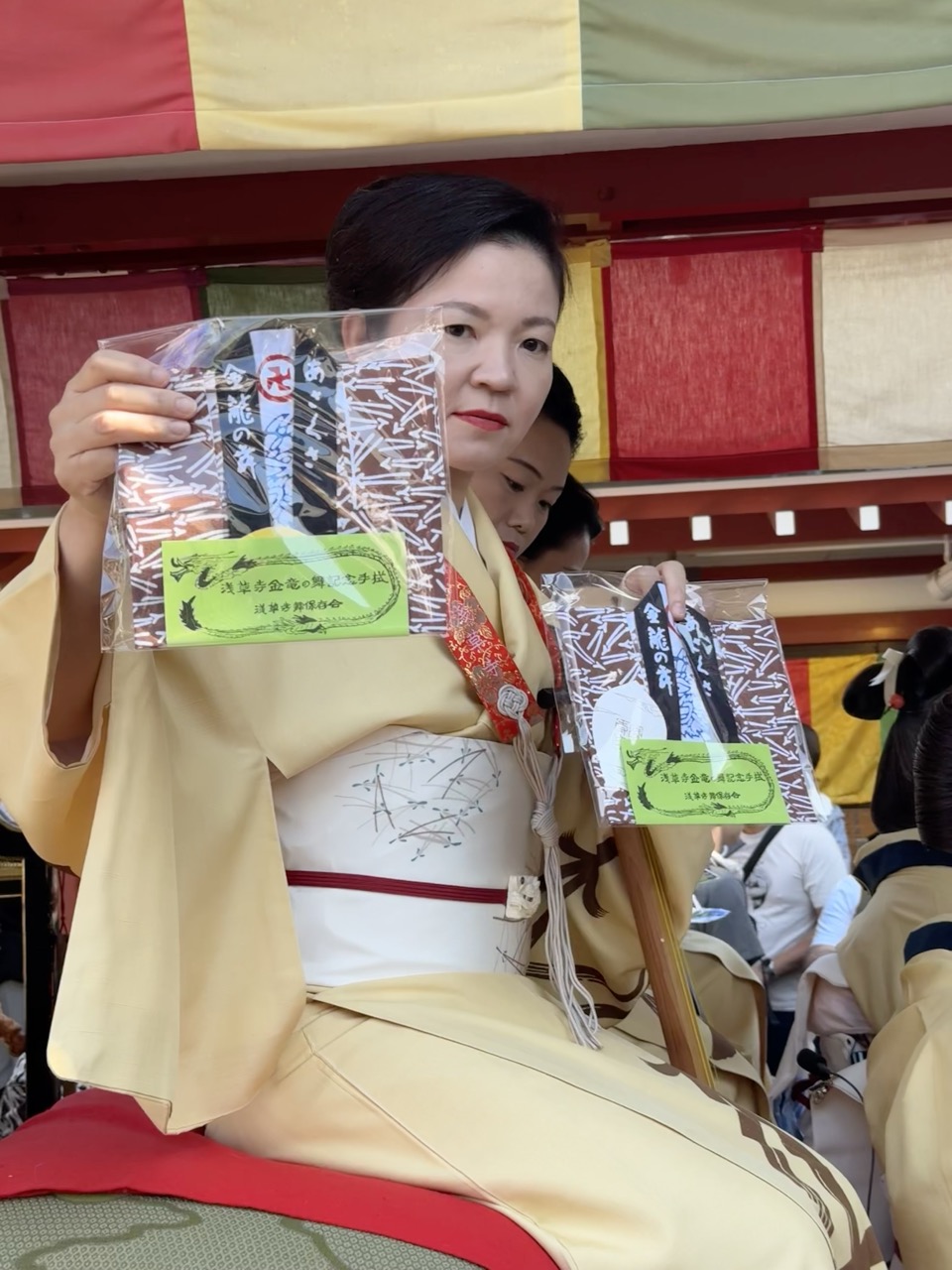
Behind the dragon is a larger team. More than 70 male volunteers from local youth organizations take part, and they purify themselves before dancing. That detail stayed with us. These are neighbors from Asakusa carrying a piece of their community's identity, not hired performers.
Music, Lotus and Lucky Touches
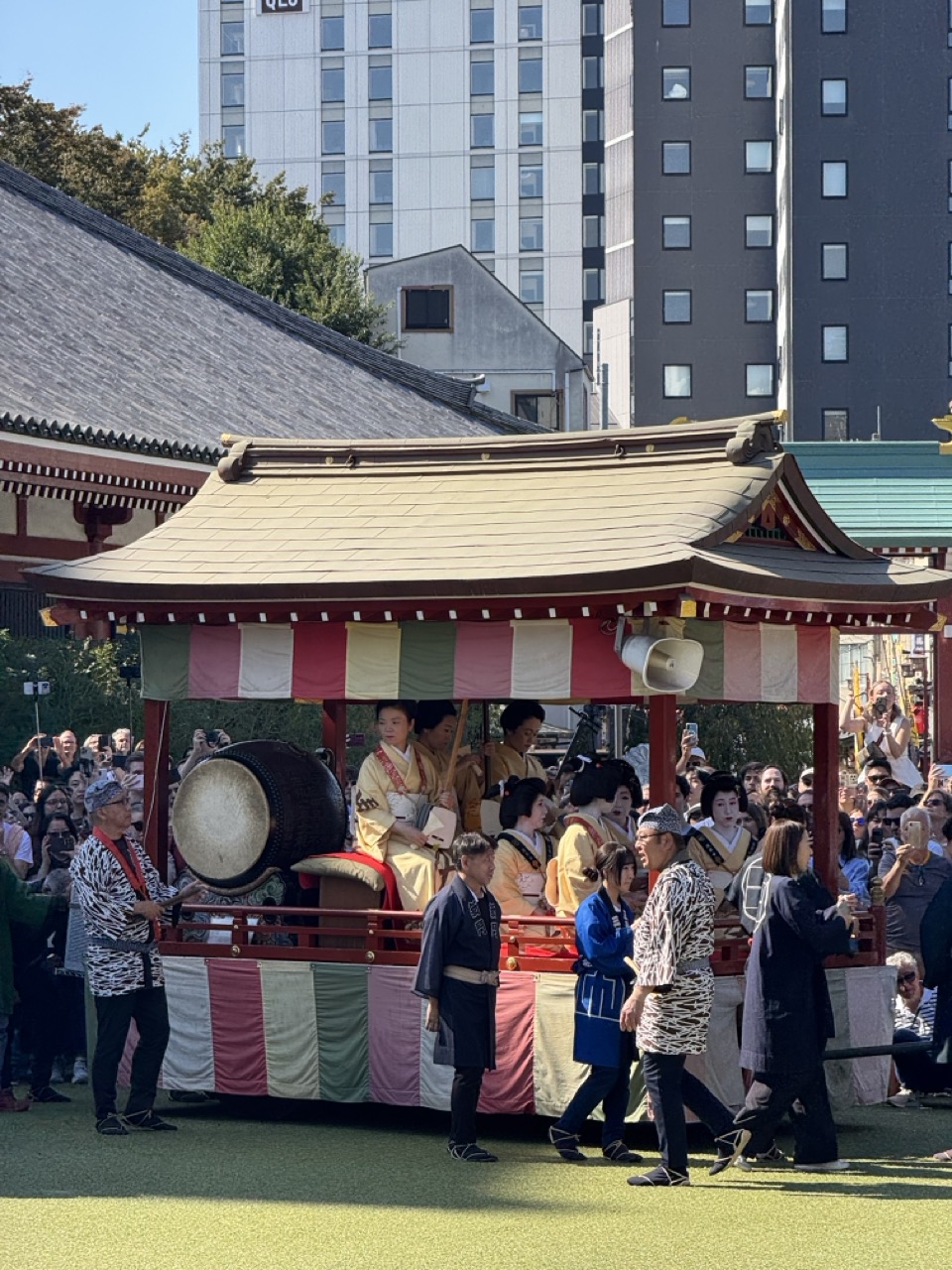
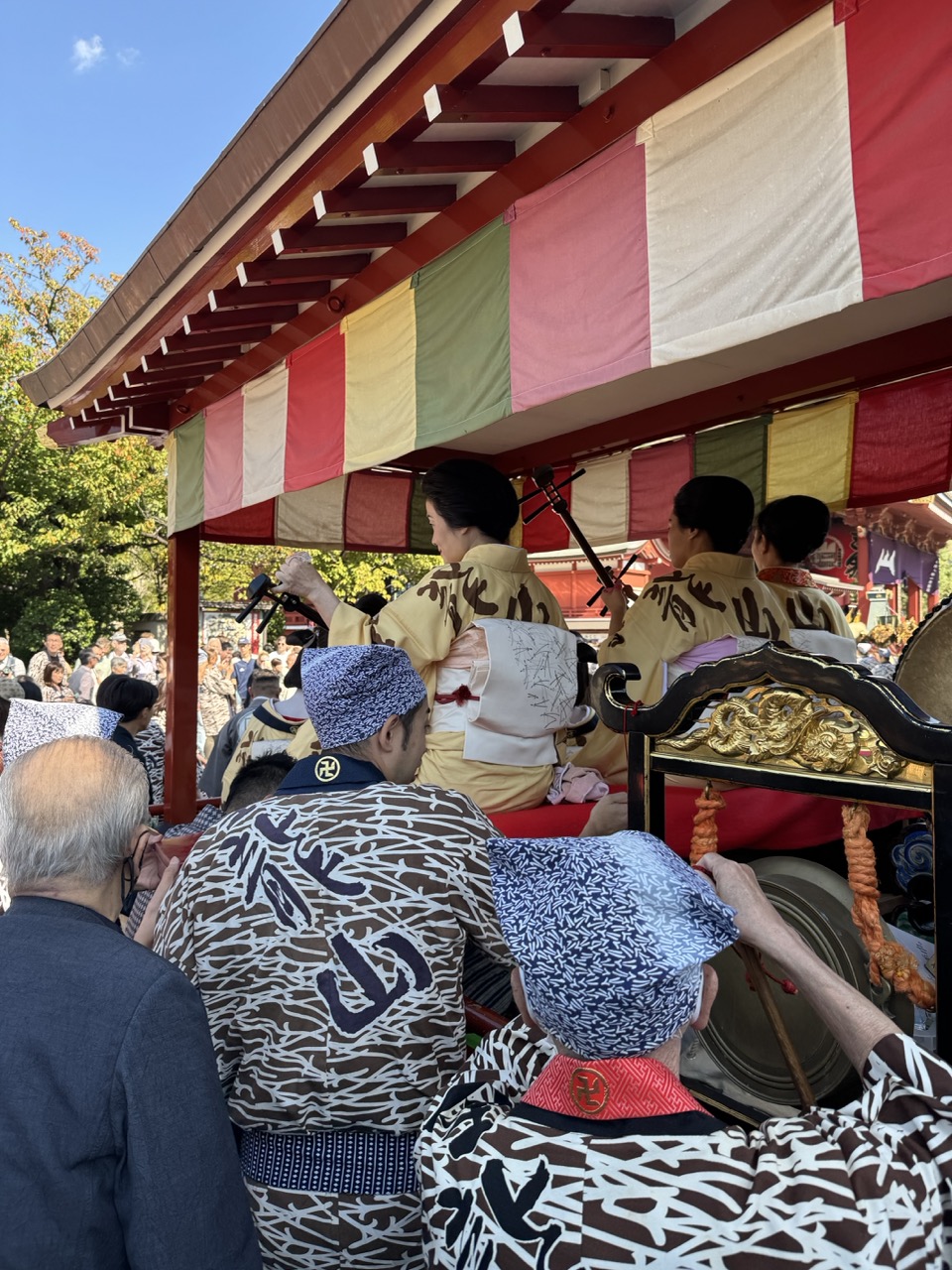
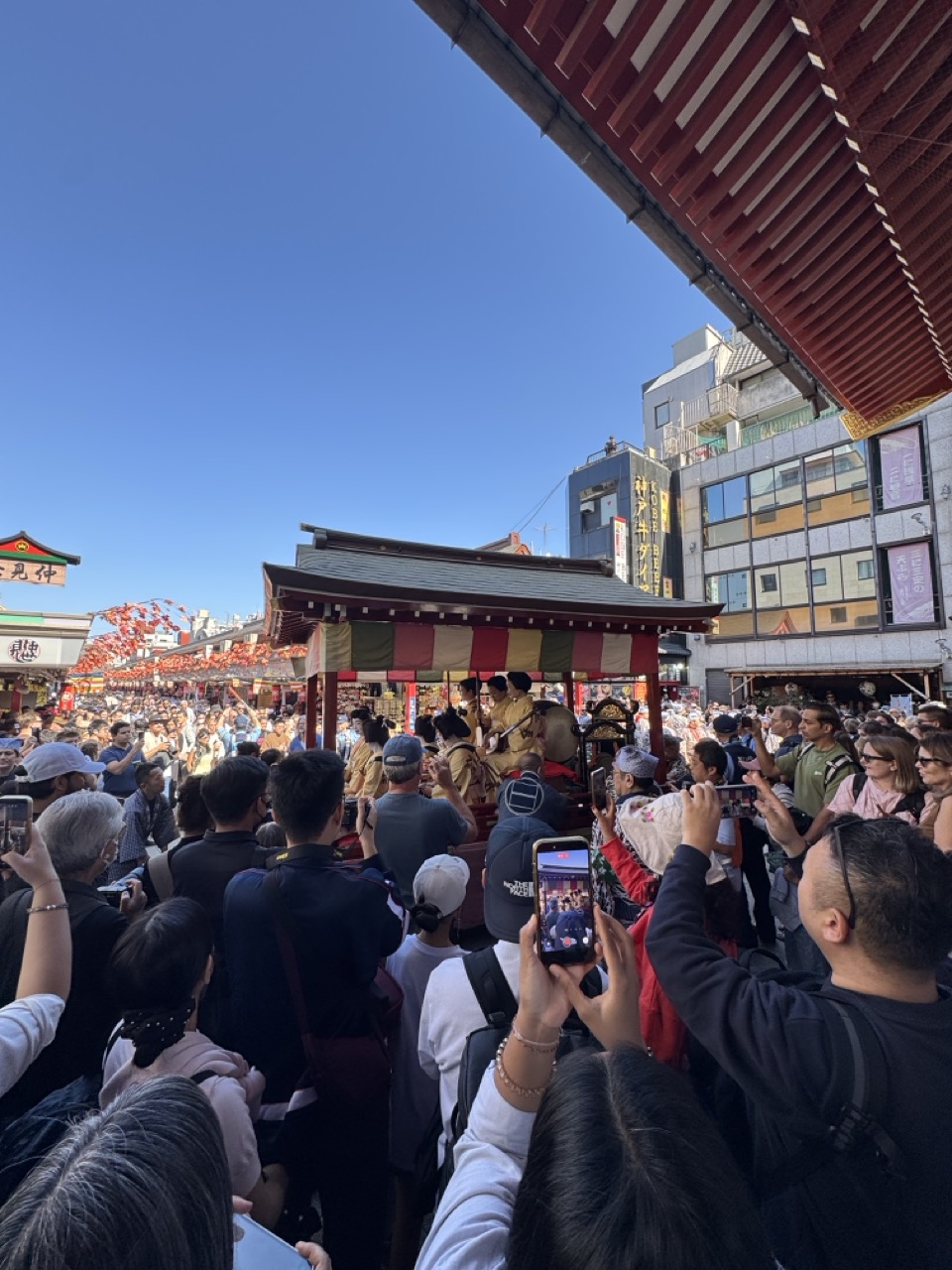
A golden dragon does not dance in silence. The performance is accompanied by traditional hayashi music. The same source notes that a dancer carries a lotus flower that stands for Kannon, and the dragon's movements protect the deity. Watch for that lotus. It tells you the whole performance is a protection story, with the dragon circling the thing it guards.
You may also hear that touching the dragon's head brings luck for the coming year. One travel blog says this is an easy way to gather good fortune. That is not an official temple rule, so follow any instructions from staff and the volunteers, and keep a respectful distance if the crowd is thick.
Where the Dragon Roams
The dragon does not stay in one spot. The dance leads it through the grounds, including Kaminarimon. Elsewhere it is described as a large golden dragon on poles parading through the area. That means you have choices about where to stand. Along the approach gives you the lantern and the street as a backdrop, while the courtyard in front of the main hall puts you closer to the temple itself.
Final Thoughts
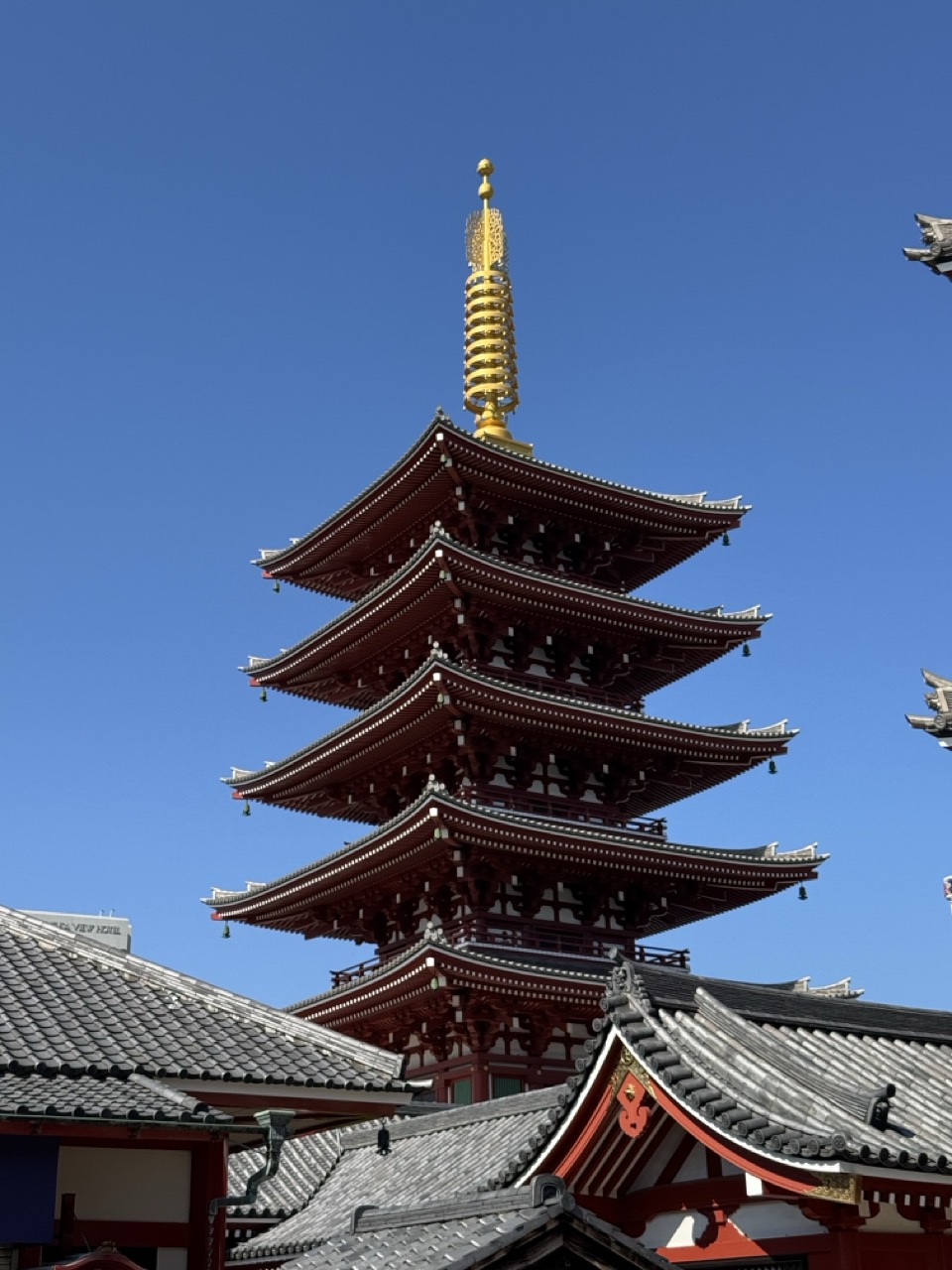
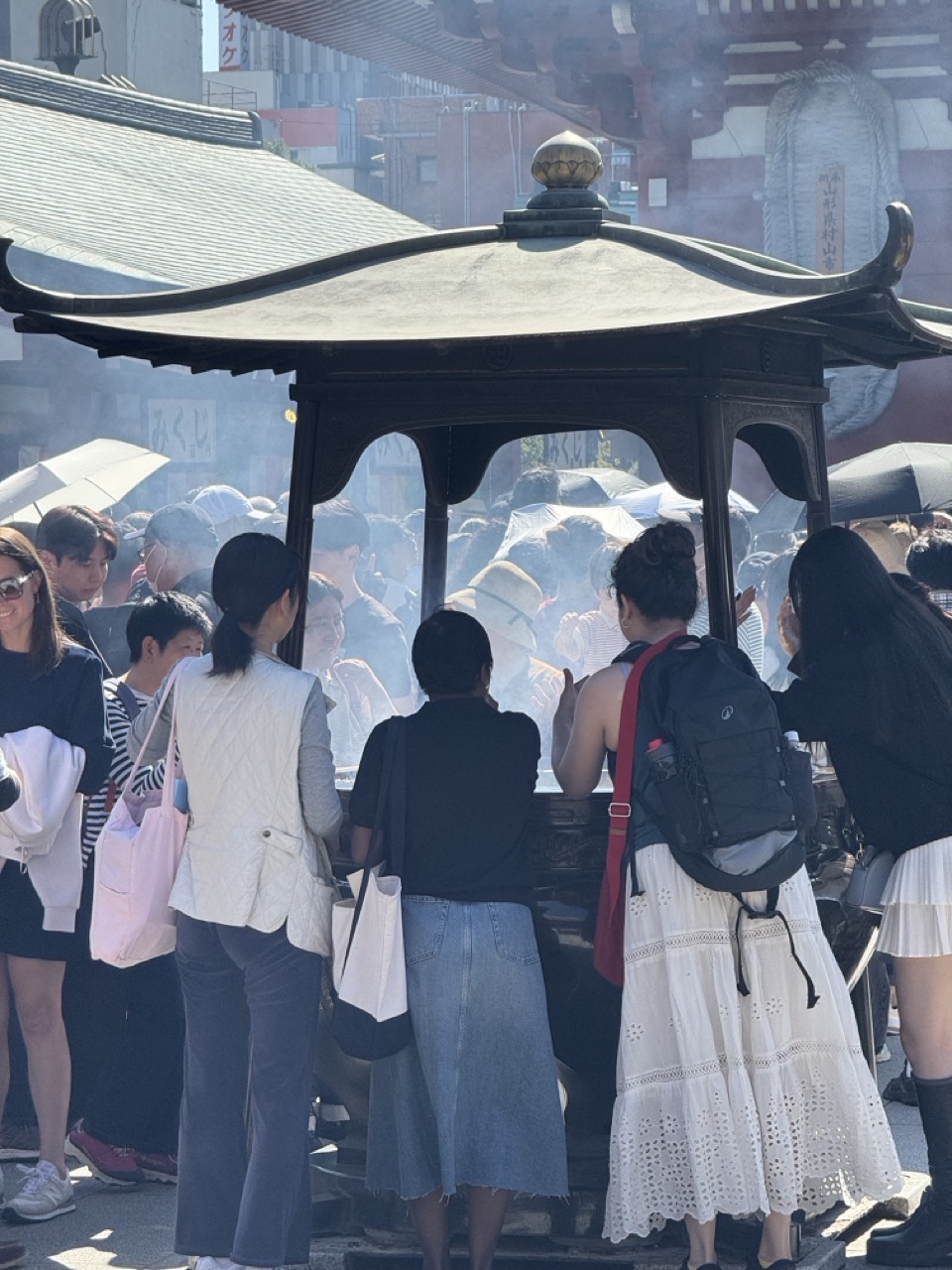
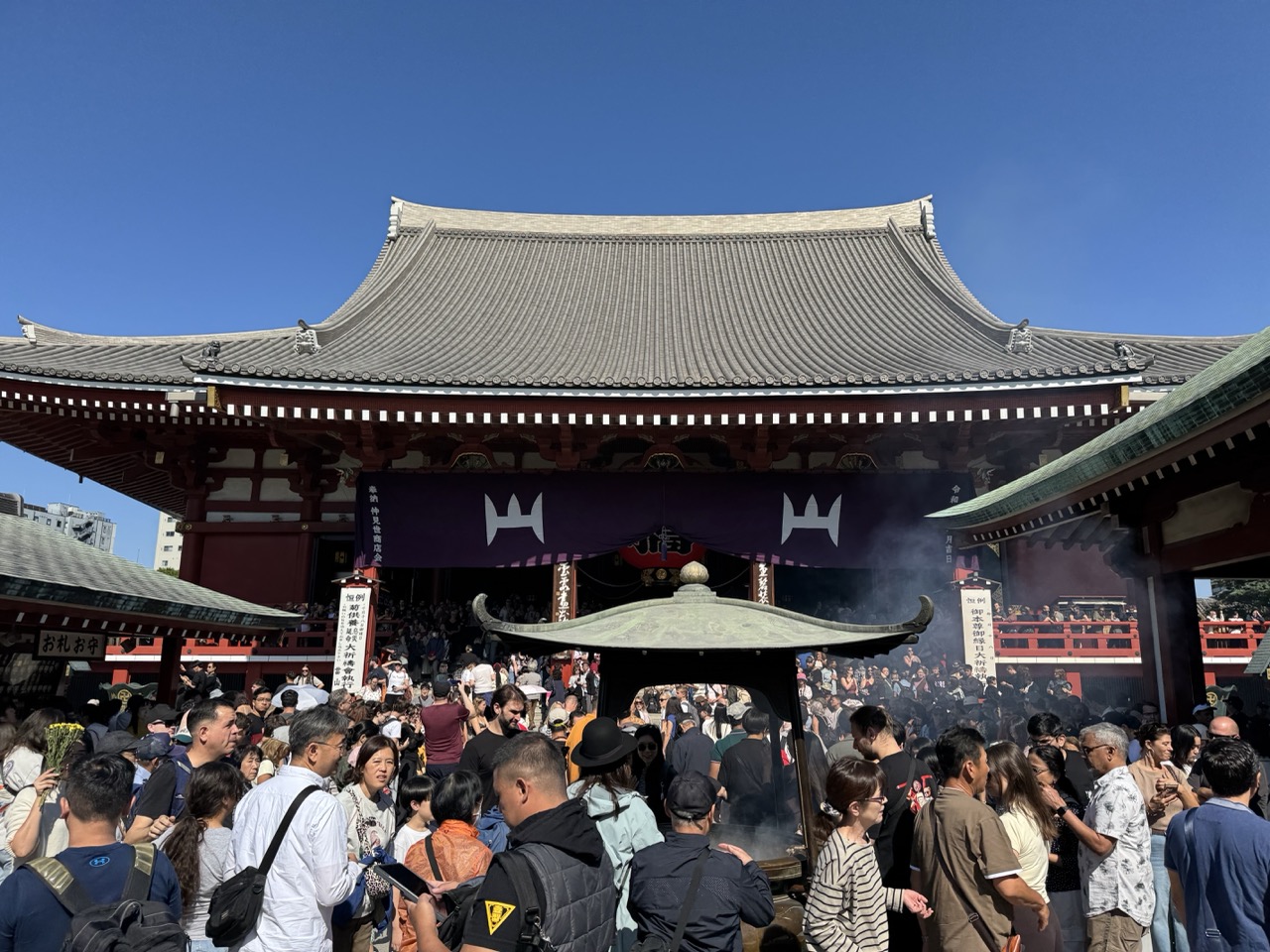
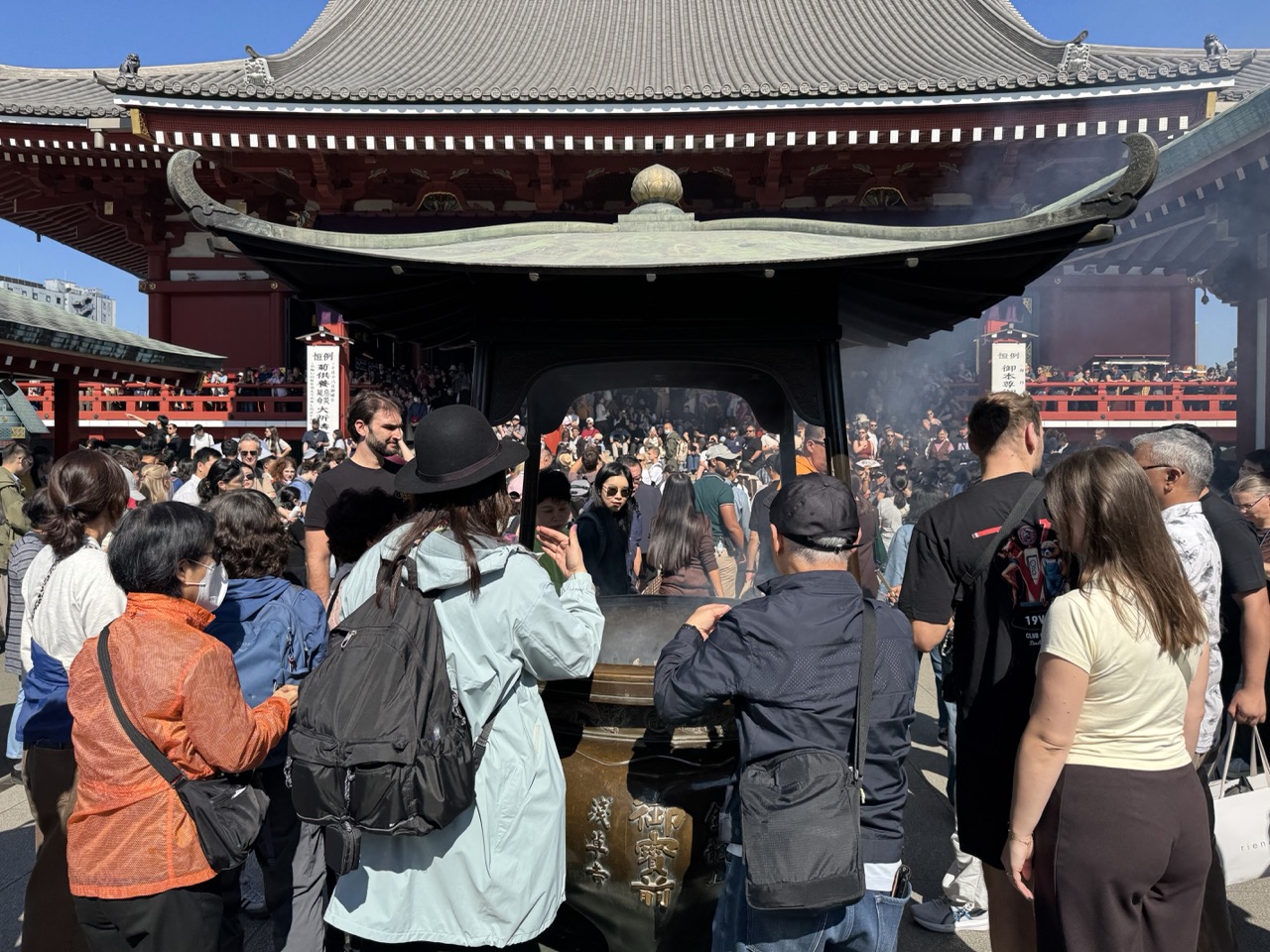
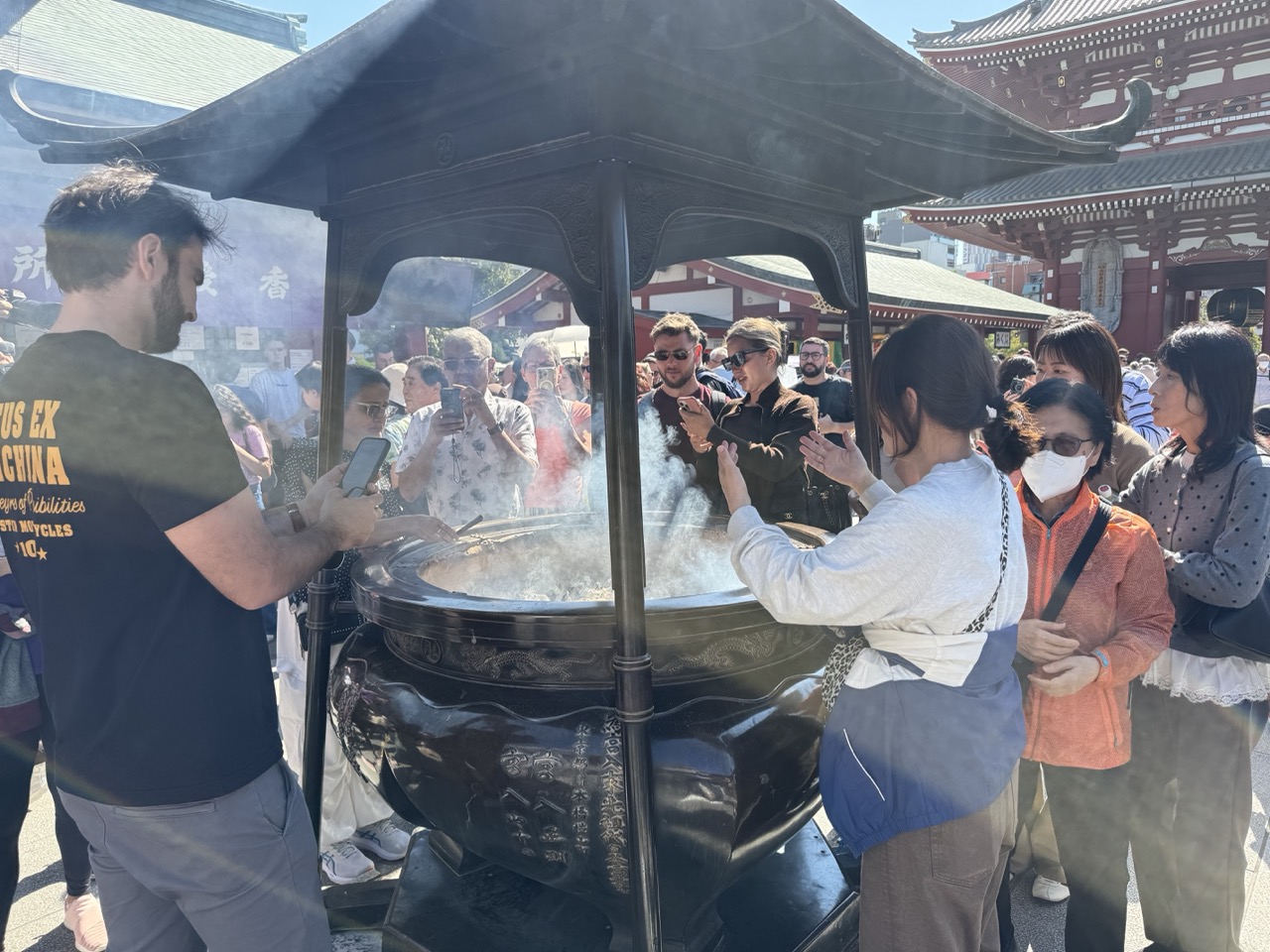
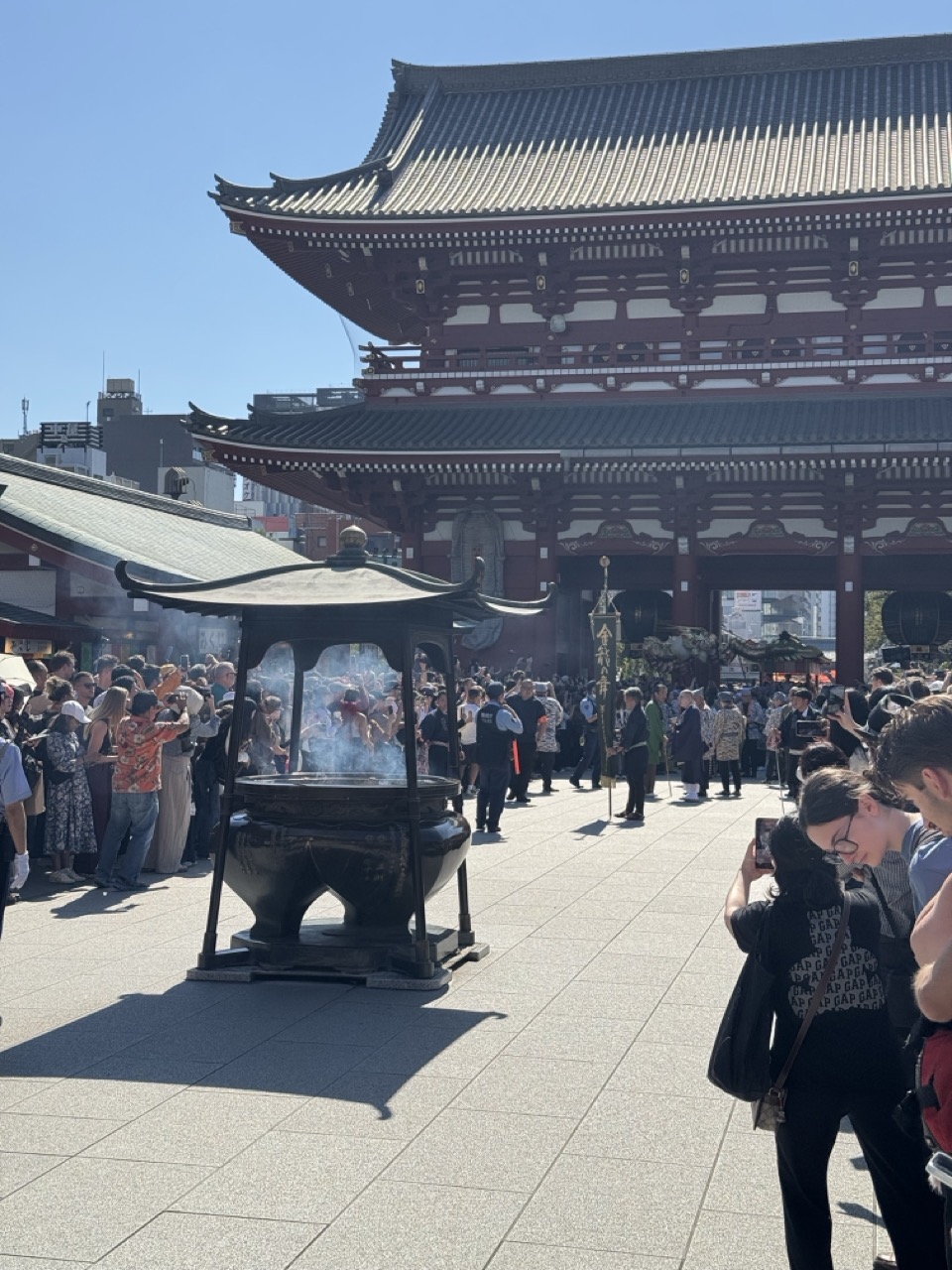
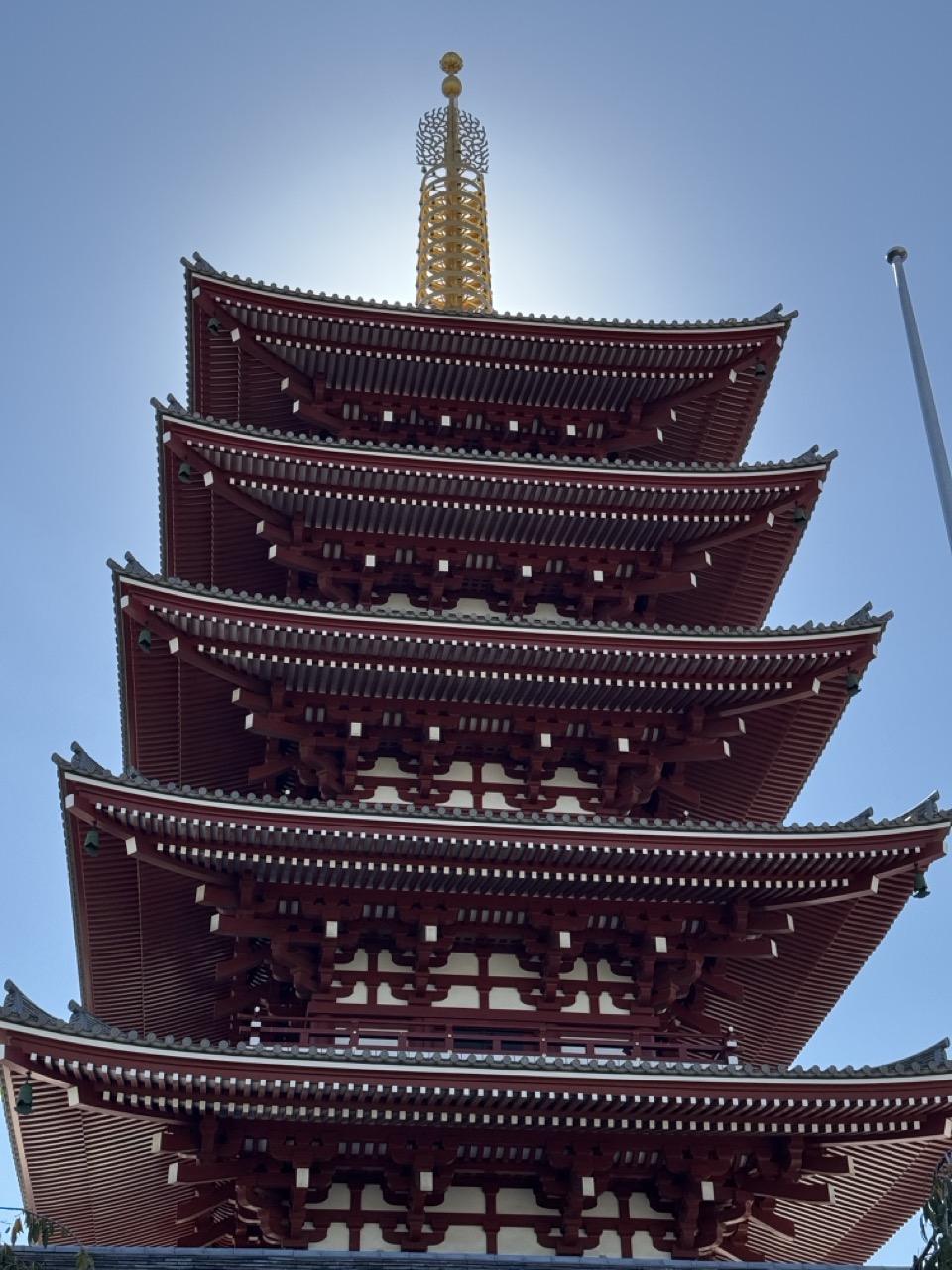
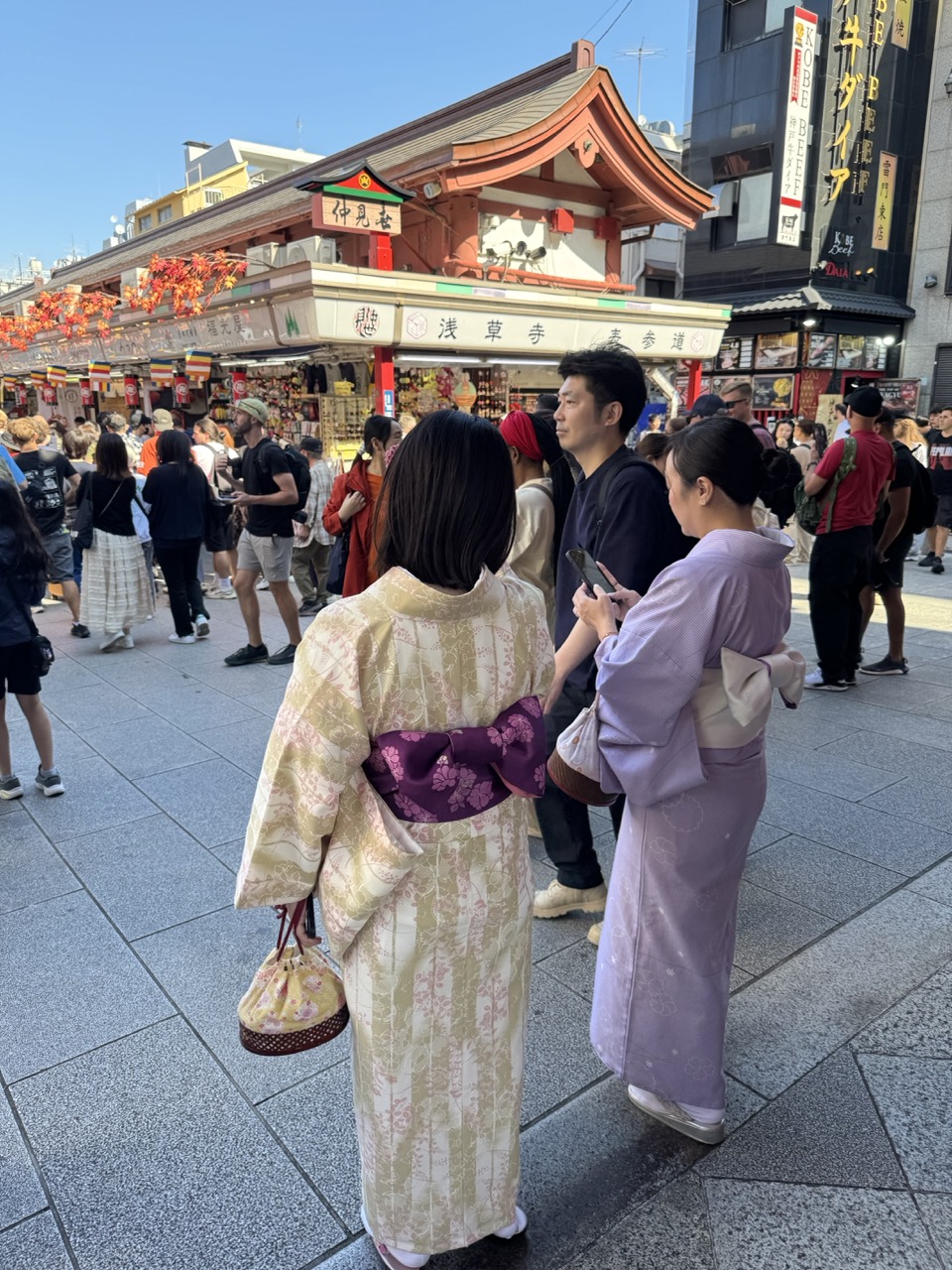
The dance pairs well with the rest of Asakusa. Walk the Nakamise stalls, which sell everything from tourist trinkets to genuine Edo-style crafts. Wave some smoke from the big incense cauldron toward yourself, since the smoke is said to bestow health. Then step through Hozomon and take in the main hall. The temple welcomes visitors from early morning, so a long day here is easy.
Senso-ji can feel like a checklist stop, a famous gate, a famous street and a photo. The Golden Dragon Dance changes that. A legend from 628 becomes something you can see, hear and feel in the crowd around you, performed by local people who keep it going. If your trip to Tokyo can flex around a date, October 18 is a rewarding one to choose.