Preston Lau: A Journey Through Memories, Tech, and Humanity
Welcome to my personal blog that delves into the intricate tapestry of personal albums and the fascinating intersection of ever-evolving technology and humanity. Come along on a journey with me as we delve into the seamless fusion of creativity, state-of-the-art AI and robotics, intricately interwoven within the tapestry of our shared awareness. Have fun!
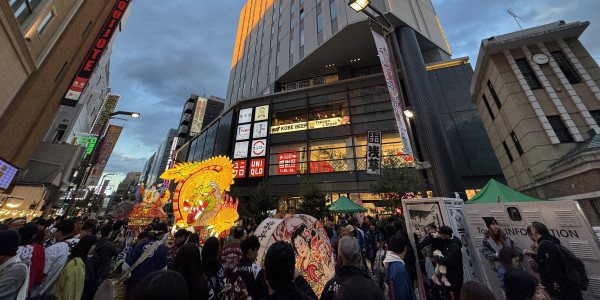
Hakone Daimyo Gyoretsu on Culture Day: Parade and Private Onset
AI Summary
A day in Hakone Yumoto experiencing the annual Hakone Daimyo Gyoretsu, a historical procession inspired by the Edo-period sankin kotai system that features spear-tossing performances (yakkoburi), matchlock rifle demonstrations, and traditional dances. Alongside practical advice for catching the late-morning parade without getting trapped by traffic restrictions, the post maps out a full food and relaxation itinerary: braving the strict paper waitlist for riverside hot soba at Hatsuhana Soba Honten, browsing the main street's shops, pairing delicate yumochi sweets with dense matcha at Chimoto.
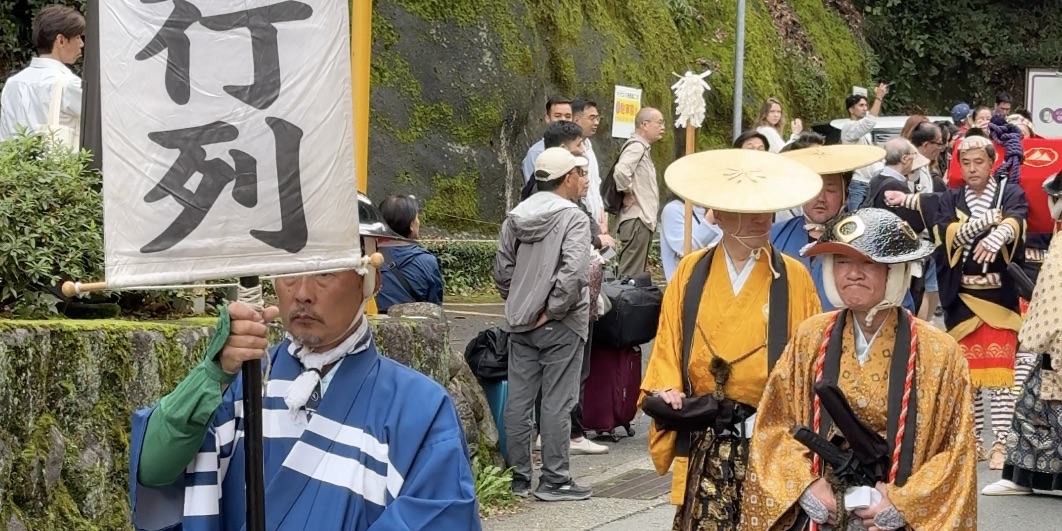
The Hakone Daimyo Gyoretsu recreates a feudal lord's journey along the old Tokaido road, through the hot spring district of Yumoto. The idea comes from the sankin kotai system. Under the Tokugawa shogunate, regional lords had to spend alternate years in Edo, and their wives and children stayed there as hostages, which made it hard for a lord to plot against the shogunate. Hakone belonged to the Odawara domain and sat on the road between Edo and Kyoto, so lords and their retinues really did pass through. Each lord used the journey to show off his wealth, dressing his retainers in fine clothes and carrying symbols of abundance.
Hakone's tourism board say the event was first organized in 1935 to imitate the Edo period processions of the Odawara domain, with about 170 people in period dress. Watching is free from the roadside with marching bands play at the start and end and that dancers perform traditional dances of the hot spring areas.
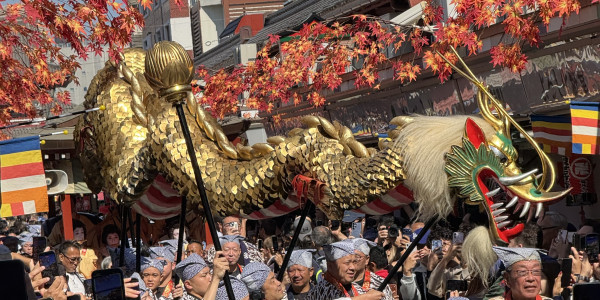
In the parade, a lord on the road brought a crowd with him, and the procession copies that mix. Low ranking spear bearers perform a ceremonial dance as they swap tufted spears, and in earlier years that opening performance took place at Yumoto Elementary School from 10am. A travelling lord also brought pikemen, swordsmen, banner carriers and other officials.
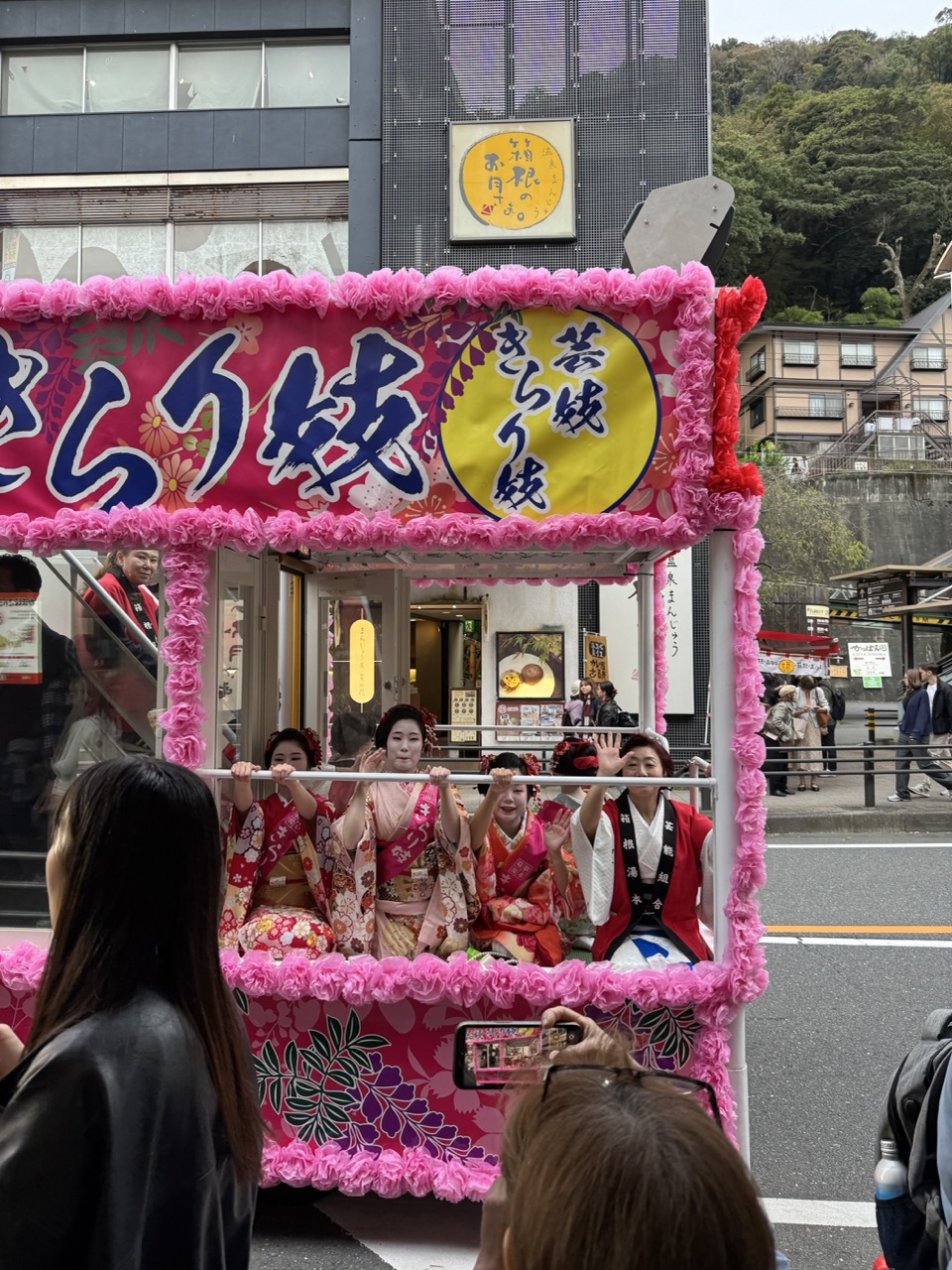
The headline performance is yakkoburi, in which spear bearers toss a long spear back and forth as they march. The spears can reach about three metres and carry a fur decoration at the tip. The other headline is a matchlock rifle demonstration. Listen for the marchers' warning cry. They call out shitani, roughly meaning heads down, as the lord's palanquin comes by. In Edo times that told bystanders to lower their heads. Nobody expects modern spectators to kneel. Geisha dancing is part of the day too. The Japan National Tourism Organization describes traditional dances unique to the hot spring areas.
How to Watch a Parade That Keeps Moving
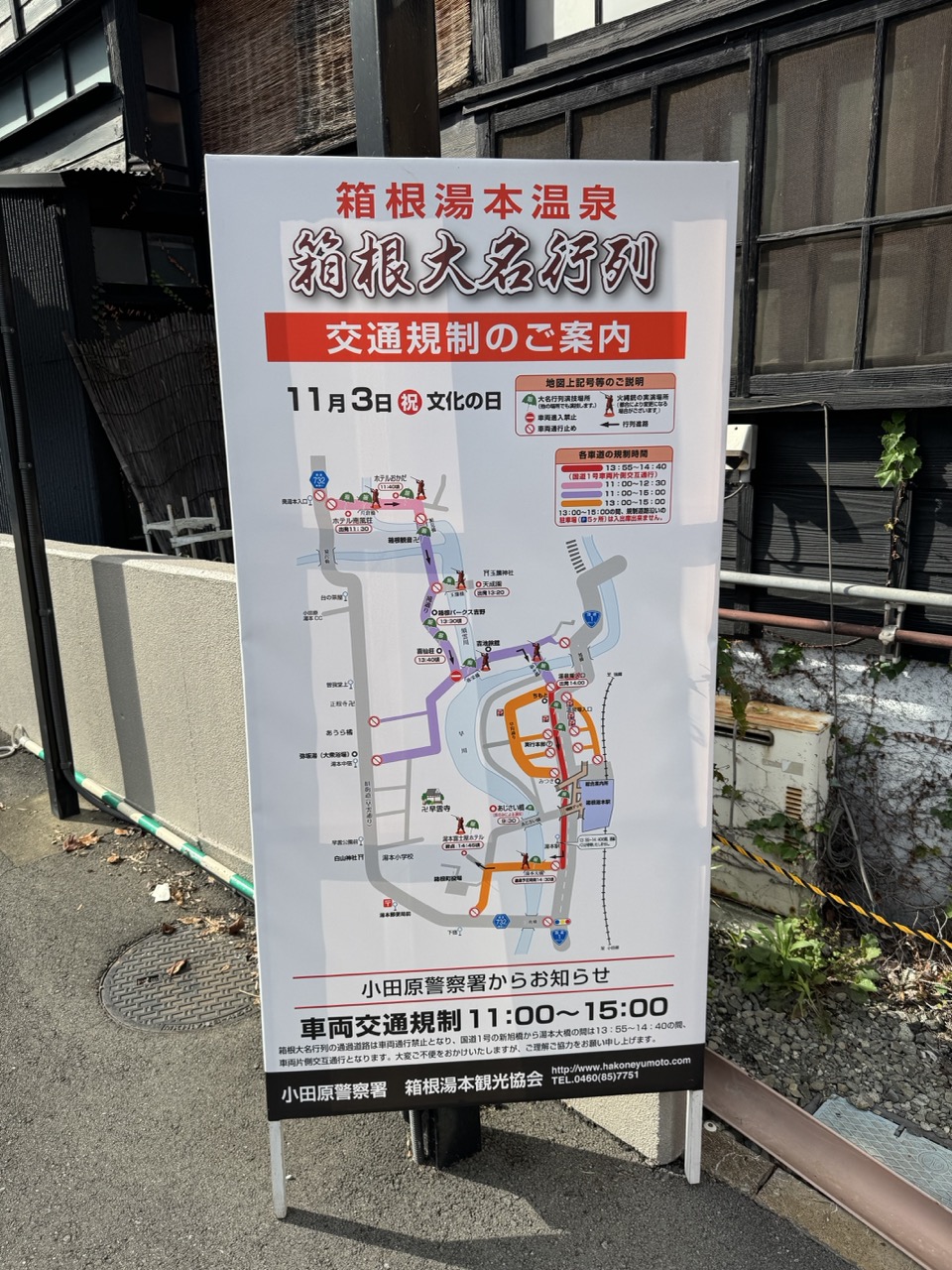
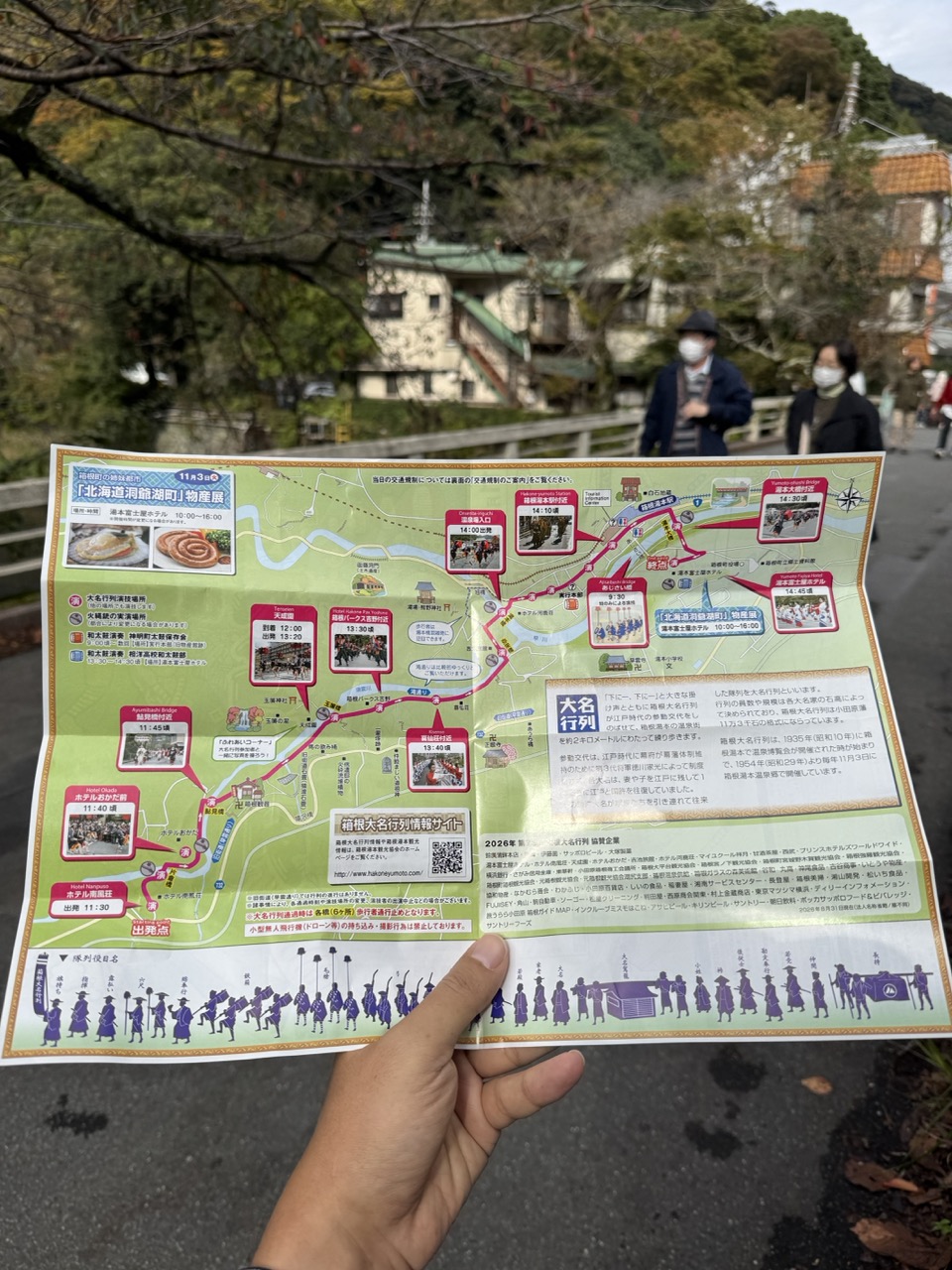
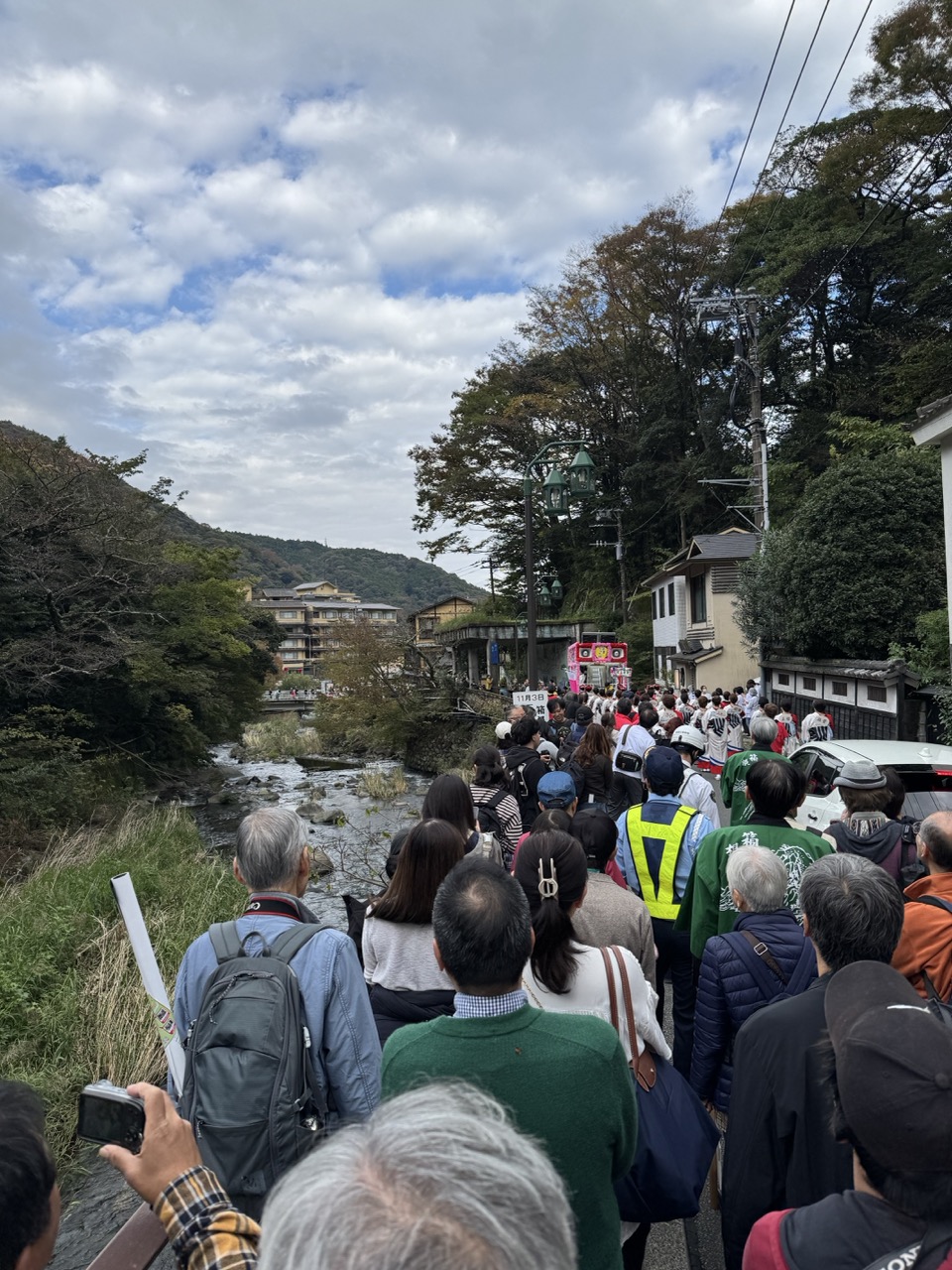
The first is the late morning stretch on the main street as the procession heads toward Tenseien, from about 11:30. The crowd is still manageable and you get the costumes, spears and gun corps. Lunch is the awkward part, because the Tenseien rest from noon to 1:20 is the natural window. We ate at Hatsuhana during the parade, so plan your meal around your viewing spots, and not the other way around. Everything is on foot with traffic restricted.
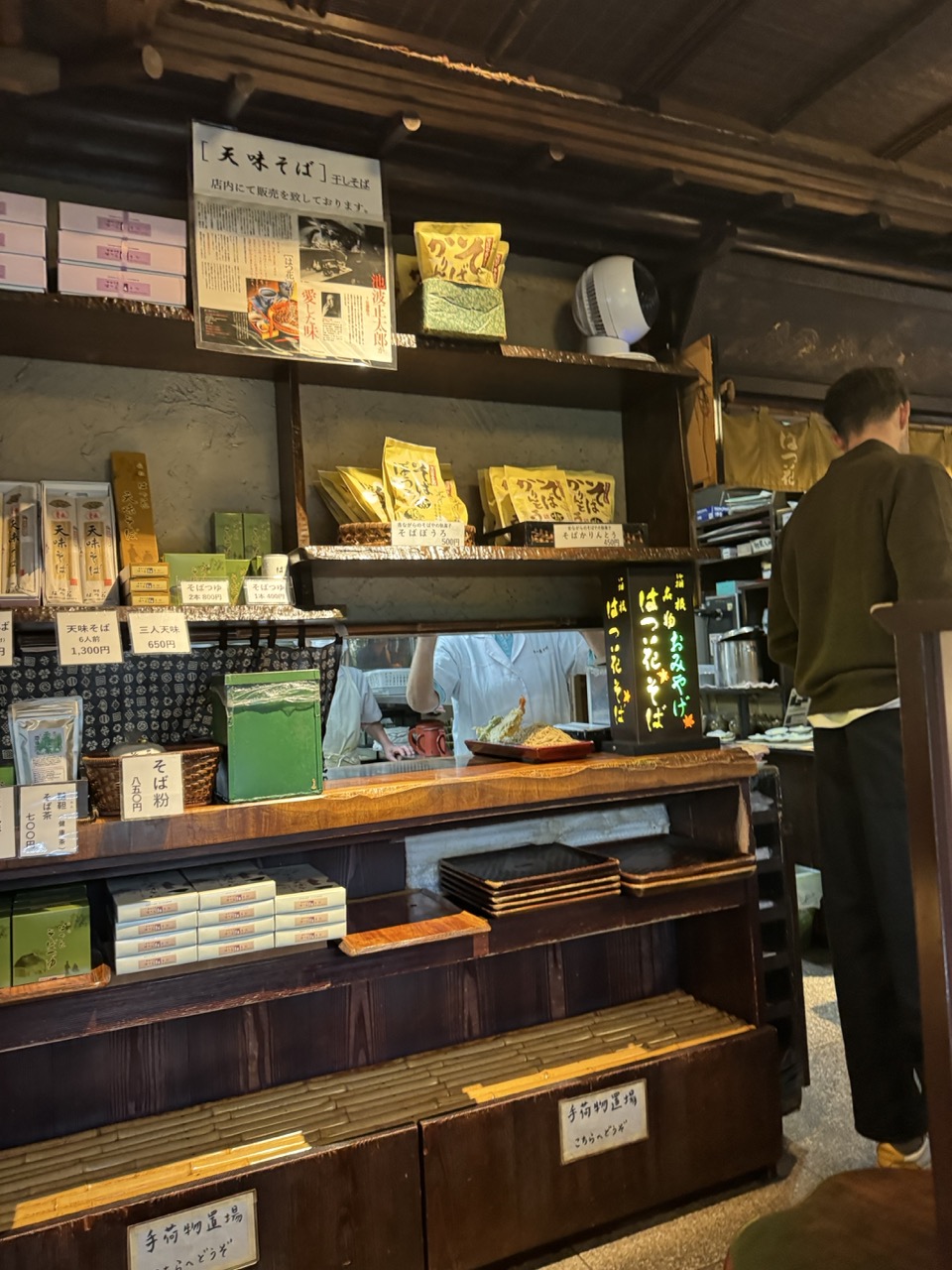
Lunch at Hatsuhana Soba Honten
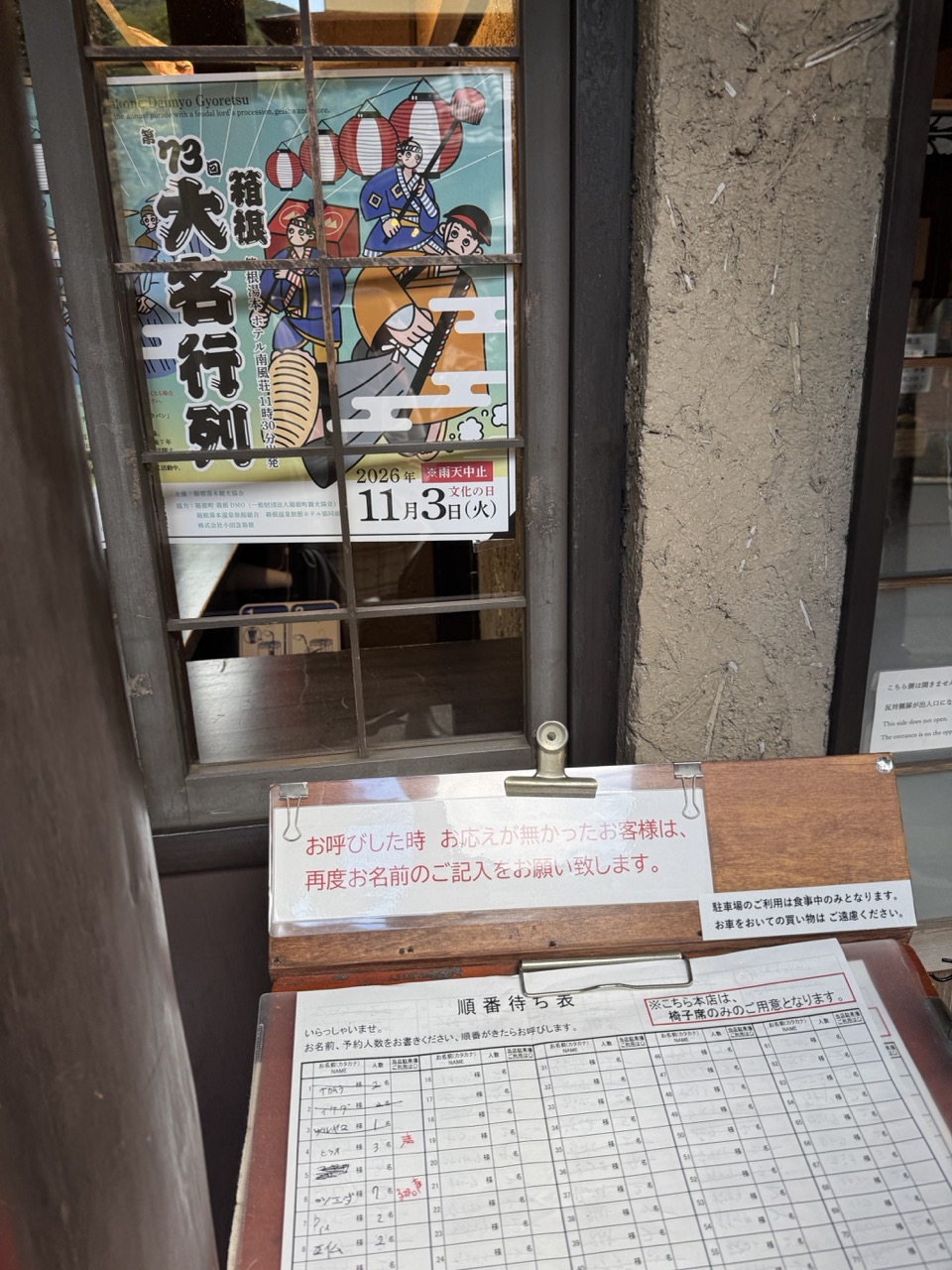
We ate lunch at Hatsuhana Soba Honten during the parade, and this is the part of the day I would warn you about. The restaurant does not take reservations, you write your name on a paper waiting list in person, and when we went the list was very long and full of tourists. The rule that matters: if your name is called and you miss it, you are skipped. You then write your name again at the bottom and start waiting all over, so do not wander far.
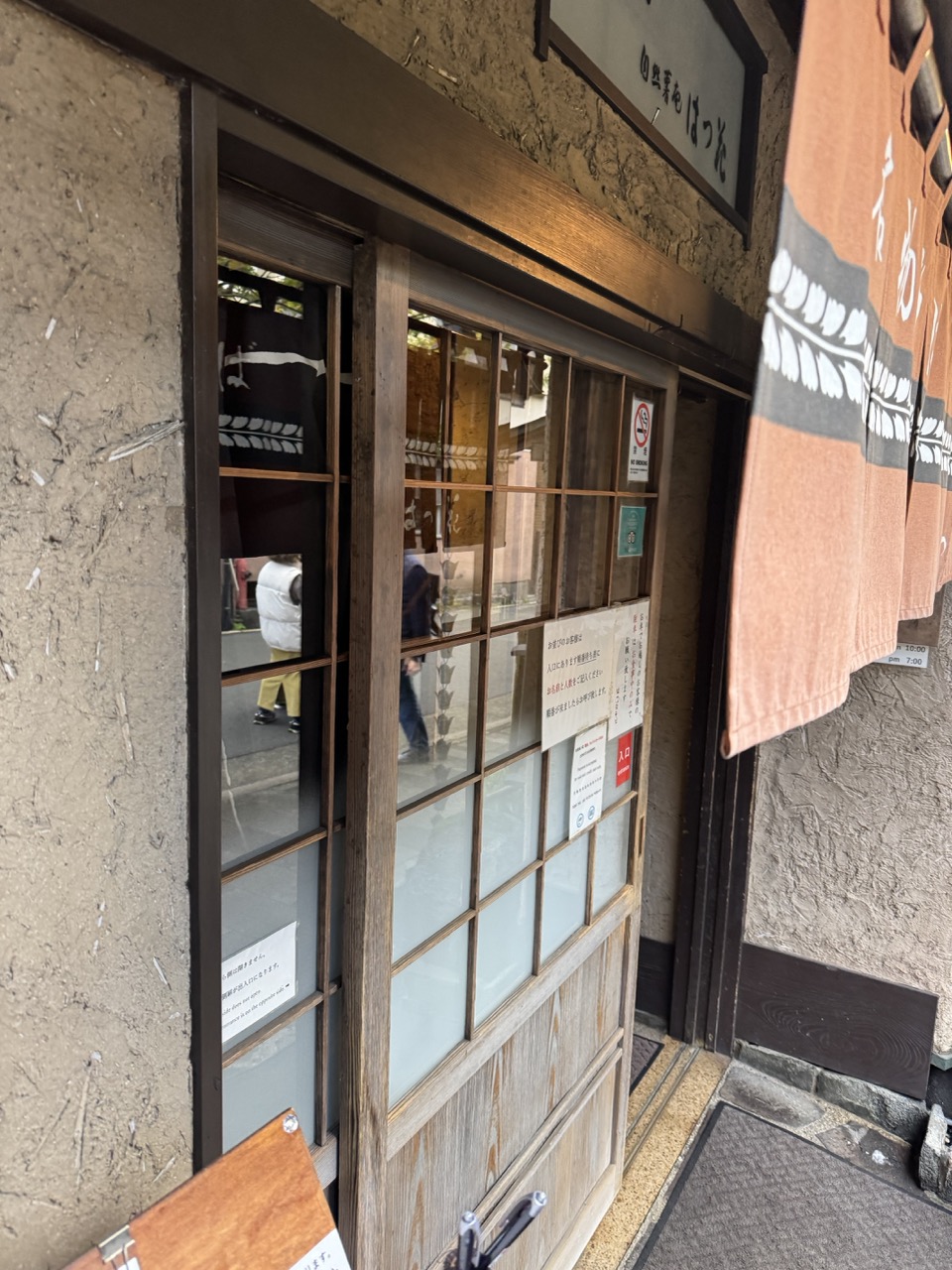
The location adds to the problem. Because the restaurant sits in the middle of the parade route, the street outside was very crowded and it was hard to move through the people to reach the door. That makes the missed name rule harder to live with, since you cannot step away and slip back quickly. Stay close and leave extra time.
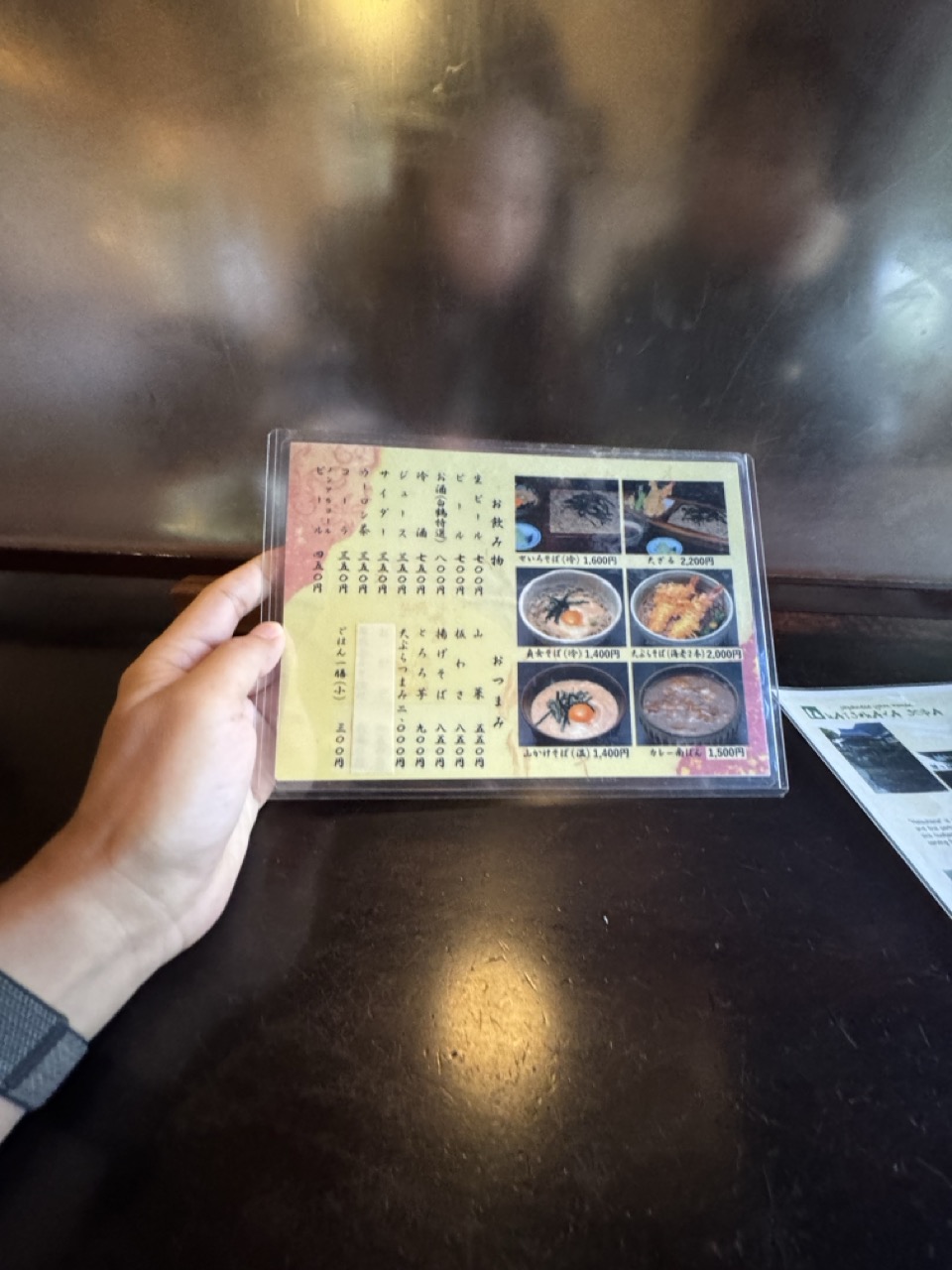
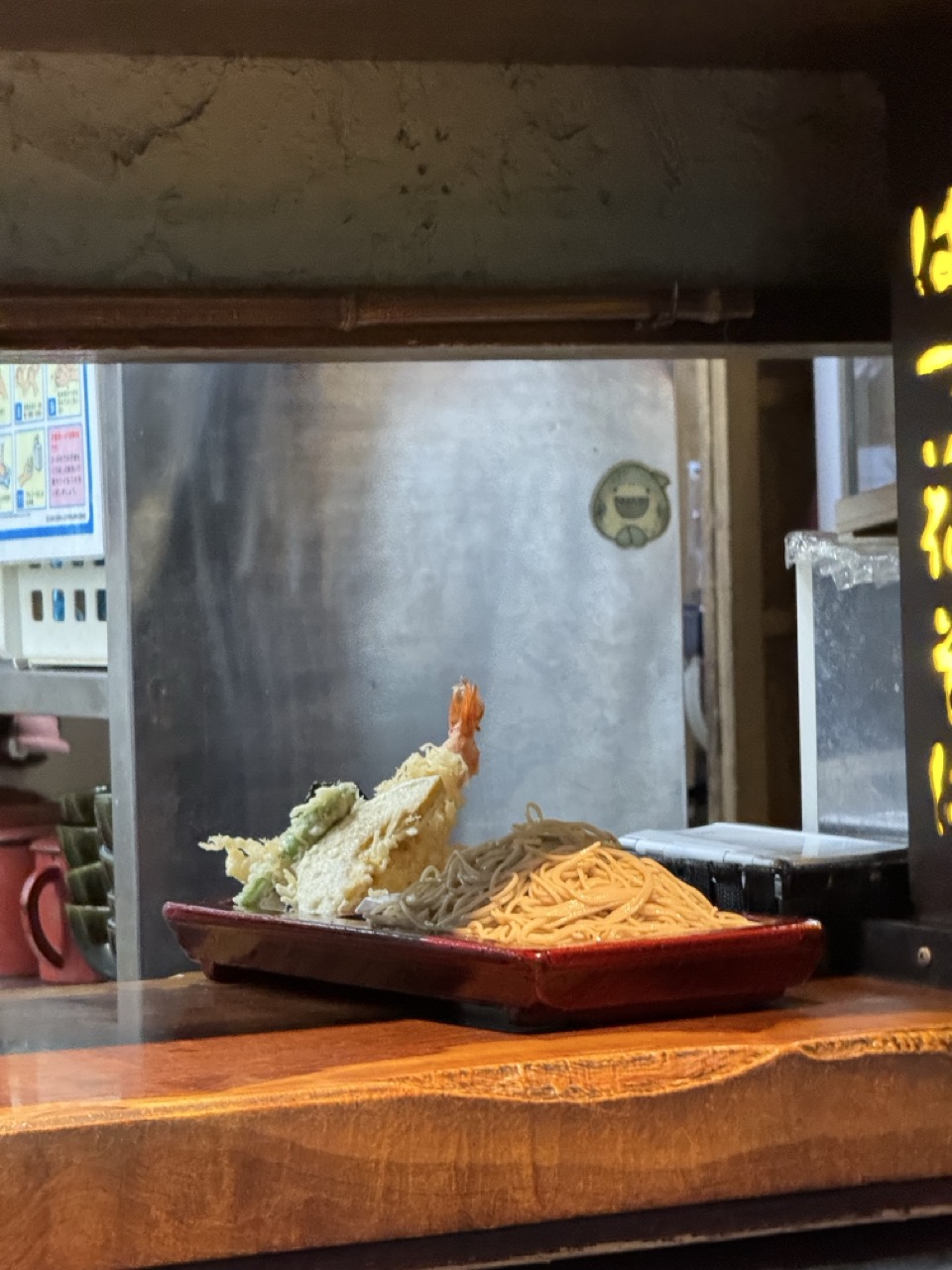
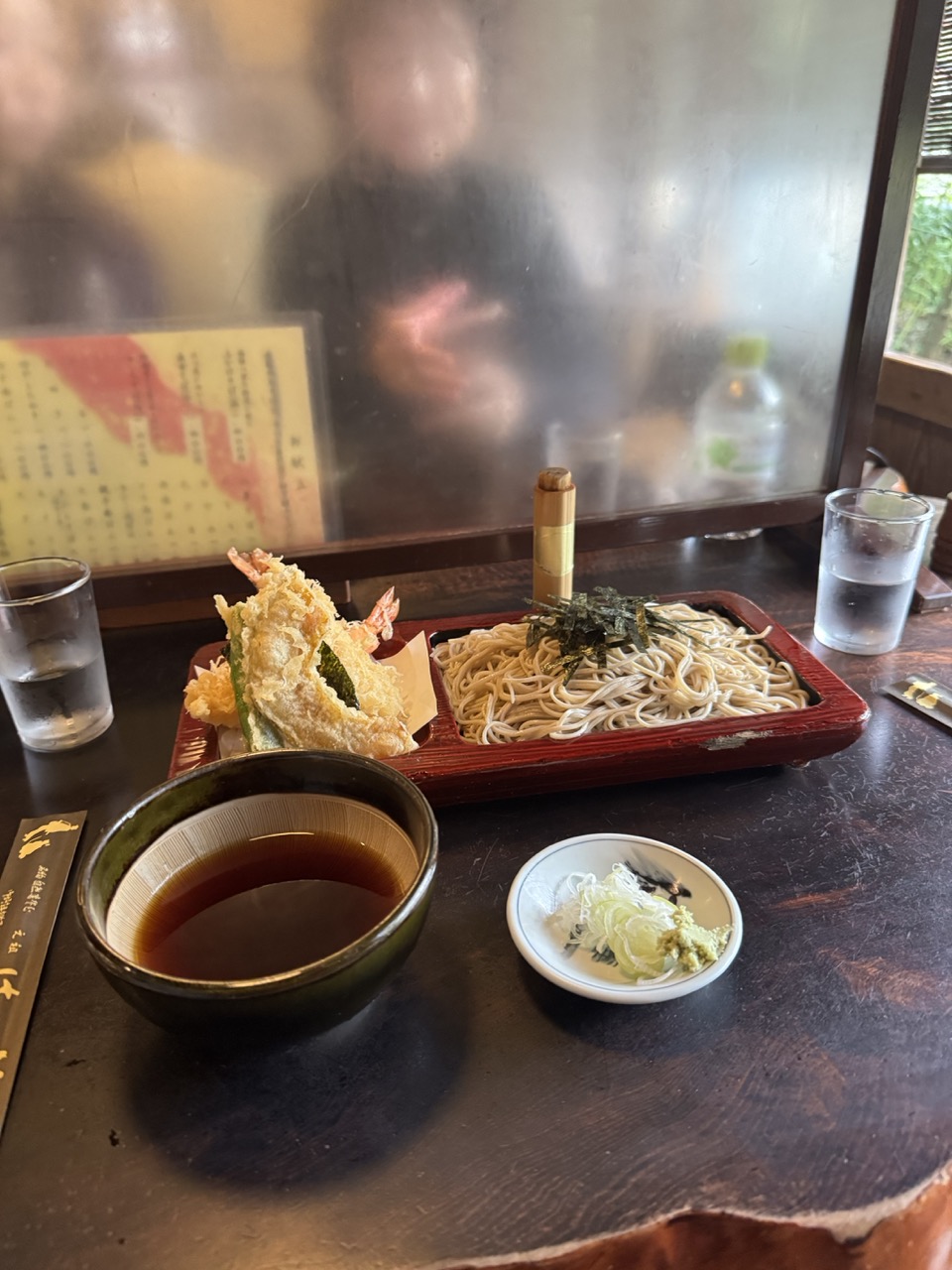
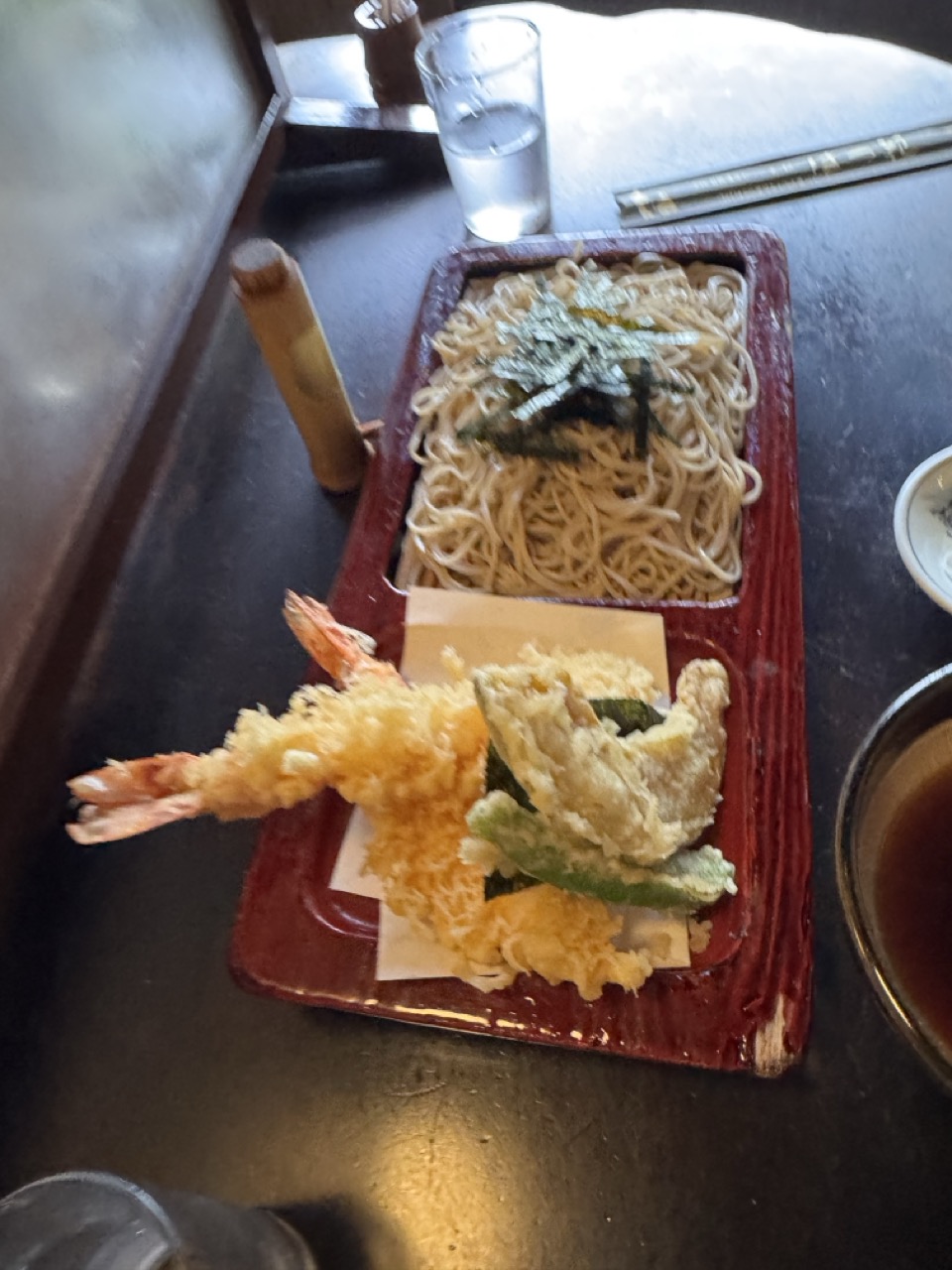
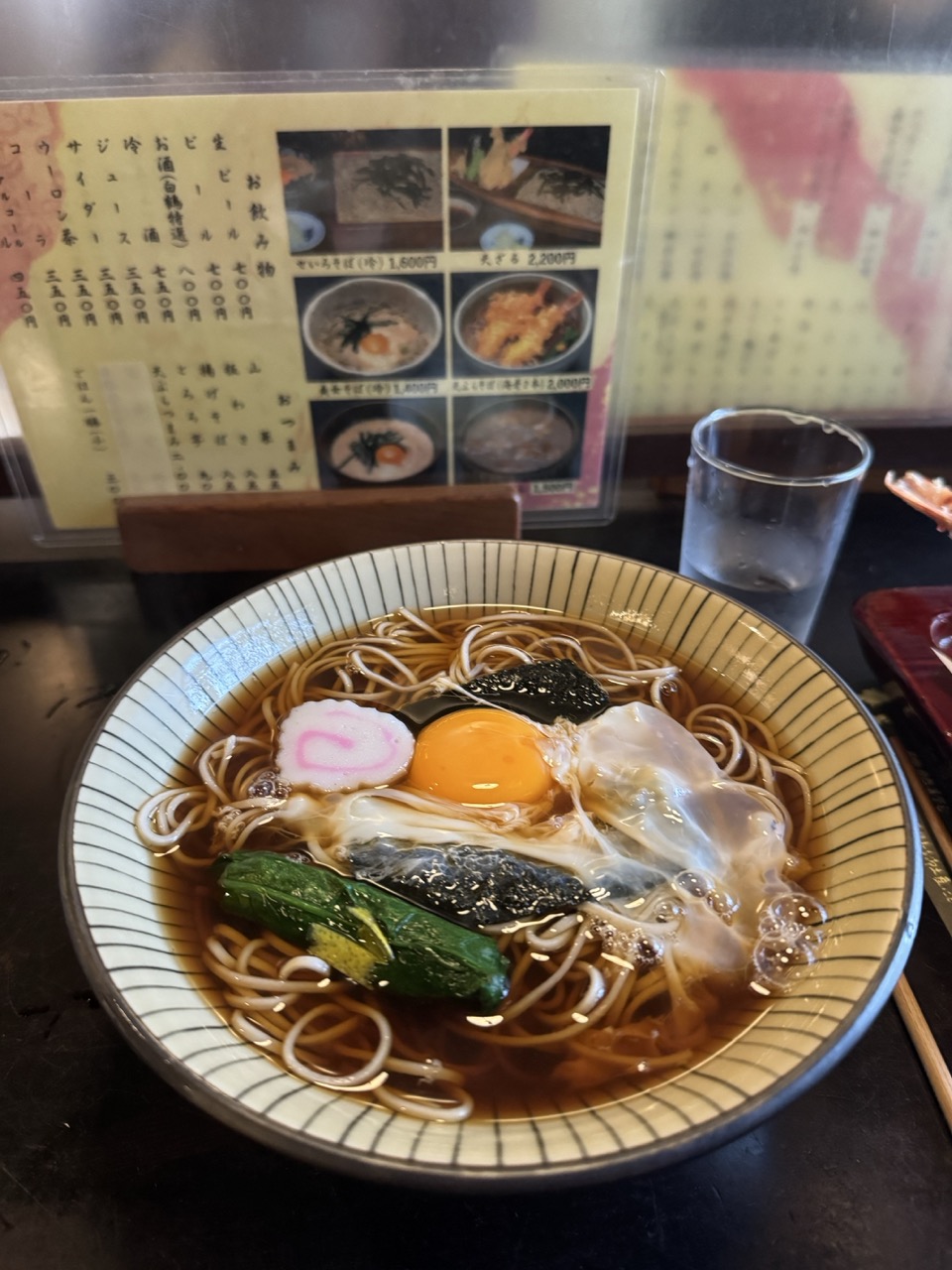
We ordered the tempura cold soba and the hot soba with raw egg so we could compare. We enjoyed both, but the hot soba was clearly better, with much more flavour. The cold soba was good but not our favourite, since we have had better cold soba elsewhere, and after that wait we expected a little more.
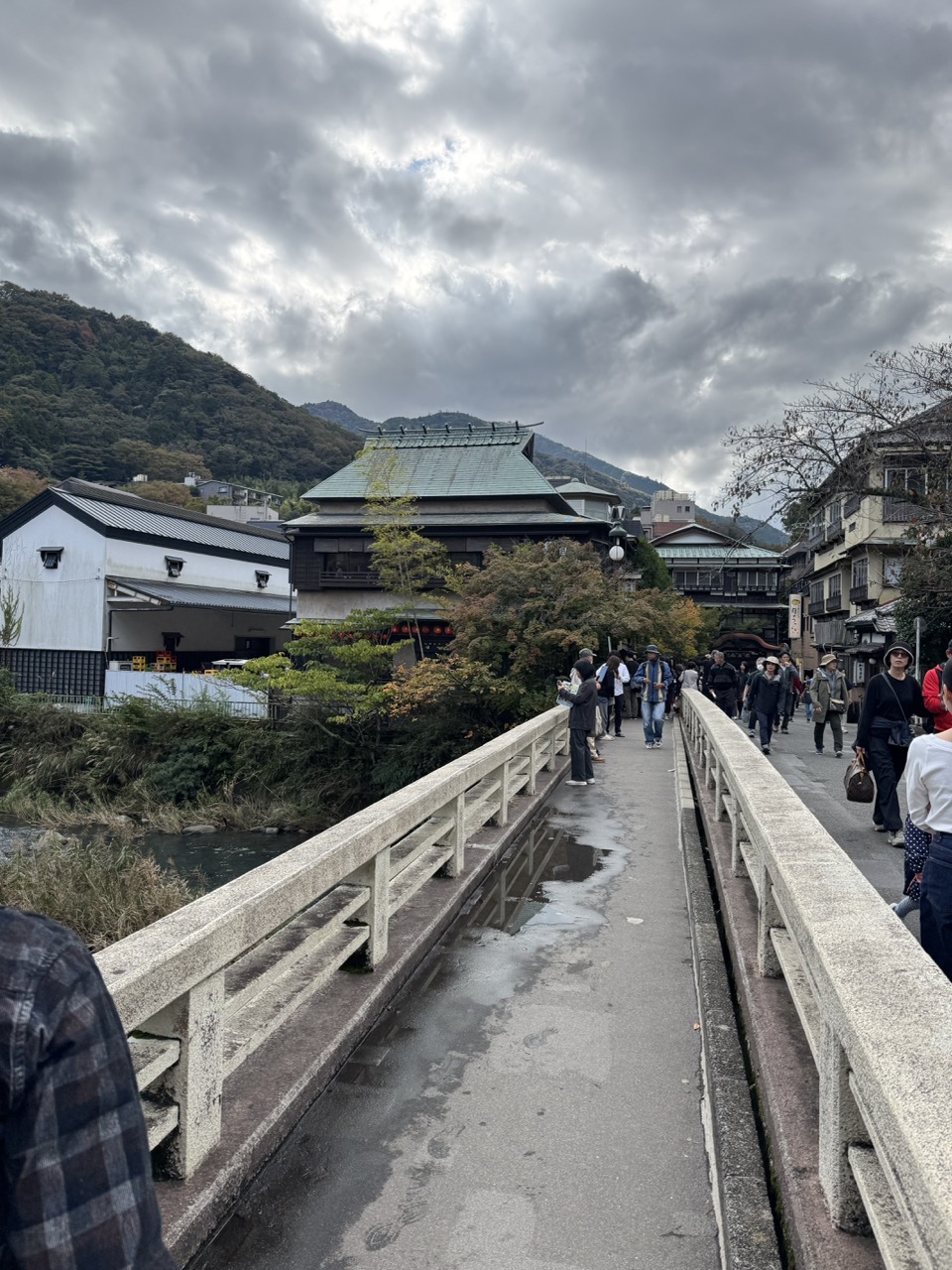
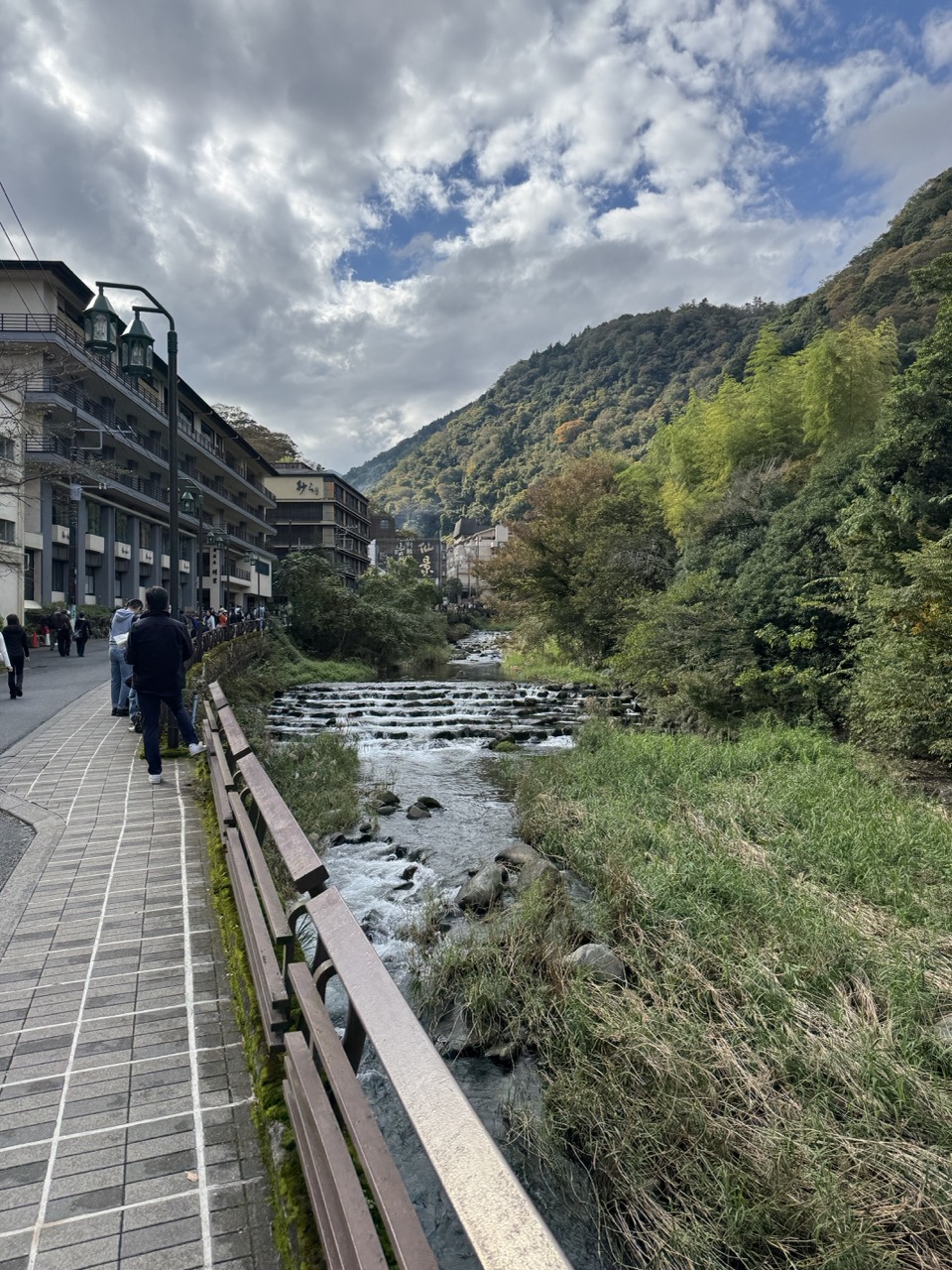
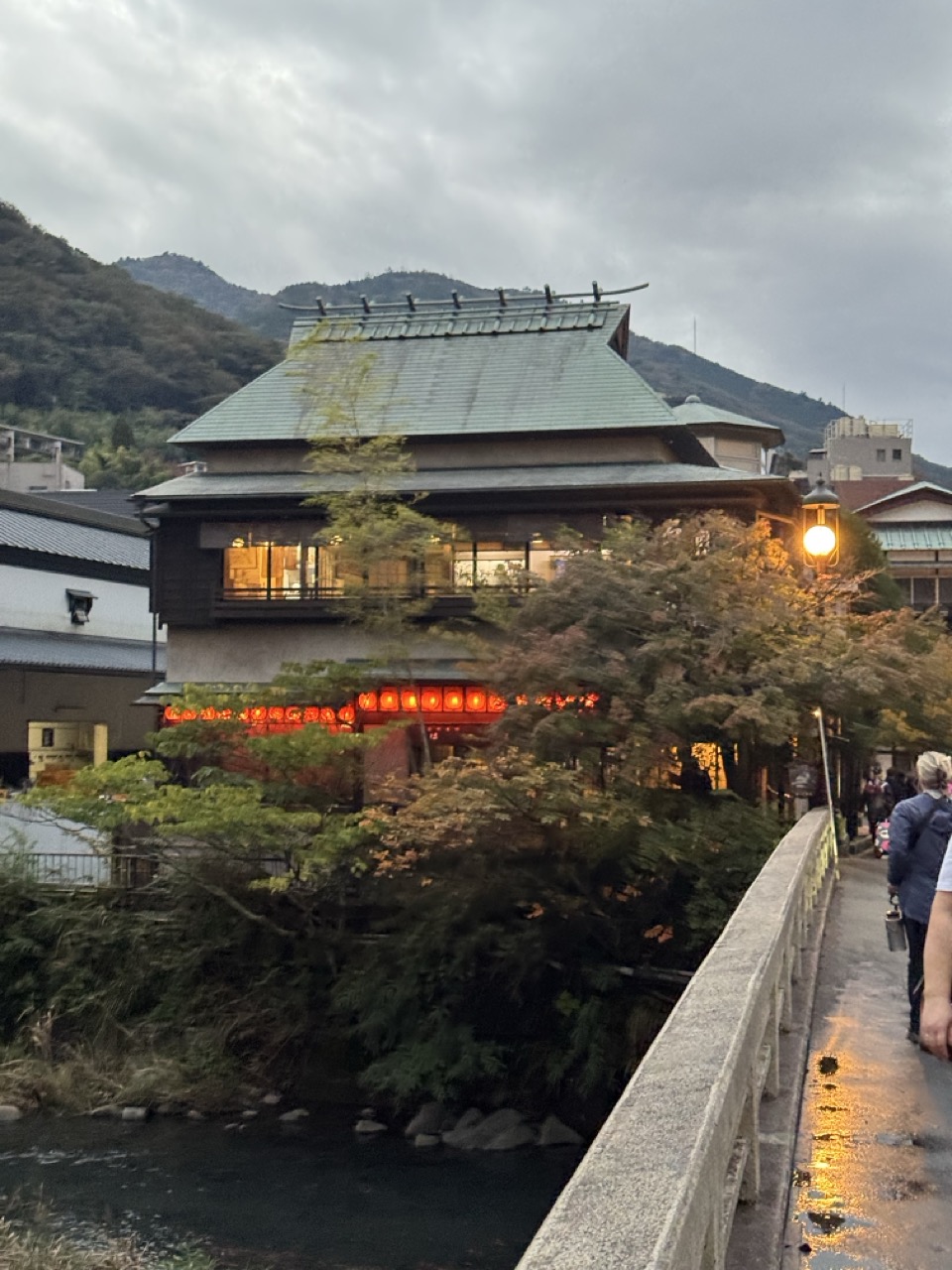
On the plus side, the seating is comfortable, each table has a private screen divider, and the restaurant sits right beside the river with colourful autumn trees outside. The shop is open 10am to 7pm and closes on Wednesdays. That matters next year, because November 3, 2027 is a Wednesday. Overall it is worth trying once for the hot soba and the riverside location, as long as you go expecting a queue and a crush outside.
Browsing the Main Street
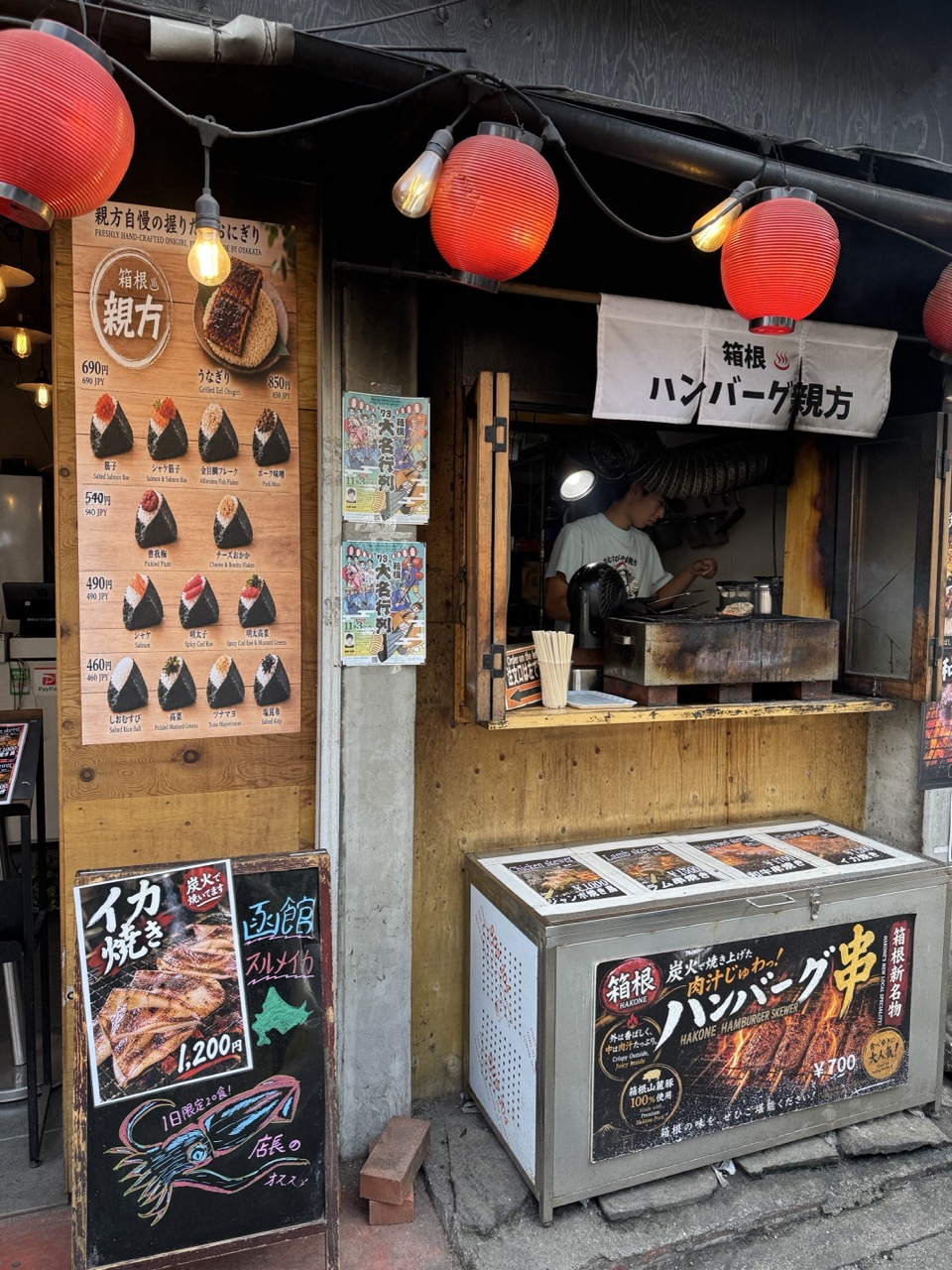
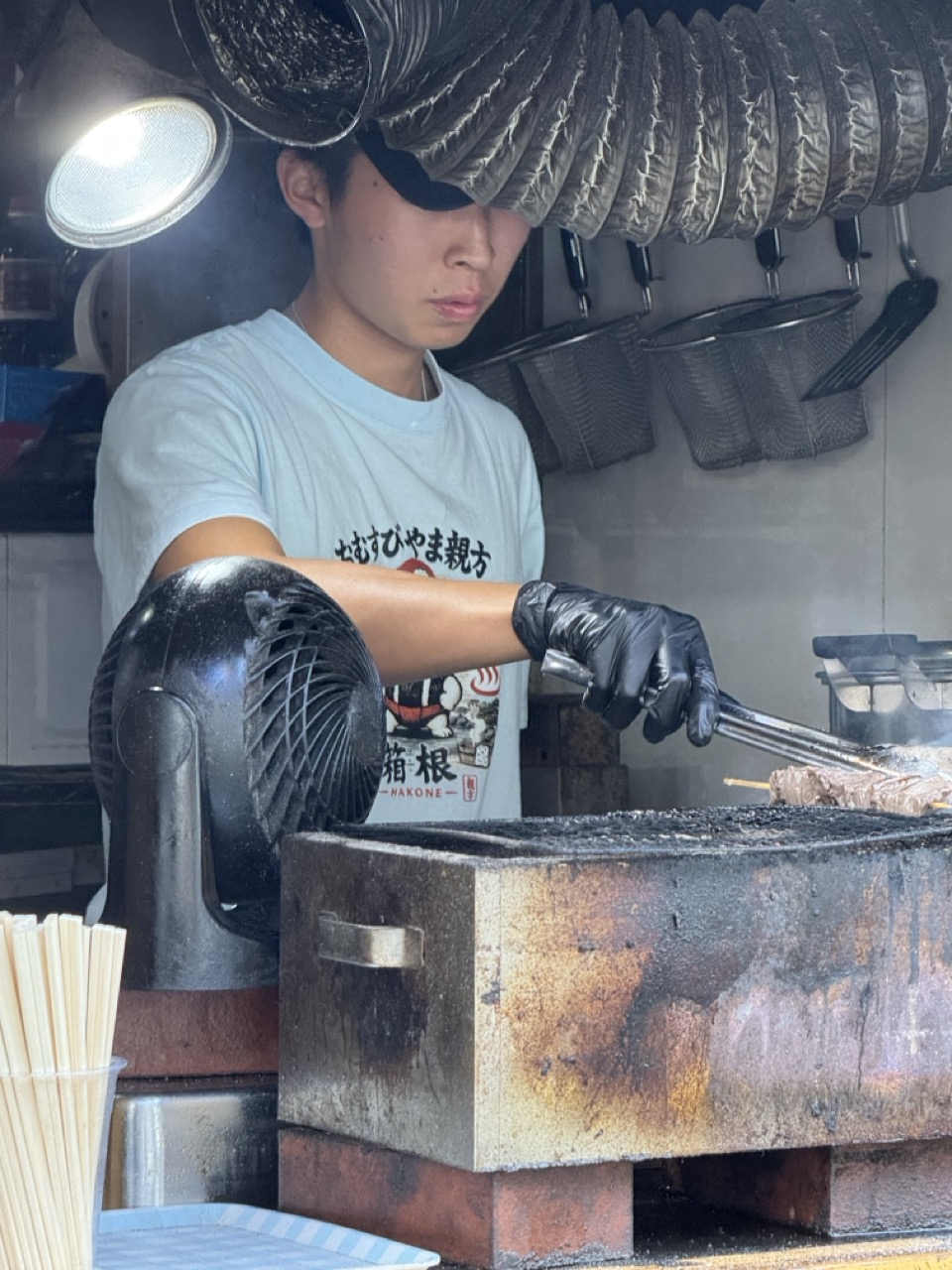
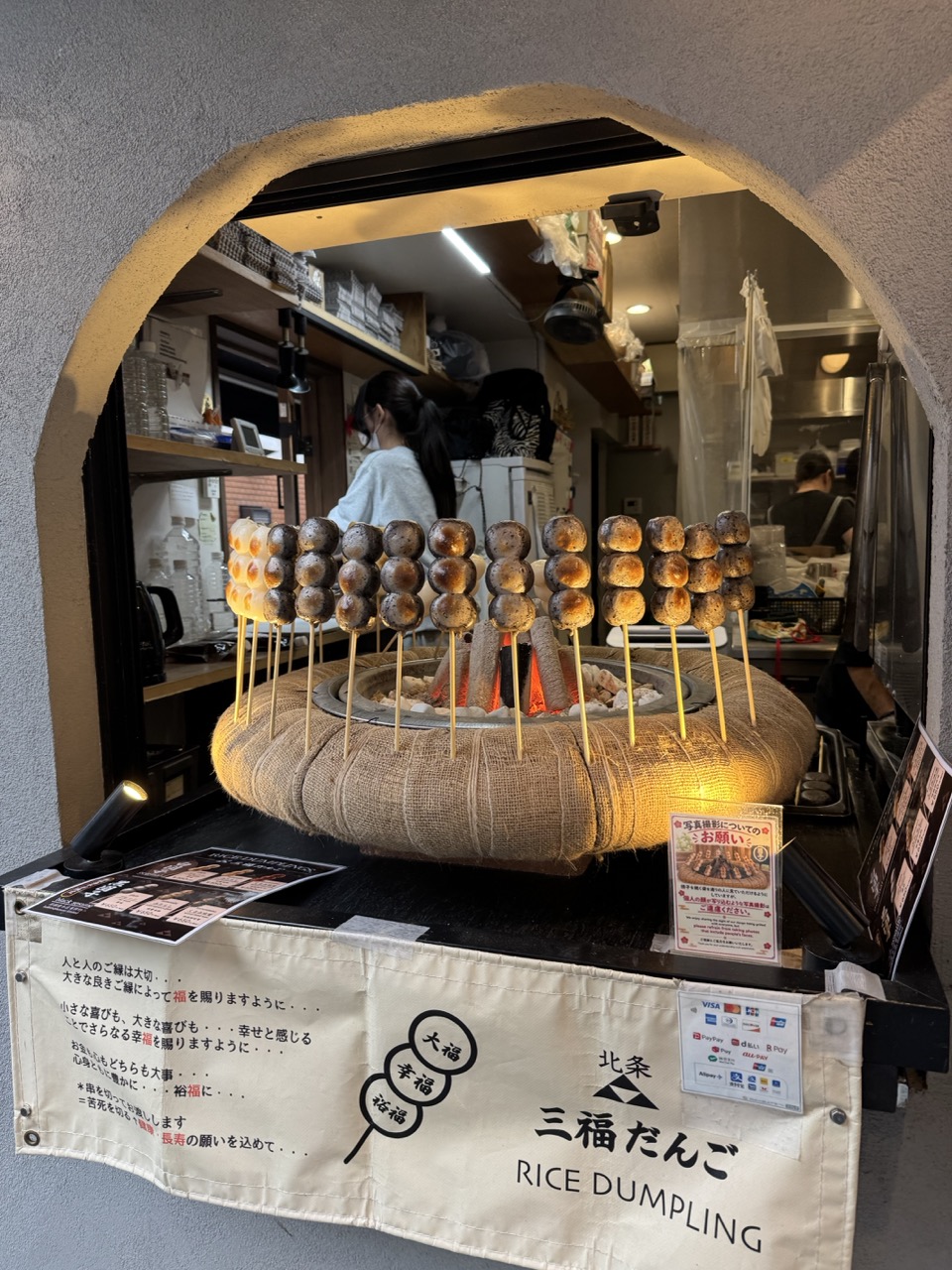
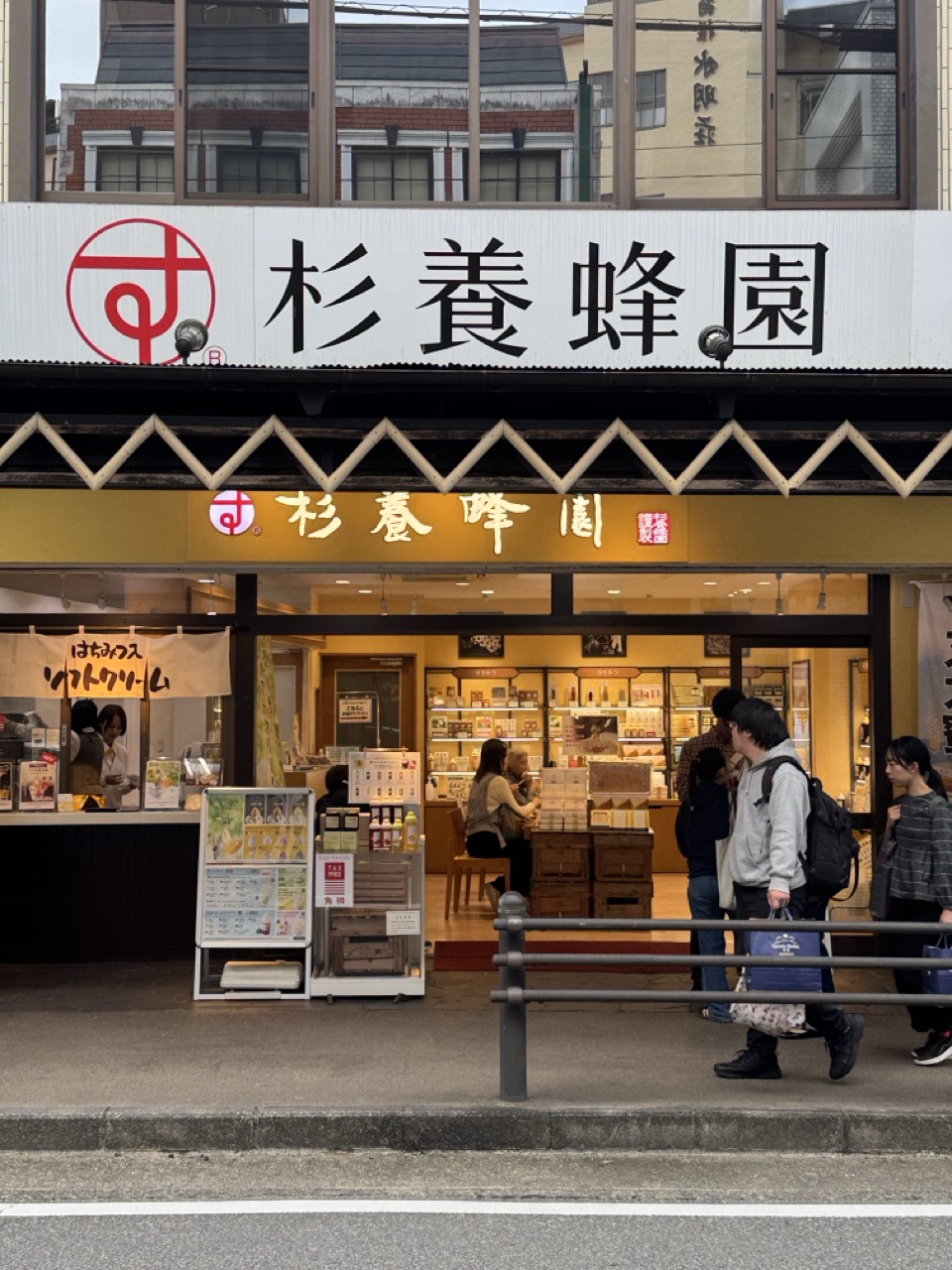
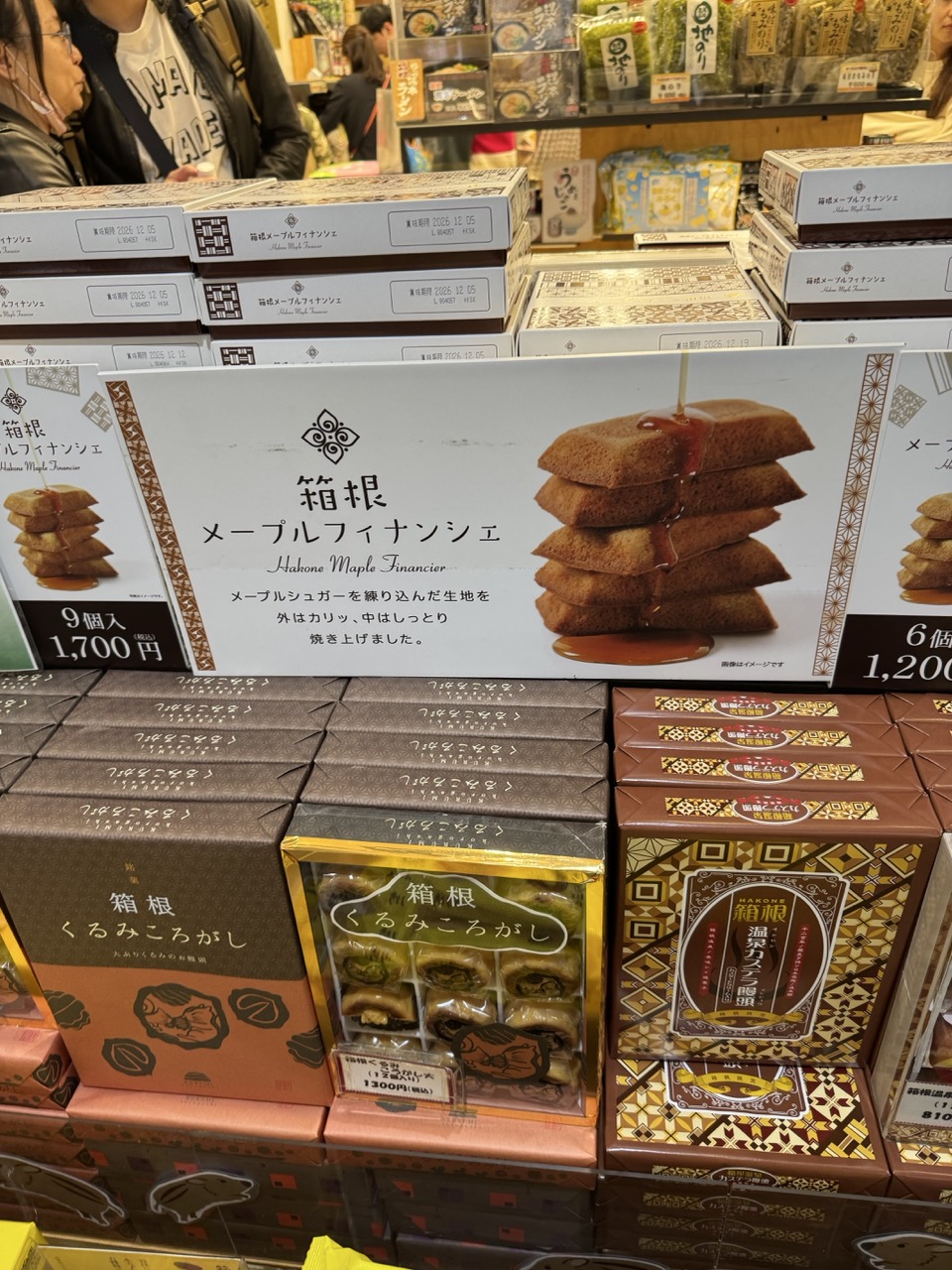
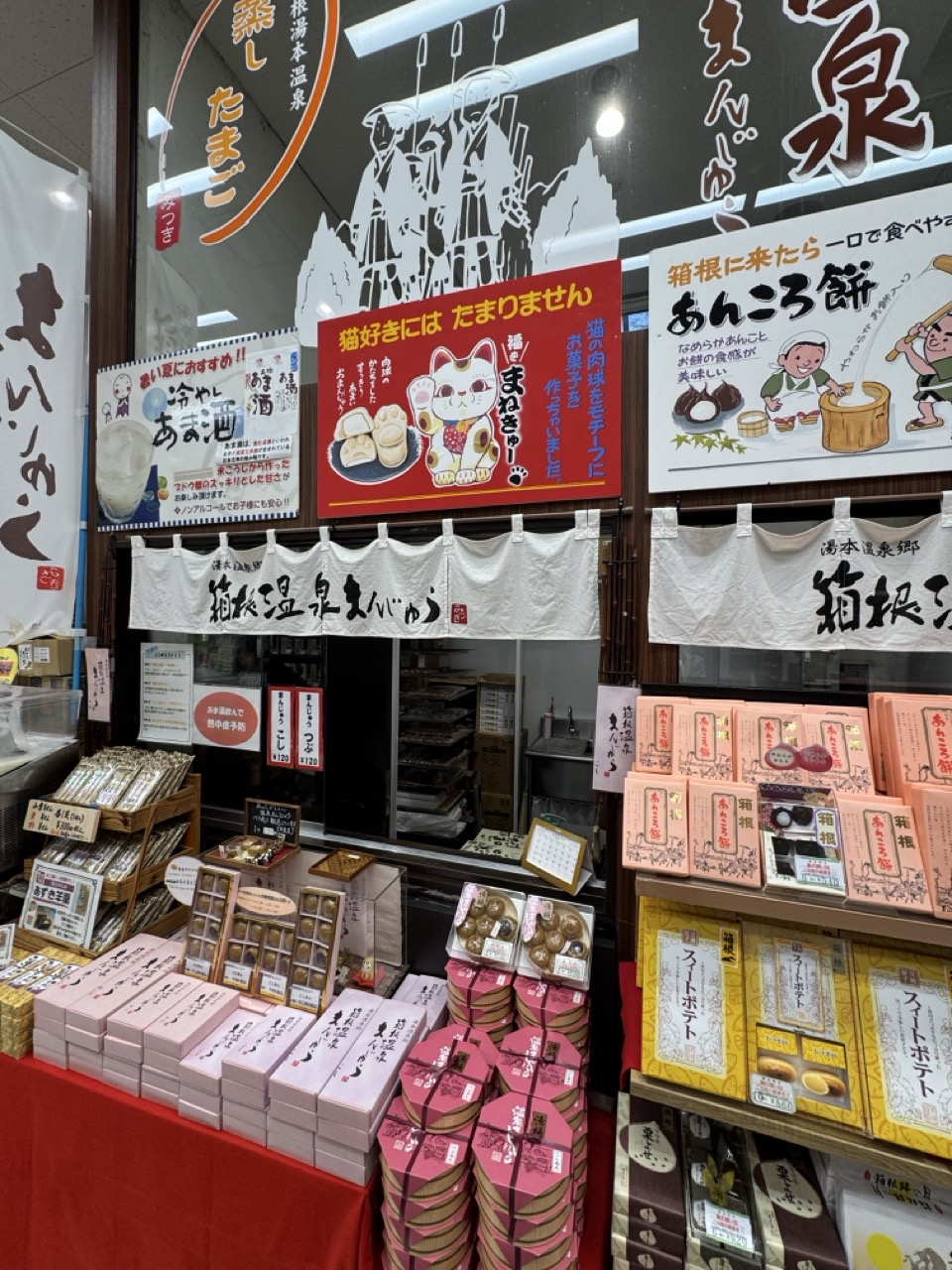
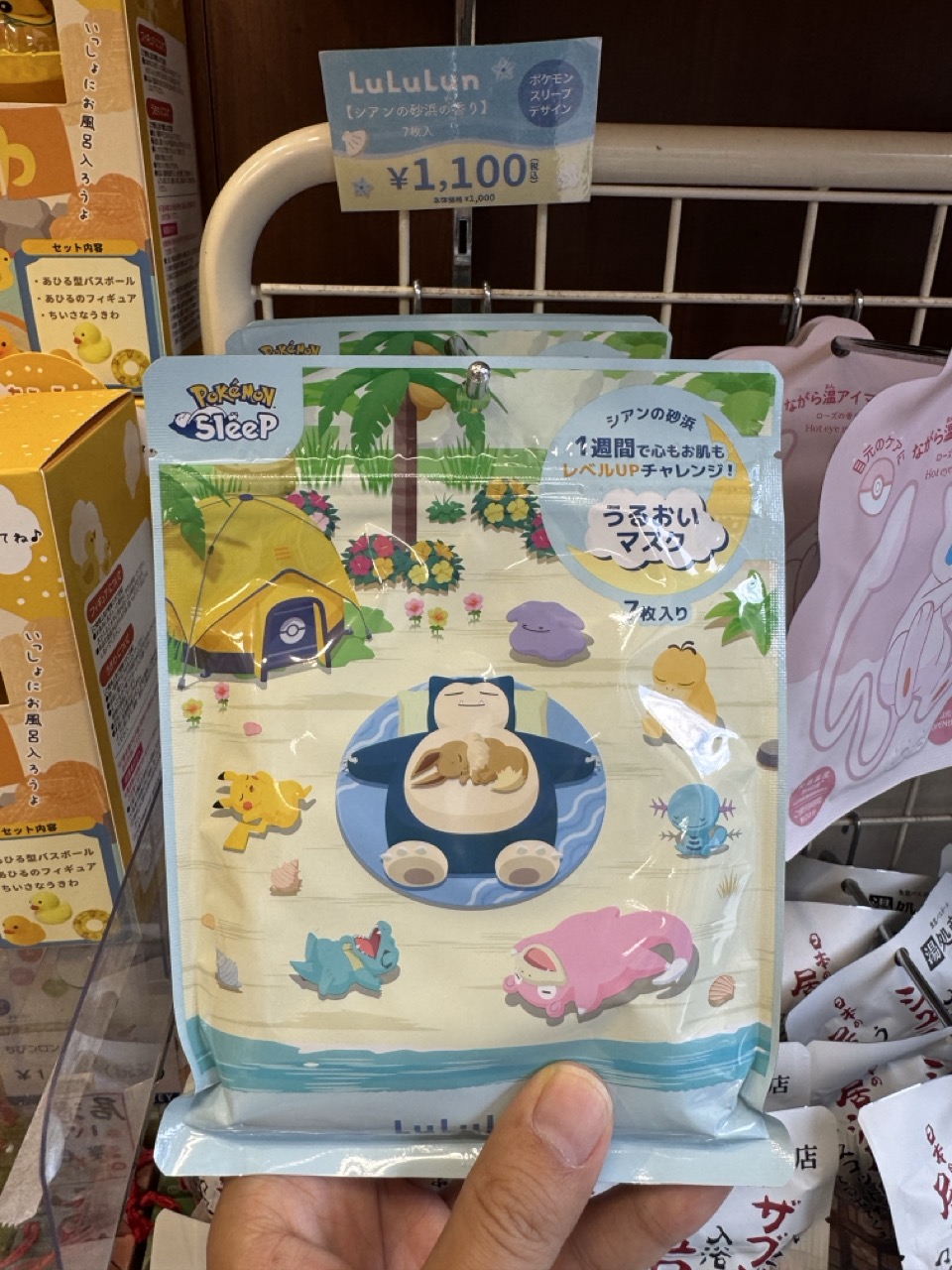
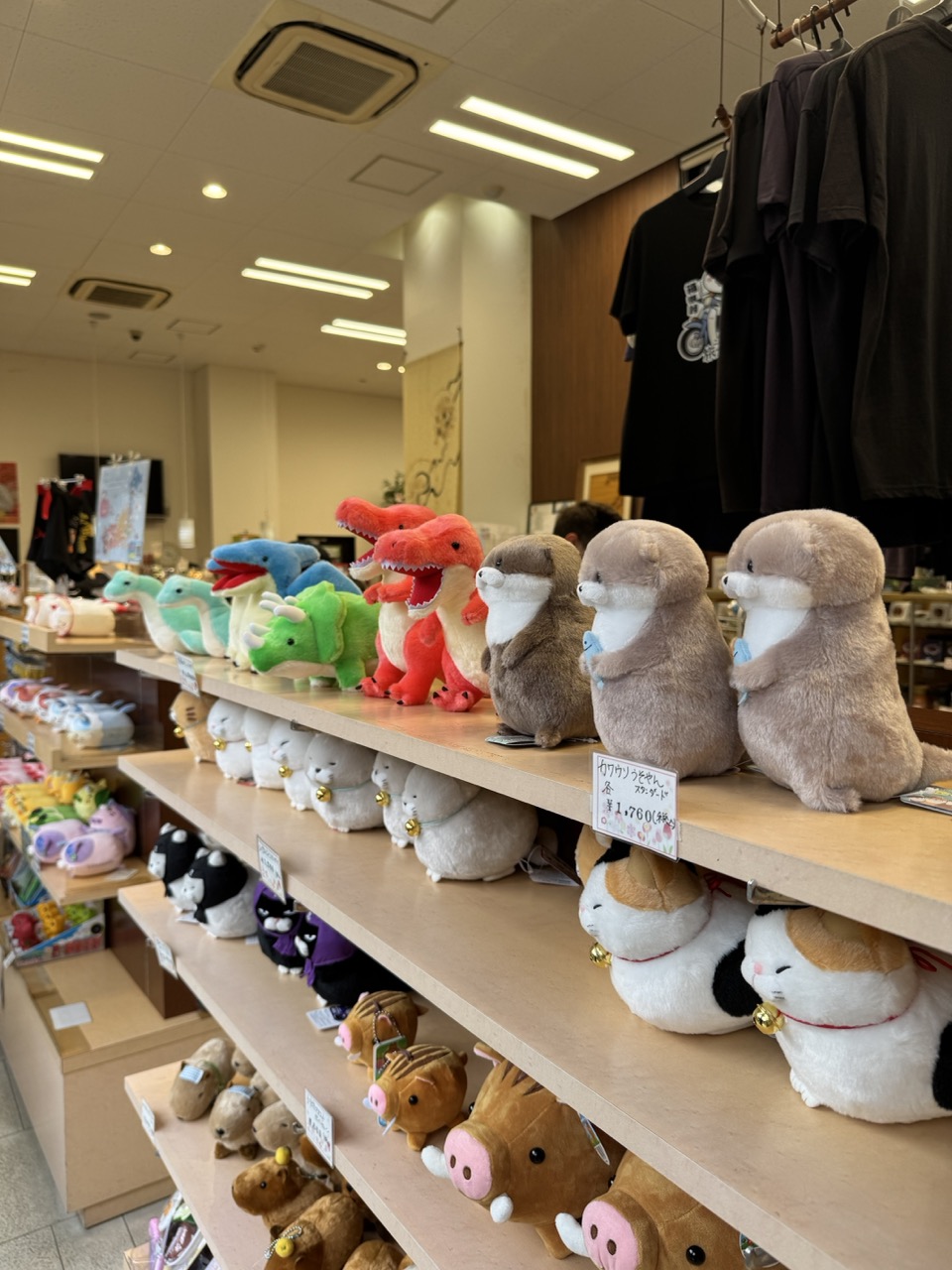
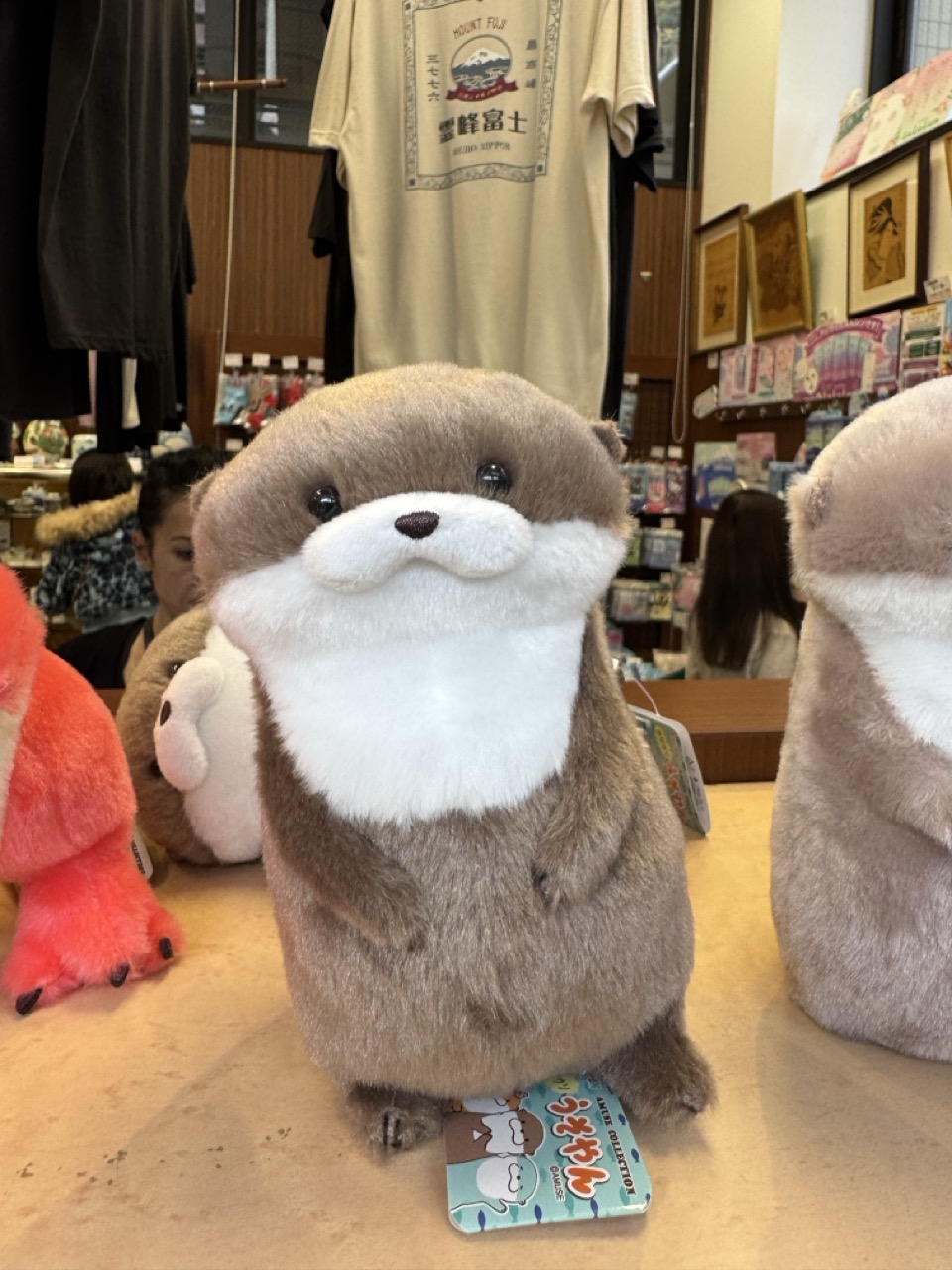
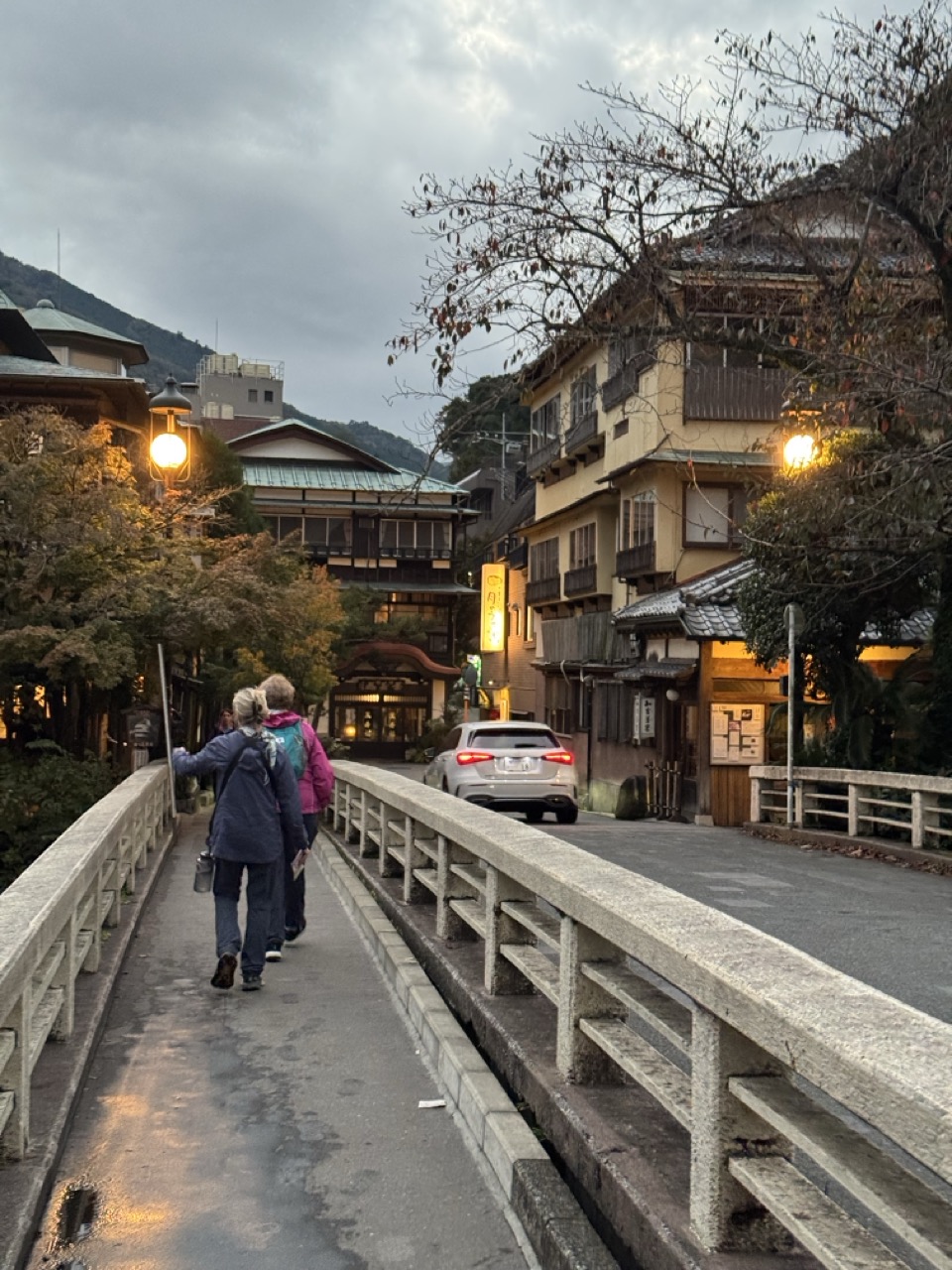
After lunch we walked along the main street in Hakone Yumoto. The street is lined with many different shops, with a wide variety of food and sweets, plus souvenirs. We spent time browsing, and we were amazed at how many lovely shopping options there were. It is the kind of street where you plan to pop in somewhere for ten minutes and look up an hour later.
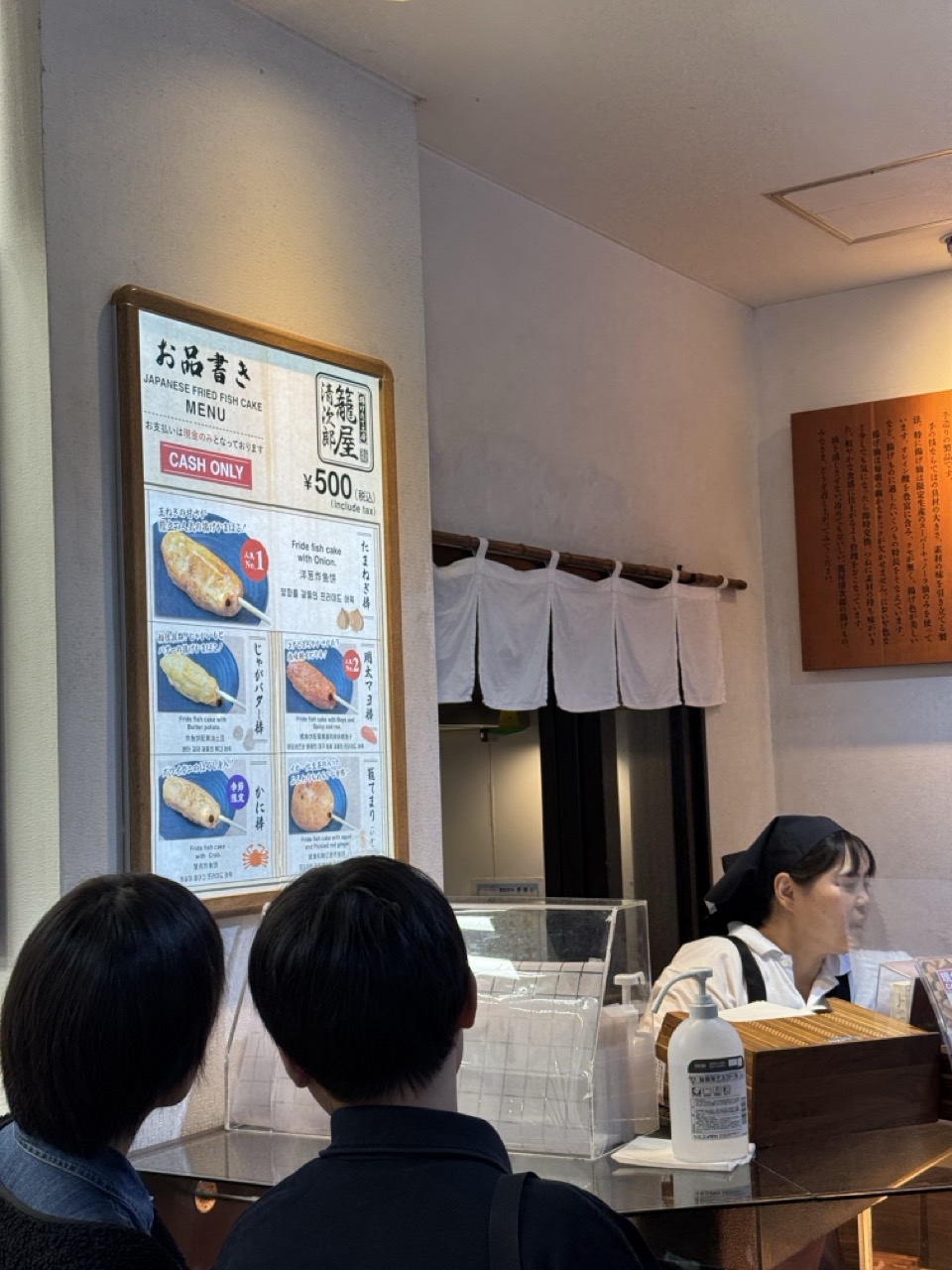
Odakyu's food walk guide lists a wide mix of street food and sweets, including tiramisu soft serve, abalone skewers, curry bread and pudding. I have not tried those, but they show how much variety is packed into a short stretch. Leave time for this, and do not treat it as filler between the parade and dinner. It is also a good way to pass the time if a restaurant has a long wait.
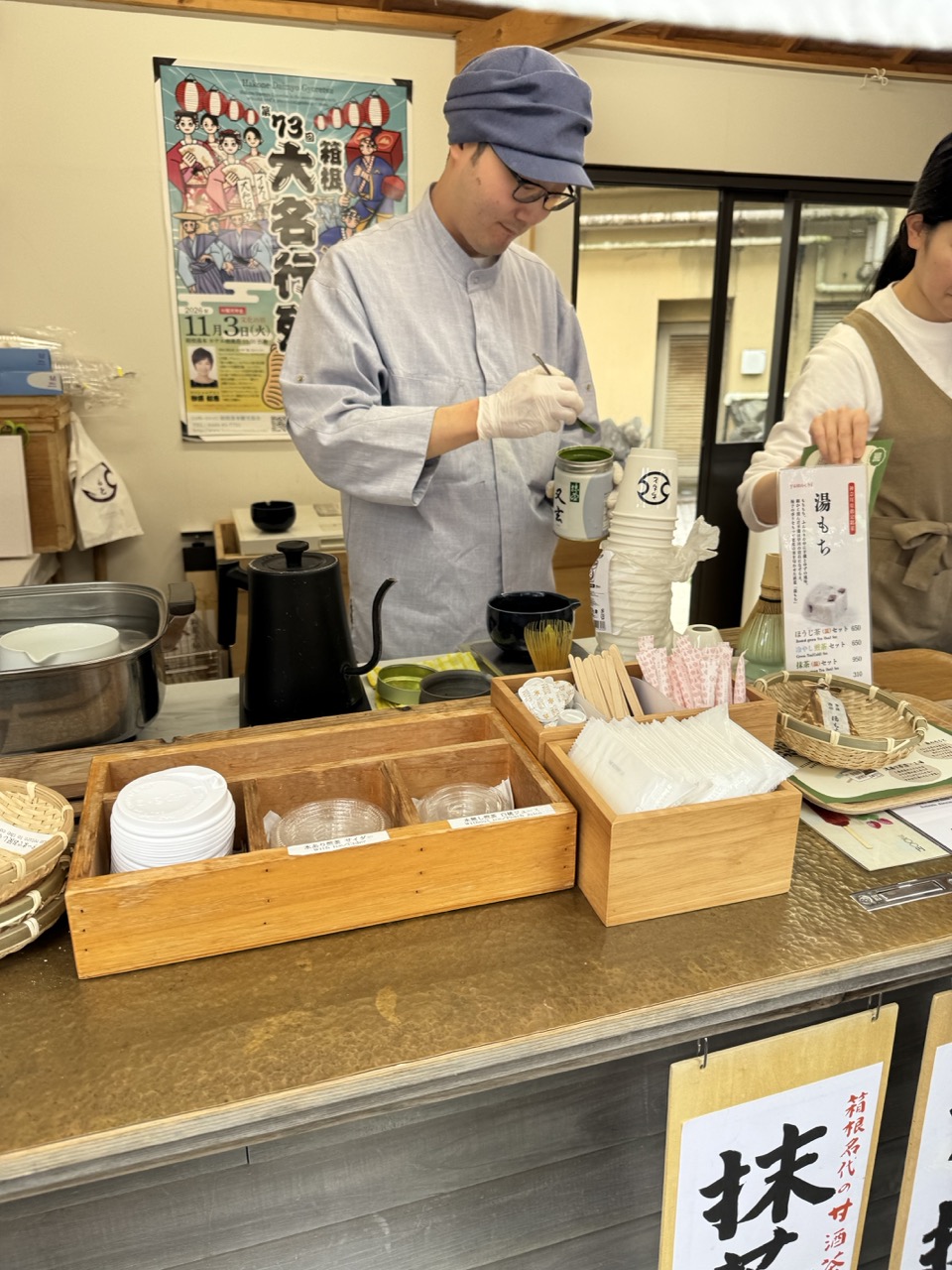
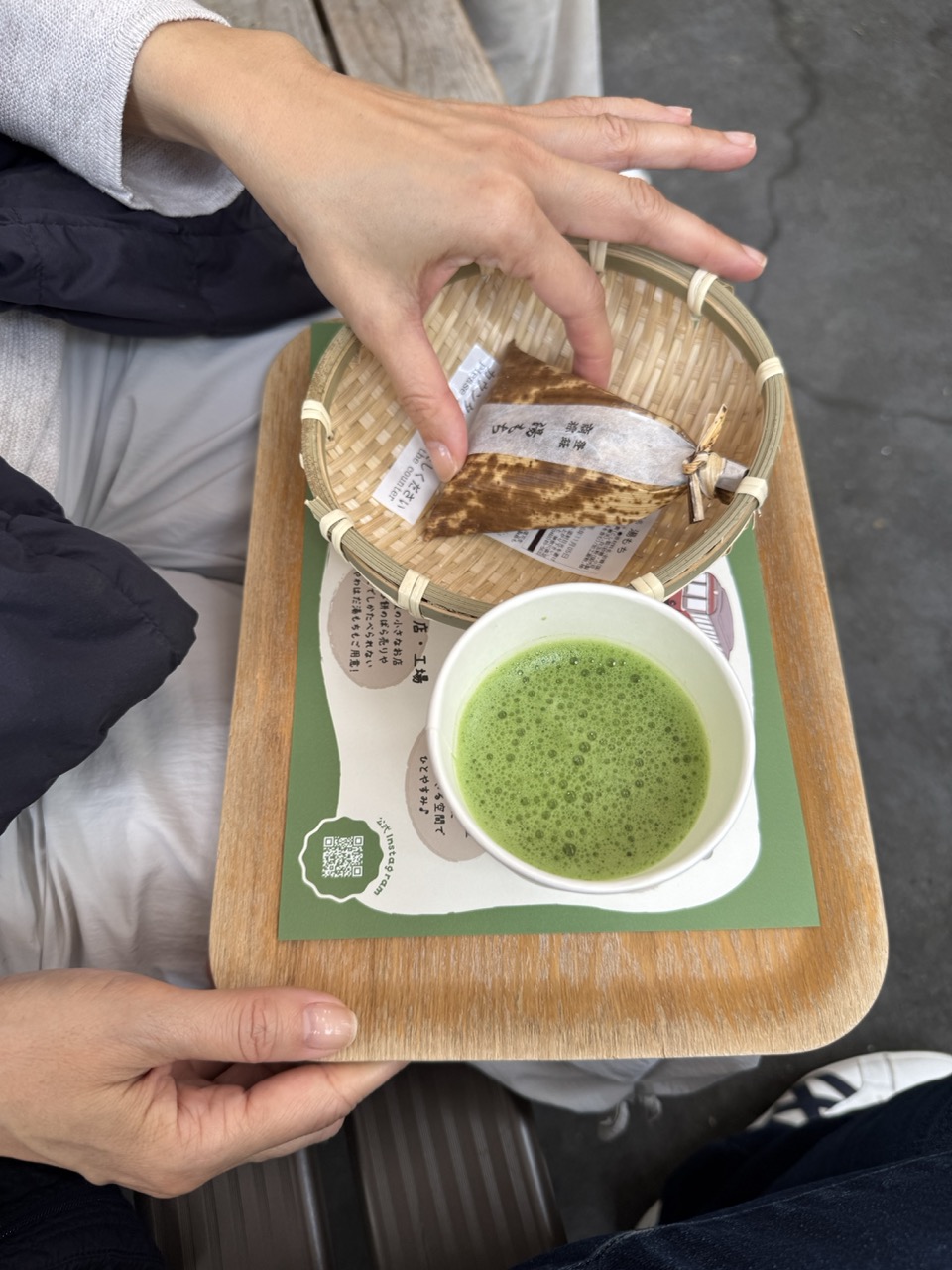
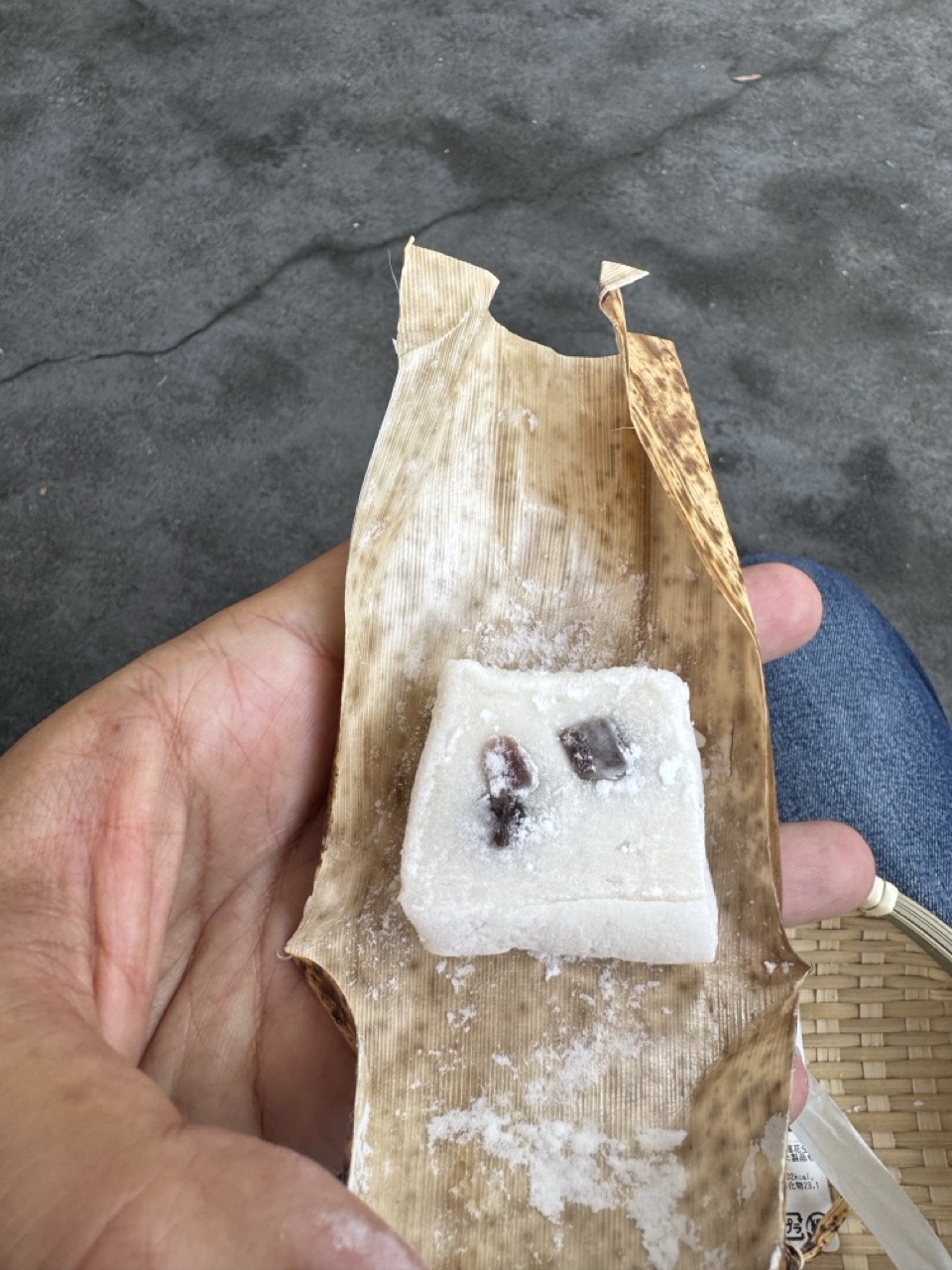
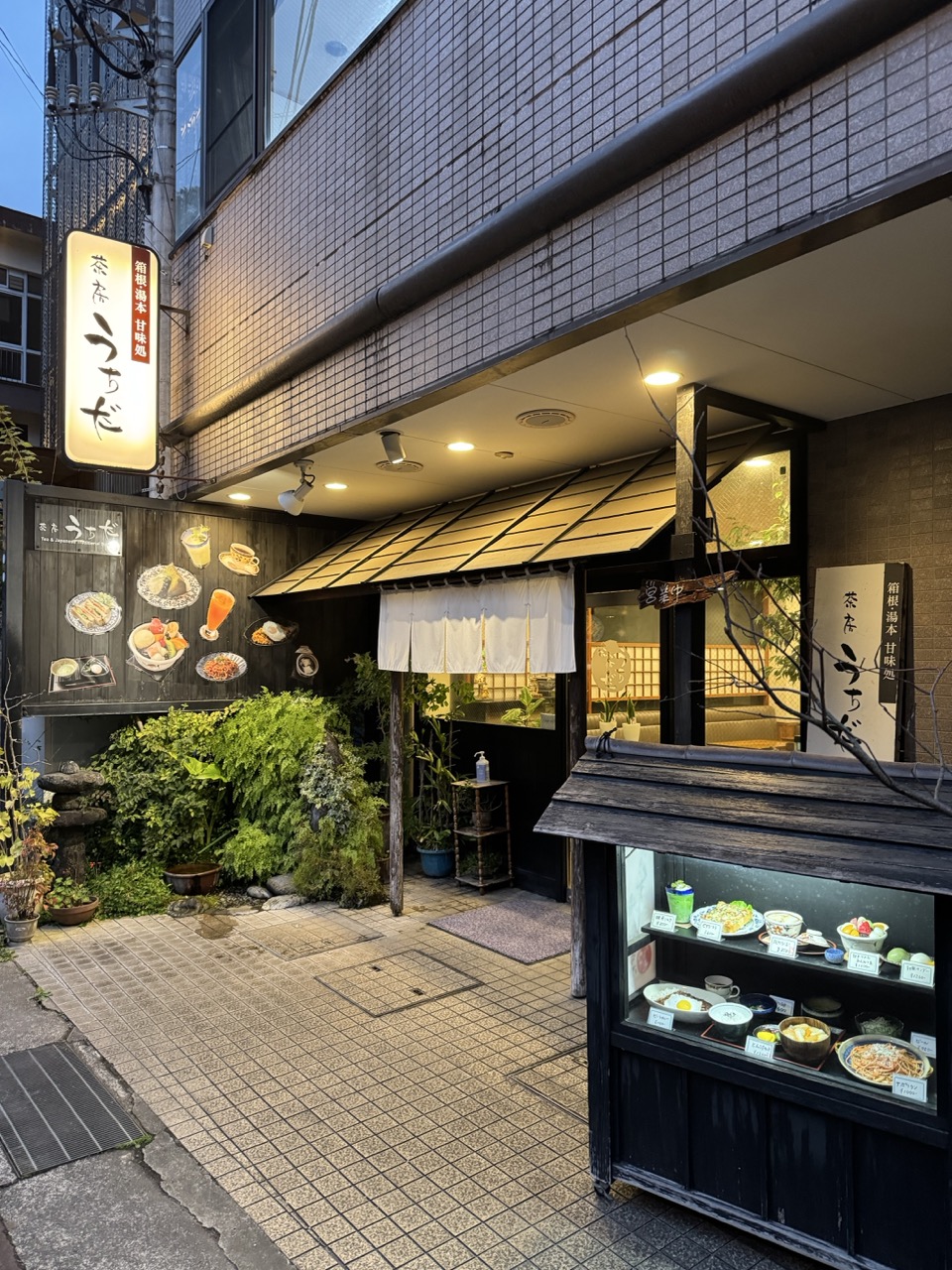
We tried the yumochi and it was very good, soft and delicate. The matcha was very dense and full of flavour, a strong match for something this gentle and sweet. Odakyu's guide says yumochi with matcha is the most popular pairing, and after trying it I can see why.
The shop is about a five minute walk from the station and open from 9am to 5pm, but yumochi can sell out before closing time, so do not leave it for the end of the day. Listings disagree on whether cards are accepted, so carry some cash.
Dinner at Kin no Dashi Sho
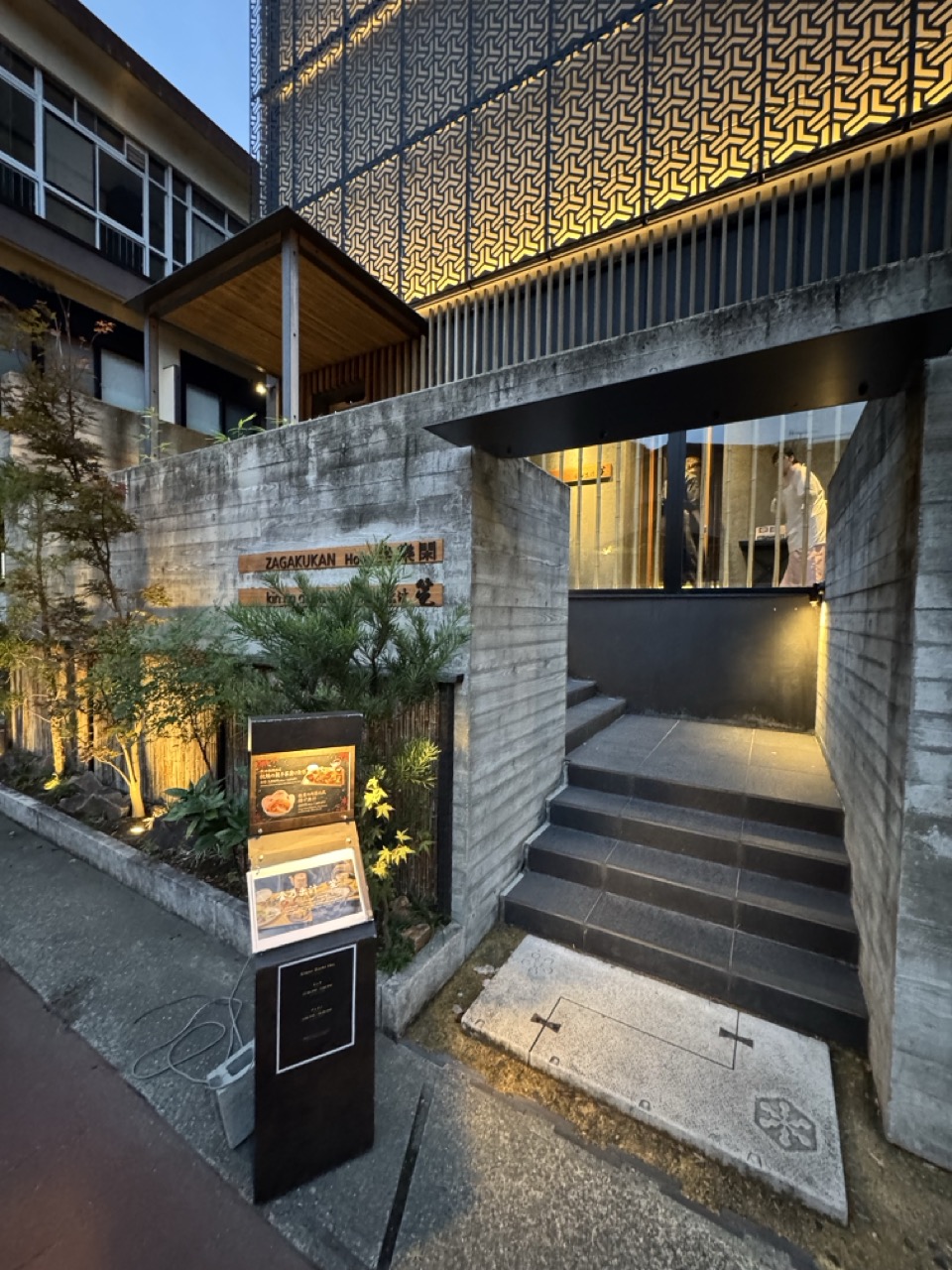
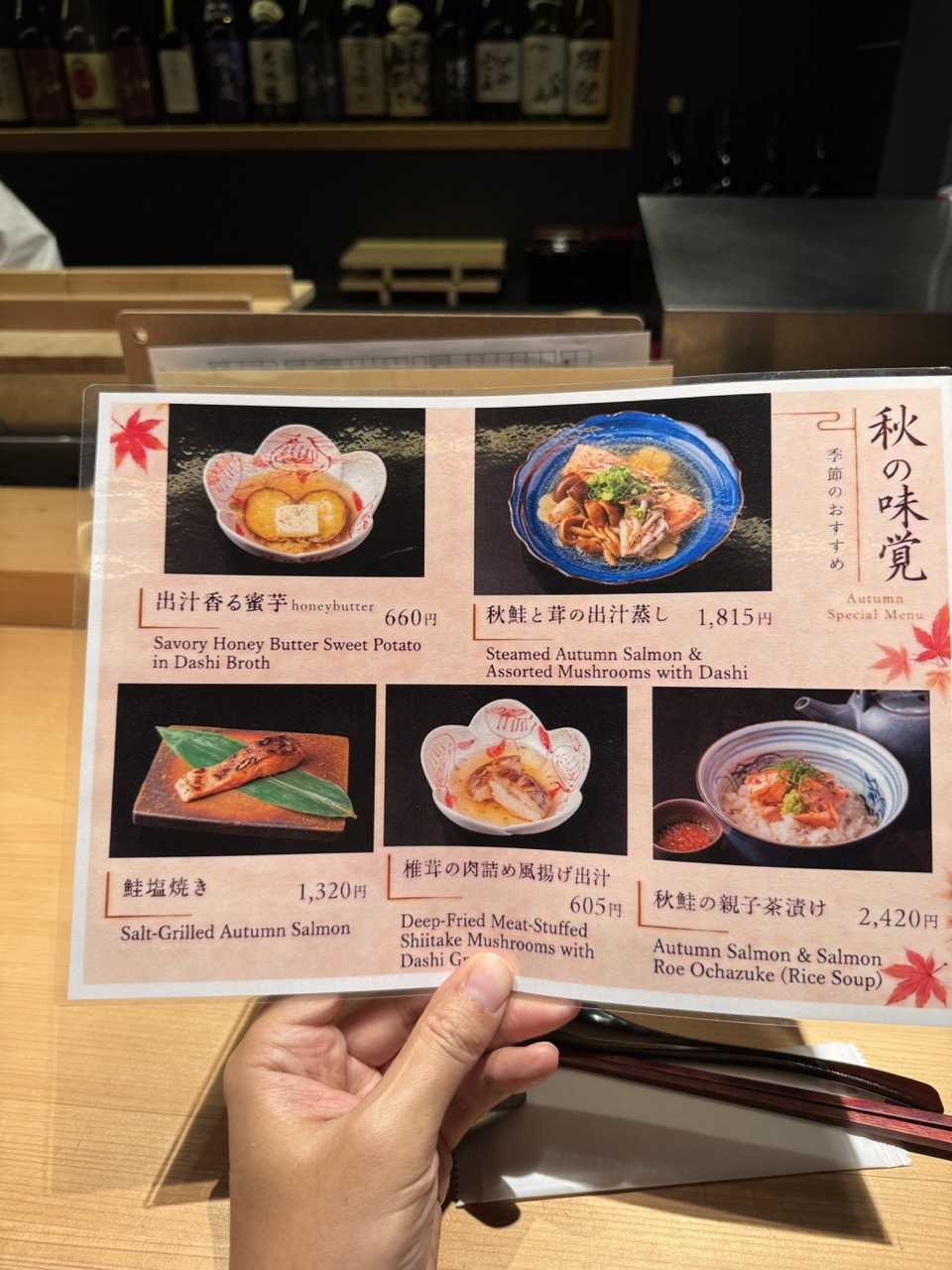
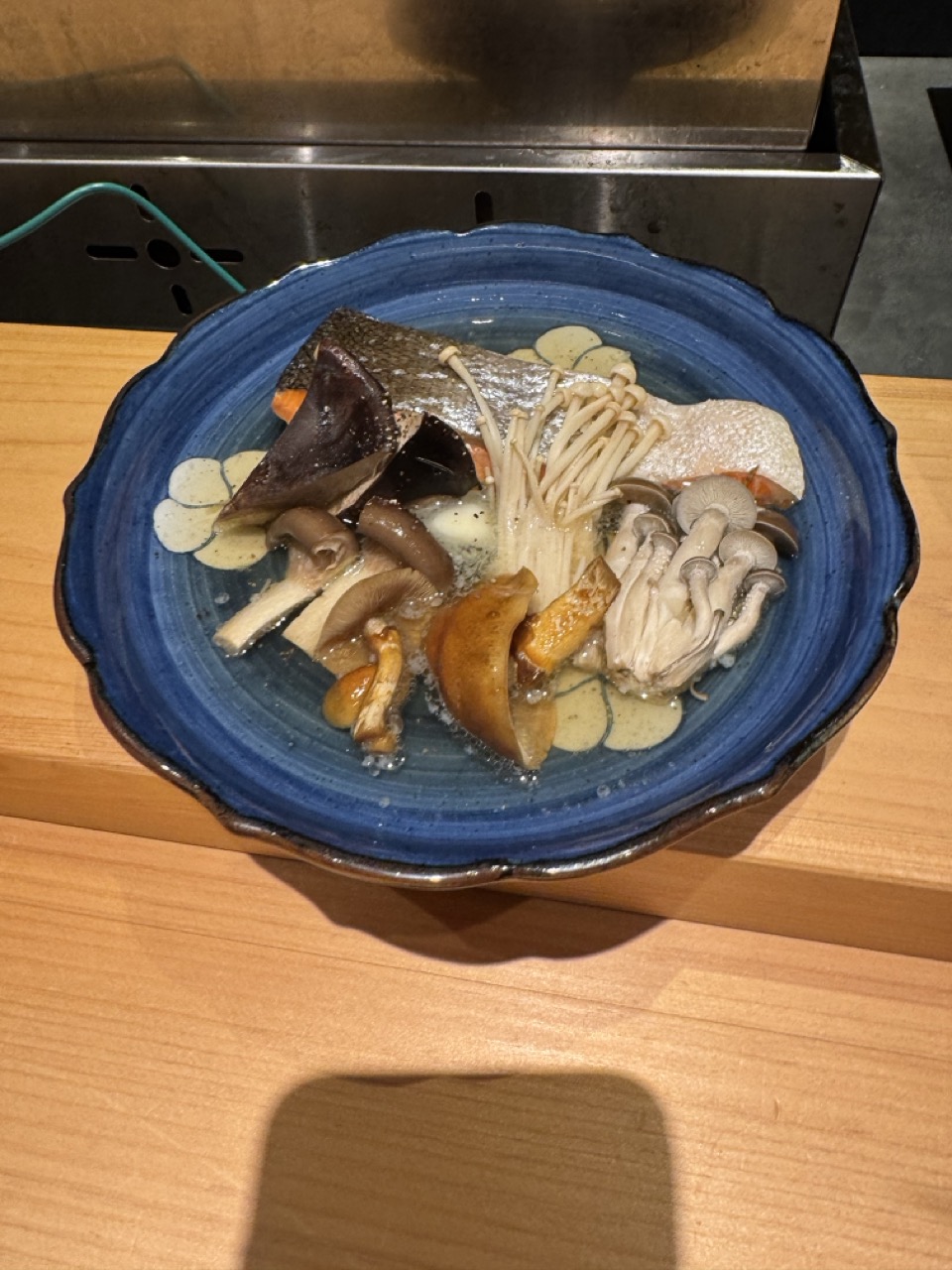
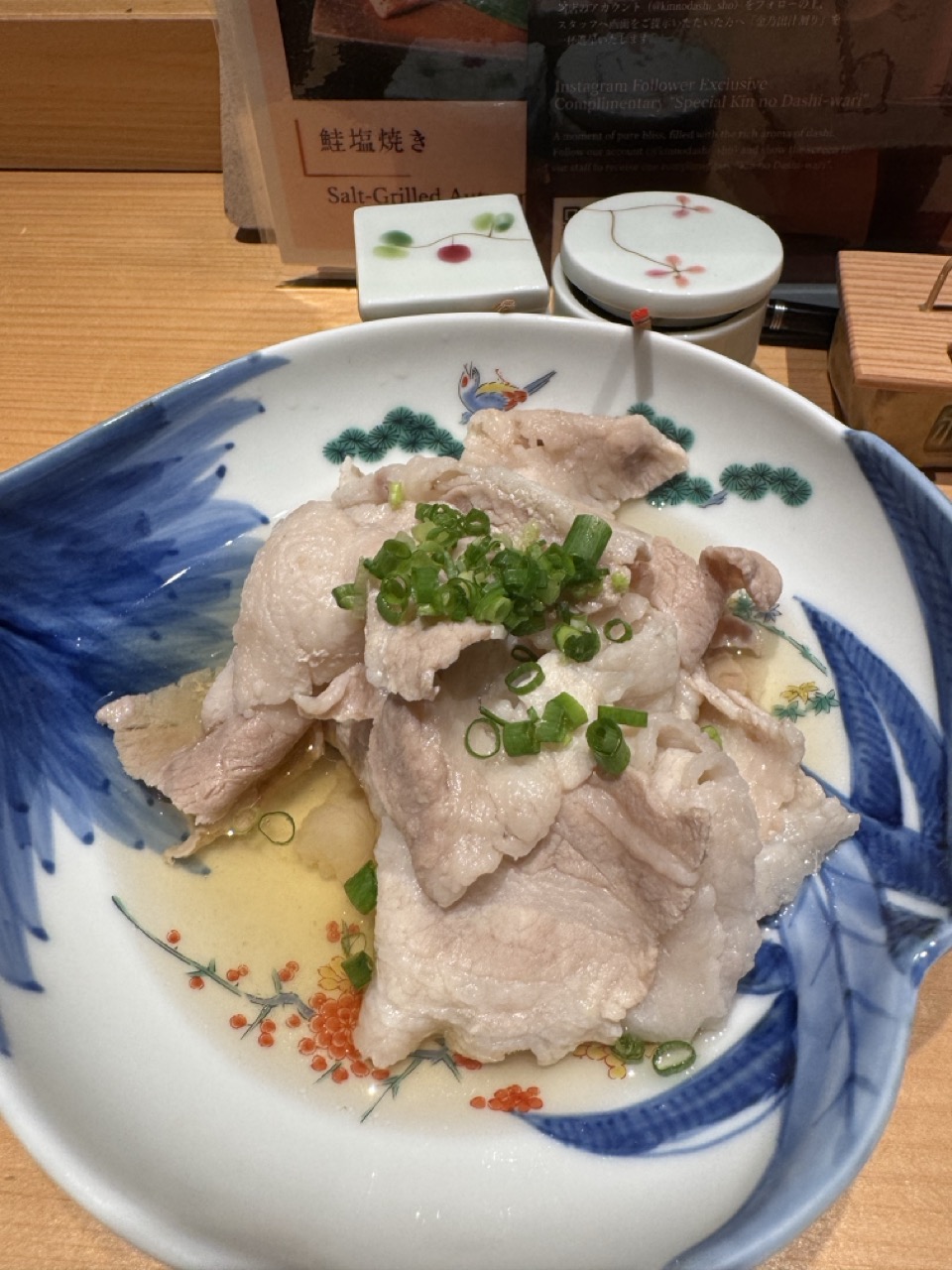
For dinner we went to Kin no Dashi Sho, a relatively new dashi oden restaurant. It opened on June 5, 2026, about six minutes on foot from the station, and its autumn menu ran from September 24 to November 30. The restaurant's own page describes a menu built around a golden broth called Kinno Dashi, with oden and ochazuke as the main dishes. That matched our experience. Everything is built around the dashi, and the food was full of flavour without being heavy.
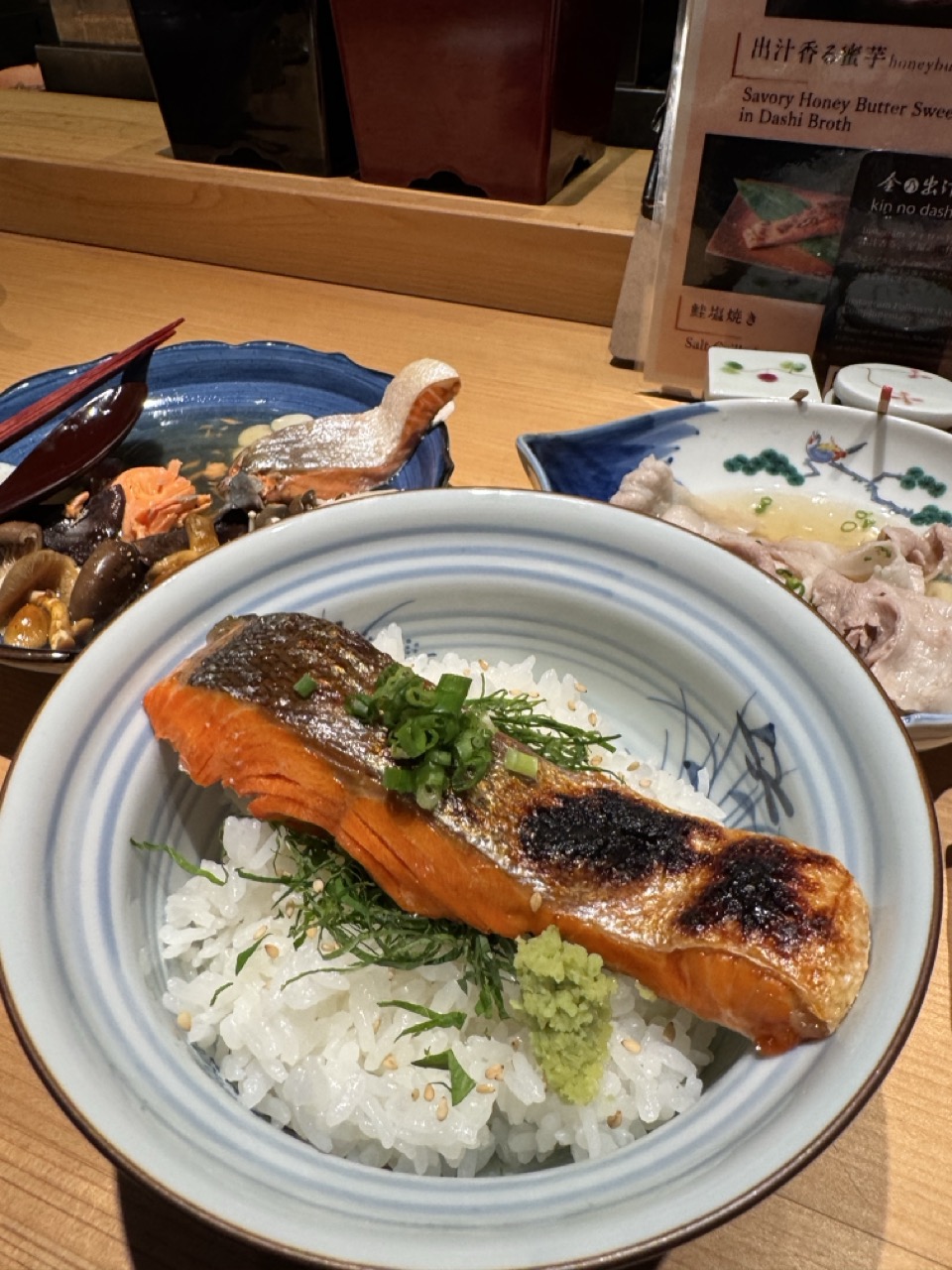
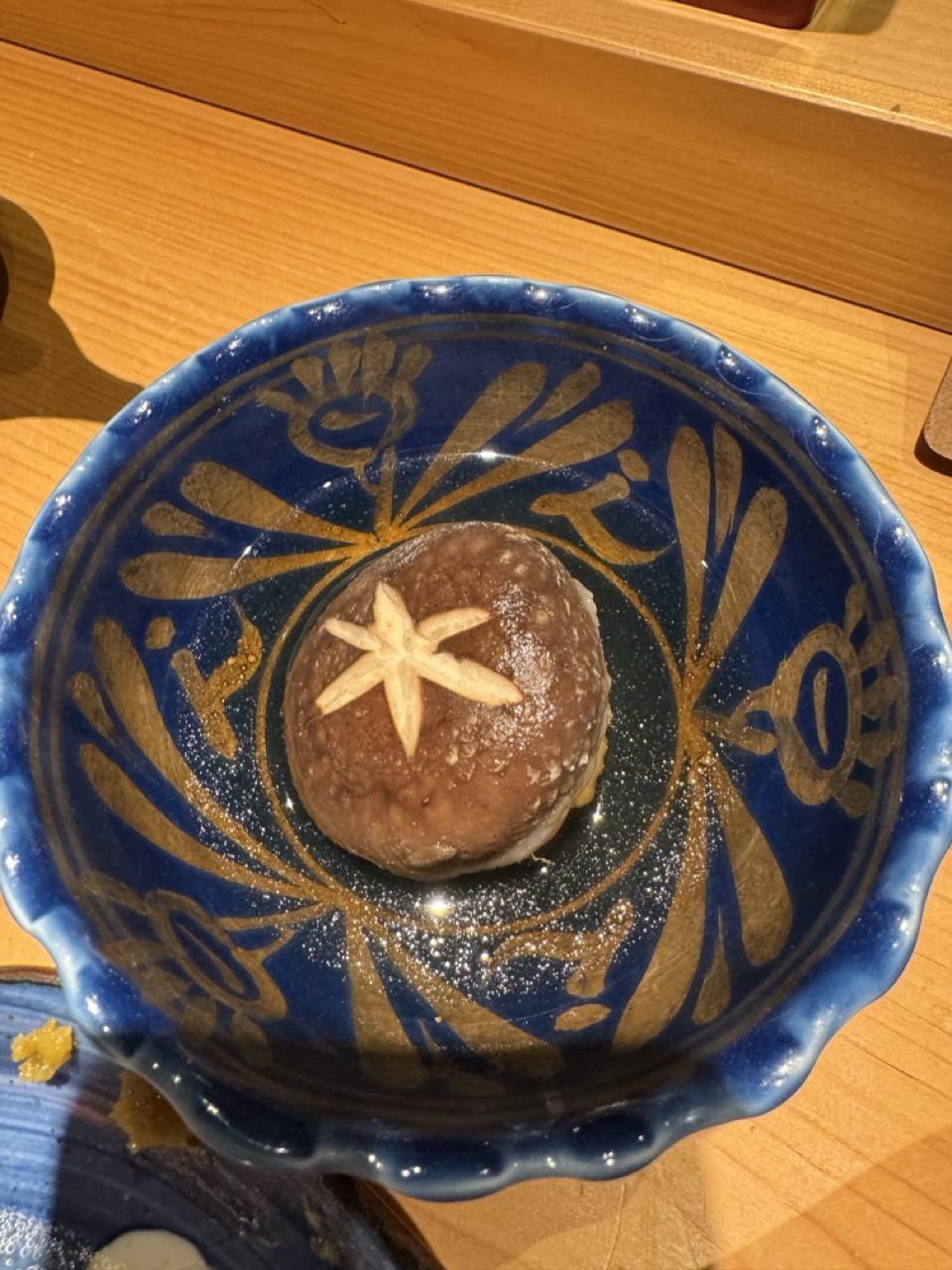
Since it was autumn, we tried limited edition dishes from the Autumn Special menu. We had the steamed autumn salmon and assorted mushrooms with dashi, the deep fried shiitake mushrooms stuffed with meat in dashi, and the autumn salmon and salmon roe ochazuke. All three were good, but the ochazuke was the clear highlight. It honestly tastes like autumn, with rich flavour from the salmon and the seasoning on top. Eat it as it arrives first, then pour the dashi broth over it, which lifts the flavours even more.
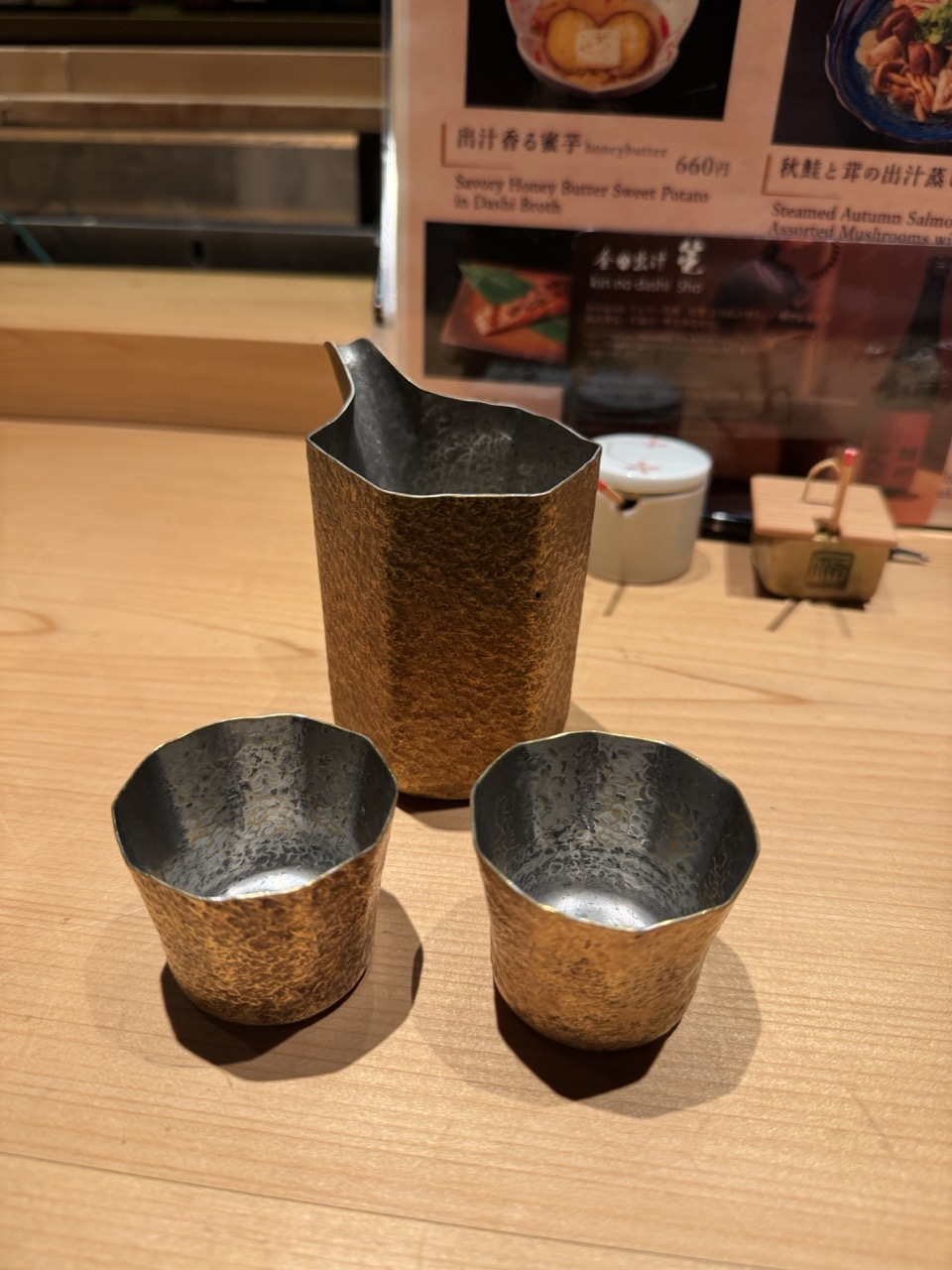
There is a bonus. If you follow the restaurant on Instagram, you get a complimentary drink called the Special Kin no Dashi Wari, a mix of Hakone sake and hot dashi broth. It is unusual, warming and surprisingly good. Offers like this can change, so ask when you sit down. Overall it was a very nice dinner for the two of us, and a good place to taste seasonal dishes done the dashi way.
The Private Bath at Hakone Yuryo After Dinner
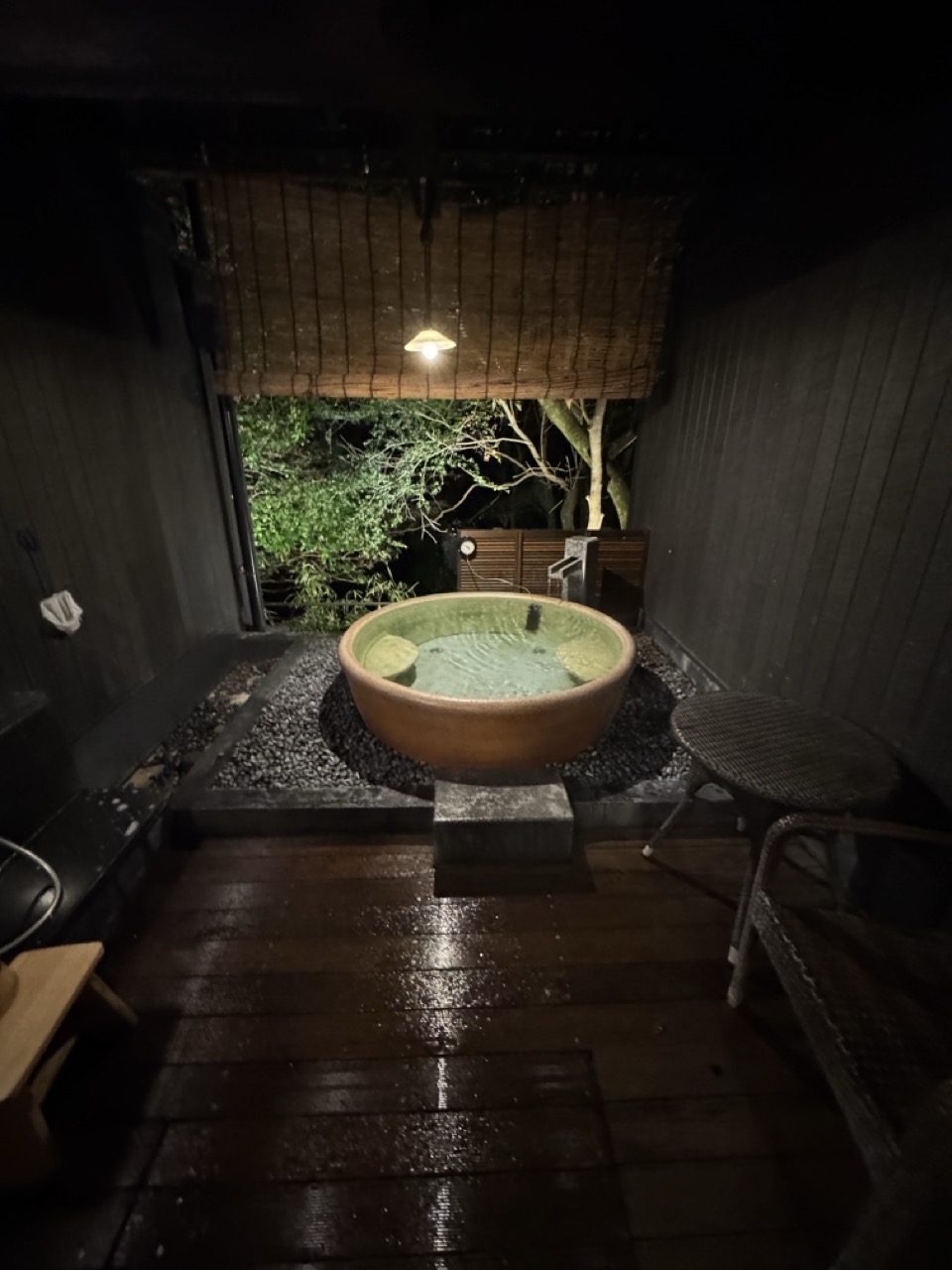
We finished the day with a private onsen at Hakone Yuryo, after dinner. Hakone Yuryo offers a free shuttle from the station, but we skipped it. From the restaurant it was closer to walk up the hills to the onsen than to go back to the station for the shuttle. Expect a climb rather than a flat stroll. The shuttle runs every 10 to 15 minutes and takes about three minutes, so it makes more sense if you are coming straight from the station.
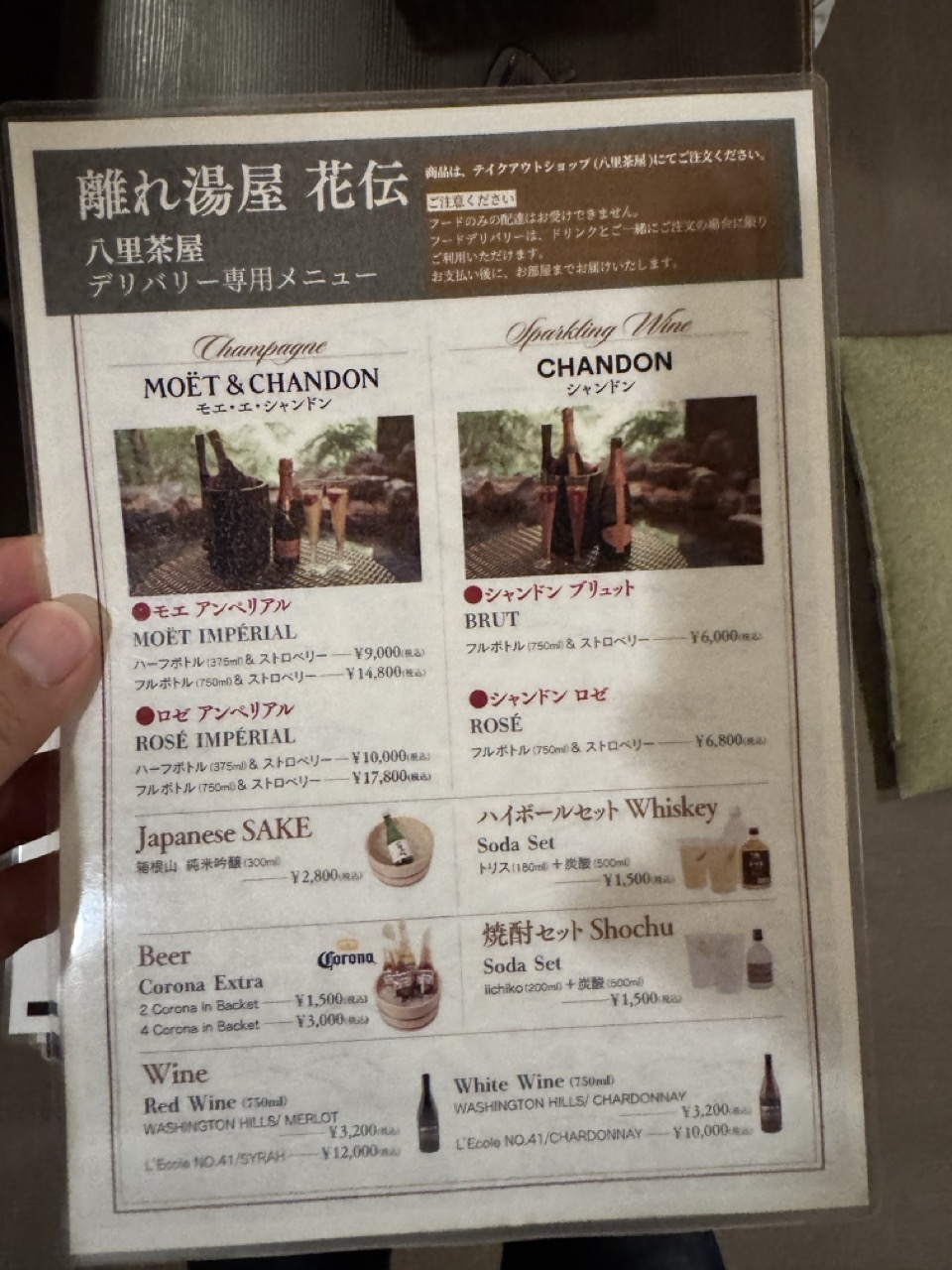
I picked the Type 1 room as my plan. Hakone Yuryo's own page lists the Type 1 room at 11,400 yen for 120 minutes on holidays, and it is a two person room of 18 square metres. On holidays the private baths run until 9pm with last admission at 7pm, so book the slot with your dinner time in mind. A 30 minute extension costs 2,850 yen on a Type 1 room, and yukata rental is 100 yen per item.
Booking runs through TableCheck from one month ahead until 3pm the day before. A credit card is required to hold the room, and you pay at the venue. Yuryo also has its own irori restaurant, Irorisaryo Hachiri, which takes reservations by phone only on +81 460 85 8411. A bath after dinner pushes the trip home later, so check last train times before you settle in.
If you want to repeat this in 2027, mark the calendar now. November 3 falls on a Wednesday, and the bath booking window should open around October 3. Watch for the organizers' timetable in autumn, put your name on the soba list as soon as you arrive in Yumoto, grab your yumochi early, book the bath for after dinner, and confirm fares and times with the official sources close to the date.